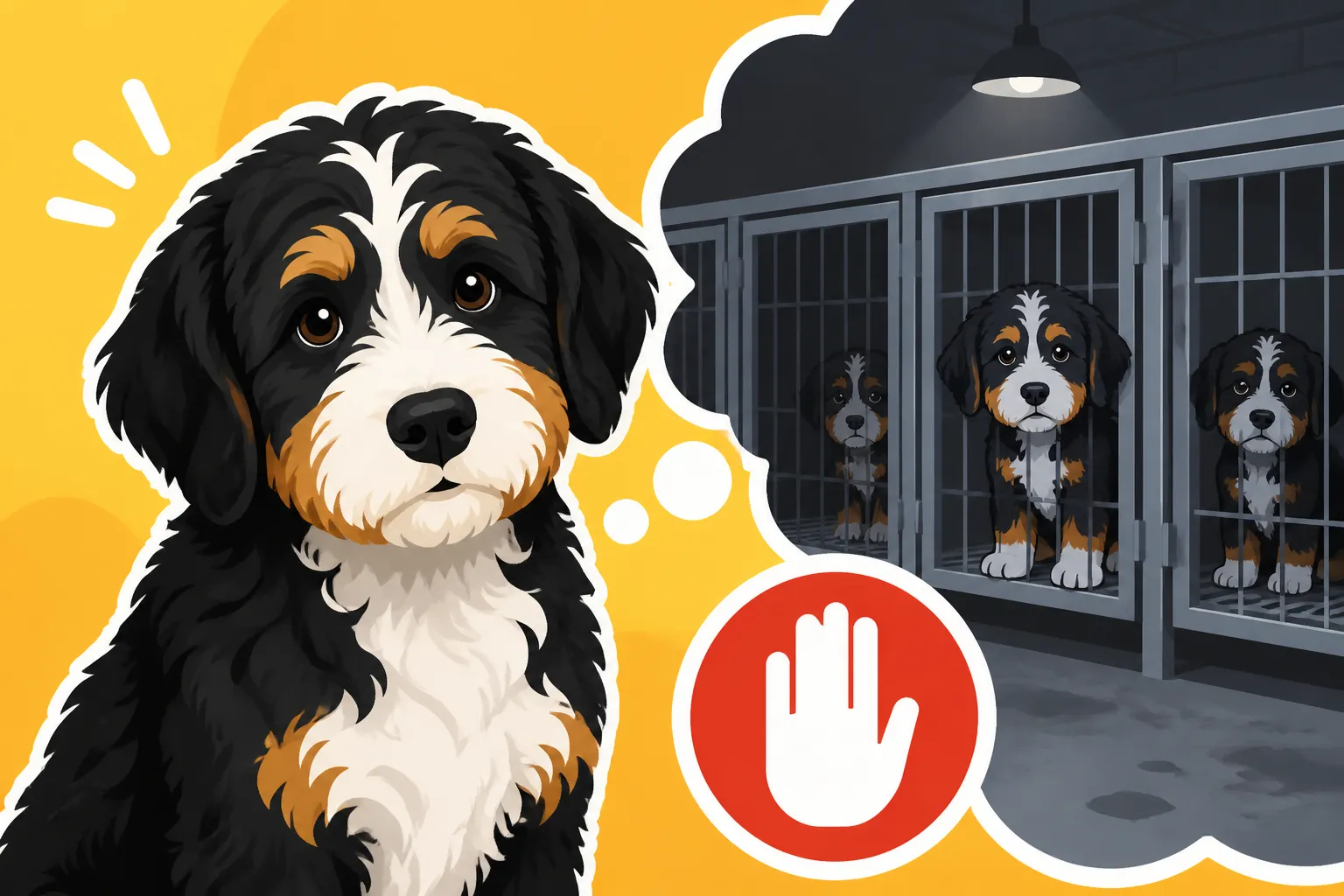
Spotting a Bernedoodle Listing That Came From a Mill
It's heartbreaking to imagine, but the dream of bringing home a cuddly, healthy Bernedoodle puppy can quickly turn into a nightmare if you're not careful. Many well-meaning prospective owners stumble upon online listings that seem too good to be true, only to discover later they've inadvertently supported a puppy mill. This guide will help you understand the tell-tale signs of a mill-produced Bernedoodle listing so you can make an informed, ethical choice and protect yourself and your future furry family member.
Unmasking the Deception: Why Puppy Mill Listings Exist
The internet has opened up a world of convenience, but it's also created a fertile ground for unscrupulous breeders to operate. Puppy mills thrive on anonymity and high-volume sales, often exploiting the emotional desire for a specific breed like the Bernedoodle. These operations prioritize profit over the welfare of their dogs, resulting in conditions that are detrimental to both the parent dogs and their puppies. When you see a Bernedoodle listing, you might assume everyone selling a dog cares about it, but sadly, that's not always the case. Understanding the underlying motivations and practices of puppy mills is the first step in recognizing their online footprint.
Lack of Transparency About Parent Dogs and Breeding Environment
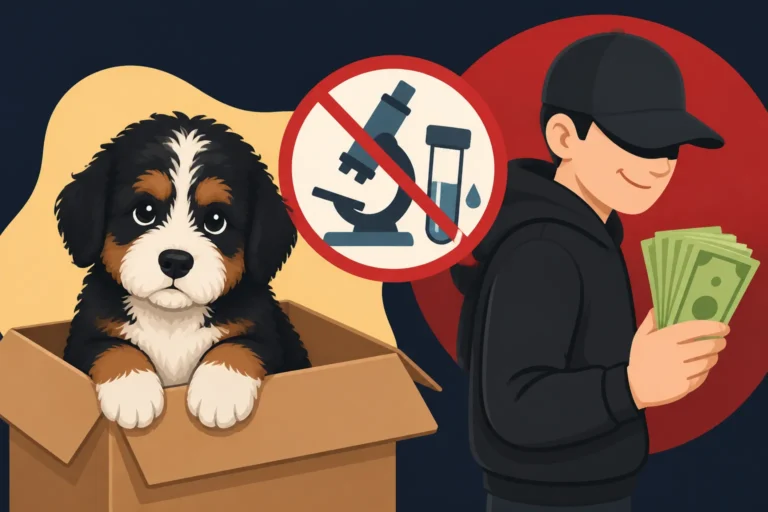
One of the most immediate red flags in a puppy mill listing is the conspicuous absence of detailed information about the parent dogs. Legitimate Bernedoodle breeders are proud of their breeding stock and will happily share extensive details about the mother (dam) and father (sire). This includes their names, ages, health testing results, temperaments, and even photos or videos of them interacting in their home environment. Puppy mill listings, however, rarely provide this depth. You might see a quick, blurry photo of a generic "mom" or "dad," or no pictures at all, because the reality of their living conditions isn't something they want you to see. These parent dogs are often kept in cramped, unsanitary kennels, bred repeatedly without respite, and never experience life as cherished family pets.
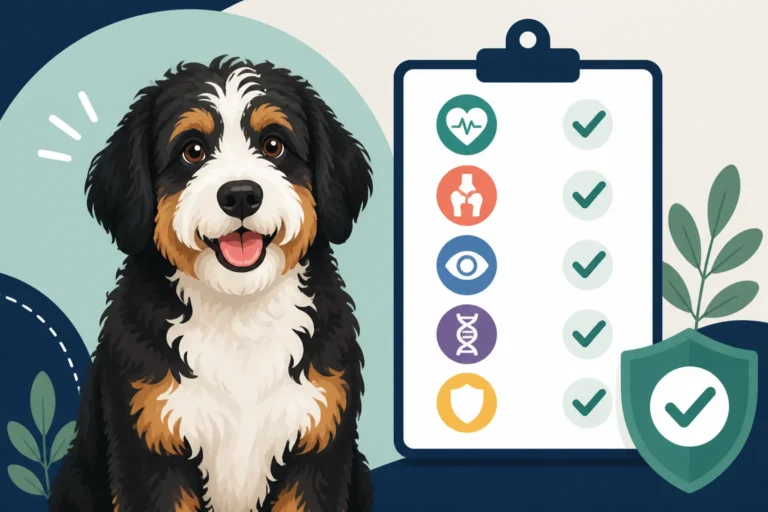
Imagine seeing a listing that simply states "Bernedoodle puppies available!" with a few cute puppy photos. When you inquire about the parents, the "breeder" might be vague, offering excuses like "they're too shy" or "we don't like to disturb them." This is a huge warning sign. A responsible breeder understands that you are looking for a lifetime companion and that the parents' health, temperament, and environment are crucial indicators of the puppy's future well-being. They want you to feel confident about where your puppy comes from. They should be able to show you documentation for The Five Clearances a Bernedoodle Breeder Should Have, proving their dogs are sound. Without this transparency, you're essentially buying a mystery, and that mystery often hides suffering.
Red Flags in Communication and Breeder Interaction
How a "breeder" communicates with you can reveal a lot. Puppy mill operators are often driven by quick sales. They might push you to make a deposit immediately, offer multiple puppies from different "litters" at once, or be unwilling to answer in-depth questions about their breeding practices, puppy socialization, or daily routines. Their responses might be generic, terse, or even aggressive if you probe too deeply. They want to move puppies fast, so they don't have time for extensive conversations or multiple visits.
A legitimate breeder, on the other hand, will engage in a thorough conversation, asking you questions about your living situation and experience to ensure their puppy is going to a good home. They'll be genuinely interested in you as a potential owner and will offer ongoing support. They'll invite you to visit their facility, or at the very least, engage in video calls where you can see the puppies and their environment. If you notice a "breeder" avoiding specific questions about Whether an Untested Bernedoodle Litter Is Worth Buying or their breeding philosophy, or if they seem overly focused on payment deadlines, it's time to pause and reconsider. Your gut instinct about their level of engagement and genuine care is often a reliable guide.
Common Traits of a Suspicious Bernedoodle Listing
Beyond the lack of transparency, puppy mill listings often share several common characteristics that, once you know what to look for, become glaringly obvious. These are often designed to mislead, obscure facts, and create a sense of urgency without providing real substance. Identifying these traits can save you from a lot of heartache and financial strain down the road.
Pricing and Payment Anomalies
One of the most insidious tricks of a puppy mill listing is the pricing. While a Bernedoodle from a reputable breeder often comes with a significant investment—reflecting the extensive health testing, quality care, and ethical breeding practices involved—puppy mills might list puppies at prices that are either unusually low or suspiciously high with no justification. Low prices are designed to attract buyers looking for a "deal," while high prices can mimic the costs of well-bred dogs without providing the underlying quality. Be wary of listings that offer significant discounts if you pay immediately or in cash only, or demand non-refundable deposits without a formal contract.
A common scenario is a listing that shows a price significantly lower than what a well-bred Bernedoodle usually commands. When you inquire, they might pressure you to pay a deposit right away, often through unsecured methods like wire transfers or gift cards, without the opportunity to meet the puppy or see the parents. They might even list multiple puppies for sale at these appealingly low prices, implying a volume operation. A good breeder will have a clear pricing structure, transparent payment methods, and a contract that details what What a Bernedoodle Health Guarantee Covers entails. They also won't rush you into a decision, understanding that a puppy is a long-term commitment. Remember, what seems like a bargain initially can quickly become incredibly expensive if you end up with a puppy burdened by health or behavioral issues. Think about What a Bernedoodle Costs Before Its First Birthday, and you'll realize that initial savings are often dwarfed by vet bills for ill-bred dogs.
Generic or Stock Photos and Descriptions
The photos and descriptions used in puppy mill listings are often generic, impersonal, and sometimes even stolen. You might see several different listings from various "breeders" all using the same adorable, professional-looking puppy photos, or pictures that clearly aren't taken in a home environment. The background might be sparse, cluttered, or completely absent, giving no clues about the puppy's actual living conditions. Descriptions are often brief, focusing only on the puppy's cuteness or basic traits like "fluffy" or "playful," without any specific details about the individual puppy's personality, parentage, or socialization experiences.
Imagine encountering a listing with a picture of a pristine, white-background puppy, looking almost too perfect. When you reverse-image search, you find that same photo on three other "breeder" websites, some claiming different locations or even different breeds. This is a massive red flag. Legitimate breeders will provide unique photos and videos of their current litter, often showing them interacting with their siblings, mother, or even children and other pets in a home setting. They'll update these photos frequently as the puppies grow. The descriptions will be rich with detail about individual personalities, developmental milestones, and what each puppy needs in a home. If the photos are too good, too generic, or too similar to other listings, it's highly probable you're looking at a puppy mill.
The Health and Temperament Warnings to Heed
One of the most devastating consequences of buying from a puppy mill is the impact on the puppy's health and temperament. Mills cut corners on veterinary care, nutrition, and socialization, leading to a host of problems that can plague a Bernedoodle throughout its life. These issues are often hidden or downplayed in their listings, but they will inevitably surface.
No Health Clearances or Guarantees
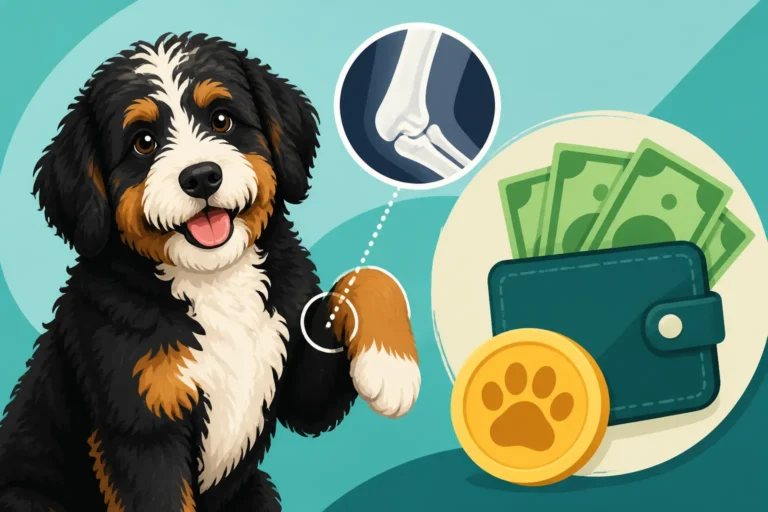
A defining characteristic of a reputable Bernedoodle breeder is their commitment to health testing and providing comprehensive health guarantees. Bernedoodles, being a cross of Bernese Mountain Dogs and Poodles, are prone to certain genetic conditions like hip and elbow dysplasia, Degenerative Myelopathy Both Bernedoodle Parents Can Carry, and certain cancers. Responsible breeders invest significant time and money into screening their parent dogs for these issues, and they'll readily provide proof of these clearances. Puppy mills, however, rarely conduct such tests because it costs money and takes time, both of which they prioritize over animal welfare.
When you inquire about health, a mill might offer a vague "health guarantee" that is full of loopholes or only covers the puppy for a very short period, like 48-72 hours after purchase. They often require you to return the puppy if a serious condition is found, rather than offering support for treatment, which is nearly impossible for an owner who has already bonded with their new pet. This is a stark contrast to a breeder who stands by their dogs for years, sometimes even for life, and provides a clear, written guarantee for genetic conditions. If you see a listing with no mention of parent health testing, or a "guarantee" that feels suspiciously weak, you should be extremely cautious. This often leads to situations where families are faced with huge veterinary bills for preventable conditions, or worse, have to say goodbye to a young dog due to an illness that could have been screened for.
| Feature | Reputable Bernedoodle Breeder | Puppy Mill/Broker Listing |
|---|---|---|
| Parent Information | Detailed health clearances, photos, temperaments, pedigree. | Vague, generic, or no information; evasive about parents. |
| Communication | Asks questions, offers support, transparent, invites visits. | Pushy, generic responses, avoids questions, rushes sale. |
| Pricing/Payment | Clear, structured pricing; secure payment; detailed contract. | Unusually low or high; cash only; wire transfers; no contract. |
| Photos/Descriptions | Unique, home-setting photos; detailed individual puppy traits. | Generic, stock, or stolen photos; brief, vague descriptions. |
| Health Guarantee | Comprehensive, long-term, clear terms; supports veterinary care. | Short-term, vague, full of loopholes; requires puppy return. |
| Socialization | Puppies raised in home, exposed to sights/sounds/people. | Puppies kept in kennels, minimal human interaction. |
| Transparency | Open about facilities, practices, answers all questions. | Avoids showing facilities, provides excuses for secrecy. |
Behavioral Red Flags in the Puppy Itself
Puppies from mills are often deprived of crucial early socialization experiences. They may be raised in isolation, with minimal human contact, exposure to normal household sounds, or interaction with varied environments. This neglect can lead to significant behavioral problems down the line, such as extreme shyness, fear, anxiety, aggression, difficulty house-training, or separation anxiety. A legitimate breeder spends countless hours with their puppies, exposing them to different stimuli, people, and situations to help them develop into well-adjusted adults. They understand that early socialization, especially before 12 weeks of age, is paramount for a confident, stable dog.
When viewing a puppy (in person or via video call), pay close attention to its demeanor. Is it overly timid, shrinking away from human touch, or showing signs of fear? Does it seem lethargic or unusually high-strung? While some puppies are naturally more reserved, a whole litter showing signs of fear or withdrawal is a major concern. Puppy mills often rush puppies out the door as soon as possible, sometimes before they are truly ready, missing critical developmental windows. This means you might end up with a Bernedoodle that struggles with even basic interactions, requiring extensive, costly behavioral training, which can be an unexpected burden. Brands like Chewy and Ollie offer great resources for dog training and behavior advice, but prevention through choosing a responsible breeder is always best. The Shyness a Bernedoodle Gets From the Bernese can be exacerbated in a mill environment due to lack of positive exposure.
How to Protect Yourself and Your Future Bernedoodle
Navigating the world of Bernedoodle listings can feel overwhelming, but with the right knowledge and a commitment to due diligence, you can protect yourself and ensure you're bringing home a healthy, well-adjusted puppy from an ethical source. It requires patience and a willingness to ask tough questions, but the peace of mind is immeasurable.
Verifying Breeder Credibility and Practices
The most important step is to thoroughly vet any breeder you consider. Don't just rely on their website or what they tell you over the phone. Start by searching for online reviews and testimonials, but be critical—some mill operators create fake positive reviews. Look for evidence of health testing: legitimate breeders will post OFA (Orthopedic Foundation for Animals) or PennHIP results for hips and elbows, and genetic testing results for conditions like Von Willebrand's Disease and Degenerative Myelopathy. They should be transparent about all The SOD1 Test Both Bernedoodle Parents Need. If a breeder is unwilling or unable to provide these verifiable records, walk away.
Reach out to Bernedoodle clubs or breed-specific forums for recommendations or warnings about specific breeders. A truly reputable breeder will be known within the community. They should also be transparent about their contract, health guarantee, and policies regarding returns or rehoming if unforeseen circumstances arise. Don't be shy about Asking a Breeder About Cancer in the Bernese Line or about their overall breeding philosophy. Responsible breeders welcome these questions as it shows you are a thoughtful and committed prospective owner. If they encourage you to do your homework and provide ample proof of their practices, you're likely on the right track. Consider seeking recommendations from your veterinarian as well.
The Importance of Meeting in Person (or Virtually)
In an ideal world, you would always visit the breeder's facility in person to see the puppies, their parents, and their living conditions. This allows you to observe the cleanliness, the temperament of the adult dogs, and how the puppies are socialized. You can see for yourself if the mother looks healthy and well-cared for, and if the puppies are housed in a stimulating, clean environment. If an in-person visit isn't geographically feasible, a responsible breeder should be willing to do multiple video calls, offering a virtual tour of their home and puppy area. They should also allow you to interact with the puppies and observe them with their mother during these calls.
Be very wary of any breeder who refuses an in-person visit or video call, or insists on meeting you in a neutral location like a parking lot or highway rest stop. This is a classic tactic used by puppy mills or brokers who don't want you to see the true conditions of their operation. They might offer excuses like "we're too busy" or "it's for security reasons." While some legitimate breeders may have specific visiting protocols for puppy safety, outright refusal to let you see where the puppies are raised is a definitive red flag. If you can't observe the environment, you can't confirm the ethical nature of the breeding, and you are taking a significant risk. Even if you don't live close enough to the breeder to pick up your Bernedoodle, most ethical breeders will not ship their puppies, meaning you will need to travel to meet them yourself. The post Whether a Bernedoodle Puppy Should Be Shipped delves into the potential dangers of such practices.
Bringing home a Bernedoodle is a joyous experience, and by being vigilant and informed, you can avoid the pitfalls of puppy mills and ensure you start your journey with a healthy, happy companion from a responsible source. The extra effort upfront is a small price to pay for a lifetime of love and fewer unexpected challenges. When it comes to something as precious as a new family member, always prioritize ethics and transparency over convenience or a perceived bargain. If you do end up with a puppy from a questionable background, pet insurance options like Healthy Paws can sometimes help with unexpected vet bills, and resources from Chewy and Ollie can support their nutritional and behavioral needs, but prevention is always the best path.
Disclaimer
This article is for general informational purposes only and does not constitute professional advice. Laws, prices and regulations vary by location and change over time. Consult a qualified professional for guidance on your specific situation.