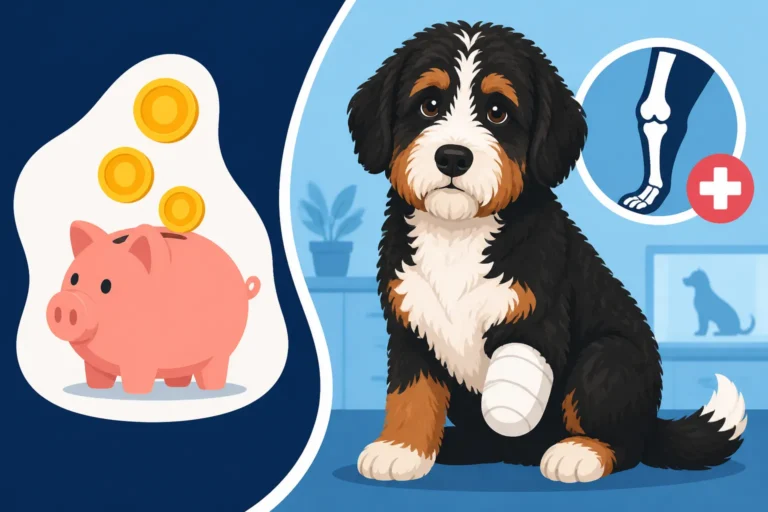
What a Bernedoodle’s Nail Trim Costs
It’s easy to overlook something as seemingly minor as nail trims when you’re budgeting for a big, fluffy Bernedoodle, but believe me, this isn’t a task you can skip or underestimate. Neglected nails can lead to a world of pain and expense for your beloved companion, affecting their comfort, gait, and even causing serious injuries. This guide will walk you through the various costs associated with keeping your Bernedoodle's paws in top shape, from professional services to doing it yourself, helping you avoid unnecessary worry and vet visits down the line.
Why Your Bernedoodle's Nails Are So Important
You might think a nail trim is just a cosmetic thing, but for a Bernedoodle, especially a larger one, it's fundamental to their well-being. Imagine trying to walk around all day with overly long fingernails curling under your toes – that’s pretty much what your dog experiences. Their nails are literally pushing back into the sensitive quick and then into the toe joints themselves. It’s painful, it’s awkward, and it can throw off their entire posture and movement.
The Dangers of Overgrown Nails
When a Bernedoodle's nails get too long, they change the way your dog stands and walks. Instead of having their paw pads flat on the ground, the long nails push their toes upwards, forcing their weight onto the back of the paw. This unnatural distribution of weight can lead to long-term orthopedic problems, exacerbating conditions like Arthritis in a Bernedoodle at Eight or contributing to issues with their Hips on a Ninety Pound Bernedoodle and elbows. It’s a cascading effect: poor foot alignment stresses joints further up the leg and spine.
Beyond chronic pain and joint issues, overgrown nails are prone to breaking or tearing. This isn't just a minor inconvenience; a torn nail can be incredibly painful, bleed profusely, and easily get infected. If a dewclaw (the thumb-like nail higher up on the leg) grows too long and curls around, it can grow right into the pad, causing a deep, painful wound that often requires veterinary intervention. These kinds of injuries are not only distressing for your dog but also costly to treat, sometimes requiring sedation, antibiotics, and follow-up visits. Having pet insurance from providers like Healthy Paws can certainly help mitigate these unexpected emergency costs.
Setting a Routine for Healthy Paws
Regular nail care is preventative care, pure and simple. It keeps the quick – the blood vessel and nerve that runs through the nail – from growing too long. The more frequently you trim, the shorter the quick recedes, making future trims easier and less stressful for both of you. For a Bernedoodle, with their generally fast-growing nails and tendency to be heavy-footed, a consistent schedule is non-negotiable. Aim for trims every 2-4 weeks, depending on how quickly their nails grow and how much natural wear they get from their daily activities. Establishing this routine early on, ideally during puppyhood, helps your Bernedoodle accept the process as a normal part of their life, reducing resistance and making it safer for everyone involved. Getting a Bernedoodle Used to Having Its Feet Held is crucial for this process.
Professional Nail Trim Costs for Your Bernedoodle
When you opt for professional help with your Bernedoodle's nails, you're investing in expertise, specialized tools, and often, a calmer experience for your dog. The costs can vary quite a bit, depending on who you go to and what additional services you might need.
Grooming Salon Services
Most professional grooming salons offer nail trims as a standalone service or as part of a full grooming package. For a Bernedoodle, given their size and often dense coat, a full groom is already a significant expense, as discussed in The Seventy to Hundred Fifty Dollar Bernedoodle Groom. However, just a nail trim is usually a much smaller, manageable fee. You can expect to pay anywhere from a modest amount to a slightly higher charge, depending on your location, the salon's reputation, and whether they use clippers or a dremel (a rotary tool that grinds the nail smooth). Some groomers might charge more for a particularly wiggly or uncooperative Bernedoodle, as it takes more time and patience.
When you bring your Bernedoodle to a salon, the groomer will typically assess the length of the nails and carefully trim or grind them to an appropriate length. They'll also often smooth any rough edges that could snag. Many groomers will also check the paw pads for matting or foreign objects that could cause discomfort. If your Bernedoodle is anxious about nail trims, a skilled groomer can often work wonders with patience and positive reinforcement, making the experience less stressful than it might be at home.
Veterinary Clinic Nail Services
Veterinary clinics also offer nail trims, and they can be a great option, especially if your Bernedoodle has particularly dark nails (making the quick harder to see), is very fearful, or has underlying health conditions that make handling tricky. The cost at a vet's office might be a bit higher than at a grooming salon, reflecting the medical environment and the availability of staff trained to handle even the most reluctant dogs. If your Bernedoodle requires sedation for a nail trim – which sometimes happens with severely anxious or aggressive dogs – the cost will, of course, increase significantly due to the anesthetic and monitoring involved.
The benefit of a vet clinic is that they can quickly address any accidental nicks to the quick with styptic powder or other medical interventions, and they can provide a general health check of the paws. If you suspect your Bernedoodle's gait issues or limping are related to their nails, a vet can offer a professional diagnosis and guidance. Sometimes, if you're already at the clinic for an annual check-up or vaccination, they might offer to do a nail trim as an add-on for a reduced fee. This can be a convenient way to keep on top of their paw health without an extra trip.
Mobile Groomers and Specialized Services
Another option gaining popularity is mobile groomers. These services come directly to your home, which can be fantastic for Bernedoodles who get stressed by car rides or clinic environments. The convenience often comes with a slightly higher price tag compared to a brick-and-mortar salon, but for some owners, the reduced stress for their dog is well worth it. There are also specialized services, like "fear-free" groomers or vet techs who focus solely on nail trims, often using gentle techniques and positive reinforcement to make the experience as pleasant as possible. These specialized services might have their own pricing structure, often reflecting the extra time and training involved in their approach.
Here’s a general idea of how professional nail care costs might break down:
| Service Type | Typical Cost Range (per session) | Key Benefits | Considerations |
|---|---|---|---|
| Grooming Salon | Moderate | Professional expertise, specialized tools | Dog may still be anxious in new environment, travel |
| Veterinary Clinic | Moderate to Higher | Medical supervision, sedation option, health check | Potentially more expensive, vet environment |
| Mobile Groomer | Higher | Convenience, reduced dog stress at home | Limited availability, higher cost |
| Specialized Nail Trim | Moderate to Higher | Fear-free techniques, patience | Might require booking in advance, specific approach |
Remember, these are general ranges, and prices will vary widely based on your specific location and the individual service provider. It’s always best to call around and get a few quotes before committing.
The DIY Approach: Investing in Home Nail Care
For many Bernedoodle owners, taking on nail trims at home is a cost-effective and bonding experience. However, it requires an initial investment in tools, time, and a good dose of patience – especially when you're first learning.
Essential Tools for Home Nail Trims
To successfully trim your Bernedoodle's nails at home, you'll need a few key pieces of equipment. The most common tools are nail clippers and a Dremel-style grinder. For clippers, a large, heavy-duty scissor-style or guillotine-style clipper is usually necessary for a standard Bernedoodle’s thick nails. Investing in a good quality pair from a reputable brand (you can often find excellent options on sites like Chewy) will make the job easier and reduce the risk of splintering the nail. Expect to spend a decent amount on a sturdy, sharp pair.
If you opt for a grinder, which many find less intimidating than clilers and allows for smoother results, you'll need a rotary tool designed for pet nails. These are typically cordless and have various grinding bits. They are generally more expensive than clippers initially but can last a long time. Regardless of your primary tool, you'll also absolutely need styptic powder on hand. This is a magic powder that quickly stops bleeding if you accidentally "quick" your dog (cut into the sensitive part of the nail). It's a lifesaver for those inevitable oops moments and will prevent unnecessary panic for both you and your Bernedoodle. Small treats, like those from Ollie, are also incredibly important for positive reinforcement during these sessions.
Learning the Technique and Managing Fear
The initial cost of tools is just the beginning. The biggest investment is your time and effort in learning the correct technique and, crucially, helping your Bernedoodle feel comfortable with the process. There are countless online tutorials, often featuring different breeds, that can teach you how to identify the quick, the correct angle to cut, and how to introduce the tools positively. Many veterinary clinics or professional groomers also offer workshops or individual coaching sessions on nail trimming, which can be an excellent investment to build your confidence and skill.
Desensitization and positive reinforcement are key, especially with a breed that can inherit some wariness. Start by simply handling your Bernedoodle's paws regularly, making it a positive experience with treats and praise. Introduce the clippers or grinder without actually trimming, just letting them sniff and associate the tool with good things. Gradually build up to touching the nails, then quick trims, then full sessions. This might take weeks or even months, but it’s worth it to avoid a lifetime of struggling with a fearful dog. A fearful Bernedoodle can become very difficult to manage, potentially leading to situations where A Bernedoodle That Will Not Stand for Brushing also won't stand for nail trims, requiring professional intervention or even sedation.
Ongoing DIY Costs and Time Commitment
Once you have your tools and your Bernedoodle is (hopefully) cooperative, the ongoing financial cost of DIY nail trims is minimal – mostly just replacement grinding bands or, eventually, new clippers. The real ongoing cost is your time. For a large Bernedoodle, a thorough nail trim might take 15-30 minutes, especially if you're taking your time and giving breaks. If you're doing this every 2-4 weeks, that adds up.
Think about the time commitment over a year. If you trim nails every three weeks, that’s about 17 sessions a year. At 20 minutes a session, you’re looking at over 5 hours of dedicated nail care annually, not counting any prep or clean-up. This time investment, combined with the need for consistent positive training, is part of the overall The Full Cost of Twelve Years With a Bernedoodle. While doing it yourself saves money on individual appointments, it demands a personal commitment that shouldn't be overlooked.
Factors Influencing Your Overall Nail Care Budget
The direct cost of a nail trim is just one piece of the puzzle. Several other factors can influence how much you spend and how frequently you need to open your wallet (or your home grooming kit).
Bernedoodle Size and Temperament
The size of your Bernedoodle directly impacts the cost. A tiny Bernedoodle or a mini Bernedoodle will generally have smaller, easier-to-manage nails than a standard Bernedoodle that weighs ninety pounds. Larger nails require larger, sturdier clippers and more physical effort to trim. Professional groomers might also factor in size when setting prices, as handling a large, strong dog safely can be more challenging.
Even more significant is your Bernedoodle's temperament regarding paw handling. A dog that is calm and accepting of nail trims will be cheaper to maintain, whether you do it yourself or seek professional help. If your Bernedoodle throws a fit, bites, or panics, a professional might charge more due to the difficulty, or you might incur vet costs for sedation. This is why early socialization and training are paramount. Teaching them to calmly Lie Down for Three Hours of Grooming also sets a great foundation for handling during nail trims. Consistent, positive exposure to paw handling from puppyhood can save you a lot of grief and money down the road.
Frequency and Lifestyle
How often your Bernedoodle needs a trim depends on their individual nail growth rate and their lifestyle. Highly active Bernedoodles who spend a lot of time walking on rough surfaces like pavement or concrete might naturally wear down their nails more quickly, reducing the need for frequent trims. However, dogs who spend most of their time indoors or on soft surfaces will need more regular attention. As mentioned, 2-4 weeks is a good general guideline, but you’ll learn your own dog’s needs.
Consider the cumulative cost. If you're paying for a professional trim every two weeks, that annual bill will be significantly higher than if you manage every four weeks. Conversely, neglecting trims to save money will almost certainly lead to higher costs in vet bills for torn nails or addressing joint issues caused by poor foot structure. This balance is critical to Keeping a Standard Bernedoodle Sound Past Ten. It's a prime example of where preventative care truly saves money in the long run.
Unexpected Issues and Emergency Costs
Even with the best intentions, things can sometimes go wrong. Accidents happen, whether it's an accidental quicking during a home trim or your Bernedoodle snagging a nail on something outdoors. These unexpected issues can quickly drive up your costs. A trip to the vet for a severely torn nail, an infection, or even just for professional reassurance after a bad quicking incident, can be pricier than several regular trims combined.
This is where planning for emergencies, perhaps through pet insurance like Healthy Paws, can be incredibly beneficial. While routine nail trims might not be covered, the vet visit for an injury directly caused by a nail issue very well might be. Even if you're comfortable with DIY, it's wise to have a veterinarian you trust who can step in if you ever face a challenge that's beyond your comfort level. Investing in your Bernedoodle's overall health and well-being, including a balanced diet from services like Ollie, can also contribute to a dog that's generally more resilient and less prone to stress-related issues during handling.
Disclaimer
This article is for general informational purposes only and does not constitute professional advice. Laws, prices and regulations vary by location and change over time. Consult a qualified professional for guidance on your specific situation.