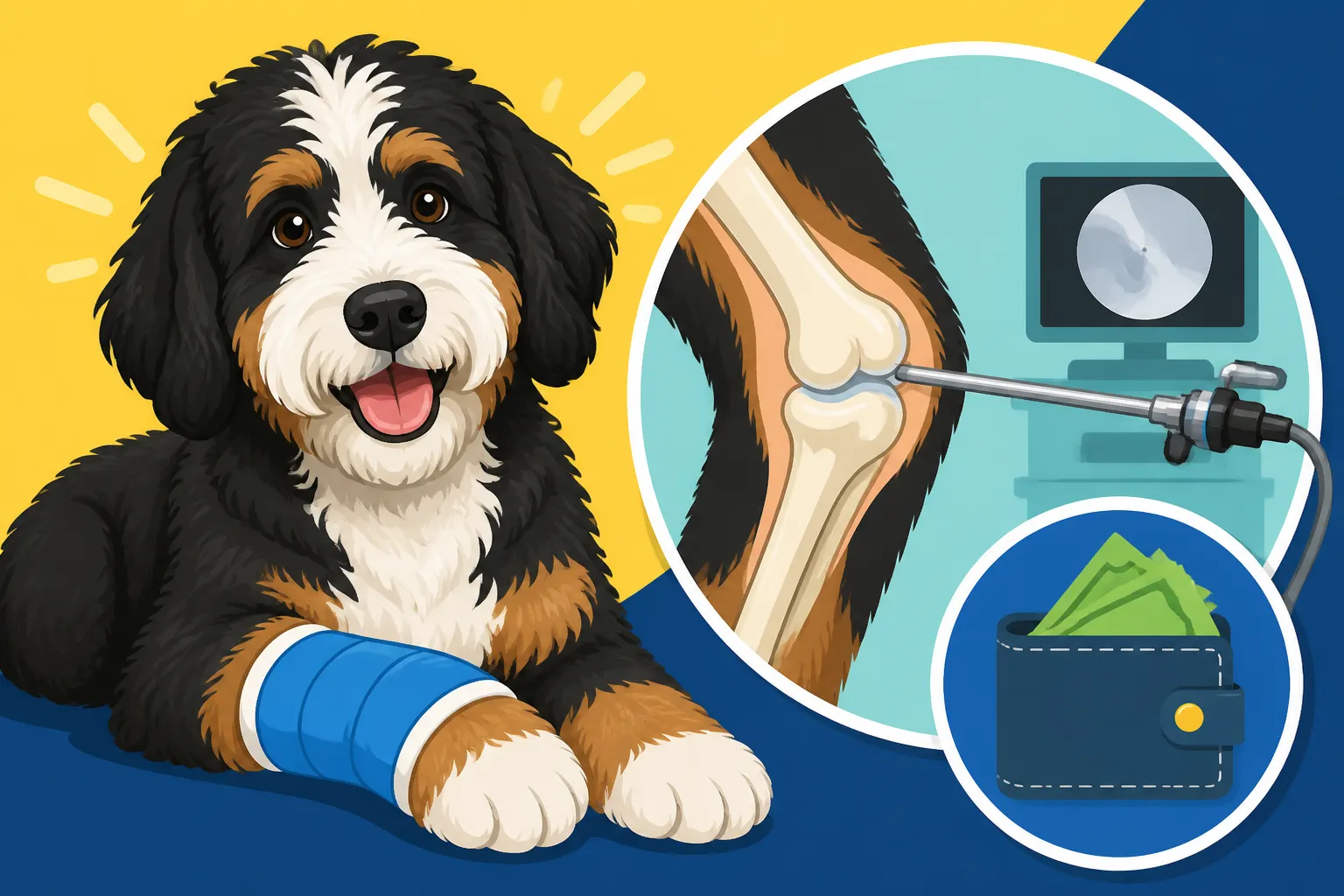
What Elbow Arthroscopy Costs on a Bernedoodle
The moment you realize your beloved Bernedoodle puppy is limping, or that slight stiffness in their gait isn't just a clumsy moment, your heart sinks. The fear of something serious, especially with a large, active breed, can be overwhelming, and often, the path leads to a potential diagnosis of elbow dysplasia. This comprehensive guide will walk you through what elbow arthroscopy entails for your Bernedoodle, breaking down the various costs involved and what you can expect as you navigate this challenging journey for your furry family member.
Understanding Elbow Dysplasia in Bernedoodles
Elbow dysplasia is a common and often heartbreaking orthopedic condition that affects many large and giant breed dogs, and our wonderful Bernedoodles, with their Bernese Mountain Dog lineage, are certainly no strangers to it. It's not a single disease but rather a complex condition involving multiple developmental abnormalities of the elbow joint. The term itself covers several specific issues, including fragmented medial coronoid process (FMCP), osteochondrosis dissecans (OCD) of the medial humeral condyle, ununited anconeal process (UAP), and elbow incongruity. These issues lead to abnormal joint development, which in turn causes pain, lameness, and ultimately, debilitating arthritis.
What makes it so tough for Bernedoodle owners is that it's often inherited, meaning even if you've done everything right in terms of diet and exercise, your dog could still develop it. It's a heavy burden to bear, watching your normally boisterous companion struggle with everyday movements. The key is understanding the condition, recognizing the signs, and knowing your options. If you're looking into prevention or understanding the genetic component, you might find our article on Elbow Dysplasia in a Growing Bernedoodle incredibly helpful.
The Silent Signs of Elbow Pain
Sometimes, the signs of elbow pain in a Bernedoodle can be subtle, creeping up on you before becoming undeniably obvious. You might first notice a slight limp after a vigorous play session, or perhaps your usually eager pup is a bit reluctant to jump into the car or climb stairs. Often, the limp is worse after rest or during periods of increased activity. It might not always be a full-blown lameness; sometimes, it’s just a shorter stride or an awkward way of carrying a front leg.
A Bernedoodle might also shift their weight to their hind legs or try to avoid putting pressure on the affected limb. You might observe a tendency to "bunny hop" with their back legs to compensate for front limb discomfort. In puppies, they might seem generally stiff or reluctant to play as much as their littermates. As the condition progresses, you could notice muscle wasting in the affected limb, as the dog naturally tries to avoid using it. Pay close attention to how they get up from a lying position, how they walk, and any vocalizations of pain when the joint is manipulated. Early detection can make a world of difference in managing the condition and potentially improving outcomes. For more specific indicators, check out Signs a Bernedoodle Puppy's Elbows Hurt.
Diagnosis: What Leads to Arthroscopy?
When you suspect elbow pain, your first stop, of course, is your veterinarian. They’ll perform a thorough physical examination, manipulating the elbow joint to check for pain, swelling, and reduced range of motion. If they confirm your suspicions, the next step usually involves diagnostic imaging, primarily X-rays. Standard radiographs are crucial for identifying visible bone changes, such as osteophytes (bone spurs) that indicate arthritis, or abnormalities like ununited anconeal processes.
However, X-rays don't always tell the whole story, especially when it comes to soft tissue or very subtle cartilage damage. This is where advanced diagnostics come into play, specifically Computed Tomography (CT) scans. A CT scan provides a much more detailed, three-dimensional view of the joint, allowing veterinarians to precisely identify issues like fragmented coronoid processes or early stages of OCD that might be missed on standard X-rays. Once a clear diagnosis of elbow dysplasia requiring surgical intervention, such as removal of fragments or addressing incongruity, is made, arthroscopy often becomes the preferred method. It's less invasive than traditional open surgery and allows for a comprehensive look inside the joint with minimal trauma.
The Components of Elbow Arthroscopy Cost
Understanding the cost of elbow arthroscopy isn't as simple as looking at one number. It's a complex puzzle made up of several distinct pieces, each contributing significantly to the total bill. These components include everything from the initial consultations and advanced imaging to the surgery itself, the anesthesia, the medications, and the crucial post-operative rehabilitation. It's a whole journey, not just a single procedure, and each step has its own financial implications.
Pre-Operative Assessments and Diagnostics
Before your Bernedoodle even sets paw in the operating room, there's a significant amount of groundwork that needs to be laid, and this groundwork comes with its own costs. First, there are the initial veterinary consultations. These might include several visits as your vet tries to pinpoint the exact issue. Then come the diagnostic imaging fees. Standard X-rays are typically the first line of defense, but as we discussed, often a CT scan is necessary for a definitive diagnosis of elbow dysplasia, especially for identifying those elusive fragmented coronoid processes. These specialized scans are performed by veterinary radiologists and involve sedation or general anesthesia, adding to the expense.
Beyond imaging, your Bernedoodle will need pre-surgical blood work to ensure they are healthy enough to undergo anesthesia and surgery. This panel checks organ function and blood clotting abilities, crucial for minimizing risks during the procedure. There might also be consultations with a veterinary orthopedic specialist or surgeon, who will review all the diagnostics and discuss the best surgical approach, explaining the risks and benefits. Each of these steps, from the initial exam to the specialist consultation, contributes to the overall pre-operative cost, which can run into the hundreds or even low thousands of dollars before any actual surgery takes place.
The Surgical Procedure Itself
The arthroscopy procedure itself is the core of the expense, and it's where the highly specialized equipment and expertise truly shine. Arthroscopy is a minimally invasive technique where a tiny camera (arthroscope) is inserted into the elbow joint through small incisions. This allows the surgeon to visualize the inside of the joint on a monitor and perform corrective procedures using specialized instruments. The advantages are numerous: less pain, faster recovery, and often better visualization than open surgery.
The cost for the actual surgery includes several key elements:
- Surgeon's Fees: This accounts for the orthopedic specialist's time, skill, and experience. These are highly trained individuals, and their expertise is reflected in their fees.
- Anesthesia and Monitoring: Bernedoodles are large dogs, and anesthesia is a serious undertaking. The cost covers the anesthetic drugs, the time of the veterinary anesthetist or technician, and the advanced monitoring equipment used to keep your dog safe throughout the procedure (heart rate, blood pressure, oxygen saturation, etc.).
- Operating Room Costs: This covers the sterile environment, specialized surgical instruments, and the support staff (surgical technicians).
- Hospitalization: While arthroscopy is less invasive, your Bernedoodle will typically need to stay overnight or for a couple of days for pain management and initial recovery monitoring.
Given the complexity and the resources involved, this phase represents a substantial portion of the total cost, often reaching several thousand dollars. It's a significant investment, but one that can greatly improve your Bernedoodle's quality of life.
Post-Operative Care and Rehabilitation
The journey doesn't end when your Bernedoodle wakes up from surgery. In fact, post-operative care and rehabilitation are just as critical to a successful outcome, and they too come with their own set of expenses. Immediately after surgery, your dog will need pain medication, anti-inflammatories, and possibly antibiotics, which will be prescribed for home use. These medications are essential for comfort and preventing complications.
Then comes the physical rehabilitation, which is arguably one of the most important, yet often underestimated, parts of recovery. A typical rehab program for elbow arthroscopy might involve:
- Physical Therapy Sessions: These could include therapeutic exercises, hydrotherapy (underwater treadmill), laser therapy, and massage. These sessions often occur several times a week initially, gradually reducing in frequency.
- Home Exercise Program: You'll be given exercises and stretches to do with your Bernedoodle at home between professional sessions.
- Supplements: Joint supplements containing glucosamine, chondroitin, and MSM might be recommended long-term to support cartilage health. Brands like Chewy offer a wide range of these, making it easier to find what you need.
- Orthopedic Support: Special orthopedic beds or ramps might be beneficial, especially for a large Bernedoodle, to reduce stress on the healing joint.
- Follow-up Appointments: Regular check-ups with your vet and surgeon will be necessary to monitor progress and ensure proper healing.
These post-operative costs can easily add up over weeks and months. Rehabilitation packages can vary, but expect to budget for ongoing therapy for an extended period, which could range from hundreds to thousands of dollars depending on the length and intensity of the program. Skipping this crucial phase can compromise the surgical outcome, so it’s vital to factor it into your financial planning.
Factors Influencing the Total Cost
It's natural to want a clear-cut number, but the truth is, the total cost of elbow arthroscopy for your Bernedoodle can swing quite a bit. There are several major variables at play, much like how the cost of a car repair changes depending on the garage, the parts, and the specific damage. Understanding these factors can help you prepare financially and make more informed decisions when discussing options with your veterinary team. It's never just a single, fixed price; it's a dynamic figure influenced by many elements.
Geographic Location and Veterinary Clinic Type
Just like human healthcare, the cost of veterinary care, especially specialized procedures like arthroscopy, can vary significantly depending on where you live and the type of clinic you choose. In major metropolitan areas or regions with a higher cost of living, you can generally expect veterinary services to be more expensive than in rural or less populated areas. This reflects the higher overhead costs for rent, salaries, and utilities in those regions.
Furthermore, the type of veterinary facility plays a huge role. A small, local general practice vet might offer basic diagnostics and refer you to a specialist, but they won't perform arthroscopy in-house. Veterinary specialty hospitals or university teaching hospitals, on the other hand, are equipped with state-of-the-art facilities, highly specialized surgeons, and often 24/7 critical care capabilities. While these provide the highest level of care and expertise, their prices will understandably be at the higher end of the spectrum. They invest heavily in equipment, specialized staff, and continuous education, and these costs are reflected in their service fees. It's a trade-off between accessibility and specialization versus cost.
Severity of the Condition and Anesthesia Risks
The specific nature and severity of your Bernedoodle's elbow dysplasia significantly influence the complexity and thus the cost of the arthroscopy. A straightforward case involving the removal of a small fragmented coronoid process might be less involved than a procedure that also needs to address significant elbow incongruity or advanced cartilage damage. More complex procedures require longer surgical times, more specialized techniques, and potentially more extensive repair work, all of which drive up the cost.
Additionally, anesthesia risks, while meticulously managed, can also impact the cost. Bernedoodles, being a large breed, require careful anesthetic protocols. If your Bernedoodle has any underlying health conditions, even minor ones discovered during pre-operative blood work, the anesthetic plan might need to be adjusted, potentially requiring more specialized drugs or extended monitoring, which can add to the bill. For instance, an older Bernedoodle or one with a history of cardiac issues might need more intensive pre-anesthetic workups and continuous monitoring by a board-certified veterinary anesthetist, adding another layer of expense. Your veterinary team will discuss any such considerations with you transparently.
Choosing Pet Insurance and Managing Unexpected Bills
One of the most profound ways to manage the potentially high costs of a procedure like elbow arthroscopy is through pet insurance. Many owners, especially those with breeds prone to orthopedic issues like Bernedoodles, invest in pet insurance early on. However, it's crucial to understand the nuances. Most pet insurance policies, like those from Healthy Paws, have waiting periods and typically do not cover pre-existing conditions. This means if your Bernedoodle is already showing signs of elbow dysplasia before you get coverage, the surgery might not be covered. It's a tough pill to swallow for many new owners who discover issues after adoption.
If you don't have pet insurance, or if the condition is deemed pre-existing, you'll be responsible for the full amount. In these situations, clinics often offer payment plans, or you might consider medical credit options specifically designed for veterinary care. Some owners also start a dedicated "pet emergency fund" for such eventualities. It’s always wise to discuss payment options and estimates upfront with your veterinary clinic. Remember, while the immediate bill for surgery is large, there will be ongoing costs for medications, special diets (you might look into premium options from brands like Ollie that focus on joint health ingredients), and physical therapy. Thinking ahead financially can save you a lot of stress during an already trying time. You might also want to look into What Insuring a Standard Bernedoodle Runs to get a better idea of insurance costs.
Here’s a simplified breakdown of typical cost components:
| Cost Component | Description | Typical Timing |
|---|---|---|
| Initial Consultations | Vet exams, preliminary assessments. | Pre-op |
| Diagnostics | X-rays, CT scans, blood tests, specialist consultations. | Pre-op |
| Anesthesia | Drugs, monitoring, anesthetist/technician time. | During surgery |
| Surgeon's Fees | Orthopedic specialist's expertise and time. | During surgery |
| Operating Room & Staff | Sterile environment, surgical instruments, support staff. | During surgery |
| Hospitalization | Overnight stay, IV fluids, initial pain management. | Post-op (immediate) |
| Medications | Pain relievers, anti-inflammatories, antibiotics. | Post-op (immediate/ongoing) |
| Physical Therapy | Hydrotherapy, laser, exercises, home program guidance. | Post-op (ongoing) |
| Recheck Appointments | Follow-up exams with vet/surgeon to monitor healing. | Post-op (ongoing) |
| Supplements | Glucosamine, chondroitin, fish oil for joint support. | Post-op (long-term) |
Long-Term Outlook and Financial Planning
Facing an elbow arthroscopy for your Bernedoodle is a significant event, both emotionally and financially. But it’s crucial to remember that this procedure is often a stepping stone to a much better quality of life for your dog. The long-term outlook for Bernedoodles who undergo successful arthroscopy for elbow dysplasia can be very positive, especially with dedicated post-operative care. However, it’s not always a complete "fix," and owners need to be prepared for ongoing management and careful financial planning to ensure their Bernedoodle thrives.
Beyond the Surgery: Ongoing Management
While arthroscopy aims to address the immediate structural issues causing pain, it often can't completely reverse the degenerative changes that have already begun in the joint. Even after a successful surgery, your Bernedoodle may still be prone to developing arthritis in the affected elbow as they age. This means "beyond the surgery" involves a commitment to long-term management strategies to keep them comfortable and active.
This often includes a combination of:
- Weight Management: Keeping your Bernedoodle at a healthy weight is paramount to reducing stress on their joints. Even a few extra pounds can significantly impact an arthritic elbow. Regular monitoring of their food intake and exercise is essential.
- Joint Supplements: High-quality joint supplements, as mentioned before, become a staple in their daily routine. Many owners find value in products available through retailers like Chewy or specific formulas recommended by their vet.
- Controlled Exercise: While adequate exercise is important, it needs to be controlled and low-impact. Short, frequent walks on soft surfaces are usually better than long, strenuous hikes. Swimming can be an excellent low-impact option. For more tips on adapting exercise, check out Exercise That Suits a Bernedoodle With Bad Elbows.
- Pain Management: As they age, some Bernedoodles may require periodic or ongoing pain medication or NSAIDs (non-steroidal anti-inflammatory drugs) to manage arthritic flare-ups.
- Environmental Modifications: Providing orthopedic beds, especially for larger Bernedoodles, and using ramps for cars or stairs can significantly improve their comfort and reduce strain. Take a look at Beds That Support a Heavy Old Bernedoodle for ideas.
- Regular Veterinary Check-ups: These are crucial to monitor the progression of arthritis and adjust management plans as needed.
This ongoing commitment, both in terms of time and finances, is a reality for many Bernedoodle owners navigating elbow dysplasia.
Making Informed Financial Decisions for Your Bernedoodle's Health
The costs associated with elbow arthroscopy and subsequent long-term management are substantial. Making informed financial decisions begins long before a diagnosis, ideally when you first consider bringing a Bernedoodle into your home. Researching breeders who perform thorough health clearances, including OFA or PennHIP certifications for elbows, can sometimes mitigate the risk, though it never completely eliminates it. For insights into what to look for, read The Elbow Grades a Bernedoodle Breeder Should Show.
If you're already facing a diagnosis, gathering detailed estimates from your chosen veterinary specialist is critical. Don't be afraid to ask for a breakdown of all costs, including pre-op, surgery, and an estimated rehab plan. Explore all payment options, from setting up a payment plan with the clinic to considering medical credit. If you have pet insurance, contact your provider immediately to understand what portion of the costs, if any, will be covered, especially regarding waiting periods and pre-existing conditions. It's often a common exclusion, as discussed in Whether Hip and Elbow Disease Is Excluded on a Bernedoodle.
Ultimately, ensuring your Bernedoodle lives a comfortable, happy life often means making significant financial and time investments in their health. It's a testament to the incredible bond we share with these dogs, and being prepared and informed is the best way to navigate these challenging situations.
Disclaimer
This article is for general informational purposes only and does not constitute professional advice. Laws, prices and regulations vary by location and change over time. Consult a qualified professional for guidance on your specific situation.