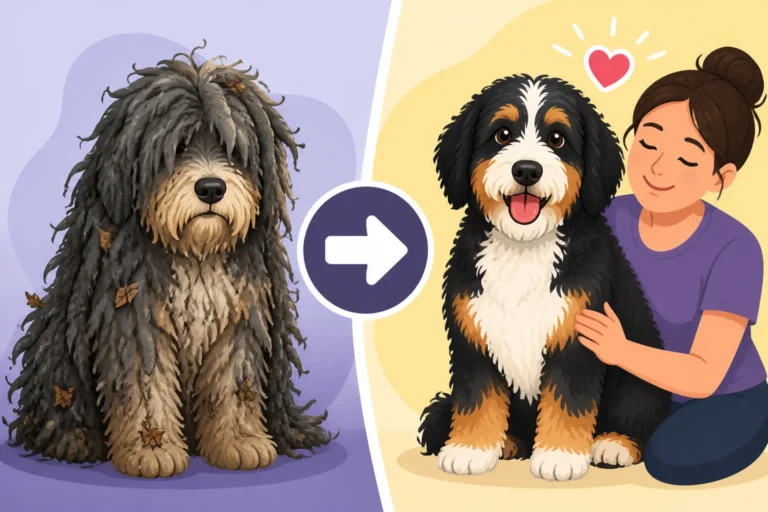
What the Tiny Bernedoodle Size Class Costs
When you dream of bringing home a Bernedoodle, it's often the images of those fluffy, friendly giants that come to mind. But what if your heart is set on something a little more petite, a companion that fits comfortably on your lap without crushing you? That's where the Tiny Bernedoodle comes in, an utterly charming pint-sized version that has captured so many hearts. However, the delightful small package often comes with a surprising and significant price tag that can catch prospective owners off guard. This guide will meticulously unpack the true costs associated with acquiring and caring for a Tiny Bernedoodle, from the initial investment to the often-overlooked ongoing expenses, ensuring you're fully prepared for this wonderful addition to your family.
Understanding the Upfront Price Tag of a Tiny Bernedoodle
It's a common misconception that smaller dogs automatically equate to smaller prices. With Tiny Bernedoodles, the opposite is usually true. You'll find yourself looking at figures that can feel astronomical, and there are very specific reasons for this premium pricing that go beyond just their undeniable cuteness.
Why Tiny Bernedoodles Command a Premium
The core reason Tiny Bernedoodles cost more than their standard or even mini counterparts lies in the intricate and often challenging breeding process. To produce a "Tiny" Bernedoodle, breeders typically use a Toy or Miniature Poodle as one parent, crossed with a smaller Bernese Mountain Dog or, more commonly, another generation of Bernedoodle that has already been carefully bred down in size. This isn't as simple as just breeding two small dogs together. Responsible breeding for size reduction requires careful genetic planning over multiple generations, often involving artificial insemination or smaller litter sizes. Each step in this process adds to the cost.
Consider, for example, the health screenings required for the smaller Poodle parent, which are just as rigorous as those for a Standard Poodle, but the pool of suitable, healthy, small-sized Bernese or Bernedoodle parents is much, much smaller. This scarcity drives up the value of healthy breeding stock. Furthermore, the gestation and whelping for tiny breeds can be more delicate, sometimes requiring veterinary intervention like C-sections, which adds significantly to a breeder's expenses. It's a labor of love that involves considerable expertise, time, and financial outlay to ensure healthy, well-tempered tiny pups.
Factors Influencing the Purchase Price Beyond Size
While size is a huge factor, it's not the only one. The coat type and color can also dramatically influence the price you'll pay for a Tiny Bernedoodle. For instance, a highly sought-after traditional tri-color coat, with its distinct black, white, and rust markings, often carries a higher premium because it's a recessive trait that requires specific genetic pairings to achieve consistently. Likewise, rare colors like merle, while beautiful, come with ethical considerations and associated higher costs due to the specialized breeding required to prevent health issues linked to the merle gene. Many people are also seeking a Bernedoodle that is truly non-shedding or as close to it as possible, which requires specific coat genetics, adding to the complexity and cost for breeders.
Beyond aesthetics, the generation of the Bernedoodle (F1, F1b, F2, Multigen) also plays a role. An F1b (first-generation backcross, typically a Bernedoodle bred back to a Poodle) might be more expensive if it offers a more predictable coat type and shed-level, which many allergy sufferers seek. The demand for specific generations or coat traits means that breeders can command higher prices for puppies that meet these desires. For more information, you can explore why a Mini Bernedoodle costs more than a Standard, as many of the same principles apply to the Tiny variety.
What to Expect from a Reputable Breeder
A significant portion of the cost of a Tiny Bernedoodle from a reputable breeder covers the extensive health testing and ethical breeding practices that are non-negotiable for responsible dog ownership. You should expect your breeder to provide proof of health clearances for both parent dogs, including hips, elbows, eyes, and genetic tests for common Bernese and Poodle ailments such as Von Willebrand's Disease and Degenerative Myelopathy. These tests are expensive, but they are crucial in minimizing the risk of your puppy inheriting debilitating conditions, saving you heartache and significant vet bills down the line. Asking a breeder about cancer in the Bernese line, for example, is a very valid question.
A reputable breeder will also invest in early socialization, proper nutrition for the mother and puppies, and a clean, stimulating environment. They will be transparent about their practices, eager to answer your questions, and willing to provide references. Expect them to have a comprehensive contract, a health guarantee, and a clear understanding of what a Bernedoodle health guarantee covers. While the initial sticker shock might be intense, remember that you are investing not just in a puppy, but in its foundational health and temperament, which ultimately contributes to a longer, happier life for your furry friend and fewer unexpected costs for you. The price of a Tiny Bernedoodle from a truly ethical, health-focused breeder can range significantly, but generally falls into the upper tier of Bernedoodle pricing. Do your research, ask detailed questions, and don't be swayed by suspiciously low prices, which often indicate corners have been cut.
| Bernedoodle Size Class | Typical Weight Range | General Price Range (Upfront) | Key Factors Influencing Cost |
|---|---|---|---|
| Standard Bernedoodle | 70-90+ pounds | Lower to Mid-Range | Coat color, breeder reputation |
| Mini Bernedoodle | 25-50 pounds | Mid to High-Range | Smaller size, coat type, generation |
| Tiny Bernedoodle | Under 25 pounds | High-Range to Premium | Smallest size, complex breeding, rare colors |
| Micro Bernedoodle | Under 15 pounds | Premium (often controversial) | Extreme small size, ethical concerns |
Note: Prices are estimates and vary wildly based on location, breeder, lineage, and demand. Always verify current prices directly with breeders.
Ongoing Costs: Keeping Your Tiny Bernedoodle Healthy and Happy
Bringing home a Tiny Bernedoodle is just the beginning of your financial commitment. While their smaller stature might suggest lower running costs, these little dogs still come with a host of ongoing expenses that conscientious owners need to budget for. From professional grooming to premium nutrition and essential healthcare, these costs add up over the years.
Grooming Expenses for a Small But Mighty Coat
Don't let the "tiny" in Tiny Bernedoodle fool you; their Poodle-derived coats require consistent, professional grooming, and neglecting it is simply not an option unless you want a matted, uncomfortable dog. Even a tiny Bernedoodle's coat, especially the curly or wavy type, is prone to matting close to the skin if not brushed regularly and clipped every 6-8 weeks. Think about all those cute little areas: behind the ears, in the armpits, and around their delicate paw pads – these are mat magnets. While you might try home grooming, which can save money, it's a significant time commitment and requires the right tools and skills.
Professional grooming for a Tiny Bernedoodle can cost more per session than you might imagine for such a small dog, often due to the intricate hand-scissoring and careful attention required for their unique coats. If you're wondering what a Bernedoodle groom costs every six weeks, it can easily add up to a substantial annual expense. A matted Bernedoodle can also incur additional "dematting" fees, or even require a full shave-down, which no one wants for their fluffy friend. Investing in good brushes and learning to line brush a Bernedoodle to the skin between professional appointments can help, but regular visits to a professional groomer are essential.
Feeding a Tiny Bernedoodle: Quality Over Quantity
While a Tiny Bernedoodle won't consume the sheer volume of food a Standard Bernedoodle does, the quality of their diet is just as critical, if not more so, given their often delicate systems. Premium small-breed dog food formulas are specifically designed to meet the nutritional needs of smaller dogs, providing concentrated nutrients in appropriately sized kibble. These foods often come at a higher price per pound than generic large-breed formulas, even if your monthly quantity is less. Brands like Ollie, known for its fresh, human-grade food options, might be a good choice for those prioritizing top-tier nutrition, but be prepared for the associated costs.
Beyond regular kibble or fresh food, you'll also factor in treats, dental chews, and possibly joint supplements, especially as your Tiny Bernedoodle ages. Some smaller dogs can be prone to dental disease, so good quality dental treats are a smart preventative measure. While the monthly cost of food might not break the bank, choosing a high-quality diet sets the foundation for your Bernedoodle's health and can help stave off future vet visits. You'll want to ensure you're feeding them appropriately, as an overweight Bernedoodle loses years off its life.
Veterinary Care and Insurance Considerations
Routine veterinary care is a non-negotiable expense for any dog, and Tiny Bernedoodles are no exception. This includes annual check-ups, vaccinations, parasite prevention (heartworm, flea, and tick), and regular dental cleanings as they get older. Don't forget spaying or neutering if you haven't already. While generally robust, Tiny Bernedoodles can inherit certain health predispositions from their Poodle and Bernese lineage, even if the cross aims to reduce these risks. Conditions like slipping kneecaps (luxating patella) are more common in smaller breeds, and addressing them can be costly.
This is where pet insurance becomes a wise investment. Many owners find peace of mind with policies from providers like Healthy Paws. Insuring a Bernedoodle puppy runs a monthly premium, but it can make a world of difference if an unexpected illness or accident occurs. Pet insurance can cover a significant portion of emergency vet bills, surgeries, and even some ongoing treatments, safeguarding your finances and ensuring your beloved Tiny Bernedoodle gets the best care possible without hesitation. When choosing a policy, look closely at what is covered, especially concerning breed-specific conditions or hereditary issues, and what the deductibles and reimbursement percentages are.
Hidden and Unexpected Costs to Prepare For
Beyond the predictable costs of food, grooming, and routine vet visits, there are often unforeseen or underestimated expenses that come with owning a Tiny Bernedoodle. Preparing for these can prevent financial stress and ensure you can provide a truly fulfilling life for your little companion.
Training and Socialization Investments
Even though they are small, Tiny Bernedoodles are intelligent dogs that thrive on mental stimulation and early training. Their Poodle heritage contributes to their smarts, but the Bernese side can sometimes add a streak of stubbornness. Investing in puppy classes and ongoing obedience training is crucial for shaping a well-mannered dog. Group classes can range in price, and private sessions with a professional trainer will be more expensive but might be necessary for specific behavioral challenges. Socialization, especially for a Bernedoodle puppy, is paramount to prevent shyness or fearfulness, which can lead to behavioral issues down the road.
Beyond formal classes, you'll want to budget for high-quality, engaging toys and puzzle feeders to keep their bright minds occupied, preventing boredom-related destructive behaviors. Remember, even a small dog can cause significant damage if bored and untrained. Consider toys from Chewy to keep your pup engaged and happy. Thinking about whether a Bernedoodle can be left for a workday? If so, you might also need to budget for a dog walker or doggy daycare to ensure they get enough mental and physical stimulation while you're away.
Supplies, Accessories, and Everyday Essentials
When you first bring home your Tiny Bernedoodle, you'll need a starter kit of essentials. This includes a properly sized crate, a comfortable bed, a leash and collar (or harness), food and water bowls, and a variety of toys. While individual items might not seem exorbitant, the cumulative cost of outfitting your home for a new puppy can be substantial. As they grow, you'll likely replace some items, like a larger crate or more durable toys.
Beyond the initial setup, there are ongoing supply costs. Potty pads for training, poop bags, enzymatic cleaners for accidents, and various grooming tools like brushes, nail clippers, and dog-specific shampoo and conditioner will become regular purchases. Don't forget occasional fun splurges like cute bandanas or seasonal outfits, especially for these adorable little pups! Think about all the things you buy for yourself; your Tiny Bernedoodle will have their own version of a shopping list.
Emergency Funds and End-of-Life Planning
One of the most crucial, yet often overlooked, "costs" of pet ownership is the creation of an emergency fund. Despite having pet insurance, there will likely be deductibles, co-pays, or treatments not fully covered. Accidents happen, sudden illnesses arise, and having readily available funds can make a huge difference in your ability to provide immediate and necessary care. Consider the potential for unforeseen health issues that may not be covered by standard genetic testing, or the cost of unexpected surgeries. The five clearances a Bernedoodle breeder should have help mitigate some risks, but no breeder can guarantee a dog will never have a medical emergency.
As your Tiny Bernedoodle ages, end-of-life planning becomes a compassionate, but financially significant, consideration. Senior dogs often require more frequent vet visits, specialized diets, joint supplements, or medications for conditions like arthritis in a Bernedoodle at eight. The costs for comfort care, and eventually, euthanasia and cremation services, should also be acknowledged and planned for as part of responsible pet ownership. It’s a somber thought, but one that every pet parent will face. Setting aside funds specifically for these later stages ensures that when the time comes, you can focus on providing comfort and love without added financial strain.
Disclaimer
This article is for general informational purposes only and does not constitute professional advice. Laws, prices and regulations vary by location and change over time. Consult a qualified professional for guidance on your specific situation.