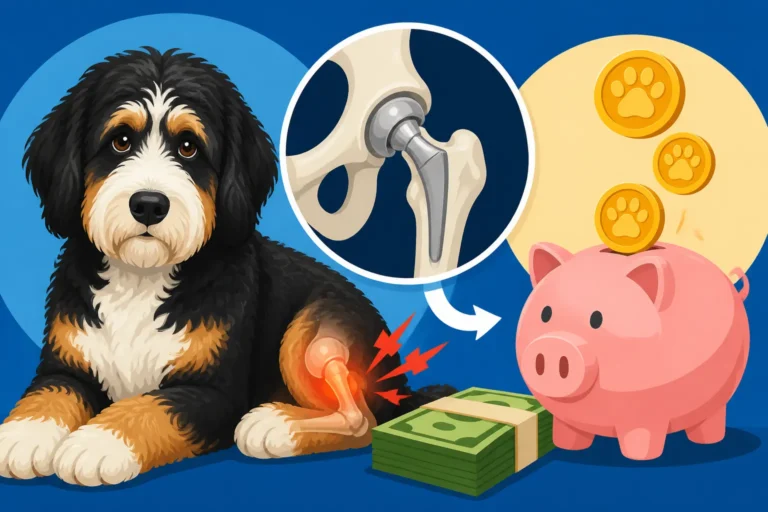
What a Bernedoodle Deposit Costs
Bringing a Bernedoodle into your life is an incredibly exciting prospect, filled with dreams of cuddles and playful antics. But before you even meet your furry friend, many hopeful owners hit a snag: the deposit. It can feel like a significant financial commitment upfront, especially when you're just starting your search and aren't entirely sure what it covers or why it's even necessary. This guide aims to demystify the Bernedoodle deposit, explaining why breeders ask for it, what you can expect to pay, and how to protect yourself in the process.
Understanding the Bernedoodle Deposit: Why It Exists
The deposit isn't just a random fee; it's a fundamental part of the ethical breeding process and serves several crucial purposes for both you and the breeder. It's the handshake, so to speak, that solidifies your intent to purchase a puppy from a specific litter or pairing. For many first-time Bernedoodle owners, this concept can be a bit new, especially if they've only ever adopted or acquired a pet without such a formal arrangement.
Securing Your Spot on the Waitlist
Imagine the demand for Bernedoodles, particularly well-bred ones from health-tested parents. Reputable breeders often have waitlists that stretch for months, sometimes even a year or more. A deposit is what moves you from an interested party to a committed future owner on that list. Without it, a breeder would be fielding countless inquiries with no real way to gauge genuine interest, making it impossible to plan for future litters or ensure their puppies find loving homes. It’s a way for them to manage demand and ensure that when a litter arrives, there are already families lined up who are serious about adoption.
This commitment helps breeders tremendously in their planning. They invest significant time, effort, and resources into each litter, from careful genetic selection of parent dogs to prenatal care for the mother and round-the-clock attention for newborn puppies. Knowing they have committed families for their pups allows them to dedicate themselves fully to this demanding work, confident that their efforts will lead to happy outcomes for both the puppies and their new families. It also helps manage expectations for families, giving them a tangible place in line rather than a vague hope.
Covering Breeder Costs and Mitigating Risk
A deposit isn't just about securing your puppy; it also helps cover the very real, and substantial, costs a responsible breeder incurs. Before a single puppy is even conceived, breeders spend thousands on health clearances for parent dogs – hips, elbows, eyes, genetic panels for conditions like Degenerative Myelopathy Both Bernedoodle Parents Can Carry and Von Willebrand's Disease in a Bernedoodle. Then there are stud fees, often running into the thousands for a quality sire, and specialized nutrition and veterinary care for the pregnant mother. These aren't small expenses; they're vital investments in the health and future of your puppy.
Beyond these upfront costs, a deposit helps mitigate the risk of last-minute cancellations. If a buyer pulls out just before pickup, especially after weeks of communication and planning, it leaves the breeder in a difficult position. They've already invested heavily in that puppy's care, not to mention turning away other potential families. A non-refundable deposit ensures that the breeder is compensated for some of these efforts and losses if a buyer decides not to proceed, or at least encourages serious consideration before committing. It creates a mutual understanding that this isn't a casual browsing experience but a significant decision with financial implications.
Typical Deposit Costs and Factors Influencing Them
When you start looking at Bernedoodle puppies, you’ll quickly notice that deposit amounts aren't uniform. There's a range, and understanding what influences that range can help you budget and identify reputable breeders. It’s rarely a flat fee across the board, but rather a reflection of various elements of the breeding program and the puppy itself.
The Range of Deposit Amounts You'll Encounter
Generally, Bernedoodle deposits are a significant portion of the total puppy price, often ranging from a few hundred dollars to sometimes over a thousand, depending on the breeder and the overall cost of the puppy. Think of it as putting down a down payment on a major purchase. This amount is typically deducted from the total price of your puppy, with the remaining balance due when you take your new Bernedoodle home. It’s not an extra fee; it's part of the full cost.
For example, if a standard Bernedoodle puppy is priced at several thousand dollars, a breeder might ask for a deposit that represents about 10-20% of that total. This ensures that the buyer is serious and has some skin in the game. It's not uncommon for deposits to be paid even before a specific puppy is chosen, especially if you're on a long waitlist for a particular color, size, or coat type. The deposit secures your place to choose, rather than a specific puppy right off the bat, as puppy selection usually happens a few weeks after birth. You might be asked to wait for a litter that produces a What a Traditional Tri Color Bernedoodle Looks Like or a particular size, like a mini or tiny.
What Makes a Deposit Higher or Lower
Several factors can influence the size of a Bernedoodle deposit. The most significant is often the reputation and demand for the breeder. Highly sought-after breeders, known for exceptional health clearances, strong pedigrees, and consistent temperaments, can command higher deposits simply because their puppies are in such high demand. They often have extensive waiting lists, and a higher deposit helps filter out less serious inquiries. You'll often see these breeders adhering to strict health testing protocols, like those discussed in The Five Clearances a Bernedoodle Breeder Should Have.
Geographic location also plays a role. In areas with a higher cost of living or greater local demand for Bernedoodles, both the overall puppy price and the deposit may be higher. Conversely, in regions with less demand or lower operational costs for breeders, deposits might be a bit more modest. Occasionally, the deposit might also reflect specific characteristics of the puppy, such as unique coloring like a Merle or Phantom, or if it's from a particularly desirable pairing of parent dogs. While the base deposit usually covers any puppy in the litter, some breeders might have a tiered pricing structure where a higher deposit is required for a specific, highly-coveted puppy.
Navigating Deposit Agreements and Protecting Your Investment
Paying a deposit is a financial commitment, and like any such commitment, it should be protected by clear communication and a solid agreement. It's not just about the money; it's about ensuring a smooth, ethical process for bringing your Bernedoodle home. Don't ever hesitate to ask questions or seek clarification.
The Importance of a Clear Deposit Contract
A reputable Bernedoodle breeder will always provide a detailed, written contract for your deposit. This isn't just a formality; it's your safeguard and a clear outline of expectations for both parties. The contract should explicitly state the deposit amount, whether it's refundable or non-refundable (most are non-refundable), and under what specific circumstances, if any, a refund or transfer to another litter might be considered. It should also clarify what happens if the desired sex, color, or coat type of puppy isn't available in the expected litter. For instance, what if you're set on a male and only females are born?
Crucially, the contract should also cover the breeder's responsibilities, including guarantees regarding the puppy's health, what health screenings the parents have undergone, and the timeline for puppy selection and pickup. Look for specifics on the health guarantee, particularly concerning genetic conditions common in the breed parents, like Hips on a Ninety Pound Bernedoodle or Elbow Dysplasia in a Growing Bernedoodle. If a breeder is vague, offers no written agreement, or pressures you for a deposit without one, consider that a major red flag. This transparency is a hallmark of ethical breeding practices.
What Happens If You Change Your Mind Or the Breeder Does
Most Bernedoodle deposits are explicitly stated as non-refundable, and this is standard practice in ethical breeding. The reason is simple: once you place a deposit, the breeder has reserved a spot for you, potentially turning away other interested families. Your commitment allows them to plan and invest in the litter without fear of last-minute financial loss. If you change your mind for personal reasons (e.g., your living situation changes, or you realize the full cost of What a Standard Bernedoodle Sells For is too much), you will almost certainly forfeit your deposit. This is why it's so important to be absolutely sure about your decision before placing any money down.
However, there are specific, limited scenarios where a reputable breeder might offer a refund or, more commonly, the option to roll your deposit over to a future litter. If, for example, the breeder is unable to produce a puppy at all (e.g., a litter doesn't take, or is much smaller than expected), they will typically offer you a spot on the next available litter or, in some cases, a full refund. Similarly, if a serious, unresolvable health issue is identified in your specific puppy before pickup, a good breeder will discuss options, which might include a refund or a different puppy. Always review the contract carefully for these specific clauses. Open communication with your breeder is key if unforeseen circumstances arise.
The Financial Big Picture: Beyond the Deposit
While the deposit is often the first financial hurdle, it's just the tip of the iceberg when it comes to the true cost of Bernedoodle ownership. Understanding the full financial commitment will help you prepare for a happy and healthy life with your new companion.
The Deposit as Just the First Step
Once your deposit is paid and your puppy is reserved, you'll still have the remaining balance of the puppy's purchase price to consider. This balance is typically due at or just before pickup, often when the puppies are around 8 weeks old. It's important to have these funds ready and accounted for, as a breeder will not release a puppy without full payment. This final payment marks the completion of the initial acquisition cost.
Remember that a Bernedoodle puppy, especially a well-bred one, represents a significant investment upfront, easily running into several thousand dollars. The deposit is simply the first installment. Think about the big picture, not just this initial sum. Factors like color, size, and generation (F1, F1b, etc.) can all influence the total cost of a mini Bernedoodle versus a standard, or The Premium a Tri Color Bernedoodle Carries. Ensure you’ve discussed the total price with your breeder and have it clearly stated in your contract.
Budgeting for the Long-Term with Your Bernedoodle
Bringing a Bernedoodle home is a decade-long (or more!) commitment, and the ongoing costs can quickly add up. Beyond the initial purchase, you'll need to budget for:
- Food: A standard Bernedoodle can eat a lot! Quality large-breed puppy and adult food is essential for their growth and health. Services like Chewy can be great for setting up auto-shipments to ensure you never run out, and sometimes offer discounts. If you're considering fresh food options like Ollie, be prepared for a higher monthly expenditure.
- Grooming: This is a non-negotiable for a Bernedoodle. Their unique coats require regular professional grooming every 6-8 weeks to prevent matting, which can cost anywhere from The Seventy to Hundred Fifty Dollar Bernedoodle Groom or more per session, depending on location and your dog's size/coat condition. Plus, you'll need brushes and combs for daily home maintenance.
- Veterinary Care: Routine check-ups, vaccinations, parasite prevention, and unexpected illnesses or injuries can be costly. Setting aside an emergency fund or investing in pet insurance is highly recommended. Providers like Healthy Paws offer coverage for accidents and illnesses, which can be a lifesaver when unexpected vet bills arise, helping you manage costs for potential issues like Bloat in a Standard Bernedoodle's Deep Chest or [Canine Hip Dysplasia].
- Training: Puppy classes, obedience training, and potentially behavioral consultations are crucial, especially with a large, intelligent breed.
- Supplies: Beds, crates, leashes, collars, toys, and chew items are all ongoing expenses.
Here's a quick look at some general categories of Bernedoodle ownership costs to help you think ahead:
| Cost Category | Initial Outlay (Approx.) | Recurring Monthly/Annual (Approx.) | Key Considerations |
|---|---|---|---|
| Purchase Price | Significant, several thousands | N/A | Deposit is usually part of this. |
| Food & Treats | $50-$100 | $80-$150+ monthly | Quality large-breed formulas, fresh food (e.g., Ollie) will be higher. |
| Grooming | $50 (starter brushes) | $70-$150+ every 6-8 weeks | Professional groomer essential; home grooming reduces but doesn't eliminate. |
| Vet Care | $200-$500 (initial puppy shots) | $300-$600+ annually (routine) | Vaccinations, deworming, annual check-ups, emergency fund. |
| Pet Insurance | N/A | $40-$100+ monthly | Highly recommended for large breeds; Healthy Paws is a popular choice. |
| Training | $150-$500 (puppy classes) | Varies (private lessons, advanced) | Crucial for a well-behaved large dog. |
| Supplies | $200-$500 (crate, bed, toys) | $30-$60+ monthly (replacements) | Durable toys, appropriate-sized crate. |
| Miscellaneous | Varies | $20-$50+ monthly | Boarding, daycare, unexpected expenses. |
This breakdown should give you a more complete financial picture, ensuring that you're not caught off guard by the costs beyond the initial deposit and purchase price. Responsible Bernedoodle ownership means being prepared for all stages of their life, both financially and emotionally.
Disclaimer
This article is for general informational purposes only and does not constitute professional advice. Laws, prices and regulations vary by location and change over time. Consult a qualified professional for guidance on your specific situation.