Whether a Bernedoodle Pulls Its Owner Over
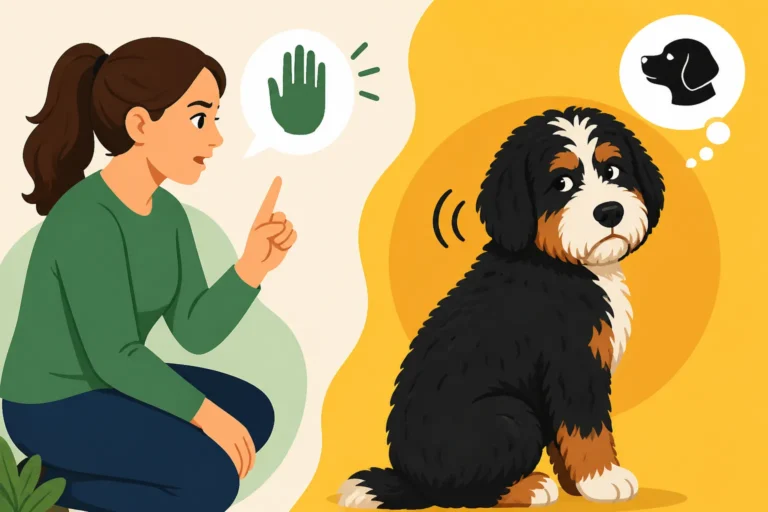
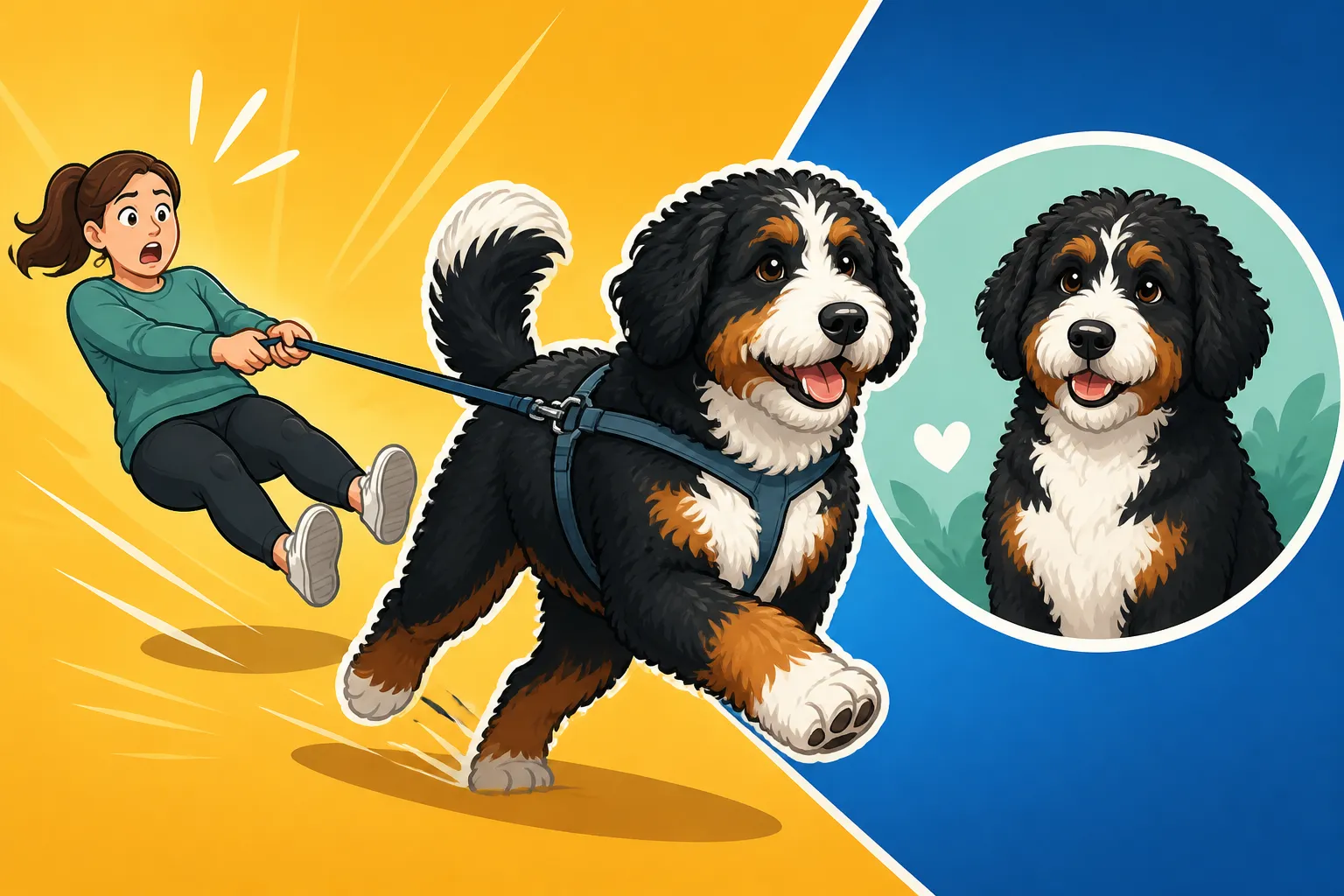
It's a common, and often frustrating, experience: you step out the door with your beloved Bernedoodle, ready for a peaceful walk, only to have them transform into a powerful, leash-pulling freight train at the sight of a squirrel, another dog, or just pure excitement. Many Bernedoodle owners find themselves dragged down the street, feeling more like a ragdoll than a confident handler, and it's not just annoying – it can be genuinely dangerous. This guide is here to tackle that very real struggle, offering practical advice on understanding why your Bernedoodle pulls and how to train them to walk calmly by your side.
Understanding the Bernedoodle's Strength and Drive to Pull
Let's be honest, those adorable Bernedoodle puppies grow into strong, robust dogs very quickly. A standard Bernedoodle can easily reach 70 to 90 pounds, or even more, and even the minis can pack a surprising amount of power. When a dog of that size decides to pull, it's not just a minor inconvenience; it's a force to be reckoned with. Understanding why they pull is the first step toward teaching them better manners.
The Bernese Mountain Dog's Influence on Pulling Power
The Bernedoodle's Bernese Mountain Dog parentage brings with it a long history of working strength. Bernese Mountain Dogs were originally bred in the Swiss Alps to be farm dogs, driving cattle, guarding property, and crucially, pulling carts. They are natural draft dogs, meaning they have an innate drive and physical capability to pull weight. This genetic predisposition doesn't just disappear in a crossbreed. That strong chest, powerful shoulders, and low center of gravity are still very much present in your Bernedoodle, even if their "cart" is just you on the other end of the leash. They don't mean to drag you; they're simply channeling generations of instinct and raw physical power. We often talk about The Draft Dog Work a Bernedoodle Can Still Do, and while most pet Bernedoodles won't be pulling dairy carts, that underlying drive is certainly there on your daily walk.
The Poodle's Energy and Bernedoodle Enthusiasm
Now, mix that Bernese strength with the Poodle's athleticism, intelligence, and often boundless energy, and you've got a potent combination. Poodles, especially Standard Poodles, are far from delicate lap dogs; they are active, intelligent, and highly capable working dogs. They love to move, explore, and engage with the world. Your Bernedoodle inherits this zest for life. When they see something exciting – a bird, another dog, a new smell – their Poodle-derived enthusiasm kicks in, amplified by their Bernese strength. It's a joyful, energetic surge that, without proper training, translates directly into a yank on the leash. They want to get to whatever caught their eye now, and they have the physical prowess to make a strong argument for it. This combination means that Whether a Bernedoodle Is as Goofy as People Say often comes with a side of boundless, sometimes overwhelming, energy on walks.
Why a Bernedoodle Might Pull
Beyond genetics, there are several very practical reasons why your Bernedoodle might be pulling you down the street:
- Excitement and Curiosity: This is perhaps the most common reason. The world is a fascinating place, full of sights, sounds, and smells. A Bernedoodle, with its intelligent and inquisitive nature, wants to investigate everything. That sudden lurch might be them catching a scent trail, spotting a distant dog, or just being overcome with the sheer joy of being outside.
- Lack of Early Leash Training: Many puppies aren't taught proper leash manners from the very beginning. If pulling has worked for them in the past (i.e., it gets them to where they want to go), they'll continue to do it. Habits, good or bad, start young.
- Desire to Greet: Bernedoodles are generally friendly dogs, and they often adore people and other dogs. When they see a potential friend, their immediate instinct is to rush over and say hello. They don't understand that they need to wait for your permission or maintain a polite distance.
- Prey Drive: Even if your Bernedoodle isn't a hunter, many dogs have a natural prey drive triggered by squirrels, rabbits, or even blowing leaves. That sudden burst of speed and power is them attempting to "catch" whatever moved.
- Under-Exercised or Under-Stimulated: A Bernedoodle with pent-up energy, both physical and mental, is more likely to pull. They're trying to burn off that energy, and pulling feels like a productive way to do it. Ensuring your Bernedoodle gets enough appropriate exercise is crucial, as detailed in The Exercise a Standard Bernedoodle Needs Daily.
- Simply Not Understanding: Often, dogs just don't understand what we want from them on the leash. We put a leash on, and they walk. If pulling gets them to places faster or allows them to explore more, they'll default to that behavior. They need clear, consistent communication.
Preventing and Addressing Pulling from a Young Age
Starting early is always best when it comes to training any dog, especially one that will grow to the size and strength of a Bernedoodle. Addressing pulling behaviors while your dog is still small can save you a lot of physical strain and frustration down the line.
Early Leash Introduction and Positive Reinforcement
The moment your Bernedoodle puppy comes home, you can begin making the leash and collar (or harness) a positive experience. Don't wait until their first walk outside. Start by simply putting on a lightweight collar for a few minutes indoors, rewarding them with treats and praise. Once they're comfortable with that, introduce a lightweight leash, letting them drag it around the house under supervision.
When you start actual leash training, the key is positive reinforcement. Every time the leash is loose, even for a second, mark that behavior with a verbal cue like "yes!" or a clicker, and immediately follow with a high-value treat. Walk a few steps, and if the leash remains loose, reward. If they pull, simply stop. Become a tree. Don't move forward until the leash loosens. The moment it slackens, even if just for a second, reward them and start walking again. This teaches them that a loose leash gets them to where they want to go. This consistent approach is vital for Leash Manners on a Bernedoodle Heading for Ninety Pounds. Remember to also keep puppy walks short to protect their developing joints, following guidelines like The Five Minute Rule on a Bernedoodle Puppy's Walks.
Consistent Training Techniques for Loose-Leash Walking
There are several proven techniques that, when applied consistently, can make a huge difference:
- The "Stop-and-Go" Method: As mentioned, this is fundamental. When your Bernedoodle pulls, stop immediately. Stand still. Don't say anything, don't yank back. Just wait. The instant they slacken the leash (even if they turn to look at you, or sit down), praise and reward them, then continue walking. If they pull again, stop again. This teaches them that pulling gets them nowhere, but a loose leash keeps the adventure going.
- Change of Direction: Another effective technique is to frequently change direction. If your Bernedoodle is forging ahead, simply turn and walk the other way. This forces them to pay attention to you and realize that you are leading the walk, not them. Each time they re-engage and walk nicely beside you after a direction change, reward them.
- Reward Proximity: Actively reward your Bernedoodle for walking near you. Keep treats handy and frequently drop them beside your leg when they are in the correct position. You can also use a "watch me" command to get their attention, rewarding them for making eye contact before continuing. Building this focus on you is critical, especially when addressing A Bernedoodle That Jumps on People or pulls to greet.
- Practice in Low-Distraction Environments: Start your training indoors or in a quiet backyard. Gradually introduce more distractions once your Bernedoodle understands the basics. A busy park is not the place to start if you haven't mastered loose-leash walking in a calmer setting.
- Short, Frequent Sessions: Dogs learn best in short, positive bursts. Aim for 5-10 minute training sessions multiple times a day rather than one long, tedious session. Keep it fun and engaging.
Equipment Choices to Aid Loose-Leash Walking
The right equipment can be a game-changer, but it's important to remember that equipment is a tool to aid training, not a substitute for it.
| Equipment Type | Description | Pros | Cons |
|---|---|---|---|
| Standard Flat Collar | Loops around the dog's neck. | Simple, common, good for ID tags. | Provides no leverage against pulling; can cause tracheal damage if dog pulls hard, especially for a strong Bernedoodle. Not recommended for primary walk control. |
| Back-Clip Harness | Clips on the dog's back, behind the shoulders. | Comfortable for the dog, good for dogs with neck issues, prevents tracheal damage. | Can encourage pulling by distributing the force across their chest, allowing them to lean into it like a draft animal. Less control for strong pullers. |
| Front-Clip Harness | Clips on the dog's chest. When the dog pulls, it redirects their body sideways, making it harder to pull forward effectively. | Very effective at reducing pulling, gentle on the dog's neck. Brands like those found on Amazon offer many options. | Can sometimes tangle legs if not fitted correctly; some dogs dislike the pressure on their chest. |
| Head Halter | Fits over the dog's nose and around the back of the head, similar to a horse halter. Controls the dog's head, and where the head goes, the body follows. | Excellent control, immediately reduces pulling, very safe for the dog's neck. | Some dogs initially resist wearing it; can look like a muzzle (though it's not); requires careful introduction. Brands like Gentle Leader are popular. |
| No-Pull Leashes | These are typically just standard leashes, but the key is to ensure it's a comfortable length (usually 6 feet) and made of durable material to withstand a strong dog's pull. | Durable, provides direct connection. | Only as effective as the training applied through it. |
For a Bernedoodle, a front-clip harness or a head halter is often the best choice to start. A front-clip harness, like many reliable options you can find on Amazon, gives you much more leverage without putting pressure on their sensitive throat. When they pull, it gently turns them sideways, making it less efficient for them to pull forward. For dogs that are truly powerful pullers, a head halter can offer immediate and significant control by guiding their head. Whichever you choose, ensure it fits properly and is introduced positively with treats to create a good association. The Harness That Holds a Ninety Pound Bernedoodle elaborates on the importance of proper fit and function.
Managing an Adult Bernedoodle That Already Pulls
It's easy to feel defeated if you have an adult Bernedoodle who has developed a strong pulling habit. Perhaps you adopted them as an adult, or maybe the puppy training didn't stick. The good news is that it's absolutely possible to teach an old dog new tricks! It just requires patience, consistency, and often, a bit more strategic effort.
Re-establishing Leash Manners: It's Never Too Late
If your adult Bernedoodle is already a seasoned puller, you need to go back to basics, treating them almost like a puppy again regarding leash manners. This means dedicating time to focused training sessions, even if it feels repetitive.
- Reset Expectations: Understand that progress might be slow, especially if the habit is deeply ingrained. Celebrate small victories – a few steps of loose leash, a moment of eye contact in a distracting environment.
- The "Zero Tolerance" Policy: For a few weeks or even months, every walk needs to be a training session. This means no letting them pull "just this once" to get to the dog park, or "just to sniff that bush." Inconsistency is the enemy of training. If they pull, you stop. Every single time.
- Practice Indoors First: If outdoor walks are too overwhelming, start practicing inside your home or in a quiet, fenced yard. This allows your Bernedoodle to focus purely on you without the myriad of external distractions. Gradually introduce more stimulating environments.
- Use High-Value Rewards: What motivates your Bernedoodle? Is it a squeaky toy? Small pieces of cheese? Cooked chicken? Whatever it is, use it! The higher the value of the reward, the more motivated your dog will be to perform the desired behavior.
- Short, Focused Walks: Instead of long, frustrating pulls, opt for shorter, more controlled walks where you can actively manage the leash and reward good behavior. You can supplement these with off-leash play in a safe, fenced area to meet their exercise needs without the leash tension.
Advanced Training and Professional Help
Sometimes, despite your best efforts, you might feel stuck. This is where professional help can be invaluable.
- Certified Professional Dog Trainers (CPDTs): A good trainer can observe your Bernedoodle's specific pulling triggers and provide tailored strategies. They can also teach you how to refine your timing, leash handling, and reward delivery. Look for trainers who use positive reinforcement methods. Many offer group classes for Putting a Bernedoodle Through a Group Class, which can also help with socialization, or private sessions for more focused attention.
- Online Training Programs: For those who prefer to work at their own pace or have limited access to in-person trainers, structured online programs can be incredibly helpful. Services like BAXTER & Bella offer comprehensive puppy and adult dog training curricula, often including loose-leash walking, with guided videos and support. This can be a great way to gain expert guidance from the comfort of your home.
- Consider Behaviorists for Severe Cases: If pulling is accompanied by reactivity (barking, lunging at other dogs or people), a certified veterinary behaviorist might be needed to address underlying anxiety or aggression issues that contribute to the pulling.
Exercise and Mental Stimulation to Reduce Pulling
A tired Bernedoodle is often a well-behaved Bernedoodle. Physical exercise is crucial for a large, active breed like this, but don't underestimate the power of mental stimulation.
- Adequate Physical Exercise: Ensure your Bernedoodle gets enough outlets for their energy. This might mean long walks (once leash manners are improving), fetch in the park, swimming, or even dog sports like scent work or rally. A dog that has had its physical needs met is less likely to feel the overwhelming urge to pull. Remember that The Exercise a Standard Bernedoodle Needs Daily is significant, and puppies have specific limits on how much they should exert themselves.
- Mental Stimulation: Poodles are highly intelligent, and Bernedoodles often inherit this brainpower. Mental exercise can be just as tiring as physical exercise, if not more so. Incorporate puzzle toys, scent games (hiding treats for them to find), training new tricks, or even just short, focused obedience sessions. A mentally engaged dog is less likely to be bored and therefore less likely to seek out exciting distractions by pulling on the leash.
- Structured Play: Engage your Bernedoodle in structured play sessions. Tug-of-war is fine, but teach them to "drop it" on command. This builds impulse control, which translates to better leash manners.
Safety Considerations for Owners and Bernedoodles
Being pulled over by a large, powerful dog is no joke. It can lead to serious injuries for the owner and, less obviously, can also impact the Bernedoodle's health. Taking precautions and being realistic about capabilities is essential.
Preventing Falls and Injuries
The sheer force of a Bernedoodle pulling can knock an unsuspecting owner off their feet. This risk is amplified if you are elderly, have balance issues, or are walking on uneven terrain.
- Appropriate Footwear: Always wear sturdy, non-slip shoes when walking your Bernedoodle, especially if they are a known puller. Flip-flops or slick-soled shoes are an accident waiting to happen.
- Leash Handling: Never wrap the leash around your hand or wrist. A sudden pull could cause rope burns, sprains, or even fractures. Instead, hold the leash firmly with your hand through the loop, allowing for a quick release if necessary (though ideally, you're not in a situation where you need to drop the leash).
- Awareness of Surroundings: Be hyper-aware of your environment. Look ahead for potential triggers – other dogs, people, wildlife – and proactively manage your Bernedoodle before they have a chance to pull. If you see a distraction coming, preemptively ask for a "sit" or "watch me," and reward them heavily for staying focused on you.
- Walking Surface: Be mindful of slippery surfaces like ice, wet leaves, or uneven pavement, where a sudden pull could easily cause a fall.
- Consider a Walking Buddy: If your Bernedoodle is very strong, consider walking with another adult for support, at least until their leash manners improve. For some, a Bernedoodle can be Whether a Bernedoodle Is Too Much Dog for a Novice if not adequately prepared for their size and strength.
Protecting Your Bernedoodle's Joints from Pulling
It's not just the owner at risk. Constant pulling can also be detrimental to your Bernedoodle's physical health, particularly their neck and joints.
- Neck Strain and Injuries: Continuous pressure on a flat collar can lead to tracheal damage, neck pain, and even exacerbate conditions like intervertebral disc disease. The pressure can also affect the thyroid gland. This is why a front-clip harness or a head halter is often recommended for strong pullers, as they distribute pressure more safely.
- Joint Impact: While less direct, constant jerking and sudden stops from pulling can put strain on a dog's shoulders, elbows, and hips over time. Bernedoodles are already prone to certain joint issues like Hips on a Ninety Pound Bernedoodle and Elbow Dysplasia in a Growing Bernedoodle due to their large size and Bernese heritage. Minimizing unnecessary impact is crucial for their long-term orthopedic health. Ensuring a good fitting harness, such as The Harness That Holds a Ninety Pound Bernedoodle, can help distribute pressure safely.
Understanding Your Physical Limits
Owning a large, powerful dog like a Bernedoodle requires a realistic assessment of your own physical capabilities. If you are a smaller person, an older individual, or someone with pre-existing physical conditions, managing a pulling Bernedoodle can be particularly challenging.
- Be Honest with Yourself: There's no shame in admitting that a 90-pound dog pulling is too much for you to safely handle. If you're consistently being pulled off balance or fear going on walks, it's time to re-evaluate your strategy.
- Utilize Equipment Fully: Don't be too proud to use a head halter or a particularly effective front-clip harness if it means safer, more enjoyable walks for both of you.
- Enlist Family Help: If other family members are capable, share walking duties. Consistency across handlers is important for training.
- Professional Intervention is Key: If you genuinely cannot manage your Bernedoodle's pulling, professional training is not a luxury, but a necessity for safety and quality of life for both you and your dog. Raising a Bernedoodle Puppy That Will Outweigh You highlights the foresight needed from puppyhood.
- Consider a Doggie Daycare or Walker: On days you can't manage, a reputable dog walker or daycare can provide necessary exercise in a controlled environment. However, ensure they understand and reinforce your loose-leash walking rules.
Ultimately, preventing and managing a Bernedoodle that pulls is a journey of patience, consistency, and understanding. It's about building a strong, clear line of communication with your canine companion so that your walks can be a joyful, rather than stressful, experience for everyone involved.
Disclaimer
This article is for general informational purposes only and does not constitute professional advice. Laws, prices and regulations vary by location and change over time. Consult a qualified professional for guidance on your specific situation.