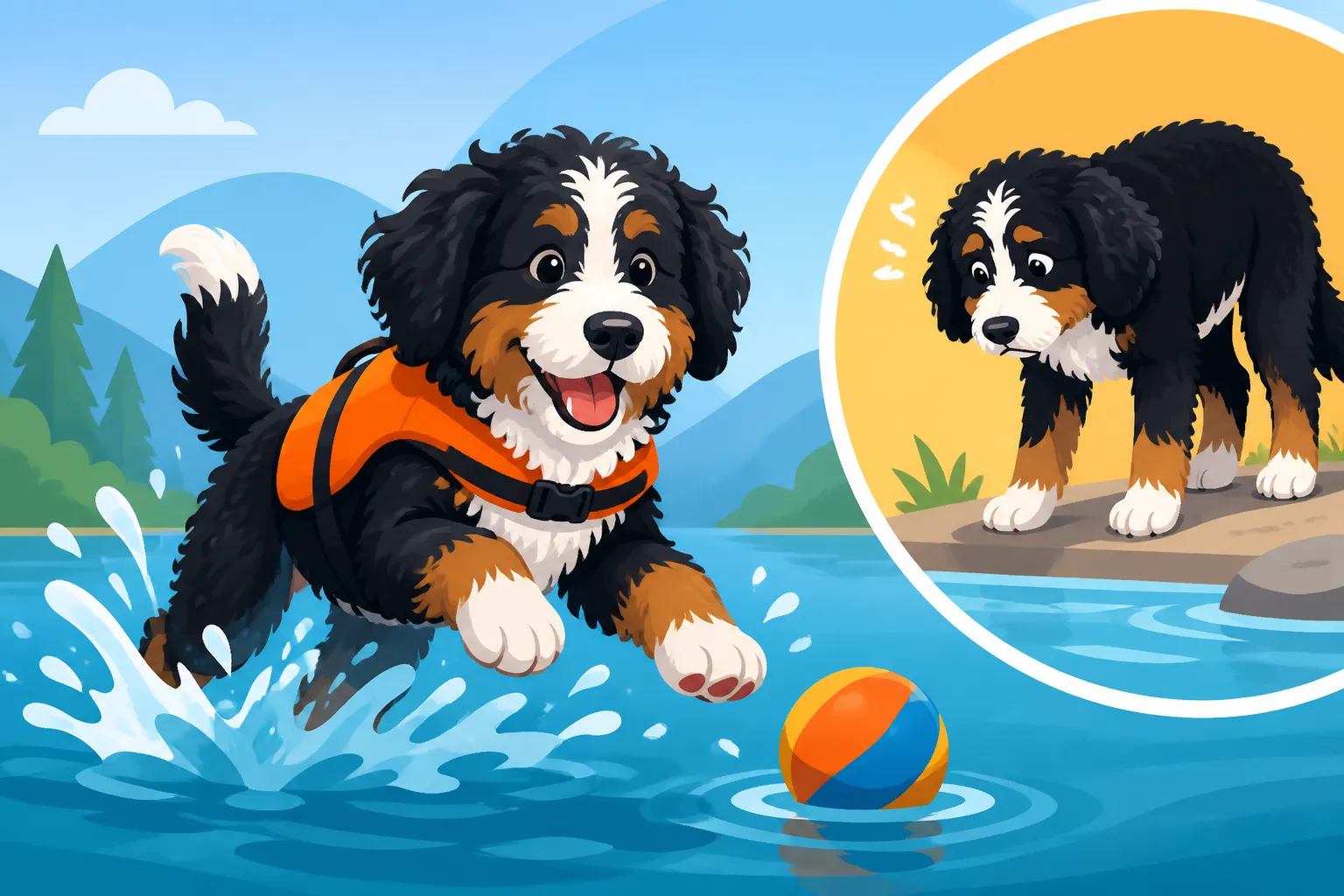
Whether a Bernedoodle Takes to the Water
It's a familiar scene: the sun is shining, the lake is calling, and you're picturing your beloved Bernedoodle joyfully splashing through the waves. But then reality sets in. With their fluffy coats and sometimes reserved nature, many Bernedoodle owners find themselves wondering if their furry friend will actually embrace the water with enthusiasm, or if it will be a battle of wills. This guide is here to walk you through everything you need to know about Bernedoodles and water, helping you understand their natural inclinations and how to safely introduce them to aquatic fun.
Bernedoodles and Their Aquatic Ancestry
When we talk about whether a Bernedoodle "takes to the water," we're really looking at a fascinating genetic lottery, drawing from two very different worlds: the Poodle and the Bernese Mountain Dog. Understanding these foundational breeds gives us a huge clue as to why your Bernedoodle might be a natural-born swimmer, or prefer to be your dedicated beach-side supervisor.
The Poodle's Natural Affinity for Water
On one side of the family tree, you have the Poodle, a breed historically known as a water retriever. In fact, their very name is thought to come from the German word "Pudel," which means "to splash" or "puddle." Poodles were originally bred to retrieve waterfowl for hunters, which means they were perfectly designed for the job. Their unique, curly coat, often clipped into the distinctive "poodle clip," wasn't just for show; it was designed to protect their joints and vital organs from cold water while allowing them freedom of movement and reducing drag. They're typically agile, intelligent, and possess a strong drive to retrieve, all qualities that make them excellent swimmers. Many Poodles will dive into any body of water with unbridled joy, seeing it as an extension of their playground.
The Bernese Mountain Dog's Reserved Nature
Then, you have the Bernese Mountain Dog, a majestic breed originating from the Swiss Alps. These dogs were bred for much different work: herding livestock, pulling carts, and guarding farms. Their history is deeply rooted in land-based activities, in often rugged and cold terrain. While they certainly appreciate snow and cooler temperatures, swimming wasn't a primary part of their job description. Bernese Mountain Dogs tend to be more deliberate and sometimes a bit reserved, especially when encountering new or unfamiliar situations. Their heavy, thick double coat, while beautiful and protective against cold mountain air, can become incredibly waterlogged and heavy, making sustained swimming quite an effort. It’s not uncommon for a Bernese to wade up to their chest, enjoying a cool dip, but not necessarily to strike out for a long swim.
The Bernedoodle's Mixed Bag of Water Traits
So, what does this mean for your Bernedoodle? It means they are truly a wonderful mixed bag! You might have a Bernedoodle that inherits the Poodle's enthusiastic, athletic swimming prowess, plunging into lakes and pools with wild abandon. Or, you might have one that takes after their Bernese side, enjoying a gentle paddle in shallow water but preferring to stay mostly on dry land. It's also entirely possible you'll have a Bernedoodle that's somewhere in the middle – curious about water, willing to try it, but perhaps not as naturally gifted or obsessed as a purebred Poodle might be. The beauty of the Bernedoodle is their individuality, and their relationship with water is a perfect example of that. Don't go into it expecting one outcome; be open to whatever your unique pup decides.
Factors Influencing a Bernedoodle's Water Affinity
It's not just about genetics; several other factors play a significant role in whether your Bernedoodle becomes a water dog or a landlubber. These can include everything from their earliest experiences to their specific physical traits. As owners, understanding these elements can help us foster a positive relationship with water for our furry companions.
Early Exposure and Socialization
One of the biggest predictors of a dog's comfort with water is their early exposure to it. A Bernedoodle puppy who is introduced to water in a calm, positive, and playful way from a young age is much more likely to develop a lifelong enjoyment of it. Think gentle dips in a shallow kiddie pool, or walking through puddles on a warm day. If their first experience with water is overwhelming, frightening, or forced, it can create a lasting aversion. This is similar to how crucial Socializing a Bernedoodle Before Twelve Weeks is for their general confidence in the world. Positive associations are key. If they associate water with fun toys and tasty treats, they're much more likely to embrace it.
Individual Personality and Temperament
Just like people, every Bernedoodle has their own unique personality. Some are naturally bold, adventurous, and curious, always eager to try new things and explore unfamiliar environments. These are the pups that are more likely to cannonball into the lake (metaphorically speaking!). Others are more reserved, cautious, or even timid. A Bernedoodle with a more Whether a Bernedoodle Is Naturally Reserved personality might need a slower, more patient introduction to water, perhaps preferring to watch from the sidelines before dipping a paw in. It's vital to respect your individual dog's temperament and never force them into a situation that makes them uncomfortable or fearful. Pushing them too hard can create trauma and make them permanently afraid of water.
Coat Type and Physical Build
A Bernedoodle's coat can vary wildly, from curly Poodle-like hair to wavy, or even straighter Bernese-like fur. This can definitely impact their comfort in water. A very dense, heavy coat, much like the Bernese Mountain Dog's, can become incredibly saturated and heavy when wet. This can make swimming more physically demanding and less enjoyable, almost like trying to swim with a weighted blanket on. Even their generally thick Poodle-blend coats, which are often described in articles like The Coat a Bernedoodle Gets From Two Heavy Coated Parents, will require thorough drying after any water activity to prevent skin issues.
Beyond the coat, a Bernedoodle's physical build can also play a role. Standard Bernedoodles are large dogs, often weighing between 70-90 pounds, and they have the deep chests characteristic of both parent breeds. While Poodles are built lean and agile for water work, the Bernese side can bring a slightly heavier, stockier build. This combination can make some Bernedoodles less streamlined swimmers compared to, say, a Labrador Retriever. Their large size also means they need more strength to propel themselves through water, and special considerations apply if they have a deep chest, which is known to put them at risk for serious conditions like Bloat in a Standard Bernedoodle's Deep Chest after vigorous exercise or eating, making post-swim rest important.
Introducing Your Bernedoodle to Water Safely
So, you've decided to introduce your Bernedoodle to water. Fantastic! This can be a wonderful, enriching experience for them, but safety and a positive approach are paramount. Rushing things or making it a stressful event will likely backfire. Let's talk about how to do it right, turning potential apprehension into happy splashes.
Starting Small and Positive
The first step is always to start small and keep it positive. Don't take your Bernedoodle straight to the crashing waves of the ocean or the deep end of a pool. Begin with a very shallow, calm body of water. A kiddie pool in your backyard is absolutely ideal. Fill it with just a few inches of lukewarm water – enough for them to walk through and splash, but not so much that they feel overwhelmed. Toss in some of their favorite buoyant toys or high-value treats to encourage them to investigate. You can even sit down with them, gently splashing your own hands to show them it's fun and safe.
Another great option is a very shallow, calm lake or stream where they can wade in gradually. Look for areas with a gentle slope and a firm, non-slippery bottom. Let them set the pace. If they only want to dip their paws, that's perfectly fine! Celebrate every small step they take towards the water. Remember, the goal is to build positive associations, not to turn them into an Olympic swimmer overnight. Patience is your best friend here.
Essential Safety Gear: The Life Jacket
Regardless of whether your Bernedoodle seems to be a natural swimmer or more hesitant, a well-fitting dog life jacket is a non-negotiable safety item for any substantial water activity. Even strong swimmers can tire, get disoriented, or encounter unexpected currents. A life jacket provides crucial buoyancy, helps keep their head above water, and often includes a sturdy handle on the back, which is invaluable for guiding them, lifting them out of the water, or helping them if they get into trouble.
When choosing a life jacket, ensure it fits snugly but comfortably. It shouldn't impede their movement, but it also shouldn't be loose enough to slip off. Many excellent options are available, and you can find a wide variety of sizes and styles on Amazon that are specifically designed for larger breeds. Look for bright colors for visibility and strong buckles. Even if your Bernedoodle takes to water like a duck, having that extra layer of safety brings incredible peace of mind for both of you. It's an investment in their safety and your stress levels.
Never Force It and Watch for Cues
This point cannot be stressed enough: never force your Bernedoodle into the water. Forcing them can lead to fear, panic, and potentially a lifelong aversion. It can also be dangerous if they thrash and struggle. Instead, entice them. Use toys, treats, and your calm, encouraging voice. If they seem hesitant, let them observe from the sidelines. Maybe another confident dog in your household or a friend's dog can show them how much fun it is.
Pay close attention to their body language. Are their ears back, tail tucked, or are they trying to pull away? These are clear signs of discomfort or fear. On the other hand, a wagging tail, loose body, and curious sniffing indicate they're open to the experience. If they seem stressed, take a break. End the session on a positive note, even if it just means splashing their paws in a bowl, and try again another day. Building Confidence in a Timid Bernedoodle is a slow process, and water introduction is no different. Your patience will pay off in the long run.
Making Water Fun and Safe for Your Bernedoodle
Once your Bernedoodle is comfortable around water, the real fun can begin! But even for seasoned water dogs, safety should always remain the top priority. There are many ways to enjoy water activities together, ensuring both enjoyment and well-being.
Engaging Water Activities
For those Bernedoodles who embrace the water, there's a whole world of fun to explore beyond just swimming. Fetch in shallow water with a floating toy is a fantastic way to combine exercise and mental stimulation. Many dogs love chasing a ball or bumper that bobs on the surface. You can also try simple games like "find the treat" where you toss some dog-friendly, waterproof treats into shallow water for them to sniff out.
Paddleboarding or kayaking can be incredible adventures for Bernedoodles, especially those who enjoy being close to their people. With a good life jacket, they can sit or lie on the board/kayak, enjoying the ride and even occasionally dipping a paw in. Just be sure to practice on calm waters first, allowing them to get comfortable with the motion before venturing further out. For those more agile pups, some Bernedoodles might even enjoy dog-friendly hydrotherapy pools, offering low-impact exercise that's excellent for their joints, which is especially important for a large breed dog.
Essential Post-Swim Care
After any water activity, especially in natural bodies of water, post-swim care is critical for your Bernedoodle's health. Their beautiful, thick coats can hold onto moisture, debris, and even unwanted microorganisms. First and foremost, a thorough rinse with clean, fresh water is essential to remove any chlorine, salt, sand, or pond scum from their coat and skin.
Next comes the drying, which, with a Bernedoodle's dense coat, is no small feat. Neglecting to dry them properly can lead to skin irritation, hot spots, or even fungal infections. Pay special attention to their ears, which, as a drop-ear breed, are particularly prone to Ear Infections in a Bernedoodle's Drop Ear. Gently cleaning and thoroughly drying their ears after every swim with a veterinarian-approved ear cleaner can prevent a lot of discomfort down the line. A high-velocity dryer, often available on Amazon or through professional groomers, can be incredibly helpful for getting their thick coat dry right down to the skin. Remember, this is part of the regular care that articles like How Often a Bernedoodle Should Be Brushed and Bathing and Drying a Ninety Pound Bernedoodle often highlight.
Recognizing and Preventing Overheating
While water can be a fantastic way for your Bernedoodle to cool off, it's not a foolproof shield against overheating, especially for a dog with a thick coat and a predisposition to getting warm. Bernedoodles, particularly those with darker coats, can struggle in hot weather, as discussed in topics like Why a Black Tri Bernedoodle Overheats.
Always monitor your dog for signs of overheating, even when they're in the water. Excessive panting, lethargy, bright red gums, or stumbling are all red flags. Ensure they have access to fresh drinking water at all times, not just lake or pool water. Take frequent breaks from intense activity, especially during the hottest parts of the day. Consider water activities during cooler morning or evening hours, and always provide shade when resting. Even in water, a Bernedoodle can exert themselves and overheat, so active supervision and understanding the Signs a Bernedoodle Is Overheating are critical for their well-being.
| Bernedoodle Water Readiness Indicators | Description | Action for Owners |
|---|---|---|
| Enthusiastic & Curious | Approaches water willingly, wags tail, investigates with nose. | Encourage with toys/treats, ensure safety gear (life jacket), supervise closely. |
| Cautious & Reserved | Observes from a distance, dips paws tentatively, may back away. | Start with shallow, calm water (kiddie pool), don't force, use positive reinforcement, consider online training tips from BAXTER & Bella. |
| Fearful & Anxious | Ears back, tail tucked, actively tries to avoid or escape water. | Stop immediately, do not force. Re-evaluate approach, consult a trainer for desensitization if desired. |
| Strong Swimmer (Poodle Influence) | Confident, strong strokes, enjoys retrieving in water. | Always use a life jacket for extended swims, watch for fatigue, provide cool-down breaks. |
| Heavy Coated (Bernese Influence) | Coat quickly saturates and becomes heavy, may struggle with buoyancy. | Life jacket is crucial. Keep sessions shorter, focus on wading, thorough drying is essential. |
Knowing When to Call It a Day
Just as important as knowing how to introduce your Bernedoodle to water is knowing when to end the activity. Over-exercising, especially in water, can lead to exhaustion, muscle strain, or even issues like water intoxication (though rare, it can happen if a dog ingests too much water while playing). Watch for signs of fatigue: slower movements, heavy panting even after a rest, or a lack of interest in toys they usually love.
Always ensure your Bernedoodle has a comfortable, shaded place to rest and plenty of fresh water to drink after their swim. If you're spending a day at the beach or lake, plan for downtime. Remember that mental stimulation and rest are just as important as physical activity. The goal is a happy, healthy Bernedoodle who looks forward to their next splash, not one who is overtired or dreads the experience. Many of the principles for managing their general energy, like The Exercise a Standard Bernedoodle Needs Daily, apply to water activities as well—moderation is key.
Disclaimer
This article is for general informational purposes only and does not constitute professional advice. Laws, prices and regulations vary by location and change over time. Consult a qualified professional for guidance on your specific situation.