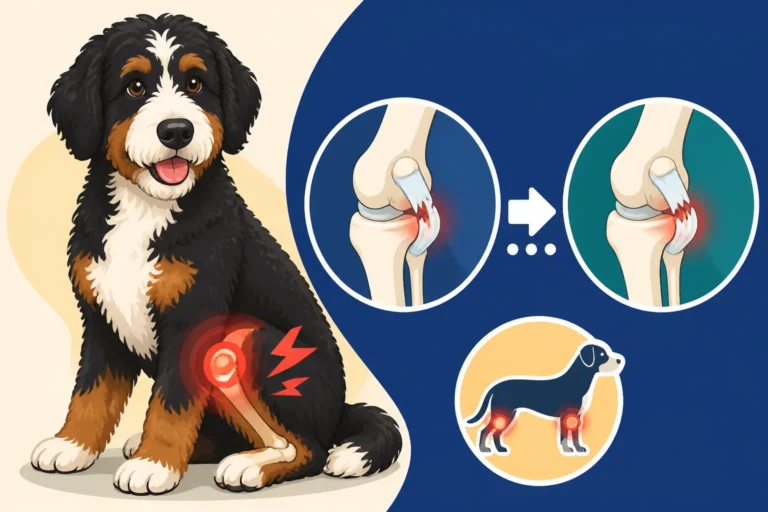
Histiocytic Sarcoma and Whether a Bernedoodle Escapes It
The fear that grips any dog owner when they hear the word "cancer" is profound, but for those of us who adore Bernedoodles, there's an extra layer of anxiety stemming from their Bernese Mountain Dog heritage. Knowing that Bernese are tragically susceptible to an aggressive cancer called Histiocytic Sarcoma can cast a long shadow over the joy our Bernedoodles bring. This guide aims to shed light on what Histiocytic Sarcoma is, how it affects Bernedoodles, and what steps you can take to understand and potentially mitigate this frightening risk.
Understanding Histiocytic Sarcoma: A Silent Threat
Histiocytic Sarcoma is a terrifying disease, precisely because of its aggressive nature and the speed at which it can advance. For Bernedoodle owners, understanding this particular cancer is crucial, given its notorious prevalence in one of their parent breeds. It's not just "cancer"; it's a specific, virulent type that demands attention and informed awareness.
What Exactly Is Histiocytic Sarcoma?
At its core, Histiocytic Sarcoma (often abbreviated as HS) is a malignant tumor arising from histiocytes, which are a type of immune cell found throughout the body. Think of them as part of your dog's defense system, roaming around, ready to engulf foreign invaders. Unfortunately, when these cells go rogue, they can multiply uncontrollably and form aggressive tumors. What makes HS particularly insidious is its ability to pop up almost anywhere. It can appear as a solitary mass in one organ, or, more commonly and more devastatingly, it can spread rapidly throughout multiple organs simultaneously, making it incredibly difficult to treat. It's a disease that often presents subtly at first, mimicking less serious ailments, until it gains a critical foothold.
The Different Forms of Histiocytic Sarcoma
HS isn't a one-size-fits-all diagnosis; it typically manifests in a couple of different forms, each with its own grim implications. The most common presentation in Bernese Mountain Dogs, and therefore a major concern for Bernedoodles, is the disseminated or systemic form. This is where the cancer is already widespread by the time it's detected, often affecting multiple internal organs like the spleen, lymph nodes, lungs, bone marrow, and liver. Imagine a wildfire spreading rapidly through a forest; that's often what systemic HS is like inside a dog's body. These dogs might show vague symptoms like lethargy, loss of appetite, or weight loss, making early diagnosis a real challenge.
Then there's the localized form, which, as the name suggests, starts as a single tumor in one area. This could be in the skin (cutaneous HS) or within a joint, such as the elbow or stifle (articular HS). While a localized tumor might offer a slightly better prognosis if caught extremely early and removed aggressively, it still has a significant risk of metastasizing and becoming systemic. It’s a race against time, and unfortunately, this race is often lost due to the aggressive nature of the cells themselves. Even with clean surgical margins, those rogue cells can already be lurking elsewhere.
Why the Bernese Mountain Dog is So Prone
This is where the heart of the matter lies for Bernedoodle parents. The Bernese Mountain Dog has a tragically high predisposition to Histiocytic Sarcoma, a genetic flaw that has plagued the breed for decades. It's estimated that a significant percentage of Bernese Mountain Dogs will develop some form of cancer in their lifetime, and HS is one of the leading culprits. Researchers believe there's a strong genetic component at play, meaning certain genes within the Bernese lineage make them far more susceptible than other breeds. This isn't just bad luck; it's a deeply entrenched genetic vulnerability that has been passed down through generations.
This genetic predisposition means that even well-bred Bernese Mountain Dogs from lines with no known cancer history can still develop HS. It's an ever-present specter, a heartbreaking reality for anyone who loves these gentle giants. Understanding this inherent risk in the Bernese parent is crucial to appreciating the potential challenges faced by their Bernedoodle offspring. In many ways, the very drive to create the Bernedoodle cross was to address these severe health concerns inherent in the Bernese.
The Bernedoodle Connection: Does Hybrid Vigor Help?
When you choose a Bernedoodle, there’s often a quiet hope that you’re getting the best of both worlds: the charming personality of the Bernese and the longevity and intelligence of the Poodle, with fewer of the health problems that plague purebreds. But when it comes to a specific, genetically-linked killer like Histiocytic Sarcoma, does that "hybrid vigor" truly protect our beloved doodles?
Inheriting Risk: The Bernese Lineage in Bernedoodles
The simple truth is, your Bernedoodle gets half of its genetic blueprint from a Bernese Mountain Dog. This means that they inherit a significant portion of the Bernese's genetic traits, both good and bad. If the Bernese parent carries the genetic markers that predispose them to Histiocytic Sarcoma, then there's a 50% chance your F1 Bernedoodle puppy will also inherit those same genetic tendencies. It’s not a guarantee they’ll get cancer, but it absolutely means the risk factor is present and cannot be ignored.
Think of it like this: if one of your human parents has a strong family history of a specific genetic illness, even if you look more like your other parent, you still carry that potential risk from the first parent. The Bernedoodle isn’t an entirely new species; it’s a direct descendant, carrying the DNA of both breeds. This is why asking a breeder about cancer in the Bernese line is so vital. Reputable breeders should be transparent about the health history of their parent dogs, especially the Bernese side, which carries a higher incidence of diseases like Histiocytic Sarcoma.
The Hybrid Vigor Debate: Fact or Fiction for Cancer?
Ah, hybrid vigor. It's a beautiful concept, isn't it? The idea that crossing two distinct breeds can result in offspring that are genetically healthier, stronger, and more resilient than either parent. And in many cases, it holds true! Genetic diversity can indeed reduce the likelihood of recessive genetic diseases that are common in both parent breeds. However, the picture gets a bit murky when we talk about a highly prevalent, polygenic cancer like Histiocytic Sarcoma in the Bernese.
While the Poodle genes might introduce some genetic diversity, it doesn't automatically "dilute" or "erase" the Bernese's strong predisposition to HS. It can potentially reduce the overall risk compared to a purebred Bernese, but it doesn't eliminate it entirely. It's a matter of probabilities. If a purebred Bernese has a, say, 25% lifetime risk of HS, an F1 Bernedoodle might see that risk drop to something like 10-15% because of the mixed genetics. This is a significant improvement, but it's far from "escaping" the disease altogether. The Bernedoodle cross actually reduced cancer risk in some areas, but it's not a complete shield, especially for diseases with such a strong breed-specific link. We often hope that whether an F1 Bernedoodle halves the cancer risk, but it's more nuanced than a simple halving.
The Role of the Poodle Parent
So, what about the Poodle side of the family? Poodles are generally known for their longer lifespans and often contribute to the Bernedoodle's overall longevity, as seen in the comparison between The Seven Years a Bernese Lives and the Twelve a Bernedoodle Might. They are not, however, immune to cancer. Poodles have their own predispositions to certain cancers, such as Sebaceous Adenomas, Melanoma, and various types of lymphoma. However, Histiocytic Sarcoma is not a cancer that Poodles are particularly known for, at least not to the devastating degree seen in Bernese Mountain Dogs.
Therefore, the Poodle parent's genetic contribution primarily serves to introduce a different genetic pool, potentially breaking some of the direct genetic links that make HS so common in Bernese. It's like adding fresh water to a pool with a particular contaminant; it dilutes the concentration but doesn't necessarily remove it entirely if the contaminant is constantly being introduced. The Poodle's genes can offer a buffering effect against the Bernese's HS vulnerability, but it doesn't mean a Bernedoodle is 100% free from worry.
Recognizing the Signs and Symptoms in Your Bernedoodle
One of the most frustrating and heartbreaking aspects of Histiocytic Sarcoma is how sneaky it can be. The early signs are often vague, mimicking common ailments, which makes early detection a true challenge. As loving Bernedoodle owners, being aware of these subtle shifts in your dog's health can be crucial.
Subtle Changes That Could Indicate a Problem
Because HS can affect various organs, the initial signs can be quite non-specific. You might notice your usually boisterous Bernedoodle starting to slow down a bit. This isn't just "getting older"; it's a persistent lethargy or a noticeable decrease in energy that doesn't resolve. Perhaps they're not as enthusiastic about their morning walk, or they're sleeping more than usual.
Another common red flag is a change in appetite. Maybe they're skipping meals, or only picking at their food, losing that characteristic Bernedoodle gusto for dinner. This often leads to unexplained weight loss, even if they're still eating something. Don't just attribute a slight weight drop to "eating less"; monitor it closely. Other subtle signs can include intermittent lameness, particularly if the HS is affecting a joint, or just a general "off" feeling that you, as their dedicated caregiver, just can't shake. You know your dog best, and if something feels wrong, trust that instinct. These are often the first signs of cancer in a Bernedoodle.
Specific Symptoms Related to Location
As the disease progresses or if it manifests in a specific location, the symptoms can become more distinct.
- Skin (Cutaneous Histiocytic Sarcoma): If it's a skin tumor, you might feel a lump or bump under the coat. These can be firm or soft, and may or may not be painful to the touch. The Skin Tumors a Bernedoodle Develops could be benign or malignant, so any new lump should be investigated quickly.
- Joints (Articular Histiocytic Sarcoma): If the cancer starts in or spreads to a joint, you'll likely see lameness that doesn't improve with rest or anti-inflammatory medications. It might seem like simple arthritis at first, but it will progressively worsen. Swelling and pain around the affected joint are also common.
- Lungs: If the lungs are involved, your Bernedoodle might develop a cough, especially a dry, persistent one. They could have difficulty breathing, or their breathing might become shallow and rapid. Exercise intolerance will also be very pronounced.
- Spleen/Liver/Lymph Nodes: When internal organs like the spleen, liver, or lymph nodes are affected (which is very common in the systemic form), you might notice abdominal distension, vomiting, diarrhea, or even pale gums if anemia develops. The enlargement of lymph nodes can sometimes be felt as firm lumps, particularly in the neck, armpits, or groin.
- Other Vague Signs: Fever of unknown origin, excessive thirst, and changes in urination can also be present as the disease takes its toll on the body.
The key message here is vigilance. These signs, on their own, don't scream "Histiocytic Sarcoma," but any combination of them, especially if persistent, warrants an immediate veterinary visit. Don't wait; even a few days can make a difference with such an aggressive cancer.
When to Seek Veterinary Attention
As soon as you notice any persistent, unexplained changes in your Bernedoodle's behavior, appetite, energy levels, or physical condition, it's time to call your vet. Do not delay. Because Histiocytic Sarcoma is so aggressive and often disseminated by the time symptoms become obvious, early intervention, even if just for diagnostics, is paramount.
Be prepared to thoroughly describe what you've observed: when it started, how it's progressed, and any other relevant details. Your vet will conduct a thorough physical exam, but don't be surprised if they recommend further diagnostics right away. This isn't overreacting; it's a responsible approach given the Bernedoodle's genetic predisposition. Prompt action is the best tool you have against this unforgiving disease.
Diagnosis and Prognosis: The Difficult Realities
Facing a potential cancer diagnosis is terrifying. For Bernedoodle owners, the fear of Histiocytic Sarcoma can be particularly acute. Understanding the diagnostic process and, frankly, the often-challenging prognosis, can help you prepare for difficult conversations and decisions.
How Vets Diagnose Histiocytic Sarcoma
Diagnosing Histiocytic Sarcoma is rarely a straightforward process because its symptoms are so non-specific. Your veterinarian will likely start with a thorough physical examination, feeling for any lumps, checking lymph nodes, listening to the heart and lungs, and assessing overall body condition.
From there, diagnostics often escalate rapidly:
- Blood Work: Complete Blood Count (CBC) and biochemistry panels are standard. While not diagnostic for HS, they can reveal abnormalities such as anemia, low platelet counts, or elevated liver enzymes, which might suggest a systemic disease process.
- Imaging:
- X-rays: Chest X-rays are crucial to check for spread to the lungs, a common site for metastatic HS. Abdominal X-rays might show enlarged organs.
- Ultrasound: An abdominal ultrasound allows your vet to visualize internal organs like the spleen, liver, and lymph nodes in much greater detail, identifying masses or changes in tissue texture.
- CT Scans/MRI: These advanced imaging techniques offer even more detailed views, especially for tumors in complex areas like joints or the brain, and can help stage the disease more accurately.
- Cytology and Biopsy: This is where the definitive diagnosis often lies.
- Fine Needle Aspirate (FNA): For accessible lumps (skin, superficial lymph nodes), a needle can be used to collect cells. A pathologist then examines these cells under a microscope. While FNA is quick and minimally invasive, HS can be tricky to definitively diagnose this way, sometimes yielding inconclusive results.
- Biopsy: A surgical biopsy, where a piece of the tumor or affected organ tissue is removed, is often necessary for a conclusive diagnosis. This provides more tissue for the pathologist to examine, offering a clearer picture of the cell type and malignancy. This is often the gold standard.
- Bone Marrow Aspiration: If systemic involvement is suspected, especially if blood cell counts are abnormal, a bone marrow sample might be taken.
The diagnostic journey can be stressful and expensive, but it's essential to pinpoint the exact nature of the disease. Having robust pet insurance, like a policy from Healthy Paws, can be an absolute lifesaver when these extensive diagnostics are needed.
The Challenging Prognosis
This is the hardest part for any owner to hear. The prognosis for dogs diagnosed with Histiocytic Sarcoma, particularly the disseminated form, is unfortunately very guarded to poor. This cancer is notoriously aggressive, progresses rapidly, and often doesn't respond well to traditional treatments.
For systemic HS, survival times are typically measured in weeks to a few months, even with aggressive treatment. Localized forms, especially cutaneous, might offer slightly longer survival times if caught extremely early and completely removed, but recurrence and metastasis are still common. It's a brutal disease that leaves little room for optimism, and it's one of the main reasons what Histiocytic Sarcoma does to a Bernese is so devastating. Owners often have to come to terms with the reality that treatment will focus on improving quality of life rather than achieving a long-term cure.
Treatment Options and Their Limitations
Given the grim prognosis, treatment for Histiocytic Sarcoma is typically aggressive, but often palliative, meaning it focuses on managing symptoms and improving comfort rather than eradicating the disease entirely.
- Surgery: If the tumor is truly localized (e.g., a single cutaneous mass or an articular mass that hasn't spread), surgery can be attempted to remove it with wide, clear margins. However, due to the high metastatic potential, surgery alone is rarely curative.
- Chemotherapy: Various chemotherapy protocols exist, often involving drugs like Lomustine (CCNU) or Doxorubicin. While chemotherapy can sometimes slow the progression of the disease and temporarily improve quality of life, it rarely achieves a complete remission, especially in systemic cases. What chemotherapy achieves for a Bernedoodle is usually extending comfortable time, rather than a cure.
- Radiation Therapy: This might be considered for localized tumors that are difficult to remove surgically or to provide pain relief for bone lesions. However, its effectiveness against systemic HS is limited.
- Steroids and NSAIDs: Corticosteroids like Prednisone can sometimes provide temporary relief by reducing inflammation and suppressing the immune system, but they are not a long-term solution. Non-steroidal anti-inflammatory drugs (NSAIDs) can help manage pain and discomfort.
- Palliative Care: For many dogs with advanced or widespread HS, the most humane approach becomes palliative care. This focuses entirely on keeping the dog comfortable, pain-free, and enjoying their remaining time. This might involve pain medication, appetite stimulants, and supportive care.
The decision to pursue aggressive treatment is a deeply personal one, weighing the potential for a few more weeks or months against the side effects of treatment, the financial cost, and the impact on your dog's quality of life. It’s important to have open, honest conversations with your veterinary oncologist about realistic expectations and your Bernedoodle's well-being throughout the process.
What Can Bernedoodle Owners Do? Mitigating Risk and Proactive Care
While the specter of Histiocytic Sarcoma is a heavy burden for Bernedoodle owners, there are actionable steps you can take. These steps won't guarantee immunity, but they represent the best defense against a disease with such a strong genetic component.
The Importance of Responsible Breeding and Health Testing
This cannot be stressed enough: the single most impactful decision you make as a prospective Bernedoodle owner is choosing a responsible breeder. A truly ethical breeder prioritizes the health and longevity of their puppies above all else. This means they will:
- Health Test Parents: They will thoroughly screen both the Bernese Mountain Dog and Poodle parents for common genetic diseases relevant to their breeds. For the Bernese parent, this absolutely must include careful examination of their lineage for incidences of Histiocytic Sarcoma. While there isn't a single definitive DNA test for HS susceptibility (research is ongoing), a breeder should be aware of cancer rates in their lines and be transparent about it. They should be able to discuss the health of the parent dogs, their grandparents, and siblings. Remember, whether any DNA test predicts Bernedoodle cancer is still an area of active research.
- Be Transparent: A good breeder will openly discuss the health history of their dogs, including any cancers that have occurred in the lines. They won't make unrealistic promises about "cancer-free" dogs but will demonstrate their efforts to minimize risk. Asking a breeder about cancer in the Bernese line is not only acceptable but encouraged.
- Provide a Health Guarantee: A responsible breeder will offer a health guarantee, typically for a certain period, covering genetic diseases. While this doesn't prevent cancer, it shows their commitment to their puppies' well-being.
- Prioritize Temperament and Structure: Beyond specific diseases, they'll also breed for sound temperament and good physical structure, which contribute to overall health and quality of life.
Avoiding "backyard breeders" or "puppy mills" who do not perform health testing and are solely focused on profit is paramount. Their lack of genetic screening can perpetuate and exacerbate inherited health problems.
Lifestyle Factors: Diet, Exercise, and Environment
While no specific diet or exercise regimen can prevent Histiocytic Sarcoma, maintaining a generally healthy lifestyle for your Bernedoodle can support their immune system and overall well-being, potentially making them more resilient against illness.
- High-Quality Diet: Feed a balanced, high-quality dog food appropriate for their life stage and size. Many owners choose large breed puppy food for a standard Bernedoodle, which helps promote slow, steady growth to protect their developing joints. Discussing diet with your vet is always a good idea. Some research suggests that diets rich in antioxidants and omega-3 fatty acids might have general anti-inflammatory and anti-cancer benefits, but direct evidence specific to HS prevention is limited.
- Appropriate Exercise: Ensure your Bernedoodle gets regular, appropriate exercise. Over-exercising a puppy can be detrimental to their developing joints, so follow guidelines like the five-minute rule on a Bernedoodle puppy's walks. As adults, a standard Bernedoodle needs a good amount of daily activity to stay fit and maintain a healthy weight.
- Maintain a Healthy Weight: Obesity can exacerbate many health problems and put extra strain on joints. Keeping your Bernedoodle at a lean, healthy weight is vital for their overall health. You should be able to feel their ribs easily without pressing hard, even under all that glorious coat.
- Minimize Exposure to Toxins: While difficult to quantify, reducing exposure to environmental toxins (e.g., certain pesticides, herbicides, household chemicals, cigarette smoke) might contribute to overall health.
- Stress Reduction: A calm, stable home environment reduces stress, which generally supports a stronger immune system.
These lifestyle factors are about optimizing general health, which is always a good strategy, regardless of specific disease risks.
Regular Veterinary Check-ups and Early Detection
Routine veterinary care is your front line of defense, especially with a breed predisposed to aggressive cancers.
- Annual Wellness Exams: Don't skip these! Even if your Bernedoodle seems perfectly healthy, yearly check-ups allow your vet to perform a thorough physical examination, catch subtle changes, and discuss any concerns you might have. What changes in a Bernedoodle after eight, for instance, are important to monitor, as cancer risk generally increases with age.
- Be Vigilant at Home: You spend the most time with your Bernedoodle. You are the first line of defense against disease. Regularly check their body for new lumps or bumps. Pay attention to their eating habits, energy levels, breathing, and bathroom routines. Any persistent change, no matter how minor it seems, warrants a call to your vet. Don't fall into the trap of thinking "it's probably nothing."
- Prompt Action for Symptoms: If you notice any of the subtle or specific signs of cancer discussed earlier, don't wait. A rapid response from your vet can sometimes make a small difference in the course of such an aggressive disease.
- Discuss Screening: Talk to your vet about age-appropriate screening. For older Bernedoodles, this might include regular blood work and even chest X-rays as part of their routine senior care.
Proactive care and a strong partnership with your veterinarian are essential components of managing the health of your Bernedoodle and facing potential challenges head-on.
Managing the Emotional Toll of a Diagnosis
Receiving a diagnosis of Histiocytic Sarcoma for your beloved Bernedoodle is nothing short of devastating. It's a heavy blow, and it's perfectly normal to feel a whirlwind of emotions: shock, grief, anger, guilt, and profound sadness. This is a journey no pet owner wants to take, and acknowledging the emotional impact is a critical first step.
Coping with the News
When the vet delivers such news, it often feels like the world stops spinning. You might struggle to process information, to ask the right questions, or even to fully comprehend the implications. It’s okay to feel overwhelmed. Give yourself permission to feel these emotions. It’s important to remember that these dogs are family members, and grieving is a natural response.
Take time to absorb the information. Don't feel pressured to make immediate, irreversible decisions. Ask your vet for all the details, written materials if available, and don't hesitate to seek a second opinion from a veterinary oncologist if possible. They specialize in cancer and can provide a more nuanced understanding of the disease and potential treatment paths, though with HS, options are often limited. Remember, you’re not alone in this; countless owners have walked this heartbreaking path.
Making Difficult Decisions
The reality of Histiocytic Sarcoma often forces owners to make incredibly difficult decisions about treatment versus quality of life. Given the aggressive nature and poor prognosis, many treatments offer only a short extension of life, often with significant side effects and financial burdens. This is where the profound love for your Bernedoodle comes into play.
You'll need to weigh their comfort and happiness against the desire to keep them with you for as long as possible. Is another round of chemotherapy worth the nausea and fatigue if their remaining days are miserable? Is it fair to put them through invasive procedures for a minimal chance of improvement? These are agonizing questions, and there are no easy answers. Focus on your dog's best interest and their quality of life. Sometimes, the most loving decision is to provide comfort care and, when the time comes, a peaceful transition. This often involves discussions about end-of-life care and when to consider euthanasia, a conversation no one ever wants to have but is a profound act of love and mercy.
Finding Support
You don't have to carry this burden alone. Reach out for support from various sources:
- Family and Friends: Lean on those who understand your bond with your Bernedoodle. They can offer emotional support, help with practical tasks, or simply listen.
- Your Veterinary Team: Vets and vet techs are often incredibly empathetic and can provide not just medical advice but emotional support. They understand the human-animal bond and the grief associated with pet loss.
- Pet Loss Support Groups: Many communities and online platforms offer support groups specifically for pet owners coping with illness and loss. Sharing your experiences with others who truly understand can be incredibly healing. Organizations often have resources for this.
- Online Communities: Forums and social media groups dedicated to Bernedoodles or specific canine cancers can connect you with others who have navigated similar challenges. They can offer shared experiences, advice, and a sense of community.
It's a testament to the depth of our love for our Bernedoodles that we face these fears head-on. While Histiocytic Sarcoma is a formidable enemy, being informed and prepared, and knowing you're doing everything you can, is the greatest gift you can give your cherished companion.
Comparative Cancer Risk: Bernese Mountain Dog vs. Poodle vs. Bernedoodle
Understanding the individual contributions of each parent breed can help clarify the overall risk profile for a Bernedoodle. This table offers a simplified overview, but always remember that genetics are complex, and individual outcomes can vary greatly.
| Feature / Breed | Bernese Mountain Dog | Poodle (Standard) | Bernedoodle (F1 Generation) |
|---|---|---|---|
| Lifespan (Avg.) | 7-8 years | 12-15 years | 10-12 years (often closer to Poodle side) |
| HS Predisposition | Extremely High (genetic, major concern) | Low (not a breed-specific concern to this degree) | Moderate (inherits risk from Bernese, potentially diluted) |
| Common Cancers | Histiocytic Sarcoma, Lymphoma, Mast Cell Tumors | Sebaceous Adenoma, Melanoma, Lymphoma, Hemangiosarcoma | Mix of both, but HS and Lymphoma still prominent |
| Hybrid Vigor | Not applicable (purebred) | Not applicable (purebred) | Present, potentially reducing overall genetic disease burden |
| Genetic Testing | Not definitive for HS, but pedigree analysis crucial | General cancer screenings, genetic disease panels | Pedigree analysis for Bernese side, general health screening |
Disclaimer
This article is intended for informational purposes only and does not constitute medical advice. Always consult with a qualified veterinarian or veterinary specialist for any health concerns or before making any decisions about your Bernedoodle's health or treatment. The information provided here should not be used as a substitute for professional veterinary care.