The Screening a Bernedoodle Should Have Yearly
It’s a constant worry for any dog parent: how do you know if your beloved Bernedoodle is truly healthy? You want to do everything right, but with all the conflicting information out there, and the specific genetic predispositions that come with this wonderful hybrid, figuring out a proper health plan can feel overwhelming. This comprehensive guide is here to cut through the confusion and explain exactly why yearly veterinary screenings are not just a good idea, but an absolutely critical part of ensuring your Bernedoodle lives its happiest, healthiest, and longest life possible.
Why Annual Veterinary Screenings Are Non-Negotiable for Your Bernedoodle
Having a Bernedoodle means you’ve signed up for a dog that brings together the best of two fantastic breeds: the loyal, calm Bernese Mountain Dog and the intelligent, athletic Poodle. But it also means they inherit a mixed bag of genetic predispositions. Just like us, as our furry friends age, things can start to shift internally long before they show any outward symptoms. That’s why those yearly vet visits are so much more than just a quick check-up. They’re your first line of defense, a proactive step to catch potential issues when they’re most treatable.
Catching Silent Conditions Early
Think about it: your Bernedoodle can’t tell you when their kidneys are starting to struggle, or if their thyroid isn't quite right. They’re masters of masking discomfort, often until a condition has progressed significantly. This stoicism, while admirable, can be incredibly deceptive for us as owners. Annual screenings, which include everything from thorough physical exams to blood work and urinalysis, are designed to peek behind that brave face.
For instance, early signs of conditions like hypothyroidism, which can come from the Bernese side of your dog's family tree, might be subtle weight gain or a dulling coat. You might just shrug it off as a normal part of aging or a change in seasons. But a simple blood test can flag it, allowing for medication that manages the condition and prevents it from escalating into more serious problems. Similarly, the initial stages of kidney or liver disease often present with no obvious symptoms at home, but changes in blood chemistry can reveal them. Catching these "silent" conditions early can mean the difference between a minor adjustment to diet or medication and a much more complex, expensive, and stressful medical crisis down the road. It also helps to keep an eye out for potential problems that could lead to your Bernedoodle being put to sleep for common ailments if left unchecked.
Tailoring Care to Their Unique Genetic Blueprint
Bernedoodles, while often enjoying the benefits of hybrid vigor, aren't immune to the health challenges of their parent breeds. The Bernese Mountain Dog is unfortunately known for a shorter lifespan and a higher incidence of certain cancers, like histiocytic sarcoma. On the Poodle side, you might see predispositions to things like bloat, hip dysplasia, or eye conditions. Your Bernedoodle essentially carries a genetic lottery ticket from both sides.
Annual vet visits give your veterinarian the opportunity to consider this unique genetic blueprint and recommend specific preventative measures or screenings that are most relevant to your dog. They can discuss things like diet adjustments to support joint health – especially crucial for a larger dog that might grow to be a ninety-pound Bernedoodle – or recommend specific supplements. They’ll also monitor for any subtle changes that might hint at an emerging issue based on these breed-specific risks. For example, even if your breeder performed proper clearances for things like hip and elbow dysplasia, regular physical exams help your vet keep an eye on your dog's gait and mobility as they age, to ensure those joints are holding up. This tailored approach moves beyond generic dog care to truly address the specific needs of your individual Bernedoodle, maximizing their chances of a long, healthy life, potentially even past The Twelve to Fifteen Years a Bernedoodle Is Sold On.
What a Comprehensive Yearly Exam Should Include
When you bring your Bernedoodle in for their annual check-up, it’s not just a quick pat and a poke. A truly comprehensive exam involves a systematic review of your dog’s entire body, inside and out. It’s a chance for your vet to gather baseline data, compare it to previous years, and identify any emerging trends that might warrant further investigation.
The Head-to-Tail Physical Assessment
This is where your veterinarian puts their hands and eyes to work, meticulously checking every part of your Bernedoodle. They’ll start with the obvious:
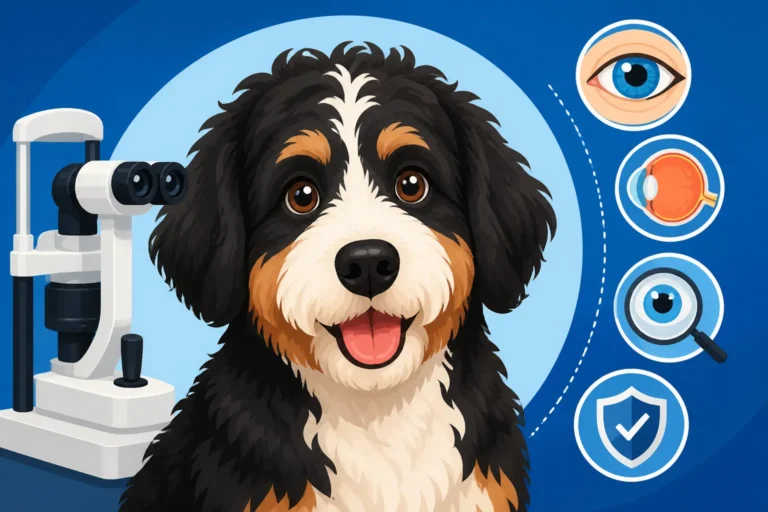
- Eyes: Checking for clarity, discharge, redness, or any signs of irritation or developing conditions. They might check your Bernedoodle's eyes for conditions like cataracts or even more subtle issues.
- Ears: Looking for signs of infection, inflammation, or excessive wax build-up, especially common in drop-eared breeds.
- Mouth and Teeth: Examining gums for color, checking teeth for plaque, tartar, fractured teeth, or signs of gum disease. Dental health is often overlooked but can lead to serious systemic issues if left untreated.
- Nose and Respiratory System: Listening to their breathing, checking for discharge or congestion.
- Skin and Coat: Running their hands through your Bernedoodle’s thick coat to feel for lumps, bumps, or skin irritations that could be hidden from your view, like a potential mast cell tumor hidden beneath the fur. They’ll also assess the quality of their coat for signs of underlying nutritional or hormonal imbalances. This is especially important for detecting issues like Skin Problems Under a Bernedoodle's Heavy Coat.
- Lymph Nodes: Gently palpating these glands in the neck, armpits, and groin for any enlargement that could indicate infection or a more serious condition like lymphoma.
- Heart and Lungs: Listening carefully with a stethoscope for any murmurs, arrhythmias, or abnormal lung sounds.
- Abdomen: Palpating the belly to feel for any abnormalities in organ size or shape, masses, or discomfort.
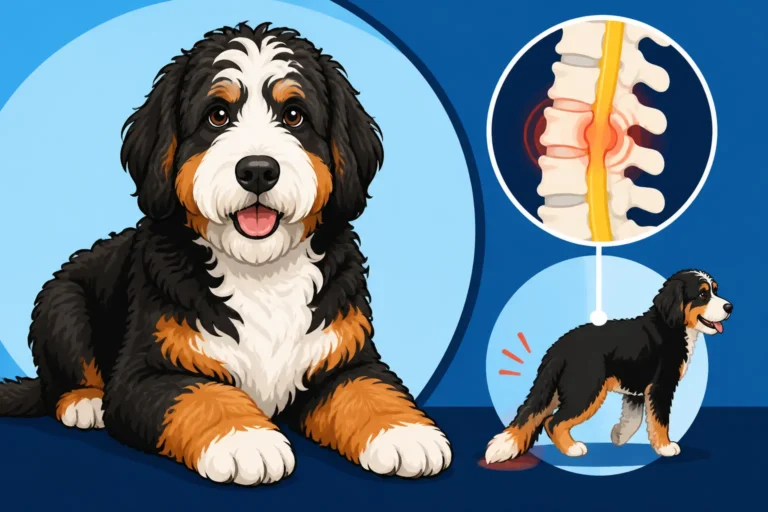
- Musculoskeletal System: Watching your Bernedoodle walk and trot, feeling their limbs and joints for pain, swelling, or reduced range of motion. This is particularly vital for breeds prone to joint issues, helping to monitor for things like Loose Hips in a Growing Standard Bernedoodle or signs of Elbow Dysplasia in a Growing Bernedoodle.
This thorough physical exam provides invaluable insights into your dog’s overall health and helps the vet decide if further diagnostics are needed. It’s their chance to spot Lumps a Bernedoodle Owner Should Not Wait On, for example, or to discuss any changes they observe in your Bernedoodle's physical condition.
Core Vaccinations and Parasite Prevention
Beyond the physical examination, annual vet visits are essential for keeping your Bernedoodle protected against common diseases and parasites.
- Vaccinations: Depending on your Bernedoodle’s age, lifestyle, and local regulations, your vet will recommend core vaccinations (like rabies and distemper/parvovirus) and potentially non-core ones (like Lyme disease, leptospirosis, or kennel cough boosters). These vaccines are crucial for maintaining immunity and preventing potentially life-threatening illnesses. Your vet will discuss the appropriate schedule, ensuring your dog is adequately protected without over-vaccinating.
- Parasite Prevention: This includes discussions and prescriptions for year-round heartworm prevention (often combined with intestinal worm prevention) and flea and tick control. Even if your Bernedoodle spends most of their time indoors, parasites can still find their way to your pet. Heartworm disease, transmitted by mosquitoes, is devastating, and flea and tick-borne illnesses can cause a host of problems, from skin allergies to serious infectious diseases. Your vet will help you choose the best and most effective products for your Bernedoodle’s needs, considering their size, environment, and any existing health conditions.
Delving Deeper: Essential Diagnostics and Why They Matter
While a physical exam gives your vet a great deal of information, much of what’s happening internally can only be seen through diagnostic tests. These tests provide a detailed snapshot of your Bernedoodle’s organ function, blood composition, and overall internal health, often revealing issues long before any outward symptoms appear.
The Importance of Annual Blood Work and Urinalysis
These aren’t just generic tests; they are powerful tools that provide a wealth of information about your Bernedoodle’s internal workings.
- Complete Blood Count (CBC): This test gives your vet details about your Bernedoodle’s red blood cells, white blood cells, and platelets. It can indicate anemia, infection, inflammation, and even certain types of cancer. For example, an abnormal white blood cell count could signal an underlying infection that isn't yet visible on the outside.
- Chemistry Panel: This panel evaluates organ function (kidney, liver, pancreas), electrolyte balance, and blood sugar levels. It can detect early signs of diabetes, kidney disease, or liver issues, allowing for intervention before serious damage occurs. For a Bernedoodle, given the Bernese predisposition, a thyroid panel is also often included or specifically recommended to check for Hypothyroidism From the Bernese Side of a Bernedoodle, which can impact metabolism and energy levels.
- Urinalysis: This simple test offers crucial insights into kidney function, hydration levels, and can detect urinary tract infections, diabetes, and other metabolic diseases. Changes in urine concentration or the presence of abnormal cells can be early indicators of trouble.
These tests are especially important for breeds like Bernedoodles that may develop certain conditions later in life. By establishing a baseline when your Bernedoodle is young and healthy, your vet can track changes over time, making it easier to identify when something shifts out of the normal range. This is particularly true as The Birthday a Standard Bernedoodle Counts as Senior approaches, usually around 7-8 years, when organ function may naturally begin to decline.
Understanding Their Breed-Specific Screening Needs
Beyond general blood work, Bernedoodles, because of their Bernese and Poodle heritage, have specific health concerns that warrant ongoing vigilance. While many responsible breeders conduct genetic screening on the parent dogs, this doesn't guarantee a puppy will never develop a condition; it simply reduces the risk. Regular veterinary follow-up is still key.
- Orthopedic Health: Both parent breeds can be prone to hip and elbow dysplasia. Even if a Bernedoodle puppy's parents had excellent OFA or PennHIP clearances, environmental factors and rapid growth can still contribute to joint issues. Your vet will pay close attention to your Bernedoodle’s gait and joint health during the physical exam. While there might not be yearly X-rays, any signs of discomfort or lameness should be investigated promptly. For example, if your Bernedoodle starts to "bunny hop" or shows reluctance to jump, that's a signal to dive deeper into their hip health. Even if you checked The Elbow Grades a Bernedoodle Breeder Should Show at the time of purchase, consistent monitoring remains important.
- Blood Clotting Disorders: Von Willebrand's Disease (vWD), a bleeding disorder, is present in both Poodles and Bernese Mountain Dogs. While a reputable breeder will have tested their breeding stock, an annual physical is a good time to remind your vet about this predisposition, especially if your dog needs any minor procedures or surgery. This vigilance is why testing both Bernedoodle parents with The SOD1 Test Both Bernedoodle Parents Need is so crucial from the start.
- Eye Conditions: Both parent breeds can be prone to various eye conditions, such as Progressive Retinal Atrophy (PRA) and cataracts. A comprehensive yearly exam should include a thorough eye check, and if any concerns arise, your vet might recommend a referral to a veterinary ophthalmologist. Your Bernedoodle should have annual checks for The Eye Conditions a Bernedoodle Is Tested For to ensure issues like PRA are caught early.
This proactive approach, combining general diagnostics with an awareness of breed-specific risks, creates a robust health management plan for your Bernedoodle. It's an investment in their long-term well-being and a testament to your commitment as a responsible pet owner.
| Screening Type | What It Checks For | Why It's Important for a Bernedoodle |
|---|---|---|
| Physical Exam | Overall health, lumps, dental issues, joint mobility, organ palpation, heart/lungs | Early detection of external & internal abnormalities, baseline health tracking |
| Complete Blood Count (CBC) | Anemia, infection, inflammation, platelet count | Identifies systemic issues, monitors for internal diseases |
| Chemistry Panel | Kidney, liver, pancreatic function, blood sugar, electrolytes | Detects organ dysfunction, diabetes, metabolic imbalances |
| Thyroid Panel | Thyroid hormone levels | Crucial for detecting hypothyroidism, common in Bernese lineage |
| Urinalysis | Kidney function, urinary tract infections, diabetes, hydration | Assesses urinary system health, helps detect metabolic issues |
| Fecal Exam | Intestinal parasites | Essential for year-round parasite control, especially in outdoor dogs |
| Heartworm Test | Presence of heartworm disease | Critical for prevention and early treatment of a deadly parasitic disease |
Beyond the Exam Room: What You Can Do at Home
While annual vet screenings are undeniably important, your role as a Bernedoodle parent extends far beyond those yearly appointments. You are your dog’s primary observer, the one who sees them every single day. Your vigilance at home is an invaluable complement to professional veterinary care, often providing the earliest clues that something might be amiss.
Observational Check-Ins and Behavioral Shifts
No one knows your Bernedoodle better than you do. You know their quirks, their routines, and their baseline energy levels. This intimate knowledge makes you uniquely positioned to spot subtle changes that a vet might not catch during a 15-minute exam. Get into the habit of regular, informal check-ins.
Look for:
- Changes in Appetite or Thirst: Is your Bernedoodle suddenly drinking more water, or is their food bowl going untouched? These can be indicators of conditions like diabetes, kidney disease, or even dental pain.
- Energy Levels: Are they less enthusiastic about walks or playtime? Are they sleeping more than usual? A decrease in energy could signal anything from pain to underlying heart conditions.
- Gait and Mobility: Watch how they move. Are they limping slightly after getting up? Do they seem stiff? Is there any sign of a "bunny hop" in their rear end, which can be an early indicator of hip issues? Issues like Loose Hips in a Growing Standard Bernedoodle, while potentially screened for, can develop or worsen over time.
- Bathroom Habits: Are there changes in frequency, volume, or consistency of urination or defecation? Any straining or accidents in the house?
- Lumps and Bumps: Regularly run your hands over your Bernedoodle's entire body, paying special attention to areas under the dense coat like the armpits, groin, and neck. Feel for any new lumps or changes in existing ones. Remember, Lumps a Bernedoodle Owner Should Not Wait On, so if you find something new, mention it to your vet.
- Breathing: Is their breathing more labored or rapid at rest? Any coughing?
- Demeanor: Are they more irritable, withdrawn, or anxious than usual? These behavioral shifts can sometimes be linked to pain or discomfort.
Keeping a small journal or even just mental notes of any changes can be incredibly helpful when discussing your observations with your vet. Your insights are crucial for helping them piece together the puzzle of your Bernedoodle’s health.
Maintaining Optimal Weight and Nutrition
One of the biggest impacts you can have on your Bernedoodle's long-term health is managing their weight and providing appropriate nutrition. It sounds simple, but it’s often overlooked, especially with larger breeds. An overweight Bernedoodle faces a significantly higher risk of a multitude of health problems.
- Joint Stress: Excess weight puts immense strain on their joints, exacerbating conditions like hip and elbow dysplasia or accelerating the onset of arthritis. This is particularly critical for a large dog where every extra pound amplifies the load on their developing or aging frame. You want to avoid any additional stress on their joints, which might also suffer from issues like Torn Cruciates in a Heavy Bernedoodle.
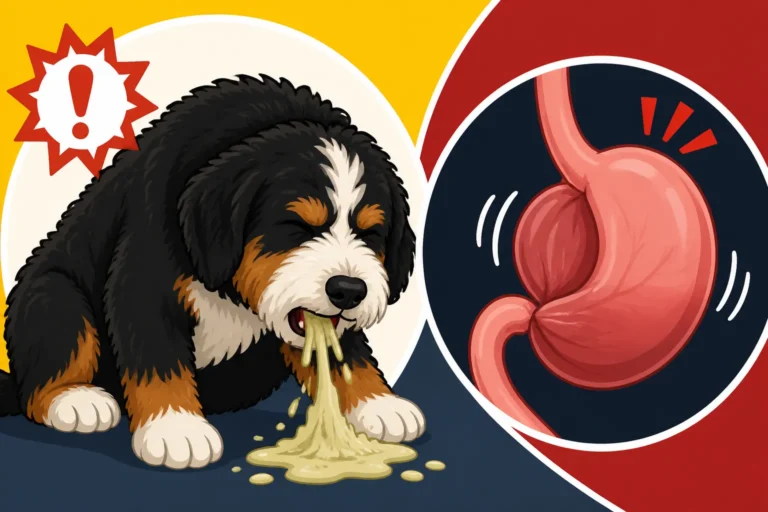
- Other Health Risks: Obesity also increases the risk of diabetes, heart disease, certain cancers, and even conditions like Bloat in a Standard Bernedoodle's Deep Chest.
- Nutritional Needs: Work with your vet to determine the appropriate type and amount of food for your Bernedoodle’s age, size, and activity level. Large breed puppies, for instance, have specific nutritional requirements to support slow, steady growth and protect their developing joints. As your Bernedoodle ages and their metabolism slows down, their caloric needs will also change. Don't fall into the trap of overfeeding; it's easy to do with a dog that always seems hungry! Regular weight checks at the vet (or at home) are essential. Feeling for your Bernedoodle's ribs under all that glorious coat is a good indicator of their body condition.
A healthy weight and balanced diet are foundational to a strong immune system and overall vitality, making your Bernedoodle more resilient against potential health challenges.
Planning for the Unexpected: Financial Preparedness
Let's be realistic: providing top-notch veterinary care for a Bernedoodle, especially a large one, isn't always cheap. While preventative care is a wise investment, unexpected illnesses or injuries can lead to significant financial burdens. Thinking ahead about how you'll manage these costs is a critical part of responsible pet ownership.
The Cost of Preventative Care vs. Emergency Treatment
It's a common misconception that vet visits are expensive and unnecessary. In reality, preventative care, including those annual screenings, vaccinations, and parasite control, is almost always less costly in the long run than waiting for a problem to become an emergency.
Consider this:
- Routine Exam & Blood Work: The cost of a yearly exam, blood panel, and urinalysis might range from a few hundred dollars. This investment helps catch conditions like kidney disease, hypothyroidism, or early signs of cancer when they are most manageable, often with less invasive treatments.
- Emergency Treatment: If you skip preventative care and a condition like kidney disease goes undiagnosed until your Bernedoodle is in crisis, you could be looking at thousands of dollars for emergency hospitalization, IV fluids, specialized diagnostics, and ongoing management. Similarly, a lump caught early might be a simple surgical removal, costing hundreds. A late-stage aggressive cancer, however, could require chemotherapy or extensive surgery, potentially costing thousands of dollars over the course of treatment. What Cancer Treatment Costs a Bernedoodle Owner can be substantial, making early detection even more critical.
Preventative care buys you peace of mind and often saves you significant money (and heartache) by averting major health crises. It’s about being proactive rather than reactive, offering a better quality of life for your Bernedoodle and less financial strain on your wallet.
The Role of Pet Insurance in Long-Term Health
No matter how diligent you are with preventative care, accidents and unexpected illnesses can still happen. This is where pet insurance can be a true lifeline, especially for a breed like the Bernedoodle with its potential for higher veterinary costs due to their size and genetic predispositions.
Pet insurance works much like human health insurance, helping to cover a percentage of veterinary bills for unexpected illnesses or accidents. Policies vary, but many cover things like diagnostic tests, specialist visits, surgeries, medications, and emergency care. Companies like Healthy Paws are popular choices among pet owners, offering comprehensive coverage that can help offset the financial impact of major medical events.
Imagine your Bernedoodle suddenly developing bloat (gastric dilatation-volvulus), a life-threatening emergency common in deep-chested breeds. The surgery and intensive care required can easily run into thousands of dollars. Or perhaps they need an unexpected orthopedic surgery, such as for a torn cruciate ligament. Having pet insurance can significantly reduce your out-of-pocket expenses, allowing you to make medical decisions based on what’s best for your dog, rather than solely on your budget. When you're facing a crisis, the last thing you want to worry about is the cost. Pet insurance, from providers like Healthy Paws, allows you to focus on your Bernedoodle's recovery.
Investing in a good pet insurance policy, especially when your Bernedoodle is young and healthy, can provide invaluable financial security and ensure that you're prepared for whatever life throws your way, protecting both your Bernedoodle's health and your savings.
Disclaimer
This article is for general informational purposes only and does not constitute professional advice. Laws, prices and regulations vary by location and change over time. Consult a qualified professional for guidance on your specific situation.