The Age Histiocytic Sarcoma Strikes a Bernese
One of the most heartbreaking concerns for any Bernedoodle owner is the shadow cast by the Bernese Mountain Dog side of their beloved companion – particularly the increased risk of certain cancers. Among these, Histiocytic Sarcoma stands out as a particularly aggressive and devastating disease that has tragically cut short the lives of many Bernese. Understanding when this formidable illness typically strikes purebred Bernese Mountain Dogs is crucial for any Bernedoodle family, as it helps us remain vigilant, advocate for our pets, and prepare for potential challenges. This guide will meticulously break down the age at which Histiocytic Sarcoma commonly manifests in Bernese and what that means for your Bernedoodle.
Understanding Histiocytic Sarcoma in Bernese Mountain Dogs
It’s an unfortunate truth that Bernese Mountain Dogs are genetically predisposed to certain types of cancer, and Histiocytic Sarcoma (HS) is one of the most prominent and aggressive among them. This isn't just a generic "cancer risk"; it's a specific, often rapidly progressing disease that warrants particular attention from anyone with a Bernese or Bernedoodle in their life.
What is Histiocytic Sarcoma?
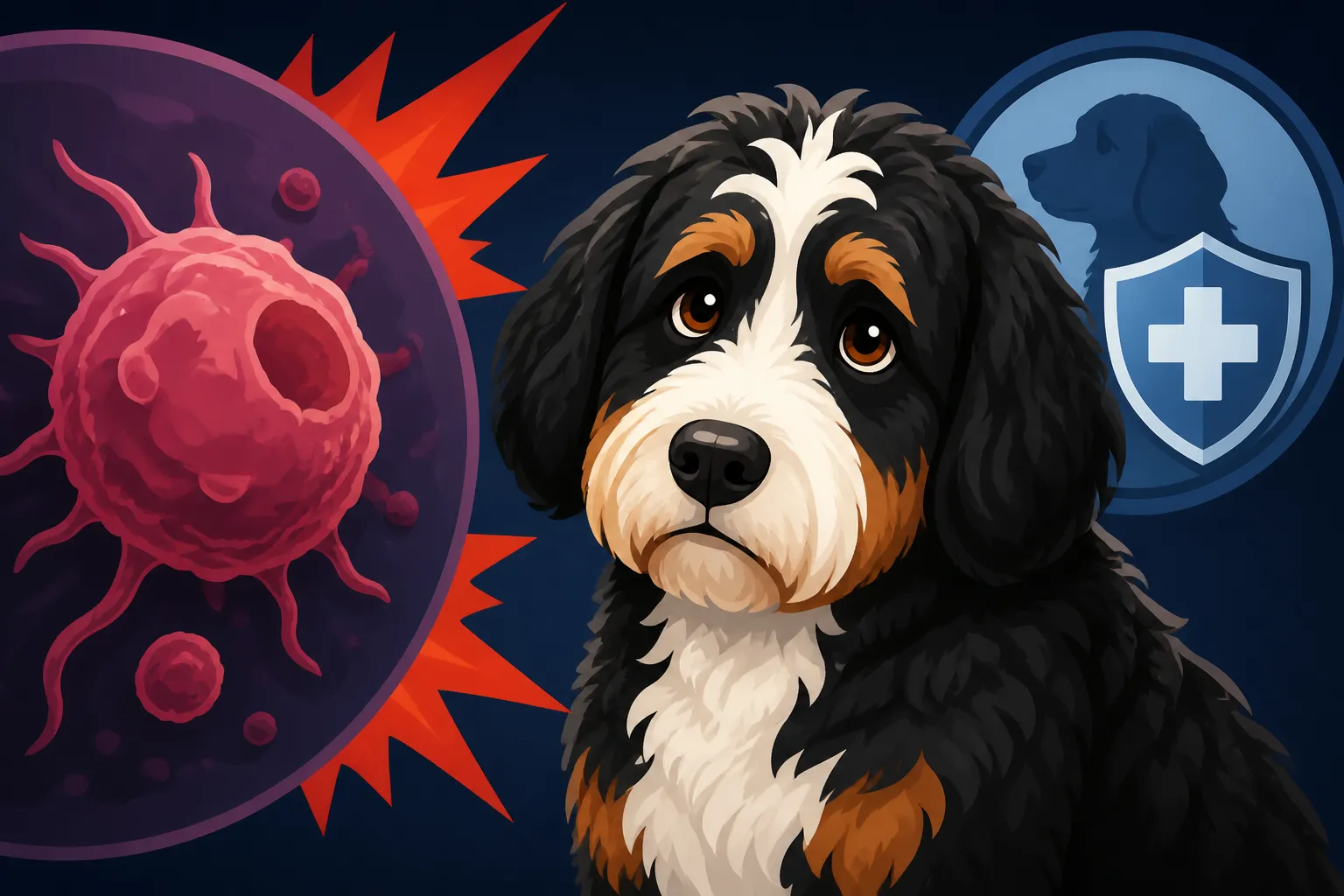
Imagine a rogue cell within the immune system, specifically a histiocyte, that decides to go completely haywire and multiply uncontrollably. That's essentially what Histiocytic Sarcoma is. These aren't just benign lumps; HS is a malignant tumor that can pop up anywhere in the body. It can be localized, meaning it appears as a single tumor, often in the spleen, lymph nodes, lungs, skin, or bone marrow. However, it's notorious for being disseminated, or systemic, which means it quickly spreads throughout multiple organs, making it incredibly challenging to treat once diagnosed.
The aggressive nature of HS means it progresses quickly, often leading to a rapid decline in a dog's health. For Bernese owners, the fear of this particular cancer is palpable because of its prevalence and severity within the breed. They might often ask, What Histiocytic Sarcoma Does to a Bernese, detailing the devastating impact it can have on their cherished companions. It's not just a concern; it's a reality that many Bernese families face, and understanding it is the first step in being prepared.
The Genetic Link
Why Bernese Mountain Dogs? This isn't just bad luck; there's a strong genetic component at play. Research has consistently shown that Bernese Mountain Dogs have a significantly higher incidence of Histiocytic Sarcoma compared to other breeds. It's believed to be linked to specific genetic markers that make them predisposed. Unfortunately, there isn't a single, straightforward genetic test that can definitively tell you if your dog will get HS, which adds to the anxiety for owners.
The scientific community is actively working on identifying these genetic culprits, but for now, the strong breed predisposition remains a grim reality. It’s part of the reason many people seek out crosses like the Bernedoodle, hoping that introducing Poodle genetics might dilute this specific risk. However, it's critical to acknowledge that this genetic susceptibility is still carried by the Bernese parent, meaning it's a factor that Bernedoodle owners still need to consider. This genetic predisposition also sheds light on questions like What Share of Bernese Die of Histiocytic Sarcoma, which highlights the significant impact this disease has on the breed's overall health and lifespan.
The Typical Age Range for Onset
When we talk about cancer, especially one as aggressive as Histiocytic Sarcoma, timing is everything. Knowing the typical age range for onset in Bernese Mountain Dogs can help owners recognize potential symptoms sooner and seek veterinary attention. It's a cruel reality that this disease often strikes dogs in what should be the prime of their lives.
When Symptoms Often Appear
For Bernese Mountain Dogs, Histiocytic Sarcoma most commonly rears its head in middle to older age. While cases can certainly occur earlier or later, the general consensus among veterinary oncologists and breed-specific studies indicates that the typical age for diagnosis falls within a heartbreaking window of 4 to 7 years old. This is profoundly difficult for owners, as it's often when Bernese are at their most mature, active, and bonded with their families.
Think about it: a 5-year-old Bernese is often still vibrant, full of life, and just hitting their stride. To receive a diagnosis of a rapidly progressive cancer at this stage is devastating. Symptoms can be vague at first, mimicking other illnesses, which is why heightened awareness of this age range is so important. These can include lethargy, loss of appetite, weight loss, lameness, or difficulty breathing, depending on where the tumors are located. It's a reminder that even seemingly minor changes in a dog within this age bracket warrant a prompt vet visit.
Early vs. Late Onset
While the 4-7 year window is common, Histiocytic Sarcoma can, unfortunately, appear outside of this range. There are instances of earlier onset, sometimes even in dogs as young as 2 or 3 years old. These cases tend to be particularly aggressive, leaving owners with very little time. Conversely, some Bernese may develop HS later in life, perhaps around 8 or 9 years old. However, given the generally shorter lifespan of the Bernese Mountain Dog breed (often 6-8 years), even a later diagnosis still means confronting the disease in their senior years.
The reasons for these variations in onset age aren't fully understood, but likely involve a complex interplay of genetic factors, environmental triggers, and individual immune responses. What it means for owners is that while the typical age range is a helpful guideline, vigilance should be a lifelong commitment. Any Bernedoodle owner needs to be aware that even if their dog is past the "average" age for diagnosis, the risk doesn't disappear entirely.
Implications for Bernedoodle Owners
Bringing a Bernedoodle into your home often comes with the hope of a healthier, longer-lived companion compared to a purebred Bernese. While there are certainly benefits to hybrid vigor, it's essential to understand that the risk of Histiocytic Sarcoma isn't entirely eliminated.
Does the Poodle Cross Offer Protection?
This is a question at the forefront of many prospective Bernedoodle owners' minds: Whether the Bernedoodle Cross Actually Reduced Cancer. The short answer, particularly concerning Histiocytic Sarcoma, is that it might dilute the risk, but it certainly doesn't eliminate it. Your Bernedoodle still carries 50% of that Bernese Mountain Dog genetic material. While the Poodle side generally boasts a lower incidence of this specific cancer, it's not a complete shield.
The theory of hybrid vigor suggests that crossing two distinct breeds can lead to offspring with improved health and genetic diversity. In practice, for specific breed-related conditions like Histiocytic Sarcoma, it means your Bernedoodle statistically could have a lower chance than a purebred Bernese, but they are still at a significantly higher risk than a breed without the Bernese lineage. Think of it like this: if one parent carries a heavy genetic burden for a specific disease, their offspring will still inherit a portion of that risk, even if the other parent is "clean." So, while some Bernedoodle generations, like an F1b, might theoretically further reduce the Bernese contribution, the underlying genetic predisposition remains a consideration. It's important to consult with your breeder about their specific lines and how they address these health concerns.
Vigilance and Early Detection
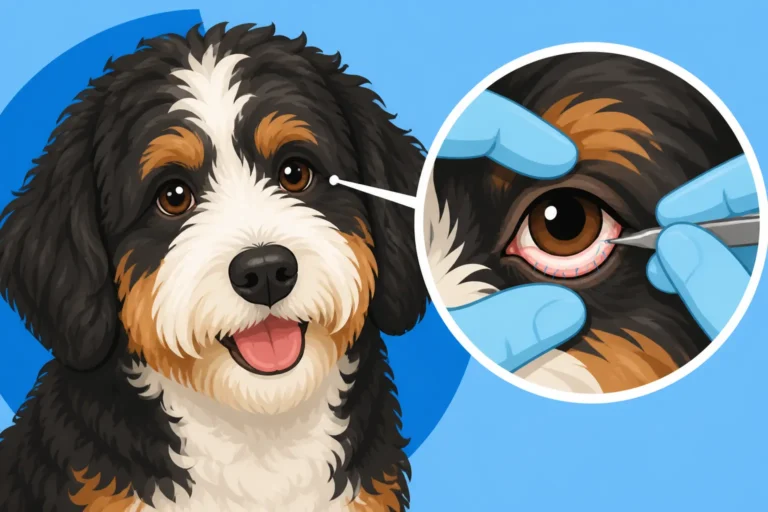
Given the potential for your Bernedoodle to inherit this genetic predisposition, vigilance is absolutely paramount. Knowing the typical onset age for Bernese gives you a critical window to be extra aware. This means regular, hands-on checks of your Bernedoodle at home. Feel for any unusual lumps or bumps under their dense coat, especially in areas like the armpits, groin, and neck. Don't dismiss something just because it's small or seemingly soft – any new lump warrants a conversation with your vet. Many Bernedoodle owners find themselves asking about Lumps a Bernedoodle Owner Should Not Wait On, and for good reason. Early detection, while not a cure, can sometimes lead to more treatment options and a better quality of life for a longer period.
Beyond physical checks, pay close attention to behavioral changes. Is your normally active Bernedoodle suddenly lethargic? Are they losing weight despite eating normally? Do they seem to have difficulty breathing, or are they limping without an obvious injury? These are all non-specific signs that could point to an underlying issue, including Histiocytic Sarcoma, and should prompt an immediate veterinary visit. Your vet might recommend diagnostics like blood work, X-rays, or even a fine needle aspiration (FNA) of any suspicious masses.
Proactive Steps and Health Screening
While there isn't a perfect genetic test for HS in Bernedoodles, responsible breeders will take proactive steps to minimize risk. This includes being transparent about the health history of their parent dogs, especially the Bernese lines. Don't shy away from Asking a Breeder About Cancer in the Bernese Line – a good breeder will be open and honest about any instances of HS in their dogs' pedigrees, including the age of onset if it occurred. This kind of information, while not a guarantee, helps you make a more informed decision.
Furthermore, while no single DNA test currently predicts Bernedoodle cancer with 100% accuracy, genetic screening for other common Bernese health issues like Von Willebrand's Disease and degenerative myelopathy is standard. This might lead you to ask Whether Any DNA Test Predicts Bernedoodle Cancer, which is a valid query for any responsible owner. While direct HS prediction isn't yet available, supporting overall genetic health through responsible breeding practices remains crucial. Ensuring your Bernedoodle gets regular wellness exams, including comprehensive blood work as they age, is your best line of defense. This allows your veterinarian to establish a baseline for your dog's health and notice subtle changes more readily.
Managing Risk and Supporting Your Bernedoodle
While the thought of Histiocytic Sarcoma is undoubtedly frightening, there are practical steps you can take as a Bernedoodle owner to support your dog's overall health and manage potential risks. It's about empowering yourself with knowledge and making informed choices.
The Role of Diet and Lifestyle
While there's no magic bullet diet that prevents Histiocytic Sarcoma, a high-quality, balanced diet and a healthy lifestyle can contribute significantly to your Bernedoodle's overall well-being and immune system strength. This isn't about miracle cures, but about foundational health. Feeding a premium dog food appropriate for their life stage and size, maintaining a healthy weight, and providing regular, appropriate exercise are all vital. An overweight dog, for instance, often faces increased inflammation and stress on their body, which can potentially exacerbate various health issues.
Many owners ponder Whether Diet Affects a Bernedoodle's Cancer Risk. While the primary driver for HS is genetic, a dog with a robust immune system and optimal health is generally better equipped to handle any health challenge that comes their way. Fresh, whole foods can provide essential nutrients and antioxidants that support cellular health, and avoiding highly processed foods or those with questionable ingredients is always a good practice. Consult with your veterinarian or a veterinary nutritionist to ensure your Bernedoodle's diet is tailored to their specific needs.
Considering Pet Insurance
The financial burden of a cancer diagnosis can be overwhelming. Treatment for Histiocytic Sarcoma, which might involve surgery, chemotherapy, or radiation, can quickly accumulate into tens of thousands of dollars. This is where pet insurance becomes an invaluable tool for many families. Companies like Healthy Paws offer comprehensive plans that can cover a significant portion of these unexpected veterinary bills, allowing you to focus on your Bernedoodle's health rather than the cost.
Thinking about Insuring a Bernedoodle Against the Bernese Half is a smart move, especially given the breed's predispositions. When choosing a policy, look for one that has good coverage for chronic conditions and illnesses, ideally with a high reimbursement rate and a reasonable deductible. Having a safety net like Healthy Paws can provide immense peace of mind, knowing that if the worst happens, you'll be able to afford the best possible care for your beloved companion. It enables owners to make decisions based on what's best for their dog's health, rather than being limited by financial constraints.
What Treatment Involves
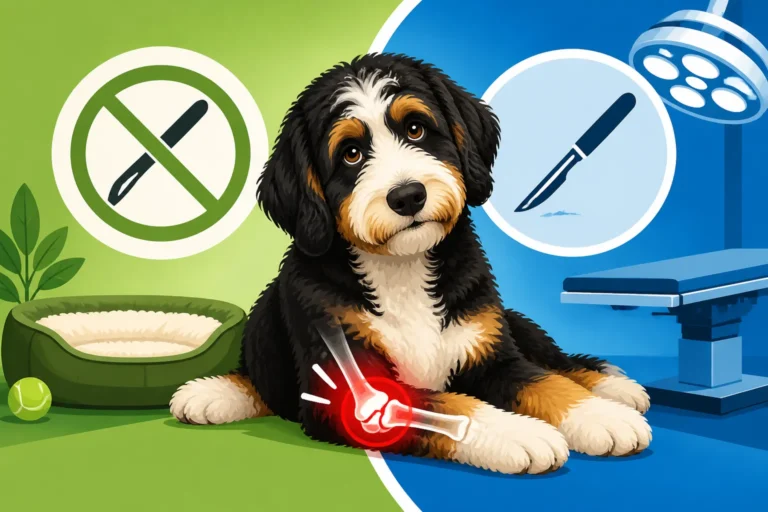
If, tragically, your Bernedoodle is diagnosed with Histiocytic Sarcoma, it's important to understand the typical treatment approaches. Given the aggressive nature of HS, a multi-modal approach is often recommended, meaning a combination of therapies. This can include surgery to remove localized tumors, chemotherapy to target widespread disease, and sometimes radiation therapy. The specific protocol will depend on the stage of the cancer, its location, and your dog's overall health.
Owners often ask What Chemotherapy Achieves for a Bernedoodle, and the reality is that for HS, it’s typically aimed at controlling the disease and extending quality of life, rather than a definitive cure. Due to its aggressive nature, the prognosis for Histiocytic Sarcoma remains guarded, even with treatment. However, advancements in veterinary oncology are continuously being made, and palliative care can also significantly improve a dog's comfort and well-being. Close collaboration with a veterinary oncologist will be crucial in navigating this difficult journey and making the best decisions for your Bernedoodle.
| Aspect | Description | Typical Onset Age (Bernese) |
|---|---|---|
| What it is | An aggressive, malignant cancer originating from histiocytes (immune cells), often rapidly spreading. | 4-7 years |
| Genetic Predisposition | Strong genetic link in Bernese Mountain Dogs; Bernedoodles inherit a portion of this risk. | Inherent |
| Common Symptoms | Lethargy, loss of appetite, unexplained weight loss, lameness, difficulty breathing, new or growing lumps (especially in spleen, lymph nodes, skin, bone marrow). | 4-7 years |
| Early Detection Strategy | Regular physical exams, thorough home checks for lumps, vigilance for behavioral changes. Prompt vet visits for any suspicious signs. | All ages, especially 4+ |
| Treatment Challenges | Often aggressive and disseminated, making it difficult to cure. Treatment focuses on management and quality of life (surgery, chemotherapy, radiation). | Post-diagnosis |
| Insurance Benefit | Pet insurance (e.g., Healthy Paws) can significantly help cover high costs of diagnosis and treatment, reducing financial stress for owners. | Proactive (before onset) |
In conclusion, understanding the age at which Histiocytic Sarcoma typically strikes a Bernese Mountain Dog – often between 4 and 7 years old – is an incredibly important piece of knowledge for any Bernedoodle owner. While the Poodle cross may offer some dilution of risk, it does not eliminate the potential for this aggressive cancer. Your vigilance, proactive health screenings, and thoughtful preparation (including considering pet insurance from a provider like Healthy Paws) are your best tools in ensuring your Bernedoodle has the longest, healthiest, and happiest life possible.
Disclaimer
Please remember that the information provided in this article is for educational and informational purposes only, and does not constitute veterinary advice. Always consult with a qualified veterinarian for any health concerns or before making any decisions about your pet's health or treatment.