Slipping Kneecaps in a Bernedoodle Under Twenty Pounds
It’s truly disheartening when your precious little Bernedoodle, weighing under twenty pounds, suddenly yelps, holds up a leg, or has a strange skip in their step. You brought home this tiny bundle of fluff expecting boundless energy and playful antics, not the worry that comes with lameness. That tell-tale "skip" isn't just a quirky gait; it could be the painful reality of a slipping kneecap, a condition known as patellar luxation that is surprisingly common in our smaller canine companions, including the adorable mini and tiny Bernedoodles. This guide will walk you through everything you need to know about navigating this challenging issue.
Understanding Luxating Patella in Tiny Bernedoodles
The knees on our tiny Bernedoodles are delicate structures, and when something goes awry, it can significantly impact their quality of life. Patellar luxation, or a slipping kneecap, is one of those conditions that often catches new owners off guard, especially with a breed touted for its overall health.
What is Patellar Luxation?
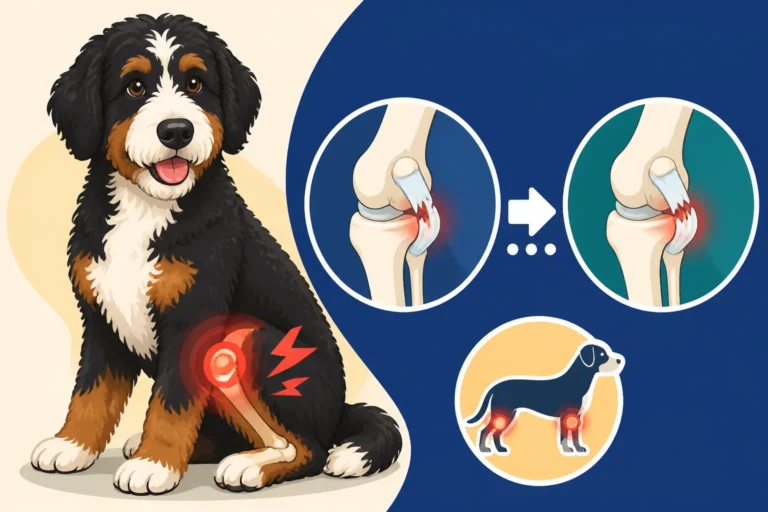
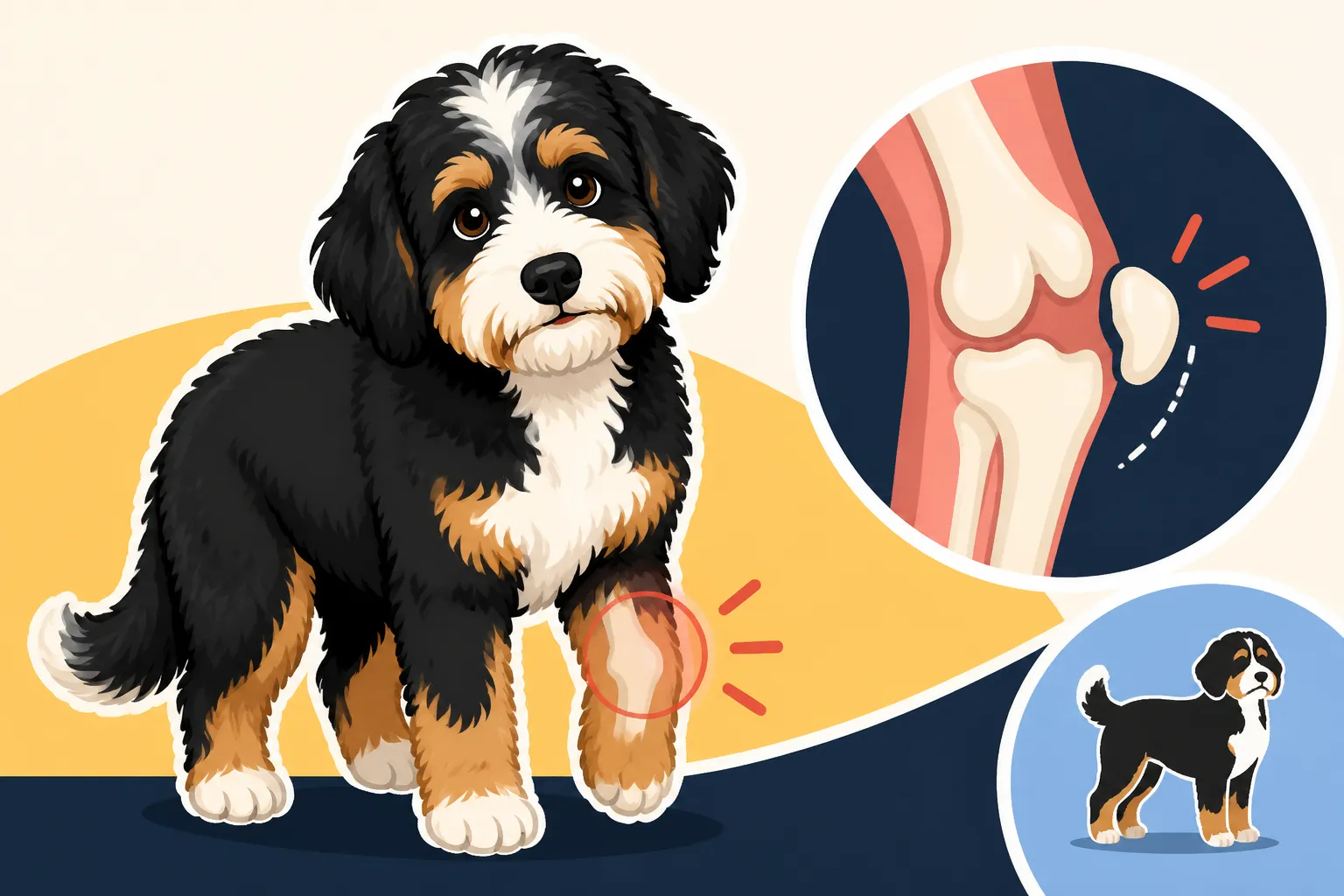
At its core, patellar luxation means the kneecap (patella) dislocates or "slips" out of its normal groove on the thigh bone (femur). Imagine your own kneecap suddenly sliding out of place – it’s uncomfortable, to say the least. In dogs, this usually happens medially, meaning the kneecap shifts towards the inside of the leg. When the patella slips, the leg can't straighten properly, leading to that characteristic skip or holding the leg up. It can happen intermittently, causing a momentary limp, or it can be a persistent issue, leading to chronic pain and arthritis.
For a tiny Bernedoodle, whose bone structures are naturally smaller and more finely tuned, even a slight abnormality can have a profound impact. It's not always a dramatic event; sometimes it's just a subtle hitch in their stride that gradually worsens over time. This condition isn't just about pain; it can lead to further joint instability and premature wear and tear on other parts of the knee, compounding the problem as they age.
Why Small Bernedoodles Are Prone to This Condition
While Bernedoodles are a hybrid, inheriting traits from both the sturdy Bernese Mountain Dog and the athletic Poodle, it's often the Poodle genetics that contribute to patellar luxation in the smaller varieties. Toy and Miniature Poodles are among the breeds most commonly affected by this condition. When you breed a standard Bernese with a miniature or toy Poodle to create a tiny Bernedoodle, you unfortunately concentrate some of those small-breed predispositions.
The issue is primarily genetic and conformational. It's not usually caused by an injury, though trauma can exacerbate an already weak knee. Instead, the bones and soft tissues around the knee simply don't develop correctly. This might include:
- Shallow trochlear groove: The groove in the femur where the kneecap is supposed to sit is too shallow, making it easy for the patella to pop out.
- Misalignment of the quadriceps muscle: The main muscle group that controls the kneecap might be pulling it out of alignment.
- Deformed thigh bone or shin bone: The femur or tibia might be slightly bowed or twisted, preventing the kneecap from tracking properly.
These subtle anatomical quirks are often inherited. So, while you might think your Bernedoodle is immune because it's a "doodle," their small size, particularly if they're under 20 pounds, puts them at a higher risk due to their Poodle lineage. It's a frustrating reality for many owners who carefully choose a hybrid in hopes of avoiding some breed-specific issues, only to encounter others.
Recognizing the Signs in Your Little One
Spotting patellar luxation can sometimes be tricky, especially in a playful puppy. They might be so focused on zoomies that a momentary skip goes unnoticed. However, there are some clear indicators to watch for:
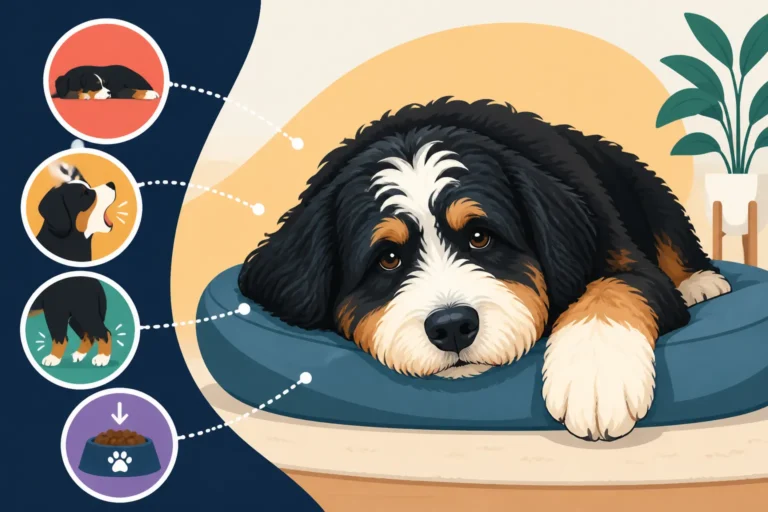
- Intermittent lameness: This is the classic sign. Your Bernedoodle might run along happily, then suddenly yelp, hold up one back leg for a few steps, shake it, and then be perfectly fine again. This "skipping" gait is often the kneecap slipping out and then back into place.
- Reluctance to jump or use stairs: If your usually agile little pup hesitates before jumping onto the couch or avoids the stairs, it could be due to knee discomfort.
- Difficulty extending the leg: When the kneecap is dislocated, it can prevent the leg from fully straightening.
- Pain: While some dogs tolerate lower-grade luxation without overt pain, a sudden dislocation can be painful, causing a yelp or crying out.
- Abnormal stance or movement: They might walk with a crouched stance, or their hind legs might appear "bowed."
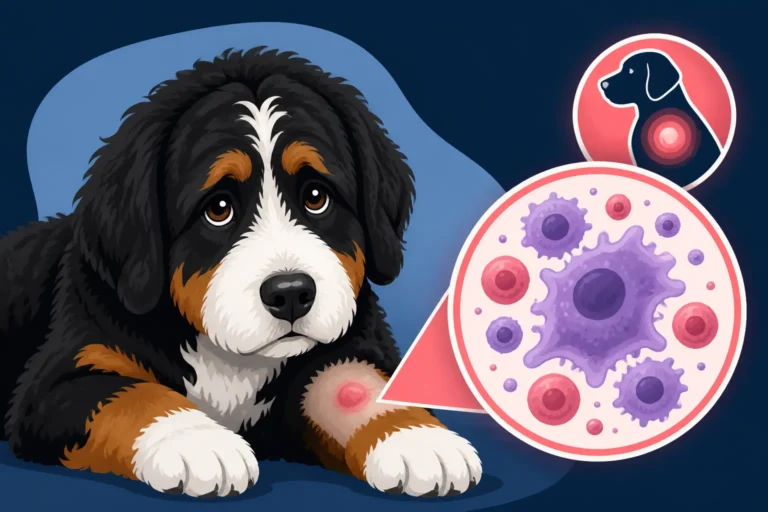
- Swelling or tenderness around the knee: In more severe or chronic cases, you might notice subtle changes around the joint.
- Clicking or popping sounds: Sometimes, as the kneecap moves, you might hear or even feel a slight pop.
Don't dismiss these signs, even if they seem minor. The sooner you recognize and address the issue, the better the long-term prognosis for your little Bernedoodle. It’s worth noting that other conditions, such as Torn Cruciates in a Heavy Bernedoodle (though usually for larger dogs) or hip issues, can also present with lameness, so a vet visit is always warranted.
Diagnosing and Grading the Severity
When you first notice something amiss with your tiny Bernedoodle's gait, the thought of what might be wrong can be overwhelming. Getting a definitive diagnosis is the crucial first step, and understanding the grading system helps you comprehend the severity of the condition and the path forward.
The Vet Visit: What to Expect
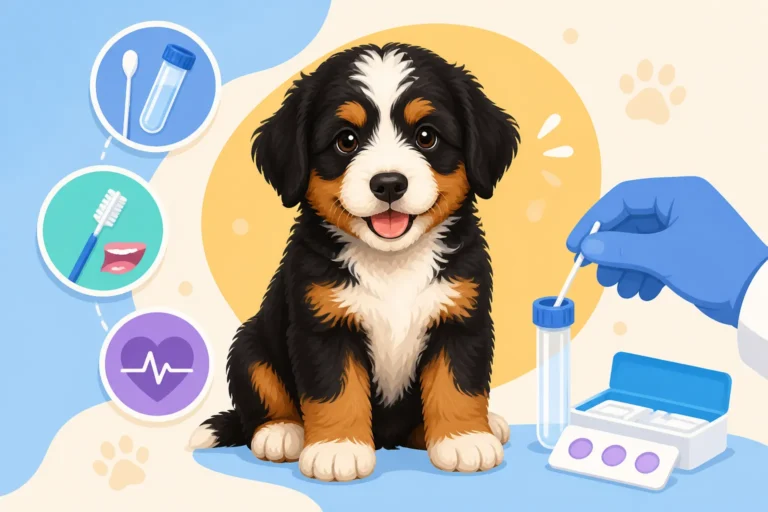
When you bring your Bernedoodle to the vet with concerns about a slipping kneecap, the veterinarian will perform a thorough physical examination, focusing intensely on the hind legs. They’ll likely start by observing your dog walk and run, looking for that characteristic skip or any other gait abnormalities. Don't be surprised if your dog decides to be perfectly normal during this part – it's a common "vet visit phenomenon!"
Next, your vet will carefully palpate, or feel, your dog's knee joints. They'll manipulate the kneecap, gently trying to push it out of its groove while your dog is lying down. This allows them to assess how easily the patella dislocates and if it pops back into place on its own. They'll also check for any instability in the joint, range of motion, and signs of pain or tenderness.
While x-rays won't directly show the kneecap slipping, they are incredibly valuable. Radiographs help your vet visualize the overall alignment of the leg bones, the depth of the trochlear groove, and any degenerative changes, like arthritis, that might already be present. In some cases, especially if other conditions like hip dysplasia are suspected (even in a small dog, though less common than in larger ones like when checking Hips on a Ninety Pound Bernedoodle), additional imaging like MRI might be recommended, but it's less common for patellar luxation alone. Be prepared for a conversation about potential costs for these diagnostics, and remember that pet insurance, like policies from Healthy Paws, can be a huge relief in these situations.
Decoding the Patellar Luxation Grades
Once your vet has examined your Bernedoodle, they will assign a grade to the patellar luxation. This grading system is universally recognized and helps categorize the severity of the condition, guiding treatment decisions.
Here's a breakdown of the four grades:
- Grade 1: This is the mildest form. The kneecap can be manually luxated (pushed out of the groove) but pops back into place spontaneously once released. Dogs with Grade 1 luxation often show minimal to no clinical signs, perhaps just an occasional skip. Many owners don't even realize their dog has it until a routine vet check. For a tiny Bernedoodle, even this mild grade should be monitored.
- Grade 2: The kneecap luxates spontaneously (slips out on its own) or can be manually luxated. It doesn't always go back into place on its own and might require a little manipulation from the dog (like shaking its leg) or the owner. Dogs with Grade 2 often exhibit more frequent skipping, lameness, or discomfort. This is often the point where owners really start to notice an issue.
- Grade 3: The kneecap is luxated most of the time. While it can be manually reduced (pushed back into the groove), it will immediately pop back out once released. Dogs with Grade 3 luxation often have persistent lameness, a crouched gait, and may develop more significant arthritis due to chronic instability. They rarely extend their knee fully.
- Grade 4: This is the most severe grade. The kneecap is permanently luxated and cannot be manually reduced. The limb often appears severely deformed, and the dog typically walks with a significant crouch, if they can bear weight on the leg at all. This grade causes severe pain and mobility issues and almost always requires surgical correction.
Understanding these grades is vital for managing expectations and making informed decisions about your tiny Bernedoodle's health journey.
| Grade | Description | Clinical Signs | Treatment Approach (Initial) |
|---|---|---|---|
| 1 | Luxates manually, returns spontaneously | Occasional skip, often asymptomatic | Conservative management |
| 2 | Luxates spontaneously, returns with manipulation | Intermittent skipping, mild lameness, discomfort | Conservative/Surgical consideration |
| 3 | Luxated most of the time, manually reducible | Consistent lameness, crouched gait, early arthritis | Often surgical |
| 4 | Permanently luxated, non-reducible | Severe lameness, limb deformity, significant pain | Always surgical |
Management and Treatment Options for Slipping Kneecaps
Discovering your tiny Bernedoodle has patellar luxation can be a worrying time, but thankfully, there are several approaches to managing and treating this condition. The best course of action will depend heavily on the grade of luxation, your dog's age, overall health, and your family's circumstances.
Non-Surgical Approaches for Mild Cases
For Bernedoodles with Grade 1 or sometimes even Grade 2 patellar luxation, a conservative, non-surgical approach is often the first line of defense. The goal here is to manage pain, reduce inflammation, and strengthen the supporting muscles to stabilize the joint as much as possible.
- Weight Management: This is paramount for any dog with joint issues, especially a small Bernedoodle. Even a few extra pounds can put immense strain on an already compromised knee. Your vet will help you determine an ideal weight and suggest dietary adjustments. Remember, even with How Many Meals a Bernedoodle Puppy Needs Daily, portion control is key to preventing Whether an Overweight Bernedoodle Loses Years.
- Controlled Exercise: While activity is important for muscle tone, high-impact activities like jumping, sudden turns, and rough play should be minimized. Think low-impact activities like leash walks on soft surfaces. Your vet might even recommend specific exercises to strengthen the quadriceps muscles without stressing the joint. It's important to remember that Whether Jumping Off Furniture Hurts a Bernedoodle is a definite risk for exacerbating existing knee issues.
- Joint Supplements: Many owners turn to supplements containing ingredients like glucosamine, chondroitin, and MSM. These can help support cartilage health and reduce inflammation. While they won't cure luxation, they can certainly improve comfort and slow down the progression of arthritis. You might want to explore articles like Whether Joint Supplements Help a Bernedoodle for more in-depth information.
- Anti-inflammatory Medication: For periods of increased pain or inflammation, your vet may prescribe non-steroidal anti-inflammatory drugs (NSAIDs) to keep your Bernedoodle comfortable.
- Physical Therapy: A certified canine rehabilitation therapist can develop a tailored program of exercises, stretches, and modalities (like underwater treadmill or therapeutic laser) to improve strength, flexibility, and overall joint function. This can be incredibly beneficial for long-term management.
When Surgery Becomes Necessary
For higher-grade luxations (Grade 3 and 4), and sometimes for persistent or painful Grade 2 cases that don't respond to conservative management, surgical intervention is often recommended. The aim of surgery is to permanently realign the kneecap and prevent it from slipping out of the groove.
There are several surgical techniques, often used in combination:
- Trochleoplasty (Deepening the Trochlear Groove): This is a very common procedure where the shallow groove in the femur is deepened so the patella has a more secure channel to sit in. This is often done by removing a wedge or block of bone and then replacing it deeper.
- Tibial Tuberosity Transposition (TTT): The tibial tuberosity is the bony prominence on the shin bone (tibia) where the patellar ligament attaches. If this attachment point is misaligned, the surgeon will cut it free, reposition it to a more appropriate alignment, and then reattach it with pins. This changes the angle of the quadriceps pull on the kneecap.
- Fascia Release or Tightening: Sometimes, the soft tissues (fascia) on one side of the knee are too tight, pulling the kneecap out, while those on the other side are too loose. The surgeon might release the tight tissues and/or tighten the loose ones to help balance the forces on the patella.
The specific combination of procedures will depend on the individual anatomy of your tiny Bernedoodle and the surgeon's findings. Recovery from patellar luxation surgery involves a period of restricted activity, pain medication, and often physical therapy. While the cost of these procedures can be significant, ranging from several hundred to a few thousand dollars per knee, the long-term benefits for your dog's mobility and comfort are often well worth it. This is where having comprehensive pet insurance, such as a plan from Healthy Paws, can really alleviate the financial burden.
Post-Operative Care and Long-Term Support
The journey doesn't end when your Bernedoodle leaves the veterinary surgery. Post-operative care is just as crucial for a successful outcome.
- Strict Rest: For the first few weeks, strict crate rest or confinement to a small, safe area is essential to allow the tissues and bones to heal. Short, controlled leash walks for potty breaks are usually the only permitted activity.
- Pain Management: Your vet will send you home with pain medications and possibly anti-inflammatories. Administering these exactly as prescribed is vital for your dog's comfort and healing.
- Physical Rehabilitation: Often starting a few weeks after surgery, physical therapy is incredibly beneficial. This might include passive range of motion exercises, gentle massage, controlled walking on an underwater treadmill, and exercises to rebuild muscle strength. A trained therapist can guide you through these steps and ensure proper technique.
- Environmental Modifications: Making your home safe and easy for your recovering Bernedoodle is important. Non-slip rugs on slick floors can prevent slips and falls. Providing ramps for beds or couches can minimize jumping stress, especially important for a tiny dog that might feel compelled to jump.
- Lifelong Monitoring: Even after successful surgery, it's wise to continue monitoring your Bernedoodle's weight, activity levels, and joint health. Regular vet check-ups can catch any new issues early and allow for proactive management of potential arthritis down the line, which is a common concern as dogs age, similar to managing Arthritis in a Bernedoodle at Eight.
Preventing and Living with Patellar Luxation
While some aspects of patellar luxation are inherited and therefore hard to prevent entirely, there are definitely steps you can take to minimize risk and ensure your tiny Bernedoodle lives their best, most comfortable life. Being proactive and making informed choices are key.
Proactive Steps for Bernedoodle Puppy Owners
Bringing home a tiny Bernedoodle puppy is an exciting time, and laying the groundwork for good health from the start is paramount.
- Responsible Breeding: The most impactful preventative measure is choosing a breeder who screens their breeding dogs for patellar luxation. While there isn't a simple DNA test for the condition itself, good breeders will have their breeding stock examined by a veterinarian, often board-certified orthopedic specialists, to assess knee health. They should be transparent about the health history of their parent dogs, especially the Poodle side, which is the most likely contributor to this condition in tiny Bernedoodles. Don’t hesitate to ask about specific clearances and veterinarian reports for both parents.
- Controlled Exercise During Growth: A Bernedoodle puppy's bones and joints are still developing, and too much high-impact activity can stress them prematurely. Resist the urge for endless fetch sessions or long, strenuous hikes. Gentle, short play sessions and controlled walks are best. Many experts recommend The Five Minute Rule on a Bernedoodle Puppy's Walks, which suggests five minutes of exercise per month of age, twice a day, up until they are fully grown. This allows their joints to mature without undue strain.
- Nutritional Support: Feeding a high-quality large-breed puppy food (even if your Bernedoodle is small, it's often formulated for slower growth) designed for their age and expected adult size is crucial. These formulas are carefully balanced to support slow, steady bone development, which can help prevent orthopedic issues. Rapid growth from overfeeding can put stress on developing joints. Explore topics like Whether Overfeeding a Bernedoodle Puppy Damages Its Joints to understand the importance of proper nutrition.
- Avoid Excessive Jumping: As mentioned earlier, repeated jumping, especially from heights like furniture, can stress the kneecaps. Teach your tiny Bernedoodle to use ramps or steps for access to elevated surfaces. This might seem like overkill for a small dog, but it can make a big difference in preventing injury and aggravation of a predisposed knee.
Lifestyle Adjustments for an Affected Bernedoodle
If your tiny Bernedoodle has been diagnosed with patellar luxation, even if it's a mild grade, making some adjustments to their daily life can significantly improve their comfort and potentially slow down the progression of the condition.
- Non-Slip Flooring: Slick floors like hardwood or tile can cause your dog's paws to splay, putting rotational stress on their knees. Using rugs, runners, or carpet throughout your home can provide much-needed traction, making it easier and safer for them to move around.
- Ramps and Steps: Invest in ramps or doggy steps for furniture, beds, and even getting into and out of cars. This reduces the impact and stress on their knee joints from jumping.
- Careful Play: While play is essential for mental and physical well-being, modify it to be less strenuous. Avoid games that involve sharp turns, sudden stops, or high jumps. Gentle tug-of-war, sniff games, or short, controlled fetch sessions are better options.
- Regular, Low-Impact Exercise: Consistency is key. Daily walks on softer surfaces like grass or dirt can maintain muscle strength and joint flexibility without excessive impact. Swimming can also be an excellent low-impact exercise for strengthening the hindquarters.
- Routine Veterinary Check-ups: Regular visits to your veterinarian are crucial for monitoring the condition, managing pain, and adjusting treatment plans as needed. Your vet can assess for any progression of the luxation or the development of arthritis and ensure your Bernedoodle remains as comfortable as possible. These ongoing costs are another reason why many Bernedoodle owners find pet insurance plans, like those offered by Healthy Paws, to be incredibly beneficial.
- Consider a Harness for Walks: A well-fitting harness distributes pressure more evenly across your dog's body than a collar, which can be helpful if they tend to pull, reducing strain that might inadvertently impact their gait or balance.
Living with a Bernedoodle that has slipping kneecaps requires vigilance and dedication, but with the right care, education, and support, your little companion can still enjoy a wonderfully happy and active life.
Disclaimer
This article is intended for informational purposes only and does not constitute veterinary advice. Always consult with a qualified veterinarian for any health concerns or before making any decisions about your Bernedoodle's care or treatment.