Whether a Bernedoodle Swims to Cool Off
Summertime with a Bernedoodle can feel like a constant battle against the heat, especially when you see their beautiful, thick coat and wonder how on earth they stay cool. It's a common frustration for Bernedoodle owners, watching them pant and seek shade, and it naturally leads many to ask: can my beloved Bernedoodle find relief by taking a refreshing dip in the water? This guide will dive deep into whether swimming is a safe and effective way to help your Bernedoodle beat the heat, covering crucial safety considerations and practical tips for making those water adventures fun and healthy.
Understanding Your Bernedoodle's Unique Heat Challenges
Before we even think about splashing around, it's vital to understand why Bernedoodles, despite their generally playful nature, often struggle more than other breeds when the mercury rises. Their unique genetics, a blend of Bernese Mountain Dog and Poodle, create a specific set of challenges.
The Bernedoodle's Insulating Coat: A Double-Edged Sword
That gorgeous, flowing, or curly coat that makes your Bernedoodle so irresistible is designed for colder climates. The Bernese Mountain Dog parent contributes a dense double coat, excellent for insulation against winter chill in the Swiss Alps. While the Poodle influence might introduce a curlier, less shedding texture, it often doesn't negate the sheer volume and thickness of the coat. This thick insulation, regardless of curl pattern, traps heat close to their body, making it incredibly difficult for them to cool down through convection alone. Think of it like wearing a heavy wool sweater in July – it's just not practical for heat dispersion. This is especially true for those beautiful, darker-coated Bernedoodles, as a black tri Bernedoodle can often absorb more radiant heat from the sun, intensifying the struggle.
Recognizing the Urgent Signs of Overheating
Because they're so susceptible to overheating, recognizing the signs early isn't just helpful, it's potentially life-saving. Your Bernedoodle can't tell you they're feeling too hot, so it’s up to you to be vigilant. Beyond excessive panting and seeking shade, watch for more serious indicators. These might include lethargy, a loss of coordination or staggering, bright red gums, excessive drooling, rapid heartbeat, vomiting, or even diarrhea. If you observe any of these symptoms, especially if your dog's ears feel hot to the touch or their breathing becomes labored, it's an emergency. Immediate action is needed to cool them down safely, and sometimes, a prompt vet visit is the only option. Learning more about the telltale signs a Bernedoodle is overheating can truly make all the difference in a hot situation.
Diving In: Can Swimming Really Cool Them Off?
So, with their predisposition to heat, is swimming truly an effective way to cool down a Bernedoodle? The short answer is yes, absolutely, but with significant caveats and careful supervision. Water can be a fantastic way to offer relief, but it's not a magical cure for all heat-related woes.
The Mechanics of Water Cooling for Canines
When your Bernedoodle enters cool water, several mechanisms kick in to help regulate their body temperature. The most immediate is direct conduction, where the cooler water draws heat away from their body. As they swim and play, the water creates a barrier, preventing their body from absorbing too much ambient heat from the air. Furthermore, if they are wet, the subsequent evaporation of water from their coat and skin when they get out also contributes to cooling. This evaporative cooling is a key reason why simply wetting their fur can provide some temporary relief, and a full immersion is even more effective. However, it's important to understand that if the water itself is warm, its cooling effect will be significantly diminished. A lukewarm lake might feel good, but it won't be as effective as cooler pool water or a fresh stream.
The Joy and the Potential Pitfalls of a Dip
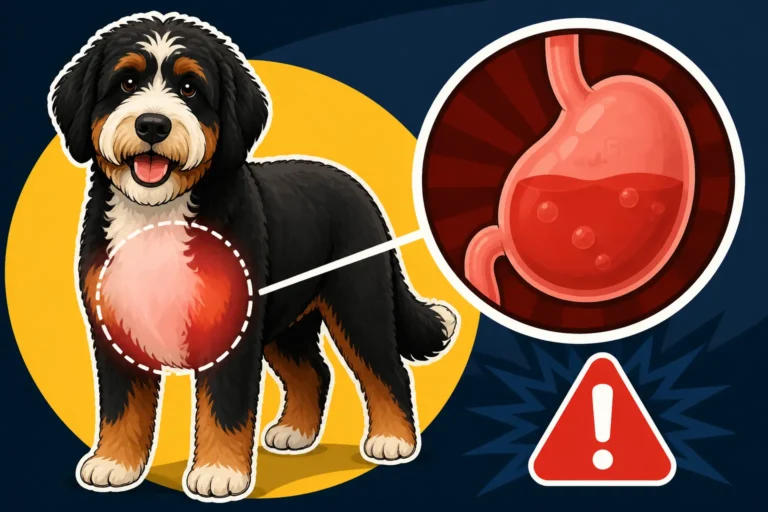
For many Bernedoodles, swimming is not just a cooling method; it's a source of immense joy and exercise. The Poodle side of their lineage often brings a natural affinity for water, making them eager participants in aquatic fun. This low-impact exercise is fantastic for their joints, especially for a large breed susceptible to hip and elbow issues. However, this excitement can also be a double-edged sword. An overly enthusiastic Bernedoodle might over-exert themselves in the water, leading to exhaustion. They might also swallow significant amounts of water while swimming, which can lead to gastrointestinal upset or, in rare severe cases, water intoxication. For standard Bernedoodles, the deep chest that puts a standard Bernedoodle at bloat risk also means that excessive water intake, combined with exercise, could potentially contribute to the dangerous condition of bloat (gastric dilatation-volvulus), so post-swim rest and careful monitoring are crucial.
Essential Water Safety for Your Bernedoodle
While swimming offers great benefits, safety must always be your absolute top priority. Bernedoodles, despite some Poodle ancestry, aren't automatically strong swimmers, and their heavy coats can become waterlogged, making them sink more easily.
Equipping for Safety and Comfort: Life Vests and Supervision
A well-fitting life vest is non-negotiable for any Bernedoodle participating in water activities, especially if they are new to swimming or you're in open, unfamiliar water. Even if your Bernedoodle seems to be a natural swimmer, a life vest provides crucial buoyancy, reduces fatigue, and gives you a handle to easily guide or pull them to safety if needed. Look for vests with strong handles and reflective strips. Beyond gear, direct, constant supervision is paramount. Never leave your Bernedoodle unattended near water, even for a moment. Choose swimming locations carefully: calm, clean water is ideal. Avoid strong currents, steep drops, or areas with toxic algae blooms, which can be devastatingly harmful. Always check water quality before letting your dog in.
Introducing Your Bernedoodle to Water Gently
If your Bernedoodle is new to swimming, a gradual, positive introduction is key. Don't just throw them in! Start with shallow wading pools or a calm, shallow edge of a lake or beach. Use treats and praise to make it a fun experience. You might even go into the water with them to provide reassurance and a sense of security. Allow them to explore at their own pace. Some Bernedoodles take to water instantly, while others need time and patience. Forcing the issue can create a negative association, making future attempts much harder. Remember, the goal is enjoyment and safe cooling, not stress.
Critical Post-Swim Care to Prevent Issues
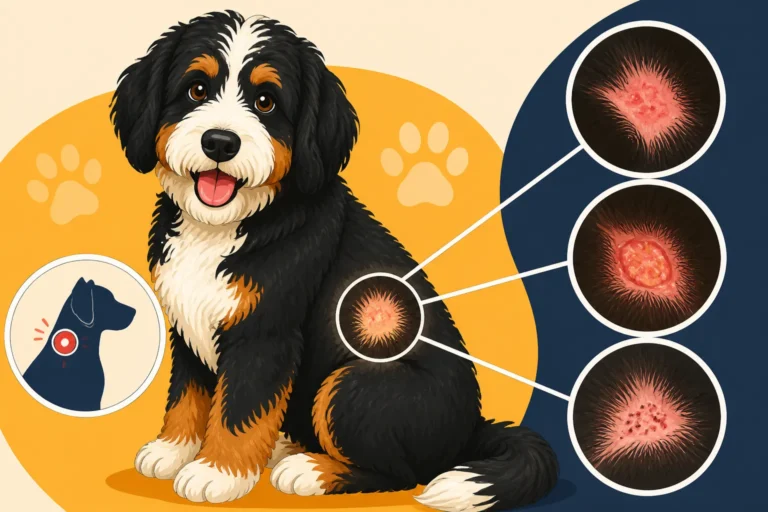
The fun doesn't end when your Bernedoodle leaves the water. Proper post-swim care is vital for their health and comfort. The most important step is thoroughly drying their coat, especially those thick undercoat layers and floppy ears. Dampness trapped in their dense fur can lead to skin irritations, hot spots, and unpleasant odors. Even more critically, their drop ears are particularly prone to trapping moisture, creating a perfect breeding ground for bacteria and yeast, which can lead to recurring ear infections in a Bernedoodle's drop ear. After every swim, gently clean and dry their ears using a vet-approved ear cleaner and cotton balls. Make sure to dry between their paw pads too, as moisture can lead to yeast infections there. Knowing how often a Bernedoodle gets ear infections will underscore the importance of this preventative measure. It's a bit of work, especially with a large standard Bernedoodle, but it's essential for preventing painful and costly infections. Some owners even invest in a high-velocity force dryer to ensure the coat is dry all the way down to the skin after a bath or swim. Consistent care, and having a reliable pet insurance plan like Healthy Paws, can help manage unexpected vet visits if your diligent post-swim routine isn't quite enough to prevent an infection.
Beyond the Pool: A Holistic Approach to Cooling
While swimming is a fantastic tool, it’s just one part of a comprehensive strategy for keeping your Bernedoodle cool and comfortable during warmer months. Combining various methods ensures their well-being, especially when you can't always be near a body of water.
Complementary Cooling Methods for Daily Life
On days when a swim isn't feasible, or as an ongoing strategy, there are many other effective ways to keep your Bernedoodle cool. Providing ample shade is crucial, whether it's a large tree in the yard or a pop-up canopy at the park. Cooling mats or elevated dog beds can provide a comfortable, cool spot indoors or out. Frozen treats, like Kongs stuffed with peanut butter or plain yogurt and frozen, offer a delicious and prolonged cooling activity. Ensure they always have access to fresh, cool water, perhaps even adding ice cubes to their bowl. Remember, the temperature a Bernedoodle should not be walked in can be surprisingly low, so adjusting walk times to early mornings or late evenings is key. For more detailed advice, looking into how to cool a Bernedoodle down safely can provide a wealth of additional strategies.
Coat Management and Professional Care
Regular grooming plays an enormous role in helping your Bernedoodle manage heat. While shaving them completely might seem intuitive, it can actually be detrimental. A very short shave can expose their sensitive skin to sunburn and interfere with their natural insulation properties. Instead, opting for a shorter, functional clip that allows for better air circulation without completely removing their protective barrier is often recommended. This means keeping their coat free of mats, as matted fur severely reduces airflow and traps heat. Regular brushing, even daily during shedding seasons, helps remove loose undercoat and allows for better air circulation. A professional groomer can advise on the best summer clip for your Bernedoodle, considering their specific coat type and lifestyle. You might even wonder whether a shaved Bernedoodle handles heat better, and understanding the nuances here is important.
Comparative Cooling Methods for Your Bernedoodle
| Cooling Method | Pros | Cons | Best Use Case |
|---|---|---|---|
| Swimming (Water Play) | Highly effective cooling; good low-impact exercise | Requires supervision; risk of ear infections/bloat; not always available | Active cooling on hot days; joint-friendly exercise |
| Shade & Hydration | Simple, essential, always necessary | Not enough for extreme heat; only prevents overheating, doesn't actively cool | Daily prevention; essential alongside other methods |
| Cooling Mats/Vests | Portable, can provide continuous relief; no water needed | Can be expensive; some dogs chew on mats; vests can get heavy | Targeted cooling indoors/out; travel; post-exercise cool-down |
| Timing Walks | Prevents exposure to peak heat; natural exercise | Limits outdoor activity time; doesn't actively cool once hot | Essential daily routine adjustment |
| Professional Grooming | Improves air circulation; prevents matting; reduces heat retention | Can be costly and time-consuming; improper cuts can harm skin | Long-term heat management; coat health; year-round comfort |
When combining methods, remember that diligence is your best friend. Always observe your Bernedoodle for any signs of discomfort or overheating, and never hesitate to contact your veterinarian if you have concerns. Investing in a good pet insurance policy, such as from Healthy Paws, can provide a valuable safety net for those unexpected vet visits related to heatstroke, ear infections, or other health issues that might arise despite your best efforts.
Disclaimer
This article is intended for informational purposes only and does not constitute veterinary advice. Always consult with a qualified veterinarian for any health concerns or before making decisions about your Bernedoodle's care or treatment.