Whether a Bernedoodle’s Ear Canal Needs Clearing
One of the most common worries Bernedoodle parents have centers right around those adorable floppy ears. With their thick, often curly, coats and those wonderfully expressive drop ears, it's easy for gunk to build up, leading to discomfort or worse, nasty infections. If you've ever found yourself peering into your beloved Bernedoodle's ear canal, wondering if it needs some serious attention, you're in the right place. This guide is all about demystifying Bernedoodle ear care and helping you keep those ears healthy and happy.
Understanding Your Bernedoodle's Unique Ear Structure
Let's face it, a Bernedoodle's ears are a significant part of their charm. Those soft, velvety flaps just beg for a gentle scratch. But what makes them so special also makes them a bit of a challenge when it comes to hygiene. Understanding the unique anatomy and characteristics of your Bernedoodle's ears is the first step toward effective care.
The Anatomy of a Bernedoodle Ear
Unlike dogs with erect ears, like a German Shepherd, Bernedoodles inherit their characteristic "drop ears" from both their Bernese Mountain Dog and Poodle parents. These ears hang down, covering the opening of the ear canal. While this gives them that adorable, soulful look, it creates a warm, moist environment inside the ear canal. Imagine wearing earmuffs all the time – that's essentially what your Bernedoodle's ear canal experiences.
Deep inside, the ear canal itself isn't a straight shot like ours. It has a vertical section and then turns sharply to a horizontal section, making it an L-shape. This intricate design, combined with the normal growth of ear wax and debris, means things can easily get trapped. On top of that, many Bernedoodles, especially those with more Poodle-like coats, grow hair inside their ear canals. This hair acts like a tiny net, catching more wax, dirt, and moisture, further impeding airflow and creating a perfect breeding ground for bacteria and yeast.
Why Bernedoodle Ears Are Prone to Issues
Because of this unique anatomy, Bernedoodles are inherently more susceptible to ear problems than breeds with open, airy ear canals. The covered ear opening reduces ventilation, which means any moisture that gets in (from bathing, swimming, or even just humidity) has a hard time evaporating. This creates an ideal humid microclimate for opportunistic pathogens like yeast and bacteria to flourish.
When you combine that warm, moist environment with the hair growth inside the canal, you've got a recipe for trouble. The hair can become matted with wax and debris, forming plugs that block the canal even further. This blockage not only traps more moisture and microbes but also makes it incredibly difficult for ear cleaning solutions to penetrate and do their job. It's a frustrating cycle for many owners, and it's why conditions like Ear Infections in a Bernedoodle's Drop Ear are so common. It’s not a reflection of your care, but often a biological predisposition you simply have to manage proactively.
When and How to Clear a Bernedoodle's Ear Canal
Knowing why Bernedoodle ears are troublesome is one thing, but knowing when and how to address it is where the rubber meets the road. It's not about constant deep cleaning, but rather attentive observation and appropriate intervention.
Recognizing Signs of Trouble
Your Bernedoodle will usually give you clues if their ears are bothering them. They can't tell you in words, but their behavior and the appearance of their ears will speak volumes. Keep a watchful eye out for any of these signs:
- Excessive scratching or rubbing: If your Bernedoodle is constantly pawing at their ears, rubbing them on the carpet, or shaking their head vigorously, it's a huge red flag.
- Redness or swelling: Gently lift the ear flap and look inside. Is the skin red, inflamed, or swollen? Compare it to the other ear if only one seems affected.
- Unpleasant odor: A healthy ear has a very faint, neutral smell. If you detect a strong, yeasty, or foul odor coming from the ear, it's a sure sign of infection. Trust your nose on this one!
- Discharge: Look for any unusual discharge – dark brown, yellowish, greenish, or waxy build-up. The color and consistency can sometimes hint at the type of infection.
- Pain or sensitivity: If your dog whines, flinches, or pulls away when you touch their ear, they are in pain.
- Changes in behavior: Sometimes, an ear infection can make a dog lethargic, irritable, or even cause a loss of balance if it's severe or affects the inner ear.
If you notice any of these symptoms, it's always best to consult your veterinarian promptly. Early intervention can prevent minor irritation from escalating into a full-blown, painful infection that might require more aggressive treatment. Don't wait hoping it will clear up on its own; that rarely happens with ear issues in breeds like Bernedoodles. Pet insurance plans, like those from Healthy Paws, can be a real lifesaver when these unexpected vet visits crop up.
The Role of Routine Cleaning and Hair Plucking
For general maintenance, routine cleaning is key. The goal here is to remove superficial wax and debris before it has a chance to accumulate and cause problems.
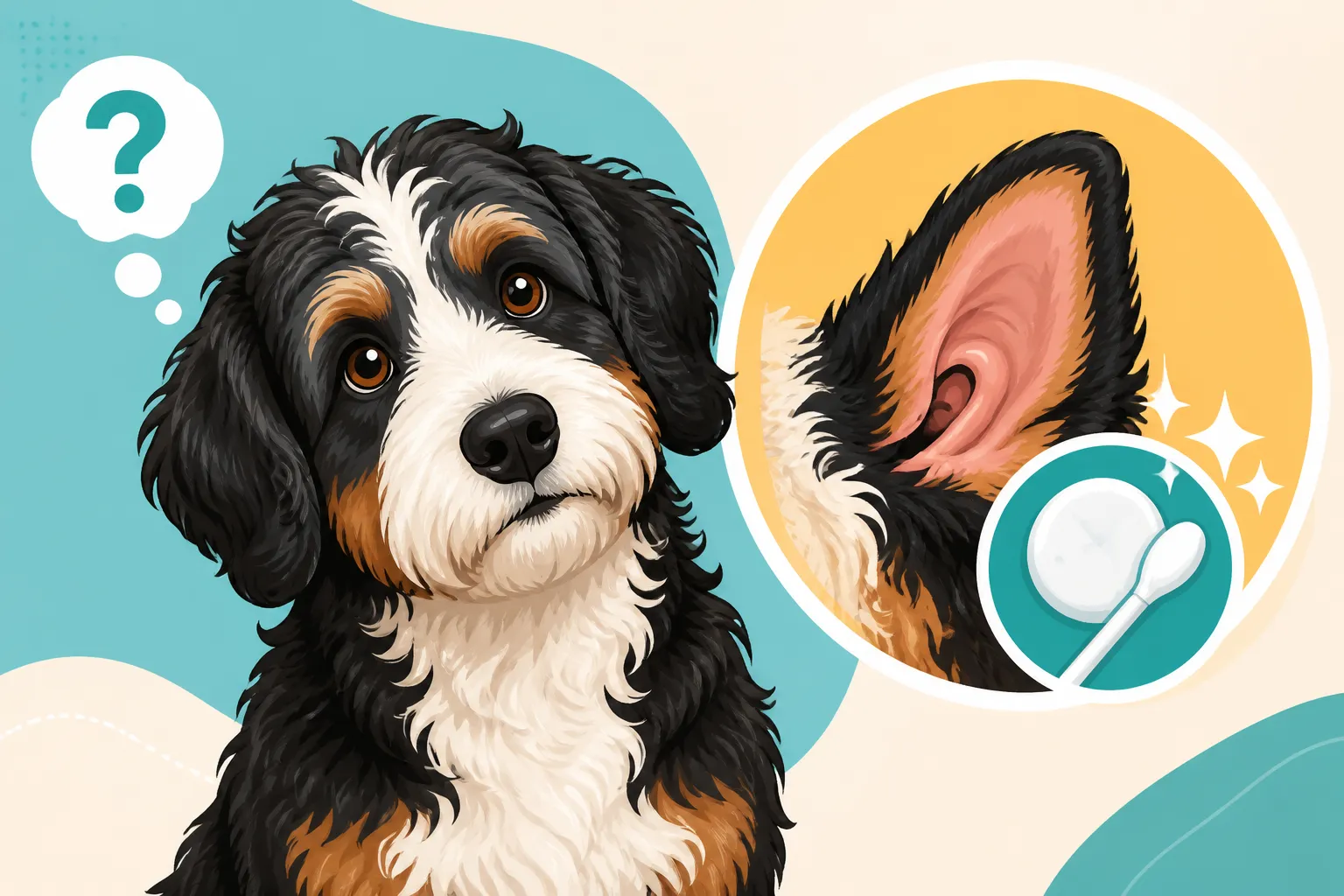
- Routine Cleaning: You can use a veterinarian-approved ear cleaner specifically designed for dogs. Never use alcohol, hydrogen peroxide, or harsh soaps, as these can irritate the delicate ear canal lining.
- Preparation: Gather your supplies: ear cleaner, cotton balls or gauze pads (avoid Q-tips, as they can push debris further in), and treats for cooperation.
- Application: Gently pull back your Bernedoodle's ear flap. Apply the ear cleaner directly into the ear canal until it's full.
- Massage: Gently massage the base of the ear for about 20-30 seconds. You should hear a squishing sound, which means the cleaner is breaking up wax and debris.
- Wipe: Allow your Bernedoodle to shake their head (have a towel ready!). Then, use a cotton ball or gauze to wipe away any excess cleaner and loosened debris from the outer ear and the visible part of the ear canal. Never insert anything deep into the canal.
- Reward: Always end with praise and a treat to make it a positive experience.
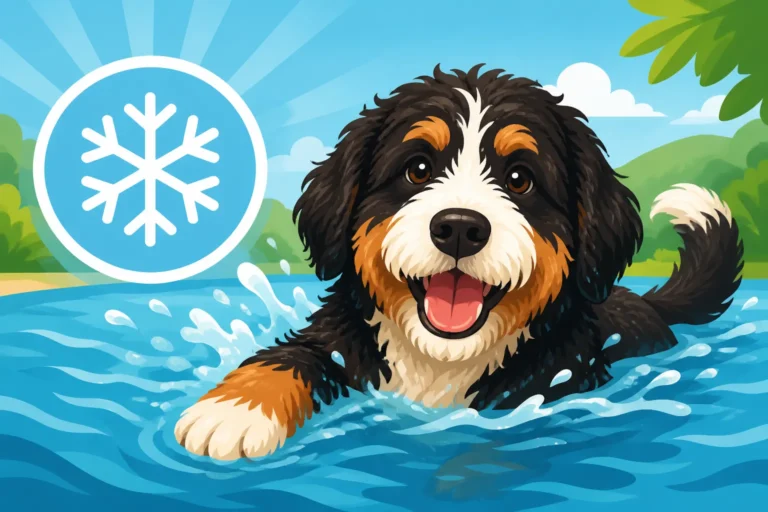
How often should you clean? It varies. Some Bernedoodles need it weekly, others every few weeks. If your dog loves to swim, like many Bernedoodles do, you might need to clean and dry their ears more frequently. Remember to thoroughly dry them after any water exposure – it's crucial for preventing moisture-related issues, as covered in Whether a Bernedoodle's Ears Need Drying After Swimming.
-
Hair Plucking: This is where opinions often diverge. Some groomers and owners swear by routine ear hair plucking to improve airflow and reduce trapped debris. Others argue it can cause micro-traumas to the ear canal, leading to inflammation and actually increasing the risk of infection.
- The Argument for Plucking: Proponents believe removing excess hair allows for better airflow, reduces moisture, and prevents wax and dirt from getting caught. It makes cleaning easier and can be beneficial for dogs prone to chronic ear infections due to heavy hair growth.
- The Argument Against Plucking: Critics point out that plucking can irritate the sensitive skin of the ear canal, leading to inflammation. If done improperly, it can introduce bacteria into hair follicles, causing folliculitis or other issues. For many dogs, hair inside the ear canal may not be an issue at all.
My advice? If your Bernedoodle is constantly battling ear infections despite regular cleaning and diligent drying, and your vet suspects ear canal hair is a major contributing factor, then consider discussing professional ear plucking with your veterinarian or a very experienced groomer. It should always be done gently and carefully, with sterile powder if used, to minimize irritation. For most Bernedoodles, simply keeping the outer ear flap clean and dry, and the canal clear of excessive wax through regular cleaning, is sufficient.
Professional Intervention for Serious Blockages
Sometimes, what you can do at home isn't enough. If your Bernedoodle has a severe ear infection, a complete blockage of the ear canal due to matted hair and discharge, or a foreign object lodged deep inside, professional veterinary intervention is absolutely necessary.
Your vet might need to perform a deep ear cleaning, often requiring sedation, especially if the ear is painful or the dog is uncooperative. This allows them to thoroughly flush the canal, remove all debris, and get a clear view of the eardrum to check for damage. They can also take samples for cytology (looking at cells under a microscope) or culture to identify the specific type of bacteria or yeast causing the infection, allowing for targeted medication.
They might prescribe medicated ear drops (antibiotics, antifungals, or anti-inflammatories) to clear up the infection. It's incredibly important to follow your vet's instructions precisely and complete the entire course of medication, even if your dog's ear seems better after a few days. Stopping early can lead to a relapse and drug-resistant infections. This is another area where having pet insurance like Healthy Paws can provide peace of mind, covering a significant portion of these diagnostic and treatment costs.
Preventing Ear Canal Problems in Bernedoodles
An ounce of prevention is worth a pound of cure, especially with Bernedoodle ears. Proactive steps can save you and your furry friend a lot of discomfort, stress, and vet bills.
Maintaining Ear Health Through Grooming
Your regular grooming routine isn't just about looking good; it's vital for health. For Bernedoodles, coat maintenance is a full-time job, and that extends to their ears.
- Regular Brushing: While you're brushing their beautiful coat, pay attention to the hair around and inside the ear flaps. Keep it trimmed relatively short to prevent it from falling into the ear canal or matting around the opening. Mats around the ear can pull on the skin and cause irritation, which can then predispose the ear to infection. You can read more about overall coat and skin issues in Skin Problems Under a Bernedoodle's Heavy Coat.
- Drying After Water Exposure: This cannot be stressed enough. Whether it's a bath at home, a trip to the groomer, a romp in the rain, or a swim in the lake, thoroughly dry your Bernedoodle's ears immediately afterward. Use a soft towel to absorb as much moisture as possible from the outer ear and the visible part of the canal. You can also use a small amount of veterinary-approved ear drying solution if your dog is particularly prone to moisture-related issues.
- Professional Grooming: A good groomer who understands Bernedoodles will often pay special attention to the ears. They can trim excess hair around the ear opening and may offer gentle ear cleaning services as part of their routine. Discuss your Bernedoodle's specific ear needs with your groomer.
Dietary Considerations and Allergies
Sometimes, ear problems aren't just about external factors; they can be a symptom of underlying issues like allergies. Just like in people, food or environmental allergies in dogs can manifest in various ways, and itchy, inflamed ears are a common one.
- Food Allergies: If your Bernedoodle consistently suffers from ear infections, even with diligent cleaning, your vet might suggest exploring potential food allergies. Common culprits include certain proteins (like chicken, beef, or dairy) or grains. A food elimination diet, under veterinary guidance, involves feeding a novel protein or hydrolyzed protein diet for several weeks to see if symptoms improve.
- Environmental Allergies: Pollen, dust mites, and molds can also trigger allergic reactions that lead to ear inflammation. Your vet might discuss antihistamines, allergy shots, or other treatments to manage these.
- Supplements: Some owners find success with supplements like omega-3 fatty acids, which can help reduce inflammation throughout the body, including the ears. Always discuss any new supplements with your vet to ensure they are appropriate for your Bernedoodle.
Maintaining a balanced, high-quality diet is crucial for overall health, which in turn supports a strong immune system capable of fighting off infections. If you are concerned about persistent ear issues, bring it up during The Screening a Bernedoodle Should Have Yearly with your vet.
The Importance of Regular Vet Check-ups
Regular veterinary check-ups are paramount for proactive health management, especially concerning chronic conditions like ear issues. These visits aren't just for vaccinations; they're an opportunity for your vet to perform a thorough physical examination, which always includes a good look at your Bernedoodle's ears.
During a routine check-up, your vet will:
- Visually inspect the outer ears and ear canals.
- Use an otoscope to look deeper into the ear canal and examine the eardrum. This allows them to see blockages, inflammation, or damage that you can't see at home.
- Discuss any concerns you might have about your dog's ear health.
- Offer advice on cleaning techniques, suitable products, and whether plucking might be beneficial for your specific dog.
Catching potential problems early, before they become severe, is the best way to keep your Bernedoodle comfortable and healthy. Don't underestimate the power of these routine appointments – they are a cornerstone of responsible pet ownership and can often help avoid more costly and uncomfortable treatments down the line.
| Symptom | Possible Cause | Action to Take |
|---|---|---|
| Excessive Head Shaking/Scratching | Irritation, presence of foreign object, early infection, allergies | Check for visible debris or redness. Clean gently if appropriate. If persistent or severe, consult vet. |
| Redness/Swelling of Ear Flap or Canal | Inflammation, infection (bacterial/yeast), allergic reaction, insect bite | Urgent Vet Visit. Avoid putting anything in until vet examines. |
| Foul, Yeasty, or Sweet Odor | Bacterial or yeast infection | Vet Visit. This almost always indicates an infection that requires medication. |
| Dark Brown/Black Waxy Discharge | Yeast infection, ear mites (especially in puppies), trapped dirt | Clean gently with vet-approved cleaner. If persistent, Vet Visit. Ear mites need specific treatment. |
| Yellow/Green Pus-like Discharge | Bacterial infection (often secondary to yeast or foreign body) | Urgent Vet Visit. This is a clear sign of a significant bacterial infection. |
| Pain or Tenderness to Touch | Infection, trauma, foreign object, inflammation | Urgent Vet Visit. Your dog is in pain and needs professional help. |
| Holding Ear Down or Tilting Head | Pain, hearing impairment, discomfort | Vet Visit. Could indicate inner ear issue or severe infection. |
| Hair Matting in Canal | Lack of airflow, trapped moisture/wax, improper grooming | Discuss with vet or experienced groomer. May require gentle plucking or trimming. |
Disclaimer
The information provided in this article is for general informational purposes only and is not intended as a substitute for professional veterinary advice. Always consult with a qualified veterinarian regarding any medical concerns or before making any decisions about your Bernedoodle's health care.