How Often a Bernedoodle Gets Ear Infections
It's incredibly frustrating when your sweet Bernedoodle starts scratching at their ears, shaking their head, or worse, develops that tell-tale yeasty odor that signals another ear infection is brewing. You love those floppy, fluffy ears, but dealing with recurrent infections can feel like a never-ending battle, leaving you wondering why your beloved companion seems so prone to this uncomfortable issue and what you can possibly do to help. This guide is here to shed some light on why Bernedoodles often face these challenges and equip you with practical strategies to prevent and manage ear infections, bringing some much-needed relief to both you and your furry friend.
Understanding Why Bernedoodles Are Prone to Ear Infections
Bernedoodles are absolutely wonderful dogs, a fantastic blend of the intelligent Poodle and the gentle Bernese Mountain Dog. But like all breeds, or in this case, hybrids, they come with their own unique set of predispositions. When it comes to ear infections, it’s a perfect storm of inherited traits that makes them particularly susceptible. It's not just bad luck; it's often a combination of their distinctive ear shape, dense coat, and potential underlying sensitivities.
The Anatomy of Those Adorable Drop Ears
Let's be honest, those soft, floppy Bernedoodle ears are a huge part of their charm. They hang down, framing their expressive faces beautifully. However, this charming feature is also a major contributing factor to recurrent ear infections. Unlike dogs with upright, pricked ears that allow for excellent airflow, a Bernedoodle's drop ears create a warm, dark, and often humid environment. Think about it: a perpetually covered ear canal means that air can't circulate freely to dry out any moisture that gets trapped inside.
This lack of ventilation creates an ideal breeding ground for bacteria and yeast, the most common culprits behind canine ear infections. After a bath, a swim, or even just a particularly humid day, that moisture can linger, turning your Bernedoodle's ear canal into a veritable petri dish. It's a design flaw, in a way, that we as owners have to be extra vigilant about.
The Role of Their Famous Coat
Ah, the Bernedoodle coat! Whether you have one with The Wavy Coat Most Bernedoodles Carry or perhaps a gorgeous The Curly Coat Bernedoodle and Its Upkeep, that luxurious, low-shedding fur is a huge draw. But while it's a blessing for allergy sufferers, it can be a bit of a curse for ear health. Bernedoodles often have hair that grows not just on the outside of their ears, but deep inside the ear canal itself. This thick, soft hair acts like a furry dam, further obstructing airflow and trapping even more moisture, wax, and debris.
Imagine trying to keep a long-haired human's ear canal clean and dry when it's constantly filled with dense hair. It's tough! This trapped material quickly becomes a food source for opportunistic microbes, exacerbating the problem created by the drop ears. Without proper and consistent care, this combination sets the stage for frequent, uncomfortable infections. This is why some owners debate Whether a Bernedoodle's Ear Canal Needs Clearing by plucking, though it's a topic with varying opinions among vets and groomers.
Allergic Predispositions
Beyond the structural and coat-related issues, many Bernedoodles inherit a propensity for allergies, which can manifest as ear infections. Both Poodles and Bernese Mountain Dogs can be prone to environmental allergies (atopy) or food sensitivities. When a dog has allergies, their immune system overreacts to otherwise harmless substances, leading to inflammation throughout their body, including the ears.
This inflammation causes the skin lining the ear canal to become red, itchy, and swollen, often leading to increased wax production. This altered environment makes it even easier for bacteria and yeast to take hold and proliferate, turning a simple allergic flare-up into a full-blown ear infection. It's a vicious cycle: allergies cause inflammation, which promotes infection, which then makes the ears even more inflamed and itchy. It's a common reason why you might see your Bernedoodle persistently scratching at their ears, even when they appear clean, and why sometimes, the issue isn't just about cleaning but about managing the underlying allergic response. If you've also noticed Whether a Bernedoodle Gets Yeast Between Its Toes, it's often a sign of a systemic yeast overgrowth or allergic reaction, with the ears being another common site.
Recognizing the Signs and Frequency of Ear Infections
It's easy to miss the early signs of an ear infection, especially with those fluffy Bernedoodle ears obscuring the view. But becoming attuned to your dog's subtle cues can make all the difference in catching and treating an infection before it escalates into something more serious and painful.
Subtle Clues and Obvious Symptoms
Your Bernedoodle can't tell you in words that their ear hurts, so it's up to us to interpret their behavior. Sometimes, the first signs are incredibly subtle. You might notice your dog shaking their head just a little more frequently than usual, or perhaps rubbing their ear along the carpet or furniture. They might become slightly head-shy, pulling away when you reach to scratch behind their ear.
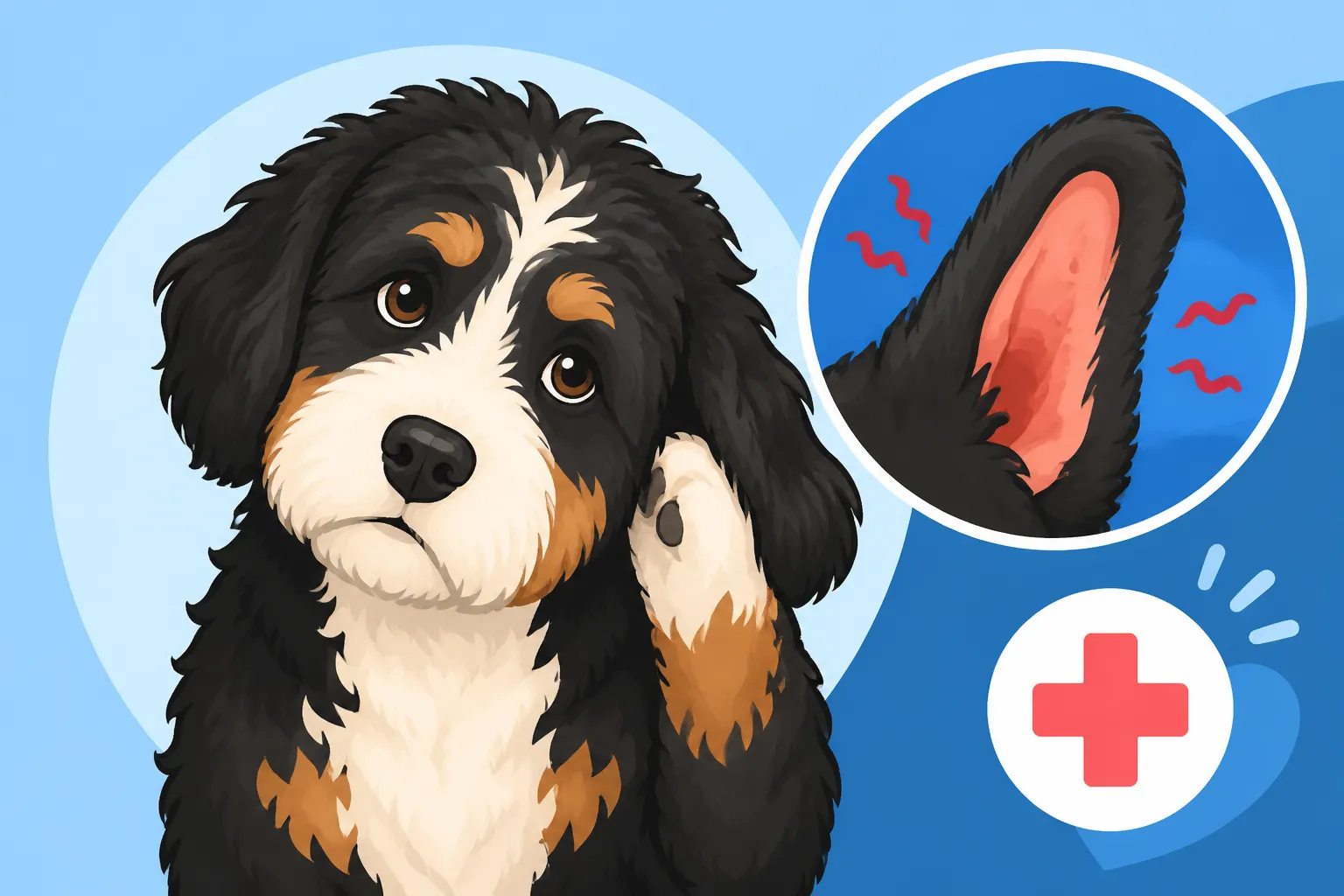
As the infection progresses, the symptoms become much more obvious. You'll likely see increased head shaking and vigorous scratching at the affected ear. When you lift their ear flap, you might notice redness, swelling, or even an unpleasant odor – often described as sweet, yeasty, or even rotten, depending on the type of infection. There might be discharge, which can range from dark brown, waxy gunk to yellowish or greenish pus. In severe cases, your Bernedoodle might hold their head tilted, cry out when you touch their ear, or even become lethargic and lose their appetite. It can be truly heartbreaking to see them in such discomfort.
How Often is "Too Often"?
For many Bernedoodle owners, the question isn't if they'll get an ear infection, but how often. While an occasional ear infection once every year or two might be manageable, dealing with them every few months, or even becoming a chronic issue, is certainly "too often." A good rule of thumb is that if your Bernedoodle is getting ear infections more than two or three times a year, it's definitely time to have a serious conversation with your veterinarian about underlying causes.
Sometimes, the frequency is tied to specific activities. For example, if your Bernedoodle loves to swim, you might find that infections pop up shortly after water excursions. Or perhaps they coincide with seasonal allergies, appearing most often in spring or fall. Keeping a log of when infections occur can help you and your vet identify patterns. Chronic ear infections can be incredibly disheartening, not just for your dog, who is constantly uncomfortable, but also for you, as they require ongoing vigilance and often costly treatments. You might also notice other Skin Problems Under a Bernedoodle's Heavy Coat if allergies are the underlying cause.
The Impact of Chronic Infections
Allowing ear infections to become chronic, or not treating them thoroughly each time, can have serious long-term consequences for your Bernedoodle. Repeated inflammation and infection can lead to permanent changes in the ear canal. The lining can thicken, calcify, and even narrow, making it even harder for air to circulate and medications to penetrate effectively. This condition, known as chronic otitis externa, can lead to severe pain, hearing loss, and even neurological issues if the infection spreads to the inner ear.
In some cases, the pain and discomfort can become so intense that it affects your Bernedoodle's overall demeanor. They might become withdrawn, irritable, or even show aggression when their ears are touched, simply because they associate it with pain. In the most severe, untreatable cases, a total ear canal ablation (TECA) surgery might be recommended, which is a major, expensive procedure to remove the diseased ear canal entirely. This is why proactive care and early, effective treatment are so crucial to prevent these escalating issues.
Proactive Strategies for Prevention and Management
The good news is that while Bernedoodles are prone to ear infections, there's a lot you can do as an owner to minimize their frequency and severity. It’s all about consistent, proactive care and working closely with your vet.
Establishing a Regular Ear Cleaning Routine
This is probably the single most important thing you can do for your Bernedoodle's ear health. A consistent cleaning schedule helps remove excess wax, debris, and any lingering moisture before it can lead to problems. How often? It depends on your dog. For some, weekly cleaning is perfect, while others might need it every few days, especially if they’re prone to issues or love to swim.
You'll need a veterinarian-approved ear cleaning solution – avoid using alcohol or hydrogen peroxide, as these can be irritating. Gently lift your Bernedoodle's ear flap and squirt a generous amount of cleaner into the ear canal until it's full. Massage the base of the ear for about 30 seconds; you'll hear a squishing sound as the solution breaks up debris. Then, let your dog shake their head – stand back! Finally, use cotton balls or soft gauze to wipe away any visible solution and gunk from the inner ear flap and the opening of the canal. Never use cotton swabs inside the ear canal, as you can push debris further in or damage the eardrum. For a more detailed walkthrough, check out our guide on Cleaning a Bernedoodle's Ears.
Strategic Grooming for Ear Health
Because of that dense ear hair, grooming plays a critical role. Many Bernedoodle owners opt to have the hair around and just inside the ear canal trimmed or plucked. The idea is to open up the ear canal for better airflow and to prevent mats from forming deep inside the ear.
However, there’s a debate about ear plucking. Some vets and groomers advocate for it, arguing it's essential for dogs with excessive ear hair. Others caution that plucking can irritate the delicate skin of the ear canal, potentially causing micro-traumas that make it more susceptible to infection. If you decide to pluck, it should always be done gently by a professional groomer or vet tech who knows how to do it correctly, or very carefully at home with appropriate powder and tools. The safest bet for most Bernedoodles is to simply keep the hair around the ear opening trimmed short to encourage airflow without irritating the inner canal. Ask your groomer for advice specific to your dog's ear hair growth.
Addressing Underlying Causes
If your Bernedoodle is still battling recurrent ear infections despite diligent cleaning and grooming, it's highly likely there's an underlying cause, most commonly allergies. This is where working with your vet becomes paramount. They might suggest diagnostic tests to pinpoint specific allergies.
Managing allergies often involves a multi-pronged approach:
- Dietary changes: Sometimes, switching to a novel protein or hydrolyzed protein diet can make a huge difference if food allergies are suspected.
- Environmental allergy management: This could include antihistamines, medicated shampoos, or even allergy shots (immunotherapy) if specific environmental triggers are identified. You might also want to look into Whether a Bernedoodle Itches From Atopy or Fleas to explore potential triggers beyond the ears.
- Regular vet check-ups: These are crucial to monitor progress and adjust treatment plans. Part of The Screening a Bernedoodle Should Have Yearly should definitely include a thorough ear check.
By addressing these root causes, you can often dramatically reduce the frequency of ear infections and improve your Bernedoodle's overall quality of life.
When to See the Vet
It's easy to fall into the trap of thinking, "Oh, it's just another ear infection, I can handle this at home." But here's the thing: ear infections often require specific medications to clear up completely, and without proper diagnosis, you might be treating the wrong thing, or worse, delaying effective treatment.
You should always see your vet if:
- It's your Bernedoodle's first ear infection.
- The infection doesn't clear up with home care within a day or two.
- There's significant pain, swelling, discharge, or a foul odor.
- Your dog is shaking their head constantly, tilting their head, or showing signs of being unwell.
- The infection keeps recurring, even after treatment.
Your vet will be able to properly examine the ear canal, take a swab to identify the specific type of bacteria or yeast involved, and prescribe the appropriate medication, whether it's topical drops, oral antibiotics, or anti-inflammatories. They can also rule out more serious issues like foreign objects in the ear or polyps.
Living with a Bernedoodle Prone to Ear Issues
Managing a Bernedoodle prone to ear infections is an ongoing commitment, but with the right routines and knowledge, you can keep them much more comfortable and healthy.
Managing Moisture After Water Activities
Bernedoodles often love water! Whether it's a dip in the lake, a romp in the rain, or a thorough bath at home, wet ears are an invitation for infection. It’s absolutely critical to dry your Bernedoodle's ears thoroughly after any water exposure.
After swimming or bathing, use a soft towel to gently blot and dry the outer ear flap. Then, take a cotton ball or a piece of gauze and gently wipe inside the visible part of the ear canal. You can also use a veterinarian-approved ear drying solution, which typically contains ingredients that help acidify the ear canal and evaporate moisture. A quick application of this after any water play can be a game-changer. Don't forget that powerful head shake most Bernedoodles do; encourage it outside! For more insights, refer to Whether a Bernedoodle's Ears Need Drying After Swimming.
The Importance of Diet and Supplements
What your Bernedoodle eats can have a direct impact on their overall skin and coat health, and by extension, their ear health. If allergies are a contributing factor to your Bernedoodle's ear issues, a high-quality, balanced diet free of common allergens can make a significant difference.
Consider discussing with your vet whether a limited-ingredient diet or a hydrolyzed protein diet could be beneficial. Some owners find that adding omega-3 fatty acid supplements (like fish oil) can also help reduce inflammation and improve skin barrier function, which can indirectly benefit ear health. Always introduce new foods or supplements gradually and under veterinary guidance, especially if you suspect sensitivities.
Financial Considerations and Pet Insurance
Let's be realistic: chronic ear infections aren't just a pain, they can be a significant drain on your wallet. Vet visits, ear flushes, diagnostic tests, medications, and specialized ear cleaners can add up quickly. If your Bernedoodle is consistently battling ear issues, these recurring costs can become a real burden.
This is where pet insurance can be a genuine lifeline. Investing in a comprehensive pet insurance policy can help offset the costs of recurrent ear infections, allowing you to prioritize your Bernedoodle's health without constantly worrying about the bill. Many Bernedoodle owners find peace of mind with providers such as Healthy Paws when faced with ongoing health challenges. A good policy will typically cover diagnostics, medication, and even specialist visits related to chronic conditions like otitis. While routine cleaning supplies usually aren't covered, the treatment for actual infections often is, making it a worthwhile consideration for any Bernedoodle owner.
Ear Care Routine Comparison
To help navigate the best approach for your Bernedoodle, here's a general comparison of ear care routines based on typical scenarios:
| Scenario | Recommended Cleaning Frequency | Grooming Approach for Ears | Additional Considerations |
|---|---|---|---|
| Healthy Ears, No History of Issues | Every 1-2 weeks | Trim hair around ear opening; minimal or no plucking | Monitor for changes; ensure proper drying after baths |
| Prone to Mild/Occasional Infections | Weekly, or every 3-5 days | Trim ear hair regularly; discuss light plucking with vet/groomer | Use ear drying solution after water exposure; consider seasonal allergy management |
| Chronic/Recurrent Infections | Every 2-3 days, or as directed by vet | Regular trimming/plucking (if recommended); professional grooming | Vet work-up for allergies/underlying causes; dietary changes; medicated cleaner if needed |
| Swimmer/Outdoor Enthusiast | Immediately after swimming/bath, then weekly | Keep hair around ear opening short | Essential use of ear drying solution; ensure thorough drying to prevent moisture buildup |
Disclaimer
The information provided in this article is for general informational purposes only and is not a substitute for professional veterinary advice. Always consult with a qualified veterinarian for any health concerns or before making any decisions related to your pet's health and treatment.