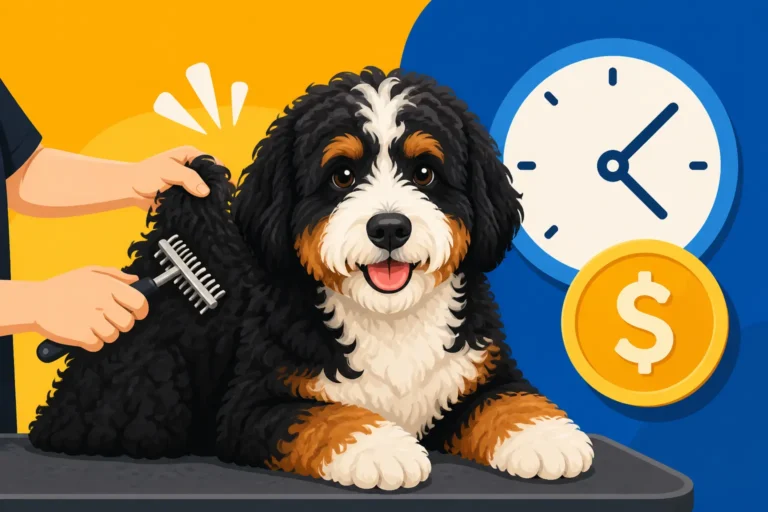
Why a Bernedoodle Groom Takes Three Hours
You've just picked up your beautiful Bernedoodle from the groomer, and while they look absolutely pristine, you can't help but wonder why it took three hours. It feels like an eternity, doesn't it? Many Bernedoodle owners share this thought, often feeling a mix of gratitude for the stunning result and bewilderment at the sheer length of the process. This comprehensive guide will peel back the layers of that gorgeous, fluffy coat to explain exactly why grooming your Bernedoodle is such a significant undertaking.
The Unique Complexity of the Bernedoodle Coat
The Bernedoodle's coat is a delightful, yet demanding, blend of its Bernese Mountain Dog and Poodle parents. It's not just "fluffy"; it's a carefully engineered (by nature and breeders!) marvel that requires specific, time-consuming care. Understanding its structure is the first step to appreciating the groomer's marathon effort.
Diverse Coat Types and Their Demands
Unlike many breeds with a single, predictable coat type, Bernedoodles can present a spectrum. You might have one with a relatively straight, soft coat that leans more towards the Bernese side, or a tightly curled, almost Poodle-like fleece. Most, however, fall somewhere in between, sporting that signature wavy, shaggy look.
Each of these variations comes with its own set of grooming challenges. A straighter coat, while appearing easier, can still shed a surprising amount and develop dense undercoat mats. The wavy coat, often praised for being "low-shedding," is a master of entanglement; its waves act like tiny hooks, catching loose hairs and debris, forming mats quickly. Then there's the curly coat, which, while often the most hypoallergenic and least shedding, demands constant, meticulous line brushing to prevent mats from forming at the root, right down to the skin. The groomer needs to assess this coat type the moment your dog walks in, as it dictates their entire approach. You might even discover that The Wavy Coat Most Bernedoodles Carry or The Curly Coat Bernedoodle and Its Upkeep each have their own unique care routines that take considerable time.
The Dreaded Undercoat and Matting Potential
Here's where the Bernese side truly makes its presence known, even in a supposedly low-shedding Poodle cross. Many Bernedoodles inherit a thick, dense undercoat from their Bernese Mountain Dog lineage, particularly if they lean towards a straighter or wavier coat type. This undercoat is designed for insulation, keeping them warm in cold climates. However, when combined with the Poodle's hair-like, continuously growing topcoat, it becomes a perfect storm for matting.
Mats are not just surface-level tangles; they're often dense, felted patches that pull on the skin, causing discomfort and even pain. They can hide skin infections, parasites, or hot spots. The groomer's first and most time-consuming task is often to meticulously de-matt the coat, if possible. This isn't just a quick brush-through; it involves carefully separating the tangled hair, often strand by strand, or strategically shaving down to the skin if the matting is too severe. Imagine trying to untangle a hundred shoelaces all knotted together – that's often what a groomer faces, and it takes immense patience and gentle handling to avoid hurting your dog. This is especially true in areas like Mats in a Bernedoodle's Armpits and Britches.
Rapid Growth and Impressive Density
Poodles are known for their continuously growing hair, and Bernedoodles inherit this trait. Unlike double-coated breeds that "blow their coat" seasonally, a Bernedoodle's coat just keeps growing. This means that if left unchecked, it can quickly become long, unwieldy, and prone to matting. A few weeks between grooms can see significant growth, making the next appointment even more challenging.
Not only does it grow continuously, but it’s also incredibly dense. What looks like a fluffy, manageable coat on the surface is often packed with many layers of hair. This density means that every brush stroke, every clipper pass, and every snip of the scissors has to go through a substantial amount of fur. It's like trying to cut through a thick wool blanket compared to a thin cotton sheet. This sheer volume adds considerable time to every step of the grooming process, from washing and drying to brushing and styling. It’s particularly evident when you consider The Volume of Coat a Bernedoodle Owner Brushes Weekly to keep it manageable between professional visits.
The Grooming Process: A Three-Hour Odyssey
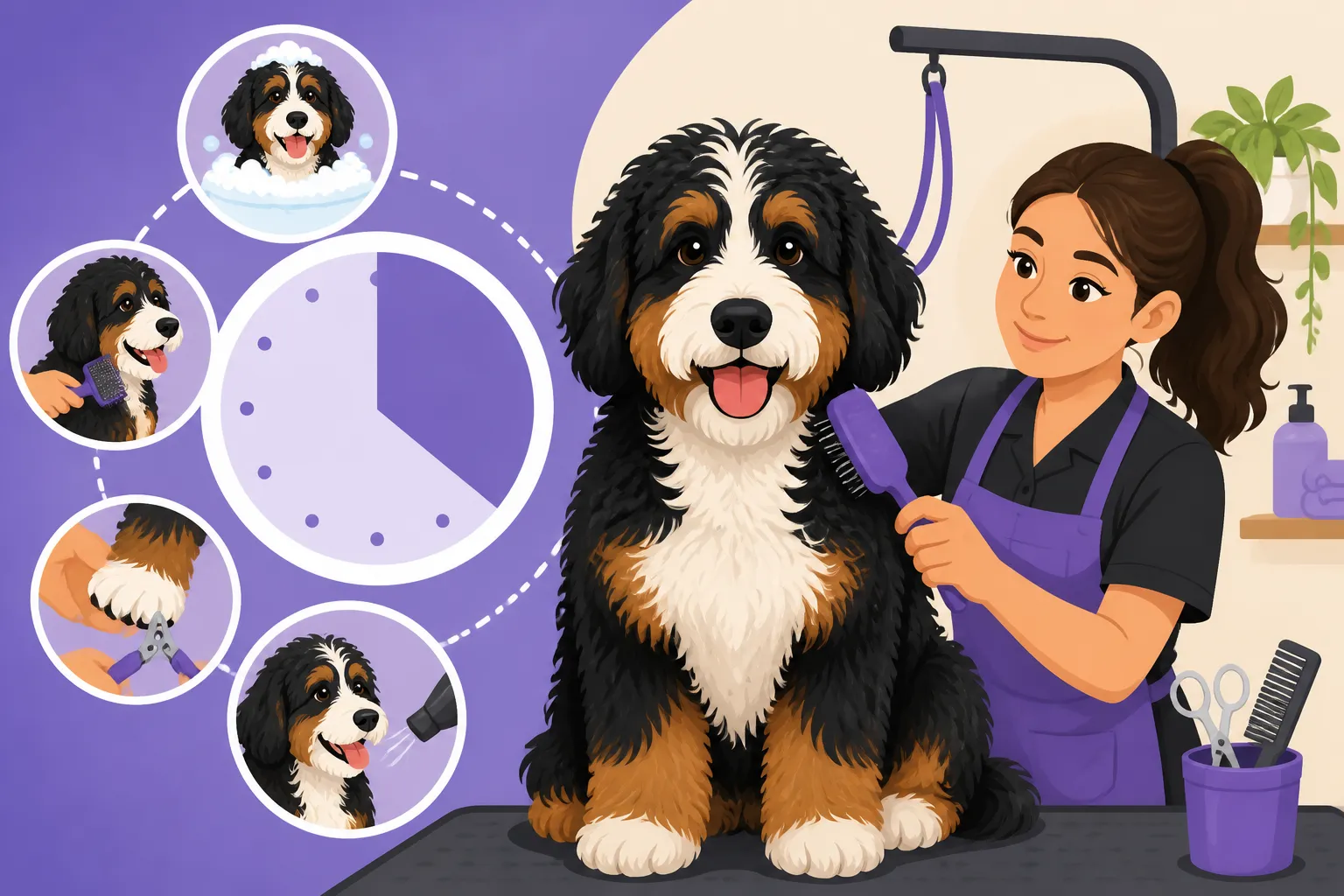
When your Bernedoodle disappears behind the salon door, it's not just getting a quick trim. A professional groomer follows a multi-stage process, each step vital and each demanding specific skills and a significant chunk of time, especially with a Bernedoodle's challenging coat.
Pre-Groom Assessment and Preparation
Before any water touches your dog, a good groomer performs a thorough assessment. This isn't just about looking at your dog; it's about feeling the coat, checking for mats, skin issues, lumps, or anything unusual. They'll discuss your desired style, assess the condition of the coat, and determine if any de-matting is feasible or if a full shave-down is necessary for the dog's comfort. This initial consultation is crucial for setting expectations and planning the entire session.
After the assessment, the prep work begins. This often involves a preliminary brush-out to remove loose debris and surface tangles, and sometimes pre-clipping if the coat is excessively long or matted. Anal gland expression, if requested, and nail trims are often done at this stage, before the coat gets wet, which can make nails softer and harder to cut cleanly. Ear cleaning and plucking (if needed and safe) are also common. All these small steps add up, laying the groundwork for a successful and comfortable groom.
The Washing and Drying Marathon
Washing a Bernedoodle isn't a quick dunk in the tub. Their dense, often water-resistant coats require thorough soaking to penetrate all layers of fur. Groomers typically use professional-grade shampoos that are highly concentrated and often require multiple applications to get through the coat to the skin. The rinsing process is equally critical and time-consuming; any shampoo residue left behind can irritate the skin and lead to matting. Imagine rinsing shampoo out of a giant, fluffy rug – that's closer to the reality of washing a Bernedoodle.
But the real time-eater, and often the most crucial step, is the drying. A Bernedoodle's coat must be dried completely and thoroughly, right down to the skin, before any clipping or scissoring can begin. If the coat is damp, clippers won't glide properly, leaving an uneven, choppy finish, and scissors will snag. Groomers use high-velocity force dryers to blast water out of the coat, which is effective but loud and can take a long time due to the coat's density. During this drying process, the groomer is often simultaneously line brushing, ensuring every strand is straight and tangle-free. This isn't just about speed; it's about preventing new mats and ensuring a smooth, even finish later. Getting a Bernedoodle dry to the skin can easily take an hour or more on its own.
The Precision of Clipping and Scissoring
Once the coat is clean and completely dry, the artistry begins. This is where the groomer shapes your Bernedoodle into the adorable, fluffy companion you know and love. Clipping involves using electric clippers with various blade lengths to achieve an even cut over large areas of the body. This takes a steady hand, knowledge of canine anatomy, and careful attention to blade temperature to avoid clipper burn.
Scissoring is even more intricate and time-consuming. It's used for detail work, shaping the head, face, ears, tail, and feet, and blending different lengths of hair seamlessly. Every snip is deliberate, designed to create a balanced, aesthetically pleasing look. This level of precision requires immense skill, an artistic eye, and constant vigilance, especially when dealing with a dog that might not always stand perfectly still. Achieving that fluffy, well-defined Bernedoodle look is a meticulous process that can't be rushed. Groomers often have to spend extra time ensuring Keeping a Bernedoodle's Face Out of Its Eyes, for instance, or meticulously trimming around sensitive areas.
Finishing Touches and Health Checks
The groom isn't over when the clipping and scissoring are done. There are still several finishing touches that ensure your Bernedoodle looks and feels its best. This includes a final brush-through to remove any loose hairs and check for missed spots, a spritz of dog-safe cologne, and perhaps a bandanna or bow.
Throughout the entire process, the groomer is also performing a continuous health check. They're feeling for lumps, checking the condition of the skin, looking at the eyes and ears, and observing how your dog moves and reacts. They're often the first to notice changes that you might miss, and they can alert you to potential issues that warrant a vet visit. This observational aspect is an invaluable part of the groomer's role, adding another layer of care to the extensive time they spend with your pet.
Navigating Challenges and Building Patience
Even with the most cooperative dog, Bernedoodle grooming is a lengthy affair. But when you factor in common challenges like temperament, early experiences, and the inevitable matting, those three hours can sometimes feel like a tight squeeze!
Temperament and Handler Sensitivity
Bernedoodles are generally known for their sweet, affectionate, and sometimes goofy personalities. However, like any dog, individual temperaments vary wildly. Some are perfectly happy to stand patiently for hours, enjoying the attention. Others might be wiggly, anxious, or sensitive to certain sensations like the sound of the dryer or the feel of clippers around their face. A groomer must adapt their pace and technique to each dog's comfort level.
This means taking breaks, using calming techniques, and moving slowly and deliberately around sensitive areas. A skilled groomer prioritizes the dog's emotional well-being over speed. Rushing a fearful or anxious Bernedoodle can create a negative association with grooming that makes future sessions even harder. Building trust and ensuring a positive experience takes time, and this investment in patience ultimately benefits both the dog and the owner in the long run. If your Bernedoodle needs help with Getting a Bernedoodle Used to the Grooming Table or A Bernedoodle That Will Not Stand for Brushing, the groomer will spend extra time working through those anxieties.
Puppy's First Experiences and Fear
A Bernedoodle puppy's first few grooming experiences are incredibly formative. If these initial sessions are rushed, painful, or frightening, it can lead to lifelong resistance to grooming. Many reputable groomers will recommend "puppy grooms" or "happy visits" where the pup is introduced to the sights, sounds, and sensations of the salon in short, positive sessions.
These early exposures focus on desensitization – getting the puppy comfortable with the bath, the dryer noise, having their feet touched, and the feel of the clippers. This takes significant time and patience on the groomer's part, as they're not just grooming but also training. While these might not be three-hour full grooms, they are crucial investments in your Bernedoodle's future comfort. If these early experiences aren't positive, you might find yourself with a full-grown, ninety-pound Bernedoodle who suddenly decides they don't like getting their nails done, making every subsequent groom even longer and more stressful.
Matting Severity and Dematting Time
We touched on matting, but it's worth reiterating just how much it impacts grooming time. When a Bernedoodle arrives with significant matting, the groomer faces a difficult choice. If the mats are light and sparse, they might be able to carefully de-matt them using specialized tools and conditioners. This process is excruciatingly slow and requires constant vigilance to avoid skin irritation. Often, groomers charge an additional fee for de-matting because of the extra time and effort involved.
However, if the matting is severe – widespread, tight to the skin, or causing discomfort – the most humane and safest option is often to shave the dog down. Even this isn't a quick process. Shaving matted coats requires special blades and extreme caution to avoid cutting the delicate skin trapped underneath the felted fur. It takes longer than regular clipping because the clippers can get bogged down, and the groomer has to work very slowly and carefully. This scenario is exactly why understanding What a Matted Bernedoodle Costs to Shave is important; it's not just the materials, but the extended labor.
The Owner's Role in Grooming Duration
While groomers are highly skilled professionals, the truth is, a significant portion of a Bernedoodle's grooming experience, and thus its duration, starts and ends at home. Your routine and care between appointments play a huge part in how long your dog spends on the grooming table.
Home Brushing and Maintenance: A Daily Commitment
This is arguably the single biggest factor influencing how long a professional groom takes. Many Bernedoodle owners adore the fluffy look but underestimate the daily commitment required to maintain it. A Bernedoodle's coat needs consistent, thorough brushing – not just surface-level strokes, but "line brushing" down to the skin, using appropriate tools like a slicker brush and a metal comb. Doing this every single day, or at least every other day, prevents mats from forming and keeps the coat in good condition.
If you bring in a Bernedoodle that hasn't been brushed properly in weeks, the groomer has to spend precious time untangling or shaving down mats that could have been prevented. This adds easily an hour or more to the groom. It's not just about aesthetics; it's about your dog's comfort and health. Websites like Chewy offer a fantastic array of brushes, combs, and detangling sprays specifically designed for dense, Poodle-cross coats, making it easier for you to perform How Often a Bernedoodle Should Be Brushed effectively. Investing in the right tools, such as The Slicker and Rake a Bernedoodle Needs, can make all the difference.
Early Socialization and Training for the Grooming Table
Just as puppies need to be socialized to new people and environments, they also need to be socialized to grooming. This means getting them used to having their paws handled, ears touched, tail lifted, and being brushed from a very young age. Even if you're not doing a full groom at home, short, positive sessions of brushing, pretending to use clippers (even just turning them on near them), and rewarding good behavior can make a world of difference.
A well-socialized and trained Bernedoodle who is comfortable being handled by a groomer will naturally take less time. They'll stand still, cooperate, and allow the groomer to work efficiently and safely. Conversely, a dog that fights, squirms, or bites will require more time, patience, and potentially the help of an assistant, all of which extend the grooming duration significantly. Think of it as preparing your Bernedoodle for their "spa day" – the more relaxed and cooperative they are, the smoother and quicker the process. Even little things like offering a high-value treat from brands like Ollie during brushing sessions can help build positive associations.
Frequency of Professional Grooms
How often you bring your Bernedoodle to the groomer also directly impacts the length of each session. Most Bernedoodles thrive on a professional grooming schedule of every 4-8 weeks, depending on their coat type, lifestyle, and your home grooming commitment. If you stretch that to 10-12 weeks, even with diligent home brushing, the coat will likely be much longer, denser, and more prone to minor matting.
A longer, denser coat simply takes more time to wash, dry, and cut. Every additional inch of hair means more surface area to clean and more material to remove. While it might feel like you're saving money by extending the time between grooms, you might actually find that the cost of What a Standard Bernedoodle Groom Costs increases due to the extra work required to manage an overgrown or slightly matted coat. Consistent, regular appointments lead to shorter, more efficient grooms and a happier, healthier dog.
The Financial Aspect: Why Time Means Money
It's no secret that professional Bernedoodle grooming can be a significant expense. When you understand the time, skill, and effort involved, the pricing starts to make more sense. The hours spent translate directly into the cost of the service.
Hourly Rates vs. Flat Fees
Most professional groomers don't strictly charge by the hour, but their pricing models are inherently built on the estimated time and effort required for specific breeds and services. A Bernedoodle, with its dense, complex, and continuously growing coat, falls into a category that requires a considerable time investment. This is why their grooming fees are typically higher than, say, a short-haired Labrador or a smaller, simpler-coated breed.
When a groomer quotes a price, they're factoring in not just the hands-on clipping time but also the initial assessment, the extensive bathing and drying, the de-matting (if necessary), the detail work, and the clean-up. They're also covering their overheads: professional-grade equipment, specialized shampoos, utility costs for water and electricity, and their own skill and experience honed over years. A three-hour groom isn't just three hours of a person's time; it's three hours of specialized labor, expertise, and resource consumption.
Extra Charges for Matting or Difficult Dogs
One common frustration for owners is receiving an unexpected extra charge. This usually comes down to either severe matting or a particularly difficult-to-handle dog. As discussed, de-matting takes significant extra time and effort, and in some cases, can only be done safely with specialized tools and products. Groomers often have a "de-matting fee" or charge by the minute for this added labor. It's not to penalize you, but to compensate for the additional time they're spending to save your dog's coat (or to safely shave it).
Similarly, if a Bernedoodle is extremely anxious, aggressive, or uncooperative, the groomer might need to use calming techniques, take frequent breaks, or even enlist the help of another staff member. This extra handling again extends the time significantly. While groomers strive to make every experience positive, they also have to ensure their own safety and the safety of the dog. These additional charges reflect the added complexity and time these situations demand. This is why transparency with your groomer about your dog's temperament and coat condition is key.
Investing in Home Tools to Save in the Long Run
Understanding the time and cost involved can empower you to reduce your overall grooming expenses. As highlighted earlier, consistent home maintenance is your best friend. Investing in quality home grooming tools – a good slicker brush, a metal comb, dog-specific shampoo and conditioner, and even a basic home force dryer if you're ambitious – can drastically improve your Bernedoodle's coat condition between professional grooms.
By keeping mats at bay and maintaining a clean, well-brushed coat, you can help reduce the professional groomer's workload, potentially leading to shorter sessions and avoiding those extra de-matting fees. It also means your Bernedoodle will have a more comfortable experience overall. While the initial outlay for tools might seem like a lot, it pales in comparison to the cumulative cost of repeated professional de-matting or emergency shaves over your Bernedoodle's lifespan. And remember, health insurance providers like Healthy Paws are there for unexpected veterinary bills, but regular grooming is preventative care that often falls outside typical coverage, making your proactive efforts even more valuable.
Here's a quick overview of how Bernedoodle coat types influence grooming time:
| Coat Type | Description | Shedding Level | Matting Risk | Typical Grooming Effort |
|---|---|---|---|---|
| Straight/Flat | Similar to Bernese, soft, can be fine or coarse | Moderate | Medium | Moderate |
| Wavy/Fleece | Most common, soft, flowing waves | Low to Moderate | High | High |
| Curly/Wool | Tighter curls, Poodle-like, dense | Very Low | Very High | Very High |
Ultimately, a three-hour groom for your Bernedoodle is a testament to the specialized care, skill, and dedication required to maintain their unique coat. It's an investment in their comfort, health, and undeniable charm. By understanding the process and committing to regular home maintenance, you can ensure your furry friend continues to look and feel their absolute best.
Disclaimer
This article is for general informational purposes only and does not constitute professional advice. Laws, prices and regulations vary by location and change over time. Consult a qualified professional for guidance on your specific situation.