What Hip Replacement Runs on a Standard Bernedoodle
It's absolutely heartbreaking to watch your beautiful, playful Bernedoodle start showing signs of discomfort, especially when those joyous bounces turn into hesitant steps. When you realize those wobbly movements might be more than just a passing ache, and the vet mentions "hip dysplasia" and potentially "hip replacement," a wave of worry, both emotional and financial, can wash over you. This guide aims to thoroughly explore the realities of what a total hip replacement might involve for your standard Bernedoodle, focusing on the various cost factors and what you can expect beyond the initial surgery.
Understanding Hip Dysplasia in Bernedoodles
Hip dysplasia is a condition that, sadly, many large breed dog owners are familiar with, and our beloved Bernedoodles are certainly not immune. It's a genetic disorder where the hip joint doesn't form correctly, leading to a loose, unstable joint that can cause pain, lameness, and eventually debilitating arthritis. Both parent breeds, the Bernese Mountain Dog and the Poodle, can carry the genes for hip dysplasia, making it a significant concern for Bernedoodle families.
The Genetic Predisposition in Our Gentle Giants
You might have fallen in love with your Bernedoodle for their goofy personality and fluffy coat, but underneath all that charm is a skeleton that's working hard to support a substantial body. Standard Bernedoodles can easily reach seventy to ninety pounds, or even more, putting considerable strain on their joints. While careful breeding practices, including parents with good hip scores, aim to reduce the incidence, it's never a 100% guarantee. Knowing about Hips on a Ninety Pound Bernedoodle is crucial for proactive care. The unfortunate truth is that even with the best intentions and responsible breeders, genetics can sometimes surprise us. This means keeping an eye out for early signs in your puppy and discussing screening with your veterinarian as they grow.
Recognizing the Signs and Initial Diagnostics
Spotting hip dysplasia can be tricky in its early stages. Your Bernedoodle might not outright limp at first. Instead, you might notice subtle changes: a reluctance to jump, difficulty getting up after resting, a slight "bunny hop" gait when they run, or a decrease in their overall activity level. They might seem less interested in walks or playing fetch, which for a Bernedoodle, is usually highly unusual. As the condition progresses, you'll likely see more obvious lameness, muscle loss in the hind legs, and a noticeable stiffness, especially after exercise or when the weather is cold.
When you bring these concerns to your vet, they’ll typically start with a physical examination, manipulating your dog’s hips to check for looseness, pain, and reduced range of motion. If they suspect hip dysplasia, X-rays are the next step. These radiographs allow the vet to visualize the hip joints and assess the severity of the malformation and any accompanying arthritis. Sometimes, more advanced imaging like CT scans might be recommended, especially if surgery is being considered, to get a precise understanding of the joint's structure. Understanding Loose Hips in a Growing Standard Bernedoodle can help you catch these issues earlier.
The Decision Point: When is Hip Replacement Necessary?
Learning your dog has hip dysplasia is a blow. Then comes the tough decision: what to do about it? For many, the first line of defense involves conservative management – pain medication, joint supplements, physical therapy, and careful exercise. But for some Bernedoodles, especially those with severe dysplasia or advanced arthritis, these measures simply aren't enough to provide a good quality of life. That's when total hip replacement (THR) enters the conversation.
Conservative Management vs. Surgical Intervention
Before jumping to surgery, most vets will recommend a trial of conservative management. This often includes anti-inflammatory medications to manage pain and swelling, joint supplements (like glucosamine and chondroitin, often found in supplements available through retailers like Chewy or specific formulas recommended by your vet), controlled exercise to maintain muscle mass without overstraining the joints, and weight management. Keeping your Bernedoodle at a healthy weight is paramount, as extra pounds put immense pressure on already compromised hips. Physical therapy, including hydrotherapy (swimming) or therapeutic exercises, can also make a huge difference in muscle strength and flexibility.
However, if your Bernedoodle continues to experience significant pain, struggles with mobility, or their quality of life is severely impacted despite these efforts, then surgical intervention becomes a serious consideration. The goal of a hip replacement is to eliminate pain and restore normal hip function, giving your dog back their comfort and mobility. It's a major surgery, but for the right candidate, it can be life-changing.
Candidacy for Total Hip Replacement
Not every Bernedoodle with hip dysplasia is a candidate for total hip replacement. Your veterinary orthopedic surgeon will evaluate several factors. Age is one; while puppies can sometimes undergo alternative surgeries, THR is typically performed on mature dogs whose bones have stopped growing, usually after one year of age. Your Bernedoodle’s overall health is also critical, as they need to be strong enough to withstand a lengthy surgery and the subsequent recovery. This means ruling out other underlying health conditions that could complicate anesthesia or healing.
Temperament plays a role too. A successful recovery requires a dog who can tolerate crate rest and controlled activity, and who won't try to chew at stitches or overdo it too soon. A very anxious or aggressive dog might find the post-operative confinement too stressful. Your vet will also consider the severity of the dysplasia in both hips. Often, only one hip is replaced at a time, with the second being done several months later if necessary. The decision process is a partnership between you, your primary veterinarian, and the orthopedic specialist, weighing the potential benefits against the risks and the substantial financial and time commitment. For some owners, asking Whether a Bernedoodle Needs a Hip Replacement is one of the toughest questions they face.
Breaking Down the Cost: What Factors Influence the Price Tag?
Now for the elephant in the room: the cost. Let's be frank, a total hip replacement is not a small expense. It's a specialized, complex surgery that involves high-tech implants and a skilled surgical team, and the price tag reflects that. While I can't give you exact figures, I can tell you about the various components that contribute to the overall cost, which can run into many thousands of dollars per hip.
Pre-Surgical Consultations and Diagnostics
Before your Bernedoodle even gets close to the operating room, there's a significant investment in determining if THR is the best path. This phase includes multiple consultations with an orthopedic specialist, detailed physical examinations, and often repeat X-rays to get the most current view of the hip joint and assess for any progression. Blood work is essential to ensure your Bernedoodle is healthy enough for anesthesia and surgery, checking organ function and clotting abilities. Sometimes, a urine analysis or even an electrocardiogram (ECG) might be required, especially for older dogs or those with other health concerns. These initial diagnostic steps, while seemingly small individually, add up and are crucial for planning a safe and effective surgery.
The Surgical Procedure Itself
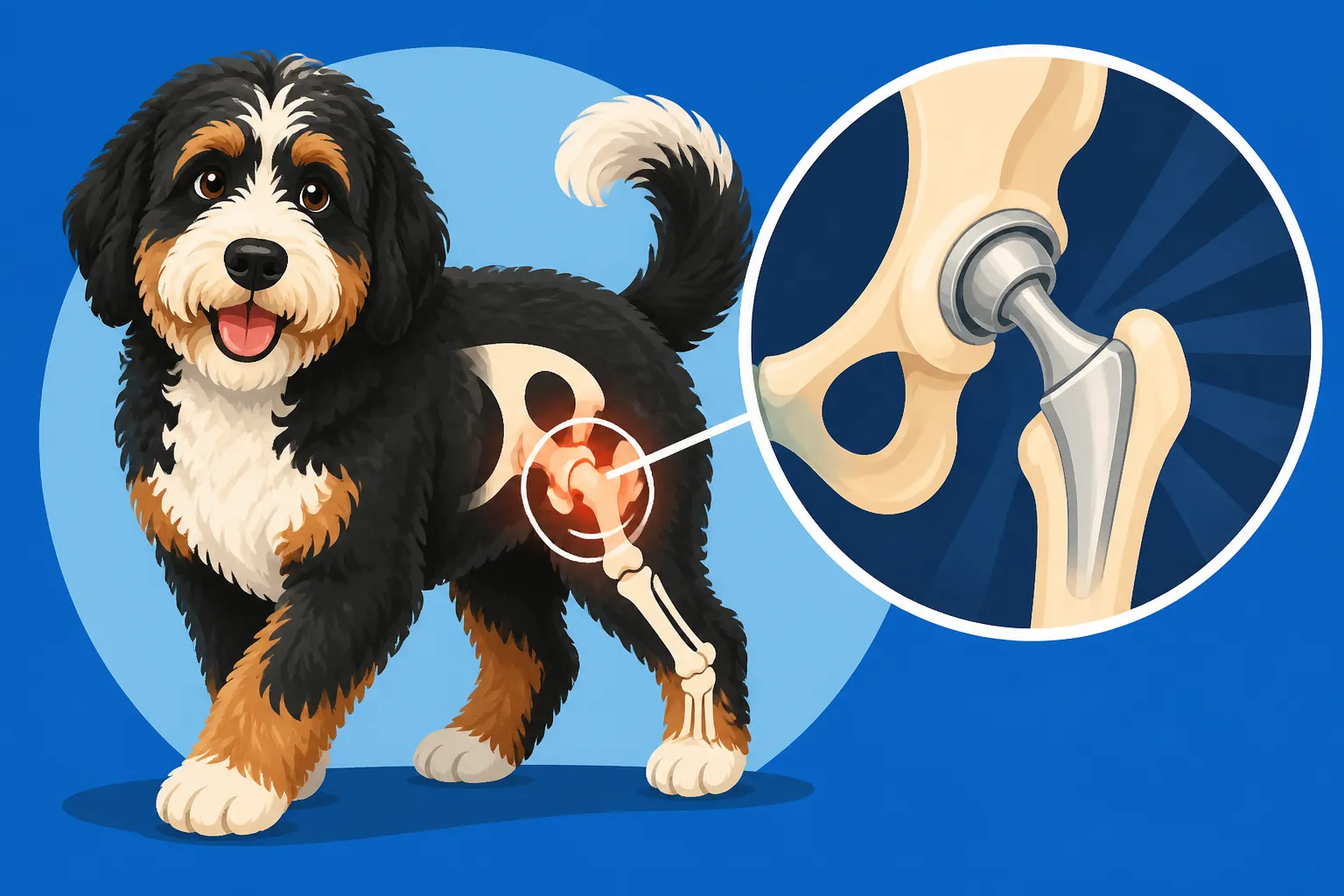
The actual hip replacement surgery is the largest single component of the cost. This isn't a quick procedure; it's a meticulously planned and executed operation that can take several hours. The cost covers the surgeon's fee, the anesthesiologist's fee (often a specialist for complex surgeries like this), the surgical support staff (nurses, technicians), and the use of the specialized operating room and equipment. The implants themselves – the prosthetic femoral head, neck, and acetabular cup – are custom-designed and made from high-grade biocompatible materials, similar to those used in human hip replacements. These components alone represent a significant portion of the expense.
The size of your standard Bernedoodle also influences this. Larger implants are generally more expensive than those for a small dog, and the surgical time might be longer for a larger joint. You'll also see regional differences: a specialized veterinary surgical center in a major metropolitan area will likely have higher overheads and thus higher prices than a facility in a smaller town. Don't be shy about asking for a detailed estimate from your veterinary surgeon, which should break down all these components.
Hospitalization and Immediate Post-Operative Care
Following the surgery, your Bernedoodle will need several days of hospitalization. This immediate post-operative care is critical for pain management, monitoring for complications, and starting the recovery process safely. The daily costs of hospitalization include intravenous fluids, medications (pain relief, antibiotics), bandage changes, and around-the-clock nursing care. Your Bernedoodle will be kept in a controlled environment to prevent them from moving too much or injuring the new hip. This stay allows the veterinary team to ensure they are comfortable, eating, and recovering well before they come home. It’s during this crucial period that they’ll assess how your dog is beginning to bear weight on the limb and watch for any signs of infection or implant displacement.
Beyond the Surgery: Post-Operative Costs and Long-Term Care
The surgical bill isn't the end of the financial journey. The months following a hip replacement are just as critical, demanding dedication, patience, and continued financial investment to ensure a full and successful recovery for your Bernedoodle.
Rehabilitation and Physical Therapy
One of the most vital components of a successful hip replacement outcome is diligent rehabilitation. This isn't optional; it's essential. Your Bernedoodle will need a structured program of physical therapy, often starting with passive range of motion exercises, moving to controlled walks, and eventually incorporating more active therapies like hydrotherapy. These sessions, usually conducted by a certified canine rehabilitation therapist, are designed to rebuild muscle mass, improve joint flexibility, and ensure proper gait.
These sessions can be frequent, especially in the first few weeks and months post-surgery, and each session carries its own cost. Think of it as physical therapy for an athlete – it's intensive and necessary. You'll likely also receive exercises to do at home, but professional guidance is irreplaceable. Over the course of several months, these therapy costs can add up substantially, easily reaching into the thousands of dollars, depending on the number of sessions required and the specifics of your dog’s recovery.
Medications and Supplies for Recovery at Home
When your Bernedoodle comes home, they won't be magically "fixed." They'll still need medication, primarily for pain management and possibly anti-inflammatory drugs, for an extended period. You'll also need various supplies to aid their recovery: a good orthopedic bed for comfortable rest, perhaps a sling or harness to help support them during bathroom breaks and short walks, and specialized non-slip mats or rugs for slick flooring. Retailers like Chewy offer a wide range of these recovery aids. Preventing slips and falls is crucial to protect the healing hip. Furthermore, a strict regimen of restricted activity, including crate rest, will be enforced, which means ensuring you have a sufficiently large and comfortable crate for your standard Bernedoodle.
Long-Term Management and Potential Complications
Even after a successful recovery, long-term care for a Bernedoodle with a hip replacement might involve ongoing joint supplements, regular check-ups with your vet, and potentially continued light physical therapy to maintain muscle strength and flexibility. While hip replacement has a high success rate, complications can occur, such as infection, implant loosening, or nerve damage. Addressing these issues would, of course, incur additional veterinary costs. It's important to remember that this surgery gives your Bernedoodle a new lease on life, but it also means committing to their ongoing joint health for the rest of their years. Regular, controlled exercise and maintaining an ideal body weight will be paramount forever. For more on what to expect as your dog ages, consider reading about What Changes in a Bernedoodle After Eight.
Financing Your Bernedoodle's Hip Replacement
The financial burden of a total hip replacement can feel overwhelming. It’s a significant investment, but there are various avenues you can explore to make this life-changing surgery accessible for your beloved Bernedoodle.
Pet Insurance: A Lifesaver for Major Surgeries
This is where pet insurance truly shines. If you've had the foresight to enroll your Bernedoodle in a comprehensive pet insurance plan before any signs of hip dysplasia appeared, you might find yourself in a much better position. Companies like Healthy Paws offer plans that can cover a substantial portion of accident and illness costs, including major surgeries like hip replacement. However, it’s critical to understand that hip dysplasia is often considered a pre-existing condition if diagnosed before enrollment or during a waiting period. This means that if your dog already shows signs or has been diagnosed, the insurance likely won't cover it.
The takeaway? If you're considering a Bernedoodle puppy, or have a young Bernedoodle, enrolling in a robust pet insurance plan early on is one of the smartest financial decisions you can make. It's an investment in peace of mind, potentially saving you tens of thousands of dollars over your dog’s lifetime, especially with conditions like hip dysplasia being prevalent in the breed. Understanding Insuring a Bernedoodle Against the Bernese Half is a good way to assess how insurance companies view this crossbreed.
Payment Plans and Veterinary Financing Options
Don't assume you have to pay everything upfront. Many veterinary specialty hospitals understand the financial strain of such procedures and offer various payment solutions. They might have in-house payment plans, allowing you to pay in installments. Additionally, third-party veterinary financing companies often provide low-interest or interest-free options for a set period, similar to a credit card specifically for healthcare expenses. It's always worth discussing these options with the hospital's financial coordinator. They can help you explore what's available and create a workable plan.
Crowdfunding and Personal Savings
For those without insurance or with unexpected diagnoses, crowdfunding platforms can sometimes offer a ray of hope. Sharing your Bernedoodle's story and medical needs can rally support from friends, family, and even compassionate strangers. While not a guaranteed solution, it has helped many pet owners cover unexpected and significant veterinary bills.
Of course, building a dedicated emergency fund for your pets is always a wise strategy. Even if you have insurance, there's typically an annual deductible and a percentage of co-pay you'll be responsible for. Having savings specifically earmarked for your Bernedoodle's health needs can alleviate much of the stress when a major expense like a hip replacement arises. Think about setting aside a little each month, just like you would for your own healthcare.
Here's a simplified breakdown of typical cost components, keeping in mind that actual figures vary wildly:
| Cost Category | Description | Financial Impact (Relative) |
|---|---|---|
| Pre-Surgical Diagnostics | X-rays, blood tests, consultations, specialist fees | Moderate to High |
| Surgical Procedure | Surgeon fees, anesthesia, operating room, implants, staff | Very High |
| Hospitalization | Post-op monitoring, pain meds, fluids, nursing care (several days) | High |
| Rehabilitation/Physical Therapy | Weeks/months of structured therapy sessions, hydrotherapy, exercises | High |
| Take-Home Medications/Supplies | Pain relievers, anti-inflammatories, bandages, supportive slings, orthopedic bed | Moderate |
| Follow-Up Vet Visits | Suture removal, recheck exams, progress assessments | Low to Moderate |
| Potential Complications | Infection treatment, revision surgery (uncommon but possible) | Variable (Potentially Very High) |
The Emotional and Physical Investment
Choosing to pursue a total hip replacement for your standard Bernedoodle isn't just a financial decision; it's a profound emotional and physical commitment. You're not just paying for a surgery; you're investing in your dog's future comfort and happiness, and committing yourself to a demanding recovery journey.
The Demands of Post-Operative Care on Owners
Bringing your Bernedoodle home after hip replacement surgery requires a huge amount of dedication. The first few weeks, especially, will feel like a full-time job. You’ll be responsible for strict activity restriction, which means keeping your usually active Bernedoodle confined to a crate or a small, secure area. Controlled leash walks for bathroom breaks will be the extent of their exercise. You'll need to administer medications on a precise schedule, monitor the incision site for any signs of infection, and often help your Bernedoodle stand or move, especially if they are a large standard size. This can be physically demanding for you, requiring strength and careful handling to prevent re-injury.
This period requires immense patience and consistency. Your Bernedoodle might be confused, frustrated, or even a little grumpy with the restrictions, but your calm presence and adherence to the vet's instructions are paramount. It’s a marathon, not a sprint, and your active participation in their recovery is the key to their long-term success.
The Reward: A Pain-Free, Active Companion
Despite the considerable challenges and costs, the reward of a successful total hip replacement for your Bernedoodle is truly priceless. Imagine seeing your dog, who once struggled to even stand, now running, jumping (within reasonable limits, of course), and playing with gusto again. That look of relief and joy in their eyes, the wag of a tail that has its old bounce back – it makes all the effort worthwhile.
Many owners report that their Bernedoodles regain a fantastic quality of life, becoming the happy, active companions they were always meant to be. The surgery can literally transform a dog plagued by chronic pain into one that can enjoy walks, playtime, and simply being a dog again. If your Bernedoodle is struggling, and you've exhausted conservative options, exploring total hip replacement, while daunting, could be the greatest gift you give them. The journey is tough, but the destination—a pain-free, joyful Bernedoodle—is worth every step.
Disclaimer
This article is for general informational purposes only and does not constitute professional advice. Laws, prices and regulations vary by location and change over time. Consult a qualified professional for guidance on your specific situation.