What a Chocolate Tri Bernedoodle Costs
Oh, the chocolate tri Bernedoodle! Just picturing that rich, warm chocolate coat, those distinctive tan points, and crisp white blaze is enough to make any dog lover swoon. It’s a truly stunning combination, and if you’ve set your heart on one, you're not alone. But let's be realistic from the start: that unique beauty often comes with a particular price tag, and understanding what goes into that cost, both upfront and throughout their lives, is key to being a truly prepared and responsible owner. This guide will walk you through the specifics of what a chocolate tri Bernedoodle typically costs, from the initial adoption to the ongoing care.
The Allure and Genetic Reality of the Chocolate Tri Bernedoodle
When people imagine a Bernedoodle, often it's the classic black tri color that springs to mind, with its striking black, rust, and white markings. But there's a growing appreciation for its equally beautiful, albeit rarer, counterpart: the chocolate tri. This isn't just a slight variation; it's a coat color that carries a distinct charm and often a different set of considerations, especially when it comes to pricing.
What Defines a Chocolate Tri Bernedoodle's Look?
A chocolate tri Bernedoodle essentially has the same pattern as a traditional black tri, but the black pigment is replaced with a deep, rich chocolate or liver color. This means you'll see a beautiful brown base, often with those classic rust or tan points above the eyes, on the muzzle, chest, and legs, and of course, the signature white markings on the face, chest, and paws. It’s a softer, warmer palette than the stark contrast of the black tri, and many people find it incredibly appealing and unique. The specific shade of chocolate can vary, from a lighter milk chocolate to a dark, almost bittersweet cocoa. The tan points can also range in intensity, from a creamy fawn to a rich mahogany.
This particular color pattern stands out in a crowd and certainly draws attention. Owners often comment on how the chocolate tone beautifully complements the Bernedoodle's plush, wavy, or curly coat, giving them an almost teddy bear-like appearance. While beauty is subjective, the demand for this specific aesthetic is undeniably on the rise, contributing to its perceived value and, consequently, its cost.
The Complex Genetics Behind the Chocolate Tri Coat
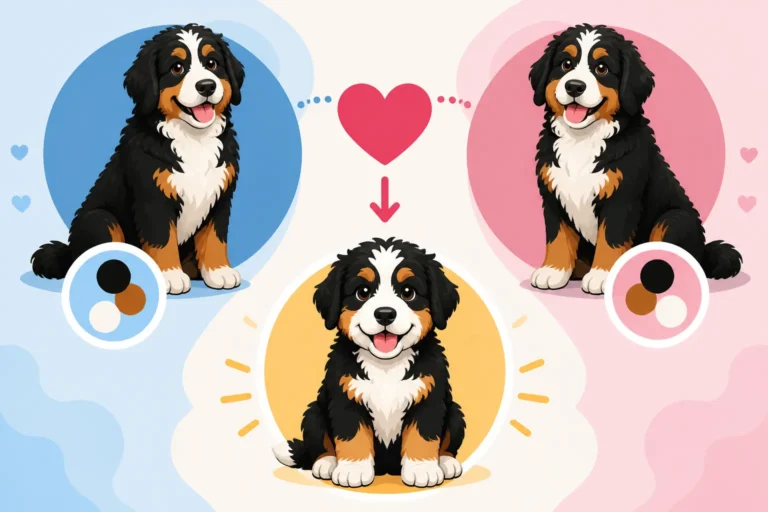
Achieving a chocolate tri Bernedoodle isn't as simple as hoping for the best. It's a precise genetic combination that breeders must aim for, and it involves understanding recessive genes. The "chocolate" color itself is recessive, meaning a puppy must inherit a copy of the chocolate gene from both parents to express it. If a puppy inherits only one copy, it will be a "chocolate carrier" but will appear black (or other colors) itself. The "tri" pattern (tan points with white markings) is also governed by specific genes.
For a breeder to consistently produce chocolate tri puppies, they need to ensure both parent dogs carry the recessive chocolate gene and the genes for the tri pattern. This often requires genetic testing of potential breeding pairs, a significant investment in time and resources. Because it's a recessive trait, the odds of producing it are lower than for dominant colors like black, even when both parents are carriers. This genetic complexity and the lower probability of consistently producing the desired outcome are major reasons why these puppies are typically priced higher. The Genetics Behind a Bernedoodle's Tri Markings can shed more light on this fascinating aspect.
Baseline Investment: Understanding the General Cost of Any Bernedoodle
Before we delve deeper into the "chocolate premium," it's crucial to understand the foundational costs associated with acquiring any Bernedoodle. These are factors that influence the price regardless of coat color and speak directly to the quality and ethical practices of the breeder. Overlooking these elements in pursuit of a lower price can lead to much higher costs down the line, both financially and emotionally.
The Role of a Reputable Breeder and Health Clearances
When you're looking for a Bernedoodle, whether chocolate tri or any other color, the breeder you choose is paramount. A responsible, ethical breeder isn't just breeding dogs; they're investing heavily in the health, temperament, and welfare of their parent dogs and puppies. This investment is directly reflected in the puppy's price.
Reputable breeders conduct extensive health testing on their parent dogs. This isn't just a simple vet check-up; it involves specific clearances for common breed-specific issues that plague both Bernese Mountain Dogs and Poodles. For Bernese, this often includes screening for hip and elbow dysplasia, eye conditions, and certain cancers like Histiocytic Sarcoma. For Poodles, it includes hip, elbow, and eye clearances, as well as genetic tests for conditions like Von Willebrand's Disease and Degenerative Myelopathy (DM). The Five Clearances a Bernedoodle Breeder Should Have is an excellent resource to understand what to look for. These tests are expensive and time-consuming, but they significantly increase the likelihood of your puppy growing into a healthy adult, potentially saving you thousands in vet bills later on. Breeders who perform these clearances are transparent about the results, often providing OFA (Orthopedic Foundation for Animals) or PennHIP numbers. When you see a Bernedoodle advertised for a suspiciously low price, it’s often a red flag that these crucial health screenings have been skipped, putting your future pet at significant risk.
How Size and Generation Influence the Price Tag
Beyond the color and breeder quality, the size and generation of a Bernedoodle also play a substantial role in its initial cost. Bernedoodles come in three main size categories: Standard, Mini, and Tiny.
- Standard Bernedoodles, typically weighing 70-90 pounds or more, are often the least expensive of the three sizes. This is because breeding a Standard Poodle with a Bernese Mountain Dog is the most straightforward cross.
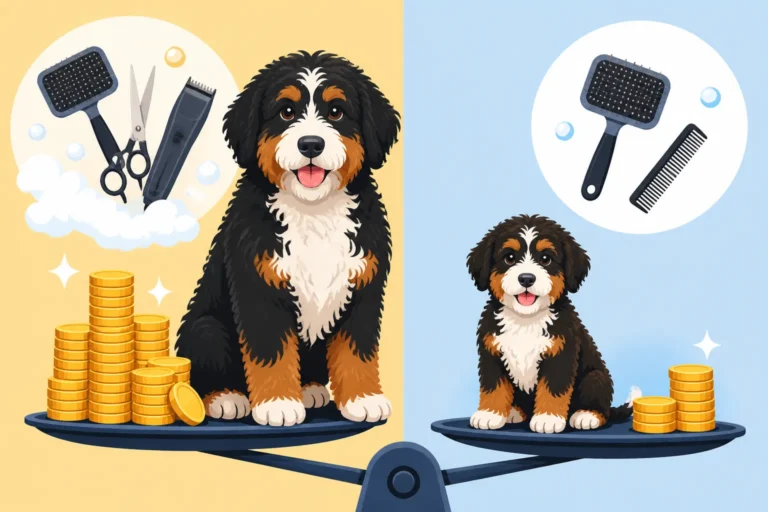
- Mini Bernedoodles, usually ranging from 25-50 pounds, command a higher price. Why? Because breeding down in size requires using a Mini or Toy Poodle with a Bernese Mountain Dog (often through artificial insemination or multiple generations of breeding smaller Bernedoodles together). This process is more complex, carries higher risks for the smaller Poodle mother if bred to a large Bernese, and takes more time and genetic planning. Why a Mini Bernedoodle Costs More Than a Standard delves into this further.
- Tiny Bernedoodles, under 25 pounds, are typically the most expensive. The challenges of breeding down to this size are even greater, requiring careful selection of tiny Poodle lines and often multiple generations to achieve consistency.
Similarly, the "generation" of a Bernedoodle affects the price.
- F1 Bernedoodles (50% Bernese, 50% Poodle) are the first-generation cross and often fall into a mid-range price bracket, assuming they are from health-tested parents.
- F1b Bernedoodles (75% Poodle, 25% Bernese, bred from an F1 Bernedoodle and a Poodle) tend to be more expensive, as they are specifically bred to enhance the non-shedding, hypoallergenic qualities.
- Multigenerational Bernedoodles (F2, F3, etc., bred from two Bernedoodles or an F1b and a Poodle) can also be higher in price due to the breeder's investment in established lines and predictability of traits.
So, while you might be focused on the chocolate tri color, remember that if you're looking for a tiny, F1b chocolate tri, you're looking at a very specific and genetically challenging combination, which naturally elevates the price significantly compared to, say, a standard F1 black tri. Whether a Standard Bernedoodle Is the Cheapest Size is a great read if you're considering how size impacts your budget.
The "Chocolate Premium": Why This Specific Color Can Elevate the Price
Now that we’ve covered the general factors influencing Bernedoodle costs, let's circle back to the chocolate tri itself. It’s not uncommon for puppies with rarer or more highly sought-after coat colors and patterns to come with an additional premium. This isn't just arbitrary pricing; it's a reflection of market forces and the extra effort and investment breeders make.
Supply, Demand, and the Quest for Rarity
It's a classic economic principle: when demand for something is high and its supply is limited, the price tends to rise. This holds true for Bernedoodle coat colors. The traditional black tri is beautiful and popular, but the chocolate tri offers something a little different, a little more unique. Many prospective owners are specifically looking for that warm, rich coloring, perhaps because it's less common or simply because it resonates with their aesthetic preferences.
This strong demand for a distinctive look, coupled with the inherent difficulty in consistently producing chocolate tri puppies (as discussed in the genetics section), creates a scenario where breeders can, and often do, ask for a higher price. People are often willing to pay a premium to secure a puppy that perfectly matches their vision of their ideal canine companion. The perceived "rarity" of a chocolate tri, even if it's becoming more common than it once was, still contributes to its elevated market value.
Breeder Specialization and Genetic Testing for Specific Colors
Ethical breeders who aim to produce specific coat colors like chocolate tri invest significantly in understanding canine color genetics. This isn't just guesswork; it involves precise planning and often specific genetic testing. They might invest in breeding stock that carries the desired recessive genes, which can mean paying more for their foundation dogs or traveling further to find suitable mates.
Some breeders send DNA samples from their parent dogs to specialized labs to confirm their genetic makeup, including what color genes they carry. This ensures they can make informed breeding decisions to increase the chances of producing chocolate tri puppies. This extra layer of testing and strategic breeding adds to the overall operational costs for the breeder. When you choose a puppy from a breeder who can reliably predict and produce a chocolate tri, you are essentially paying for their expertise, their investment in genetic knowledge, and the successful outcome of that planning. They aren’t just "getting lucky" with a chocolate tri litter; they've worked to make it happen, and that effort translates into the puppy's price.
Beyond the Initial Price: The Lifelong Financial Commitment
While the initial cost of acquiring a chocolate tri Bernedoodle puppy is often a significant chunk of change, it's truly just the beginning of your financial journey with this wonderful companion. A Bernedoodle, especially a standard size, is a large dog with a long lifespan, and their care involves a considerable ongoing commitment. Thinking beyond the purchase price is crucial for realistic budget planning.
Setting Up Your Bernedoodle: Initial Supplies and Vet Visits
Bringing a new puppy home means more than just having the puppy itself. There's a whole shopping list of essentials you'll need right away. This includes:
- Crate: A sturdy, appropriately sized crate is vital for house-training and providing a safe den for your puppy. For a standard Bernedoodle, this will be a large investment upfront.
- Bedding: Comfortable, washable beds for the crate and around the house.
- Collar, Leash, and Harness: For walks and identification.
- Food and Water Bowls: Stainless steel or ceramic are often recommended for hygiene.
- Toys: A variety of chew toys, puzzle toys, and interactive toys to keep a smart Bernedoodle stimulated.
- Grooming Tools: Even if you plan on professional grooming, a slicker brush, comb, and nail clippers are essential for daily maintenance.
- Training Treats: High-value treats for positive reinforcement.
Stocking up on these essentials from large online retailers like Chewy can help manage those initial costs, allowing you to get everything you need conveniently. What a Bernedoodle's Bed and Crate Cost can give you a better idea of how to budget for these initial items.
On the veterinary front, your puppy will need several initial visits for examinations, a series of vaccinations (distemper, parvovirus, adenovirus, rabies, etc.), deworming, and potentially microchipping. Your vet might also recommend starting flea, tick, and heartworm prevention right away. These initial vet bills can be quite substantial in the first few months, so it's wise to set aside a dedicated fund for them.
Managing Daily and Routine Expenses: Grooming, Food, and Healthcare
Once your puppy is settled, the ongoing costs become the regular rhythm of your financial commitment. These are the expenses that will continue year after year for The Twelve to Fifteen Years a Bernedoodle Is Sold On of your dog's life.
- Food: Bernedoodles, especially standard sizes, eat a lot! High-quality large-breed puppy food, and later adult formula, is essential for their growth and health. The amount and type of food can significantly impact your monthly budget. If you opt for fresh, human-grade food, services like Ollie offer pre-portioned meals delivered to your door, but this often comes with a higher price point than traditional kibble. Regular food orders, perhaps through a subscription service from a provider like Chewy, will be a staple in your budget. What Feeding a Ninety Pound Bernedoodle Costs is a must-read for anyone considering a standard Bernedoodle.
- Grooming: This is a non-negotiable expense for most Bernedoodles. Their Poodle mix coat is prone to matting and requires regular professional grooming every 6-8 weeks. Even if you learn to do some grooming at home, you'll likely still need professional help for full clips and trims. What a Standard Bernedoodle Groom Costs can give you an idea of the recurring expense.
- Routine Veterinary Care: Annual check-ups, booster vaccinations, and ongoing parasite prevention are crucial for maintaining your Bernedoodle's health. As they age, the frequency and cost of vet visits may increase. The Screening a Bernedoodle Should Have Yearly covers what to expect.
- Pet Insurance: Many owners wisely choose to invest in pet insurance from companies such as Healthy Paws to mitigate the financial shock of unexpected medical issues or emergencies. While it's a monthly premium, it can be a lifesaver if your Bernedoodle faces an accident or develops a chronic illness. Insuring a Bernedoodle Against the Bernese Half is an excellent article to help you decide if pet insurance is right for your family.
Planning for the Unexpected: Training and Health Emergencies
Even with the best planning, life with a dog invariably throws some curveballs. Having a buffer for unexpected costs is a sign of a truly prepared owner.
- Training: Bernedoodles are intelligent but can have a stubborn streak. Puppy classes are highly recommended for socialization and basic obedience. As they grow, professional training for specific behavioral issues or advanced obedience can be a significant investment. Given their size, especially for a standard Bernedoodle, good leash manners and impulse control are not just desirable but necessary for safety. Whether a Bernedoodle Needs a Professional Trainer can help you determine if professional help is needed.
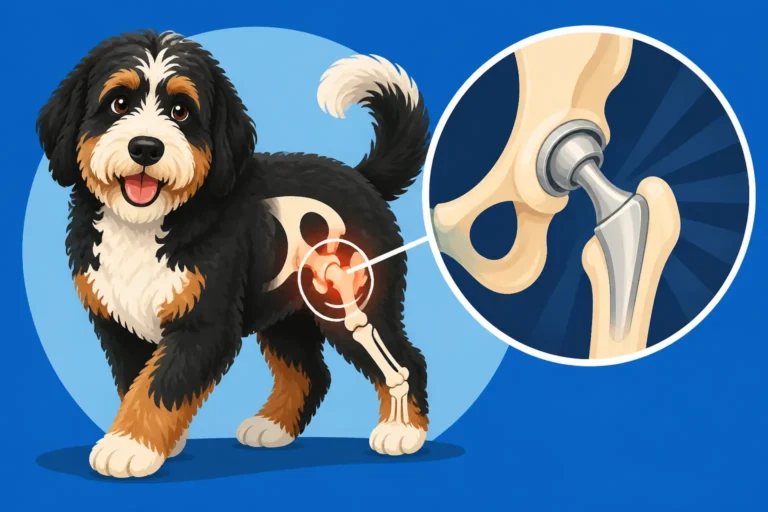
- Health Emergencies: Despite the best breeding and preventative care, health issues can arise. Accidents happen, and diseases can strike unexpectedly. Emergency vet visits, specialized diagnostics, medications, or even surgeries can quickly run into thousands of dollars. Conditions like bloat (which large, deep-chested dogs like standard Bernedoodles are prone to), hip or elbow dysplasia (even with clearances, dogs can develop issues), or cancer are unfortunately real possibilities. What Cancer Treatment Costs a Bernedoodle Owner and What Chemotherapy Achieves for a Bernedoodle illustrate the potential financial burden of serious illness. A dedicated emergency fund, or robust pet insurance, is absolutely vital.
Here's a quick look at factors that influence the overall cost:
| Factor | Influence on Initial Puppy Cost | Influence on Lifelong Cost (General) | Notes |
|---|---|---|---|
| Breeder Reputation | High | Low (fewer health issues) | Reputable breeders invest in health testing, leading to healthier puppies, but higher upfront cost. |
| Health Clearances | High | Low (fewer health issues) | Essential for reducing risk of genetic diseases. |
| Puppy Size | Mini/Tiny > Standard | Standard > Mini/Tiny (food, some care) | Smaller sizes are harder to breed, thus more expensive. Larger dogs eat more, have higher medication dosages, but grooming costs might be similar per session. |
| Puppy Generation | F1b/Multigen > F1 | Neutral | More advanced generations often mean more predictable traits (like coat type), sometimes leading to higher initial cost. |
| Coat Color (Chocolate Tri) | High (Premium) | Neutral | Specific, rarer colors often come with an added premium due to genetics and demand. This doesn't directly impact ongoing costs, but it's part of the initial investment. |
| Food Quality | N/A | High | High-quality food is a significant ongoing expense but contributes to health. |
| Grooming Frequency | N/A | High | Bernedoodles need regular professional grooming; frequency and matting can drive costs up. |
| Vet Care | N/A | Moderate (routine) to Very High (emergency) | Regular check-ups are predictable. Emergency vet visits can be extremely costly. Pet insurance can mitigate this. |
| Training | N/A | Moderate to High | Puppy classes and professional training can be an investment, but crucial for a well-behaved dog, especially a large one. |
| Supplies | Moderate (initial) | Low (replacements) | Crates, beds, toys, leashes are initial costs, with replacements needed occasionally. |
| Pet Insurance | N/A | Moderate (monthly premium) | Optional, but highly recommended for financial peace of mind against unforeseen medical expenses. |
Choosing a chocolate tri Bernedoodle means you’re looking for a special companion, and that uniqueness often translates into a higher upfront investment. But please, always remember that the initial cost of the puppy is only a fraction of the true cost of providing a loving, healthy home for this magnificent dog throughout its entire life. Preparing for these ongoing expenses is just as important as saving for the initial purchase.
Disclaimer
This article is for general informational purposes only and does not constitute professional advice. Laws, prices and regulations vary by location and change over time. Consult a qualified professional for guidance on your specific situation.