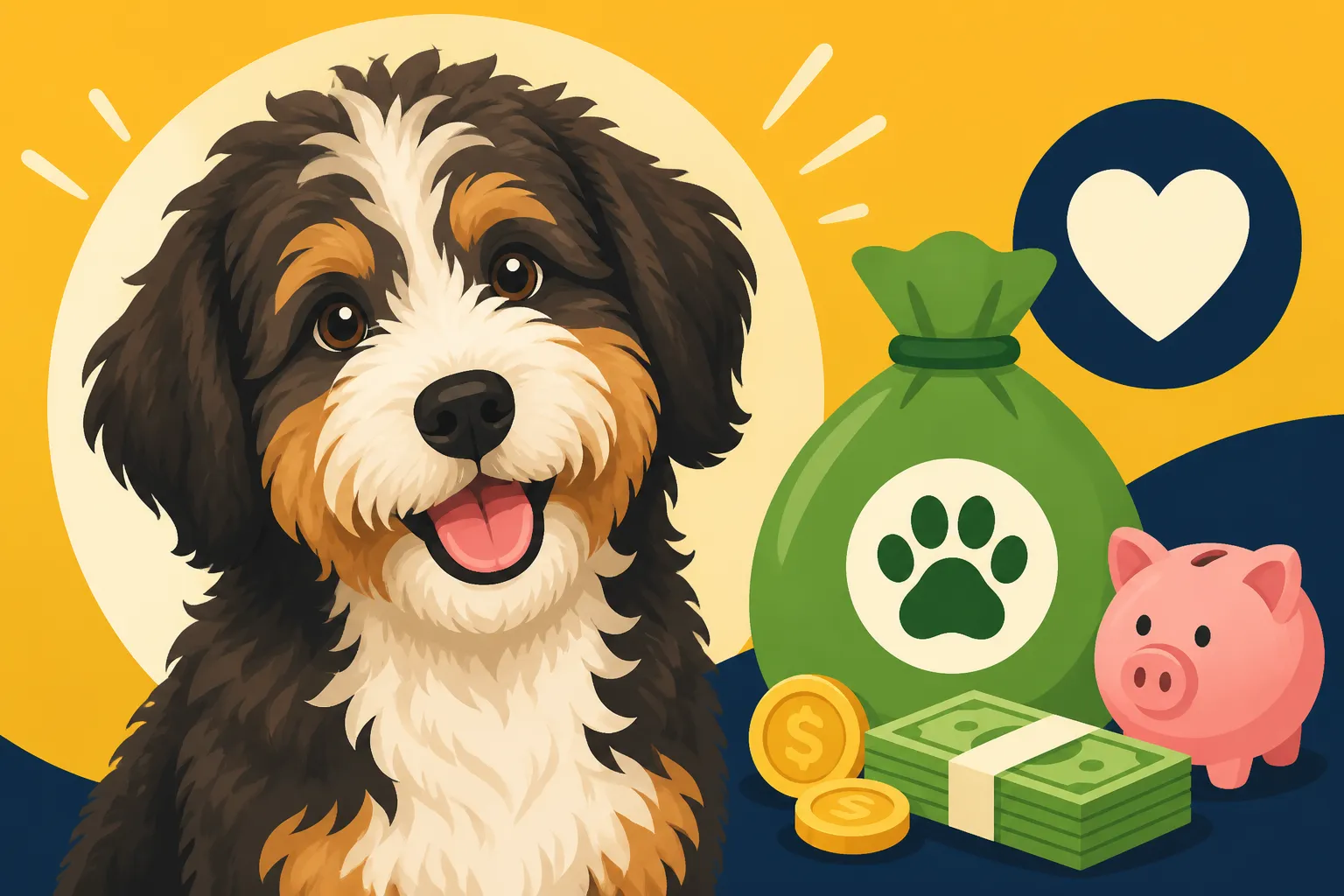
What a Sable Bernedoodle Costs
Finding that perfect Bernedoodle puppy can be an exhilarating experience, especially when you stumble upon one with those unique sable markings. It's easy to get swept up in the adorable fluff and dream of bringing them home, but then the practical question hits you: what's this going to cost? It’s a very real concern, because while every Bernedoodle is a treasure, certain colors like sable often come with a distinct price tag. This guide is here to help you understand the factors influencing the cost of a sable Bernedoodle, both initially and throughout their happy, long lives with you.
The Appeal and Pricing of a Sable Bernedoodle
When you picture a Bernedoodle, often a traditional tri-color comes to mind, or perhaps a classic black and white. But then you see a sable, and it's a whole new level of charm, isn't it? That gradient of dark tips fading into a lighter base coat, sometimes looking almost smoky or like a little wolf, is undeniably striking. It's no wonder that many prospective owners find themselves specifically seeking out this coat pattern.
What Makes a Bernedoodle "Sable"?
At its heart, "sable" in a Bernedoodle is all about genetics. It's a coat pattern, not a color itself, where each hair is dark-tipped with a lighter color closer to the skin. Think of it like a beautiful paintbrush stroke on each strand of fur. This creates a nuanced, multi-tonal effect that changes as the puppy grows, often softening and lightening over time. It’s distinct from a solid color or even a traditional tri-color, where the markings are clearly defined patches of black, white, and rust. Because it's a specific genetic expression, not every litter will produce sable puppies, making them a little less common than, say, a solid black. This perceived uniqueness often translates directly into the initial purchase price, as breeders know there's a demand for these visually captivating coats. It's worth noting that while The Genetics Behind a Bernedoodle's Tri Markings are well-understood, sable also has its own genetic intricacies that breeders work with.
Demand and Perceived Value
The simple truth is, aesthetics drive demand. Just like how The Premium a Tri Color Bernedoodle Carries, a sable Bernedoodle often commands a higher price because people actively seek out this distinctive look. Breeders, being in tune with market preferences, price their puppies accordingly. If a breeder consistently produces puppies with highly sought-after sable coats, they can and often will charge a premium. This isn't necessarily a bad thing, as responsible breeders invest heavily in health testing, quality care, and genetic screening to produce healthy, well-socialized puppies. However, it's crucial to distinguish between a genuinely well-bred sable puppy and one from a less reputable source simply capitalizing on the "sable" label. A breeder might highlight that beautiful "smoky" appearance as a key selling point, making it feel like a more exclusive offering.
Factors Influencing the Initial Purchase Price Beyond Color
While the sable coat adds its own layer to the pricing, it's just one piece of the puzzle. The overall cost of a Bernedoodle, regardless of color, is deeply influenced by a range of critical factors that reflect the breeder's practices, the puppy's lineage, and market dynamics. Understanding these can help you discern a fair price from an inflated one.
Breeder Reputation and Health Testing
This is, arguably, the single most important factor determining a Bernedoodle's initial cost. Reputable breeders invest significant time and money into their breeding program. This includes extensive health testing on both parent dogs for conditions common to Bernese Mountain Dogs and Poodles, such as hip and elbow dysplasia, eye conditions, and cardiac health, among others. They also often screen for genetic diseases like Von Willebrand's disease and degenerative myelopathy. These tests are not cheap, and their cost is factored into the puppy's price. A breeder who can provide verifiable health clearances, transparent pedigrees, and a solid health guarantee is going to charge more than someone who skips these vital steps. Remember, a lower upfront cost often means higher veterinary bills down the line. You'll want to ask to see The Five Clearances a Bernedoodle Breeder Should Have for both parents.
Beyond health, a good breeder also provides excellent care and socialization for their puppies from day one. This means proper nutrition, early neurological stimulation, exposure to different sounds and textures, and interaction with people and other animals. This early foundation is invaluable for a puppy's temperament and future adjustability, but it requires significant resources from the breeder. When you look at the price, part of it covers that foundational care and the peace of mind that comes from knowing your puppy has the best possible start. For context, The Thirty Five Hundred to Sixty Five Hundred a Standard Bernedoodle Costs from a reputable breeder, and a sable coat typically positions itself on the higher end of this general range.
Size and Generation
The size of the Bernedoodle also plays a huge role in pricing, often even more so than color. Generally, mini and tiny Bernedoodles tend to be more expensive than standard-sized ones. This is because breeding smaller dogs can be more challenging, requiring smaller Poodle parents and more careful selective breeding over multiple generations to consistently produce the desired size. It’s also often a matter of demand, as many people living in urban environments or smaller homes prefer a smaller dog. So, if you're looking for a sable mini Bernedoodle, be prepared for a higher price point than a sable standard. If you want to dive deeper into this, you can check out Why a Mini Bernedoodle Costs More Than a Standard.
The generation of the Bernedoodle (e.g., F1, F1b, F2, Multigen) can also influence cost. F1 Bernedoodles (first cross between a Bernese and a Poodle) are often quite popular, but F1b (F1 Bernedoodle crossed back to a Poodle) or Multigen puppies might be priced differently depending on the breeder's goals for coat type (less shedding) or specific traits. While the sable gene can appear in various generations, a breeder specializing in multi-generational breeding to consistently achieve specific traits, including certain colors and sizes, might have higher prices due to the complexity and investment involved in their breeding program.
Geographic Location and Market Demand
Just like real estate, puppy prices can vary significantly depending on where you live. In areas with a high cost of living or strong demand for Bernedoodles, prices will naturally be higher. A breeder in a rural area might have lower overheads than one operating closer to a major metropolitan center. Local competition among breeders also plays a part. If there are only a few reputable Bernedoodle breeders in a specific region, their prices might reflect that limited supply compared to demand.
Economic factors and trends in pet ownership can also influence pricing. During periods of increased demand for companion animals, prices for popular breeds and crosses like the Bernedoodle tend to rise. It's not just about the sable coat; it's about the entire market landscape that a specific breeder operates within. For instance, what What a Phantom Bernedoodle Is Priced At could differ based on the region and the individual breeder's pricing strategy.
Beyond the Initial Purchase: The Lifelong Costs of Owning a Sable Bernedoodle
When considering the cost of a sable Bernedoodle, it's a huge mistake to only look at the upfront purchase price. The initial investment is often just a fraction of what you'll spend over their lifetime. Bernedoodles, like all large breeds, come with significant ongoing expenses that every prospective owner needs to budget for realistically.
Ongoing Grooming Needs
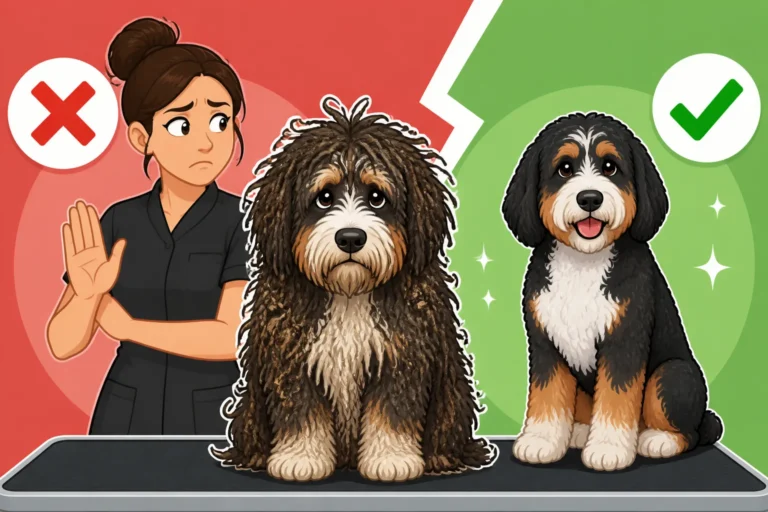
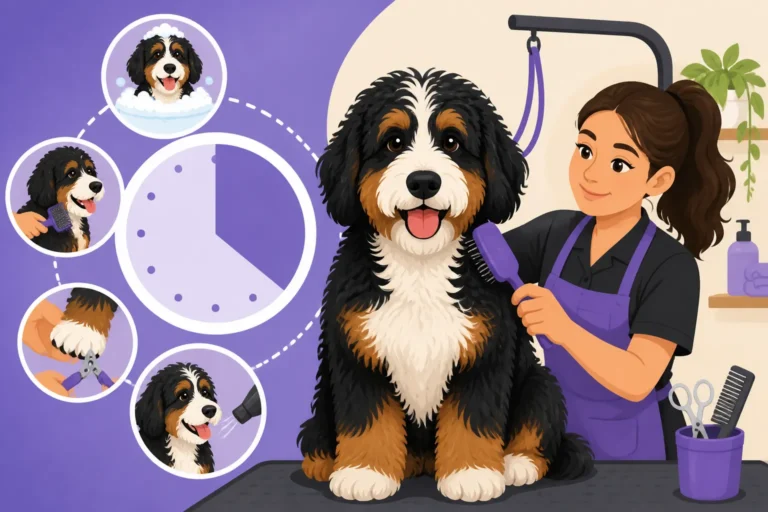
A sable Bernedoodle, regardless of its beautiful coloring, is still a Bernedoodle, which means it inherits a coat that demands regular and professional grooming. Their coats, whether wavy or curly, are prone to matting without diligent care. This isn't a "brush them once a week" kind of dog; it often requires daily or every-other-day brushing at home, plus professional grooming every 6-8 weeks. These professional grooming sessions are not inexpensive, especially for a standard-sized Bernedoodle. You can easily be looking at a significant annual cost for this essential care.
Neglecting grooming not only leads to painful matting for your dog but also means higher costs when a groomer has to spend extra time dematting or, worse, shave down your dog entirely. I've heard too many stories about owners underestimating this aspect, leading to frustration and unexpected bills. Many owners find themselves spending Six Hundred to Twelve Hundred a Year Grooming a Bernedoodle, which is a realistic budget for proper coat maintenance. Brands like Chewy offer a fantastic array of grooming tools and shampoos that can help you maintain their coat between professional visits, but the pros are essential. You can also explore The Volume of Coat a Bernedoodle Owner Brushes Weekly to understand the commitment involved.
Food, Supplies, and Veterinary Care
Feeding a large, active Bernedoodle is another significant ongoing expense. They need high-quality dog food tailored to large breeds, which tends to be more expensive than food for smaller dogs. Their appetites are substantial! Beyond food, you’ll need a consistent supply of treats, toys (especially durable ones for a strong chewer), a comfortable large dog bed, leashes, collars, and all the everyday essentials. Companies like Ollie offer fresh food delivery services that can be great for nutrition but come at a premium, while Chewy provides a vast selection of kibble and supplies, often with subscription options to save money.
Routine veterinary care includes annual check-ups, vaccinations, parasite prevention (flea, tick, heartworm), and dental care. Then there are the unexpected vet visits – scraped paws, ear infections (common in drop-eared dogs like Bernedoodles), or minor injuries. These can quickly add up. A responsible owner needs to have a fund set aside for these possibilities. Remember, Bernedoodles are a relatively robust hybrid, but they can still inherit predispositions to certain health issues from their parent breeds, making good vet care paramount. Consider What Feeding a Ninety Pound Bernedoodle Costs and budget accordingly.
Insurance and Unexpected Health Costs
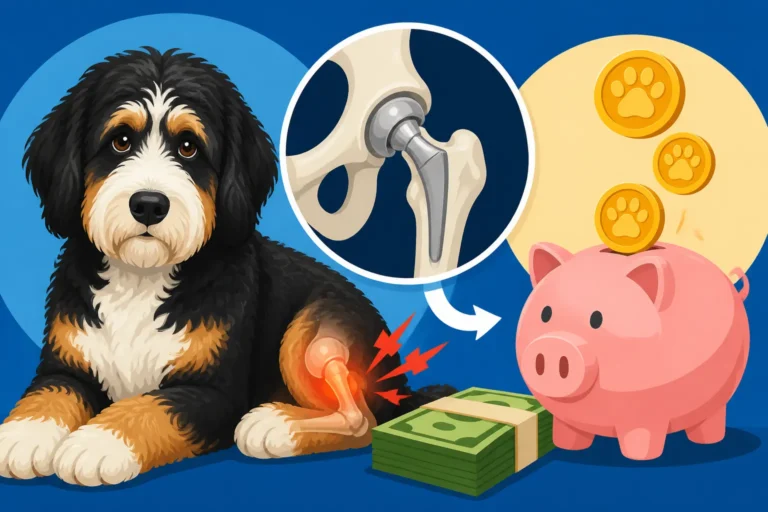
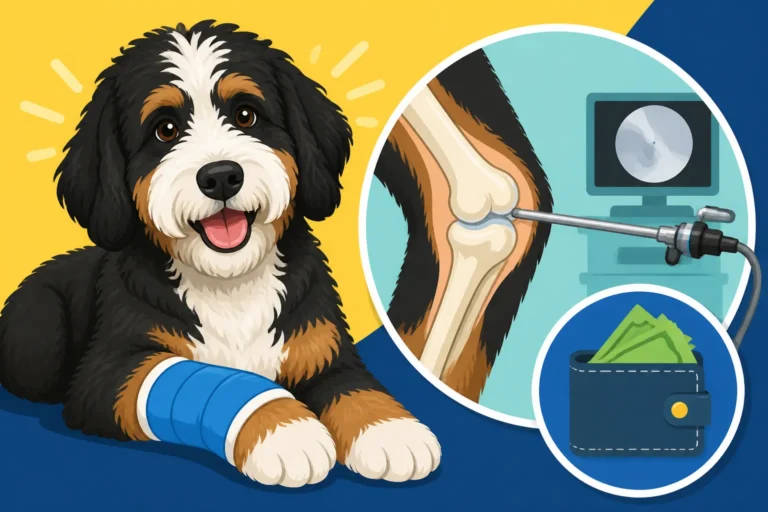
This brings us to a crucial point: pet insurance. Given the potential for inherited health issues from both the Bernese Mountain Dog (known for certain cancers and orthopedic problems) and the Poodle (also prone to various health concerns), investing in pet insurance can be a wise decision. While the "hybrid vigor" of a crossbreed can sometimes reduce the incidence of some issues, it doesn't eliminate them entirely. Conditions like hip or elbow dysplasia, certain cancers, or even bloat (gastric dilatation-volvulus) can result in thousands of dollars in veterinary bills.
An insurance policy from a provider like Healthy Paws can help soften the financial blow of a major illness or accident. It’s an ongoing monthly cost, but it provides immense peace of mind. Without insurance, you need to be prepared to cover potentially very large, unexpected expenses out of pocket. Many owners choose to get coverage early in their dog's life, before any pre-existing conditions can be diagnosed, which would typically be excluded from coverage. This is especially pertinent when you consider Insuring a Bernedoodle Against the Bernese Half of their genetic makeup. Thinking about What a Bernedoodle Costs Over Its Whole Life truly puts the importance of budgeting for health into perspective.
| Factor | Influence on Price |
|---|---|
| Sable Coat | Often commands a premium due to aesthetic appeal and perceived uniqueness; typically positions the puppy at the higher end of the general Bernedoodle price range. |
| Breeder Reputation | Higher price for breeders with extensive health testing (hips, elbows, eyes, heart, genetic panels), transparent practices, health guarantees, and early socialization. This reflects their investment in healthy puppies. |
| Size (Mini/Tiny vs. Standard) | Mini and Tiny Bernedoodles are almost always more expensive due to complex breeding requirements and higher demand for smaller dogs. |
| Generation (F1, F1b, etc.) | Prices can vary based on the breeder's focus on specific traits like non-shedding coats or desired temperament, which might require multi-generational breeding efforts. |
| Geographic Location | Prices are generally higher in regions with a high cost of living or strong demand for Bernedoodles. |
| Included Services | Some breeders include initial vaccinations, microchipping, puppy starter kits, or even early training, which adds value (and cost) to the purchase price. |
| Health Guarantee | A comprehensive health guarantee (e.g., covering genetic conditions for the first few years) often comes with a higher price but offers significant peace of mind. |
In conclusion, while the specific allure of a sable Bernedoodle might initially catch your eye and influence the sticker price, remember that the true cost of bringing one into your life extends far beyond that first transaction. It’s an investment in a companion who will bring immense joy, but also requires a significant, ongoing commitment of time, effort, and financial resources. Be prepared for all aspects of Bernedoodle ownership, and you’ll be set for a wonderful journey with your beautiful sable friend.
Disclaimer
This article is for general informational purposes only and does not constitute professional advice. Laws, prices and regulations vary by location and change over time. Consult a qualified professional for guidance on your specific situation.