What Gastropexy Adds to a Bernedoodle’s Surgery
Bringing a Bernedoodle into your life is a joy, but it also comes with a unique set of responsibilities, especially when considering their health. One of the scariest and most sudden emergencies large, deep-chested dogs like Bernedoodles can face is bloat, or Gastric Dilatation-Volvulus (GDV). This guide will walk you through what gastropexy is, why it's such a crucial preventative measure for your beloved Bernedoodle, and what it adds to a planned surgery, giving you the information you need to make an informed decision for their well-being.
Understanding Gastric Dilatation-Volvulus (GDV) and Bloat in Bernedoodles
The thought of your dog suffering from a sudden, life-threatening condition is truly terrifying. For Bernedoodle owners, understanding Gastric Dilatation-Volvulus, more commonly known as bloat, is not just recommended, it's absolutely essential. This isn't just a belly ache; it's a race against time.
The Terrifying Reality of Bloat
Bloat, or GDV, happens when a dog's stomach fills with gas, food, or fluid (dilatation) and then twists (volvulus). Imagine a balloon being inflated and then twisted at its neck – that's essentially what happens to your dog's stomach. This twisting cuts off blood supply to the stomach and often the spleen, leading to rapid tissue death. It also presses on major blood vessels, causing shock and heart problems. The onset is incredibly sudden, and without immediate veterinary intervention, it's almost always fatal. Symptoms can include unproductive retching (trying to vomit but nothing comes up), a distended or hard abdomen, restlessness, drooling, pacing, and signs of pain. You might see your dog standing with an arched back or refusing to lie down comfortably. These signs demand an emergency trip to the vet, often in the middle of the night.
Bernedoodles, particularly the Standard size, inherit their deep-chested build from their Bernese Mountain Dog parent. This anatomical feature is a primary risk factor for GDV. While no one knows the exact cause of bloat, certain factors are believed to increase the risk: eating one large meal a day, eating quickly, exercising vigorously after eating, and having a nervous or anxious temperament. The sheer panic and helplessness you'd feel watching your dog struggle, knowing every second counts, is something no owner wants to experience. This is why preventative measures become so incredibly important. You might want to read more about Bloat in a Standard Bernedoodle's Deep Chest to understand the specific risks your Bernedoodle faces.
Why Gastropexy is a Preventative Game-Changer
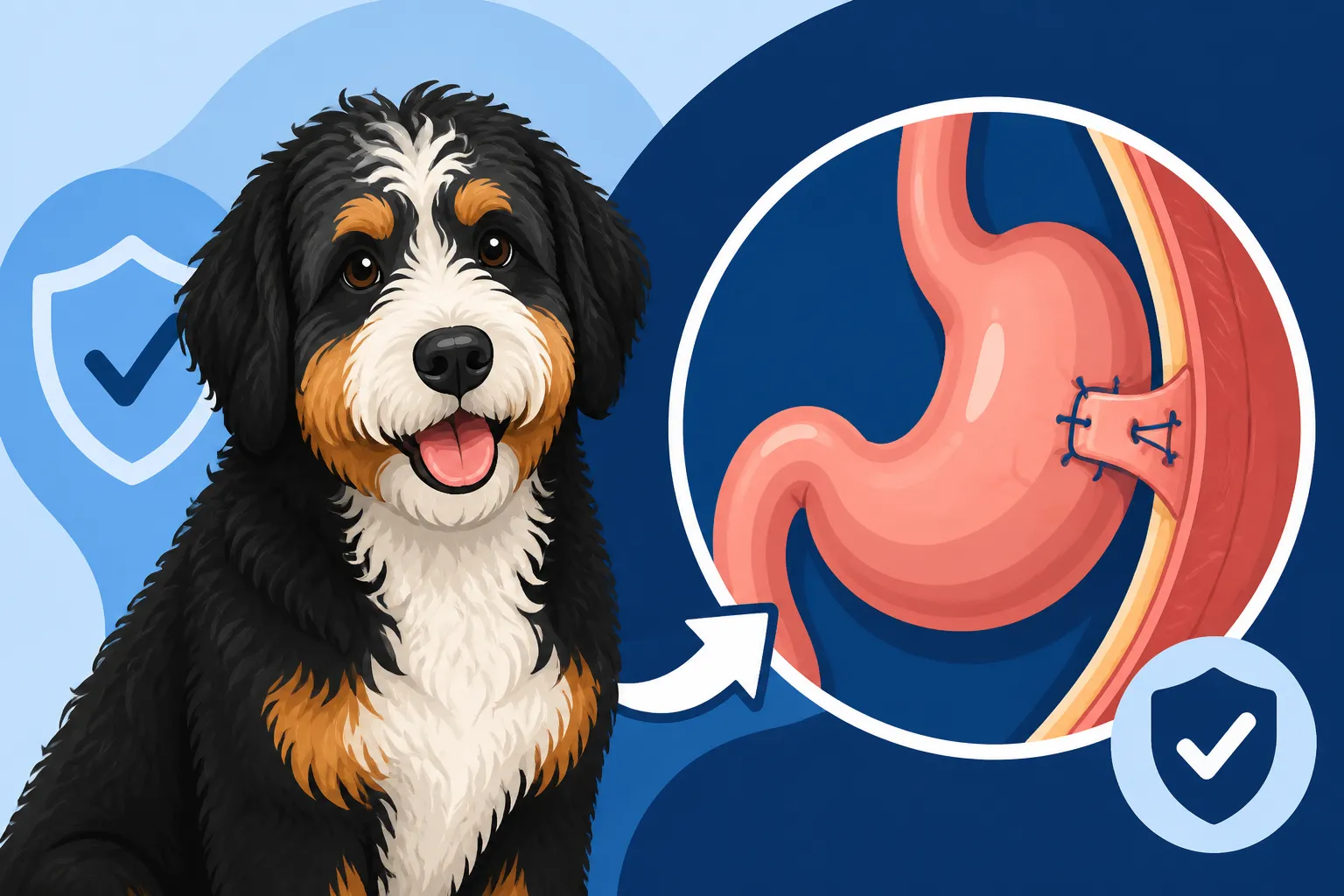
Gastropexy is a surgical procedure where a dog's stomach is permanently attached, or "tacked," to the inside of the abdominal wall. It's crucial to understand what gastropexy does and doesn't do. It does prevent the stomach from twisting (volvulus), which is the most deadly part of GDV. It does not prevent the stomach from filling with gas (dilatation), so a dog who has had a gastropexy can still "bloat" in the sense that their stomach can fill with gas. However, because the stomach is anchored, it cannot twist, and the gas can typically be released, either naturally or with a simpler veterinary procedure, allowing the dog to recover. This distinction is vital: gastropexy effectively removes the life-threatening component of GDV.
Think of it as having a safety net. While the stomach can still get distended, the devastating twist is averted, giving you precious time and a much higher chance of a positive outcome. For Bernedoodle owners, this procedure can be a profound source of peace of mind, knowing you've significantly reduced the risk of one of the most feared conditions in large breed dogs. It's a proactive step that can save their life and spare you unimaginable heartache and expense. Understanding The Chest That Puts a Standard Bernedoodle at Bloat Risk further highlights the importance of this preventative surgery.
The Surgical Procedure: What Gastropexy Entails
Deciding to go ahead with a gastropexy means understanding the surgical process itself. It’s a significant procedure, but one that can often be integrated seamlessly with other routine surgeries.
Performing Gastropexy Alongside Spay or Neuter
One of the most common and practical times to perform a gastropexy is when your Bernedoodle is already undergoing another abdominal surgery, such as a spay (ovariohysterectomy) for females or a neuter (castration) for males. The advantages of combining these procedures are clear: your dog only needs to go under anesthesia once, which minimizes overall anesthetic risk. They also experience a single recovery period, managing one surgical site rather than two separate ones later down the line. For a young, healthy Bernedoodle, adding a gastropexy to their spay or neuter is a highly recommended preventative measure. It means they're not just protected from unwanted pregnancies or certain reproductive cancers, but also from the potentially fatal risk of GDV.
Veterinarians often perform the gastropexy right after the primary procedure, utilizing the same incision and anesthetic time. This reduces the overall stress on your dog and can be more cost-effective in the long run than having two separate surgeries. Many breeders and experienced Bernedoodle owners actively encourage this combined approach for their puppies. It’s a decision that shows foresight and a deep commitment to your dog’s long-term health. You might find it helpful to read What Gastropexy Adds to a Bernedoodle's Spay for a more female-specific perspective.
Traditional Open Surgery vs. Laparoscopic Gastropexy
When considering gastropexy, you'll generally encounter two main surgical approaches: traditional open surgery and laparoscopic surgery.
Traditional Open Surgery:
This is the more conventional method, involving a single, longer incision along the abdomen to allow the surgeon direct visualization and access to the stomach and abdominal wall. It’s a tried-and-true method that has been performed for many years with good success rates.
- Pros: Widely available, often less expensive than laparoscopic, and allows for thorough examination of other abdominal organs if necessary.
- Cons: More invasive, larger incision, potentially longer recovery time, and typically more post-operative pain.
Laparoscopic (Minimally Invasive) Gastropexy:
This modern technique uses specialized instruments and a camera inserted through several small incisions (portals) in the abdomen. The surgeon visualizes the internal organs on a monitor and uses the instruments to perform the stomach tacking.
- Pros: Significantly less invasive, smaller incisions, reduced pain, faster recovery times, and less scarring. Many owners report their dogs are much more comfortable post-op.
- Cons: Requires specialized equipment and training, making it typically more expensive and not as widely available as traditional surgery. It also might not be suitable for all cases, depending on the dog's anatomy or if other complex procedures are needed.
The choice between these two methods often depends on your veterinarian's expertise, the equipment available at their clinic, and your budget. Discussing both options thoroughly with your vet will help you decide which is best for your Bernedoodle. Regardless of the method, the goal remains the same: to permanently secure the stomach and prevent torsion.
What Gastropexy Adds to the Bill: Costs and Considerations
It’s no secret that veterinary care can be a significant expense, and adding a preventative surgery like gastropexy will naturally impact the overall cost. However, it's an investment that can save you far more in an emergency situation.
Breaking Down the Additional Expense
The cost of adding a gastropexy to another planned surgery, like a spay or neuter, will vary widely based on several factors. First, the geographic location of your veterinary clinic plays a big role; urban areas often have higher prices than rural ones. Second, the type of facility – a general practice versus a specialized surgical center – can also influence the fee. Third, the surgical method chosen (traditional open vs. laparoscopic) will have a substantial impact, with laparoscopic procedures typically costing more due to the specialized equipment and training involved. Finally, the experience of the veterinary surgeon and the comprehensiveness of pre-surgical diagnostics (like bloodwork to ensure your Bernedoodle is a good anesthetic candidate) and post-operative pain management all contribute to the final bill.
While I can't provide specific dollar amounts, generally, you can expect gastropexy to add a notable percentage to the cost of a standard spay or neuter. It's not a minor add-on, but rather a dedicated surgical procedure that requires its own time, resources, and skilled labor. Many owners find it helpful to factor this into their budget when planning for a Bernedoodle puppy's initial veterinary care. This proactive step can be more manageable financially than the shock of an emergency bloat surgery, which could involve intensive care, overnight stays, and potentially multiple specialists, easily reaching a far higher sum. This is where pet insurance, such as a policy from Healthy Paws, can be incredibly valuable. While many policies won't cover purely preventative procedures, some might consider gastropexy medically necessary for high-risk breeds, so it’s essential to check their specific terms and conditions regarding preventative surgeries and breed-specific predispositions.
Weighing the Cost Against the Risk of GDV
When you look at the price tag for a gastropexy, it's easy to focus on the immediate outlay. However, it's crucial to view this cost through the lens of prevention and peace of mind. The alternative – emergency surgery for GDV – is not only significantly more expensive but also carries a much higher risk, both for your dog's life and for your emotional well-being. Emergency bloat surgery can involve thousands of dollars, depending on the severity of the twist, the amount of damage to the stomach or spleen, and the length of hospitalization required. This figure doesn't even begin to account for the emotional toll of rushing your beloved companion to an emergency clinic, enduring hours of anxious waiting, and facing the very real possibility of losing them.
By contrast, a planned gastropexy during a routine surgery reduces the risk of death from GDV by a massive margin. It's an investment in your Bernedoodle's future, allowing them to live a longer, healthier life without that terrifying threat hanging over their heads. It transforms a potential life-or-death emergency into a manageable health concern, should their stomach still dilate with gas. When you consider the value of your dog's life and your own peace of mind, the cost of a gastropexy often becomes a very clear and worthwhile decision. Many owners find that the ability to mitigate such a severe risk is priceless. For more insights into this critical decision, check out Whether a Standard Bernedoodle Should Be Tacked at Spay.
Recovery and Post-Operative Care for Your Bernedoodle
Once your Bernedoodle has undergone gastropexy, the recovery period is just as important as the surgery itself. Proper care will ensure they heal well and return to their goofy, loving selves.
Immediate Post-Op and Hospital Stay
Immediately following the gastropexy, your Bernedoodle will remain at the veterinary clinic for monitoring. The duration of this stay typically ranges from one to three days, depending on the complexity of the surgery (e.g., whether it was combined with a spay/neuter, or if there were any complications) and the specific surgical method used. During this time, the veterinary team will closely monitor their vital signs, manage any post-operative pain with medication, and ensure they are recovering comfortably from the anesthesia. They will also assess their appetite, hydration, and incision sites.
It's common for dogs to be a bit groggy and disoriented for the first 24 hours. They might also have a slightly reduced appetite. The veterinary staff will ensure that pain is managed effectively, often through a combination of injectable pain medications and anti-inflammatory drugs. They will make sure your Bernedoodle is stable and comfortable before discussing discharge, providing you with detailed instructions for at-home care. Don't hesitate to ask any and all questions you have during this time – the vet team is there to support you. You might also find information on Whether Anesthesia Is Riskier on a Ninety Pound Bernedoodle useful for understanding general surgical considerations for large dogs.
At-Home Care and Activity Restrictions
Once your Bernedoodle is back home, your role in their recovery becomes paramount. You'll need to closely follow all post-operative instructions provided by your veterinarian. This usually includes:
- Medication Administration: You'll likely be sent home with oral pain medication and possibly antibiotics. Ensure these are given exactly as prescribed, even if your Bernedoodle seems to be feeling better. Consistency is key for comfort and preventing infection.
- Wound Care: Keep the incision sites clean and dry. Check them daily for any signs of redness, swelling, discharge, or separation. Your vet might recommend warm compresses or specific cleaning solutions. It's absolutely crucial to prevent your Bernedoodle from licking, chewing, or scratching at their incisions. An Elizabethan collar (e-collar, often called "the cone of shame") is usually mandatory for several weeks, no matter how much they dislike it. Trust me, it’s far better than an infected or reopened incision.
- Activity Restriction: This is perhaps the most challenging part for many Bernedoodle owners! Your dog will need strict rest and restricted activity for several weeks. This means no running, jumping, playing rough, going up or down stairs unsupervised, or off-leash excursions. Short, controlled leash walks for potty breaks are usually permitted, but keep them calm and slow. This restriction is vital to allow the internal and external incisions to heal properly and for the stomach to securely attach to the abdominal wall. Imagine an incision tearing open inside – it's a terrifying thought, but a real possibility if activity isn't controlled.
- Dietary Management: Your vet might recommend a bland diet for a few days post-surgery, gradually transitioning back to their regular food. Follow their advice. For Bernedoodles, continuing good feeding habits that reduce bloat risk, like feeding smaller, more frequent meals, even after gastropexy, is still a wise practice. Brands like Ollie or Chewy offer various food options, including sensitive stomach formulas that might be helpful during recovery. For more specific guidance on meal timing, you can check out Whether a Standard Bernedoodle Should Rest After Meals.
- Observation: Keep a keen eye on your Bernedoodle for any signs of complications, such as excessive lethargy, vomiting, diarrhea, refusal to eat or drink, or changes in urination/defecation. Any concerning symptoms warrant an immediate call to your vet.
This period of careful nursing is temporary, and with your dedication, your Bernedoodle will be back to full health, with the added benefit of significant protection against GDV.
Long-Term Outlook
The long-term outlook for Bernedoodles who have undergone a gastropexy is overwhelmingly positive. Once fully recovered, they can enjoy a normal, active life. The primary benefit, of course, is the dramatic reduction in the risk of life-threatening gastric torsion. This doesn't mean you can throw caution to the wind entirely; while the stomach can no longer twist, it can still dilate with gas. Therefore, it's still prudent to continue good management practices that minimize gas buildup, such as avoiding strenuous exercise right after eating and not feeding one massive meal a day. Being aware of the signs of bloat (even if without the twist) like restlessness and unproductive retching is still important.
However, the immense relief and peace of mind that comes from knowing the most dangerous part of bloat has been surgically averted is immeasurable for most owners. It means less anxiety during feeding times, less worry about frantic emergency dashes, and ultimately, a better quality of life for both you and your Bernedoodle. This preventative measure is truly a testament to modern veterinary care and a loving owner's commitment to their dog's health.
Here's a comparison of the two main gastropexy methods:
| Feature | Traditional Open Gastropexy | Laparoscopic Gastropexy |
|---|---|---|
| Invasiveness | More invasive (single larger incision) | Minimally invasive (multiple small incisions) |
| Incisions | One incision (several inches long) | Two to three small incisions (0.5-1 inch each) |
| Surgical Time | Variable, often slightly less for experienced surgeons | Variable, can be longer if surgeon is less experienced |
| Post-Op Pain | Generally higher, requiring more pain meds | Generally lower, faster return to comfort |
| Recovery Time | Can be longer, more activity restriction | Faster, quicker return to normal activity |
| Scarring | More visible scar | Minimal scarring, often barely noticeable |
| Cost | Generally less expensive | Generally more expensive |
| Availability | Widely available at most veterinary clinics | Requires specialized equipment and training; less widely available |
| Risk of Infection | Comparable | Comparable |
This article is for general informational purposes only and does not constitute professional advice. Laws, prices and regulations vary by location and change over time. Consult a qualified professional for guidance on your specific situation.