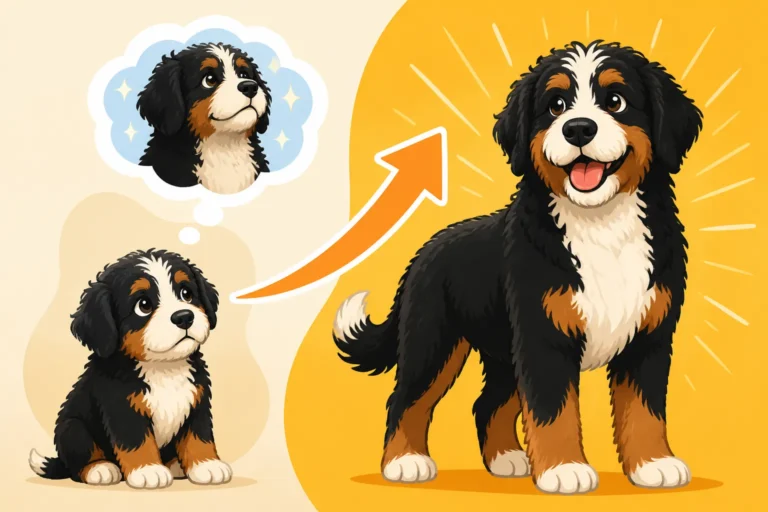
Socializing a Bernedoodle Before Twelve Weeks
It’s a dilemma every new Bernedoodle puppy parent faces: you know your little fluffball needs to see the world and meet people to grow into a confident, well-adjusted adult, but those crucial vaccinations aren't all in yet. How do you balance the vital need for early socialization with the very real risk of exposure to illness? This guide is here to walk you through how to safely and effectively socialize your Bernedoodle puppy during those incredibly formative first twelve weeks, setting them up for a lifetime of happy interactions.
The Irreplaceable Window of Early Puppyhood
Those first few weeks your Bernedoodle puppy is home, especially before they turn twelve weeks old, are often called the "critical socialization period." This isn't just a casual term; it's a period of intense neurological development where your puppy's brain is like a sponge, soaking up every experience and forming foundational impressions about the world around them. Miss this window, and while later socialization is absolutely still possible, it often requires more effort and may not fully overcome deeply ingrained fears or anxieties.
The "Fear Periods" and Why They Matter
Within this critical socialization window, puppies often go through what are known as "fear periods." These are specific developmental stages where they are particularly sensitive to negative experiences, and even seemingly minor events can leave a lasting impression. One such period typically occurs between 8 and 11 weeks of age, right when your puppy is settling into your home. A loud noise, a startling encounter, or even an accidental fall during this time can create a strong, lasting fear response. Our goal during this period is to ensure that every new experience is as positive, gentle, and controlled as possible. Think of it as carefully curating their world with happy, calm interactions to build their confidence rather than inadvertently triggering fear.
If a puppy, for example, is startled by a loud motorcycle backfiring when it's around 9 weeks old and doesn't have positive experiences with loud noises soon after, it might develop a lifelong fear of similar sounds. This isn't about coddling them, but about introducing new stimuli in a way that allows them to process it as safe and non-threatening. A dog that is constantly fearful is a dog under stress, and that's something we want to avoid for our lovable Bernedoodles.
Brain Development During Puppyhood
Your Bernedoodle puppy's brain is developing at an astonishing rate during these early weeks. Neural pathways are being formed and solidified based on the sensory information they receive. The more diverse, positive, and gentle experiences they have, the more adaptable and resilient their brains become. Think of it like building a vast, sturdy network of roads in their brain, rather than just a few narrow pathways. This extensive network allows them to process new situations calmly and confidently throughout their lives.
When a puppy consistently has positive interactions with a variety of people, sounds, sights, and textures, their brain learns that the world is a generally safe and interesting place. Conversely, a lack of exposure, or exposure to overwhelming or negative experiences, can lead to a brain that is less equipped to handle novelty, potentially resulting in anxiety, reactivity, or shyness. This is why even just watching the world go by from a safe distance, or listening to new sounds at a low volume, is incredibly valuable for their developing minds.
Understanding Your Bernedoodle's Innate Temperament
Bernedoodles are a wonderful blend of two distinct breeds: the laid-back, affectionate Bernese Mountain Dog and the intelligent, often sensitive Poodle. Understanding these contributing traits can help you tailor your socialization approach, acknowledging potential predispositions your puppy might have. It's not about stereotyping, but about being prepared for common tendencies.
The Bernese Influence on Socialization
From the Bernese Mountain Dog side, your Bernedoodle might inherit a natural reservedness or cautiousness, especially with strangers. While Bernese are typically gentle giants with their families, they can often be a bit aloof or watchful around new people or in new situations. This isn't shyness in a fearful way, but more a "wait and see" attitude. For a Bernedoodle, this means that while they might not rush up to every new person with boundless enthusiasm, they are observing. Whether a Bernedoodle Is Naturally Reserved explores this trait further.
This potential for reserve makes early, positive, and non-overwhelming interactions even more crucial. Instead of forcing interactions, focus on gentle introductions where your puppy can approach on their own terms. Short, positive encounters where strangers offer a treat and then disengage can build confidence far more effectively than prolonged, intense greetings. You want to teach them that new people are sources of good things, not something to be wary of.
The Poodle Influence on Learning and Sensitivity
The Poodle half brings intelligence, a strong desire to please, and often, a higher degree of sensitivity. Poodles are incredibly smart and can pick up on cues quickly, but they can also be prone to anxiety or overstimulation if not introduced to new things thoughtfully. This means your Bernedoodle puppy might be very quick to learn what you want from them during socialization exercises, but they might also be more sensitive to loud noises, sudden movements, or strong reactions from others. What the Poodle Contributes to a Bernedoodle highlights these traits.
This sensitivity means that while a Bernedoodle is generally eager to please, you need to be mindful of their emotional state. Push too hard, too fast, or too loud, and a sensitive Poodle-mix brain might shut down or become overwhelmed. Gentle praise, small, high-value treats, and keeping sessions short and positive are key. They thrive on clear communication and a calm, reassuring presence from you.
Safe Socialization Before Full Vaccinations
This is the big one, the question that keeps many new puppy parents up at night. How do you socialize your Bernedoodle when they aren't fully protected from diseases like parvovirus or distemper? The key is controlled exposure and prioritizing health. It's a careful dance, but one that is absolutely essential for your puppy's well-being.
Prioritizing Health While Gaining Experience
Your veterinarian will be your best partner in navigating this. Always follow their advice on when and where it's safe to take your puppy. Generally, the rule of thumb is to avoid public places where unvaccinated dogs might have been, especially dog parks, pet store floors, or grassy areas heavily trafficked by other dogs, until your puppy has completed their full vaccination series, typically around 16 weeks of age. This doesn't mean you have to keep them in a bubble; it just means being smart and intentional about their exposure.
Think about it like this: a child needs to learn about the world, but you wouldn't send a newborn to a germy playground. You introduce them gradually, in safe environments. For your Bernedoodle, this means creating a safe bubble of experiences that don't compromise their developing immune system. Every positive interaction you facilitate during these weeks builds crucial confidence and adaptability for later life.
Low-Risk Exposure Strategies
So, what can you do? Plenty! Here are some low-risk, high-reward socialization strategies:
- Host Puppy Playdates: Invite friends and family with fully vaccinated, healthy, and calm adult dogs to your home or yard. This allows your Bernedoodle to interact with stable canine role models in a controlled, clean environment. Make sure these dogs have good social skills; a bad experience with an overly boisterous or aggressive dog can be detrimental.
- Car Rides and Observation: Take your puppy on short car rides to different locations. Park somewhere busy but safe (like a shopping center parking lot or outside a school at dismissal time) and let them watch the world go by from the safety of your lap or a carrier. They'll see people of all shapes, sizes, and ages, hear diverse sounds, and smell new scents, all without direct contact.
- Sound Desensitization: Accustom your puppy to a variety of sounds. This could involve playing recordings of thunderstorms, sirens, babies crying, or vacuums at a very low volume while they are happily playing or eating. Gradually increase the volume over time. You can find excellent sound effect playlists on platforms like Amazon Music.
- Safe People Encounters: Invite friends and family (especially those who don't have other dogs or who can wash their hands before touching the puppy) to your home. Make sure they interact calmly and gently, offering treats. Expose your puppy to people wearing hats, glasses, carrying bags, using canes, or in wheelchairs. This broadens their understanding of what "people" look and sound like.
- Puppy Socialization Classes: Many reputable dog training facilities offer "puppy kindergarten" classes specifically for young, not-yet-fully-vaccinated puppies. These classes require proof of initial vaccinations and are held in sanitized environments, often on non-porous surfaces. This is a fantastic way for your Bernedoodle to safely interact with other puppies and learn appropriate play. BAXTER & Bella offers excellent online programs that can complement in-person classes, guiding you through at-home socialization exercises.
- Surface and Texture Exposure: Gently introduce your puppy to different surfaces like carpet, tile, hardwood, concrete (briefly and ensuring it's not too hot/cold), grass, gravel, and even a wobbly plank or tunnel. Make it a game with treats and praise.
Remember The Five Minute Rule on a Bernedoodle Puppy's Walks for any outdoor excursions, keeping them short and focused on potty breaks on clean surfaces rather than long-distance adventures.
Essential Socialization Experiences for Your Bernedoodle
Socialization isn't just about meeting other dogs; it's a holistic process of introducing your Bernedoodle to every aspect of the human world they will encounter. The more positive experiences you provide in these early weeks, the more resilient and adaptable they will become.
Exposure to Diverse People and Environments
Your Bernedoodle will share their life with you, and that means interacting with a wide array of people. Don't limit their interactions to just your immediate family. Think about all the different types of people they might encounter:
- Different Ages: Babies (under strict supervision, of course, from a distance at first), toddlers, children, teenagers, adults, and seniors. Each group moves, sounds, and smells differently. Whether a Bernedoodle Is Gentle With a Baby provides essential reading here.
- Different Appearances: People with hats, glasses, beards, uniforms, hoodies, large coats, or carrying umbrellas. The more variety they see, the less likely they are to be startled by unusual appearances.
- Different Gaits and Mobility Aids: People walking slowly, quickly, using crutches, walkers, or wheelchairs. These movements can be unexpected for a puppy.
- Different Voices: People with deep voices, high voices, loud laughs, or soft whispers. Again, positive association with all these variations is key.
Take your puppy for short, positive visits to quiet, dog-friendly stores (if allowed and after full vaccinations), or simply sit outside a cafe. Always bring high-value treats and reward calm observation. If your puppy seems overwhelmed, move to a quieter spot. Whether a Bernedoodle Copes in a Busy House is a great resource if your home already has a lot going on.
Sensory Exploration for a Well-Adjusted Puppy
Beyond people, your Bernedoodle puppy needs to explore a rich tapestry of sensory experiences. This helps them understand that the world is full of various sights, sounds, textures, and smells, and most of them are nothing to fear.
- Sounds: Introduce everyday household noises like the vacuum cleaner, washing machine, hairdryer, doorbell, television, and even the sounds of construction or traffic from a distance. Start with low volumes and reward calmness. Many smart speaker devices available on Amazon can play specific sound effects.
- Textures: Let your puppy walk on different floorings – carpet, tile, wood, linoleum. Take them into the yard to experience grass, dirt, and perhaps some smooth stones. Gently introduce them to the feeling of being picked up, held, and having their paws, ears, and mouth examined. This is vital for future grooming and vet visits.
- Objects: Allow them to investigate safe, novel objects. An empty cardboard box, a crinkly tunnel, a broom, or even a child's toy (ensure it's puppy-safe and non-toxic). The goal is curiosity, not fear.
- Grooming Tools: Introduce the brush, comb, nail clippers, and even the sound of a hairdryer (on a cool, low setting) well before their first professional groom. Make it a positive experience with treats and praise. This early desensitization is crucial for later peaceful grooming sessions. The Age to Book a Bernedoodle's First Groom can give you more details on timing.
| Category | Examples of Exposure | Goal |
|---|---|---|
| People | Men, women, children, seniors; people with hats, glasses, uniforms, beards, different skin tones; people using mobility aids (canes, wheelchairs); different voices and movements. | Puppy learns to be comfortable and confident around all types of humans. |
| Sounds | Vacuum cleaner, doorbell, washing machine, hair dryer, TV, music, thunder, sirens (played softly at first), traffic, children playing. | Puppy learns to accept normal household and environmental noises without fear. |
| Sights | Moving cars, bicycles, strollers, various outdoor objects (flags, mailboxes), different building types, animals seen from a distance, reflections. | Puppy develops curiosity and comfort with visual variety. |
| Surfaces | Carpet, hardwood, tile, linoleum, grass, gravel, concrete (briefly, temperature permitting), uneven ground, low steps, bath mat, wet grass. | Puppy gains confidence walking on diverse textures and unstable surfaces. |
| Handling | Gentle touching of ears, paws, tail, mouth; being picked up, held, restrained briefly; being brushed, having nails touched/clipped; standing on a grooming table (or sturdy surface). | Puppy accepts routine care, grooming, and veterinary examinations calmly. |
| Novel Objects | Crinkly toys, cardboard boxes, various types of safe chew toys, broom, mop, vacuum cleaner (when off), plastic bags (supervised), different types of leashes/collars. | Puppy develops curiosity and reduces fear of unfamiliar objects. |
Addressing Common Early Socialization Challenges
Even with the best intentions, raising a puppy comes with its unique set of challenges. Bernedoodles, with their mixed heritage, can present some specific quirks that are good to be aware of and proactively manage during these early weeks.
Handling Puppy Nipping and Mouthing
It's completely normal for Bernedoodle puppies, like all puppies, to explore the world with their mouths. They bite and mouth their littermates and mother, learning bite inhibition in the process. When they come to your home, you become their new "littermate." It's crucial during this period to teach them that human skin is sensitive and not a toy. Whether a Bernedoodle Puppy Bites Hard is a common concern.
When your puppy nips too hard, immediately let out a high-pitched yelp, withdraw your hand, and turn away. End playtime for a minute. If they continue, calmly put them in their crate or a puppy-safe pen for a short "time out" (30-60 seconds) to calm down. Offer appropriate chew toys as alternatives. Consistency is key here. Every family member needs to respond the same way. This teaches them that hard biting makes the fun stop.
Building Confidence in a Timid Bernedoodle
Given the Bernese Mountain Dog's potential for reserve and the Poodle's sensitivity, some Bernedoodles might naturally be more timid or cautious. It's vital to foster confidence, not force it. If your puppy shies away from a new person or object, don't force the interaction. Instead, allow them to observe from a safe distance.
Use positive reinforcement heavily. If they even look at the scary thing without reacting negatively, reward them. If they take a step closer, huge rewards! The goal is to create positive associations. For example, if they're hesitant about a new person, have that person toss a treat near the puppy, then ignore them. Let the puppy approach when they feel safe. Never scold a fearful puppy; it will only increase their anxiety. Your calm, confident demeanor will be their greatest reassurance. Building Confidence in a Timid Bernedoodle offers more strategies for this.
Tools and Resources for Early Socialization
You don't have to navigate this critical period alone. There are fantastic tools and resources available to help you ensure your Bernedoodle puppy gets the best possible start in life. Leveraging these can make the process smoother, safer, and more effective for both you and your furry friend.
Structured Puppy Programs and Online Courses
For many new puppy parents, especially those balancing work or a busy family life, structured guidance can be a lifesaver. Online puppy programs offer detailed, step-by-step instructions for socialization, basic obedience, and problem-solving, all from the comfort of your home. A great example of this is BAXTER & Bella's online puppy training school, which provides comprehensive lesson plans, live online classes, and direct support. These programs can help you understand what to do and when to do it, offering peace of mind that you're covering all your bases.
While in-person puppy classes are invaluable for direct puppy-to-puppy interaction (in a sanitized environment, of course), online resources fill the gap for at-home training and broader exposure. They can guide you through desensitization exercises for sounds, introduce you to different types of handling, and provide frameworks for positive reinforcement, ensuring you are building a strong bond and a well-behaved companion. What a Bernedoodle Puppy Should Learn First is often covered in such programs.
Helpful Products for Puppy Socialization
Beyond formal training, several products can aid in your early socialization efforts, making experiences more positive and manageable.
- Secure Carrier or Sling: For those car rides and observations from a distance, a comfortable, secure carrier or dog sling is essential. Your puppy can feel safe and contained while still taking in the sights and sounds of the world without being physically on potentially contaminated ground. Amazon offers a wide variety of carriers suitable for different puppy sizes, ensuring comfort and safety.
- High-Value Treats: Keep a stash of irresistible treats on hand. These are your most powerful tools for creating positive associations with new experiences. Small, soft, smelly treats work best for quick rewards.
- Puzzle Toys and Chews: When introducing new sounds or leaving your puppy to observe from a distance, a stimulating puzzle toy stuffed with treats or a safe, long-lasting chew can keep them happily occupied and distracted, associating the new environment with something positive.
- Sound Machines/White Noise Apps: To help desensitize your puppy to various noises, a sound machine or a white noise app on your phone can be incredibly useful. You can gradually introduce sounds like thunder, fireworks, or city traffic at low volumes, increasing them over time as your puppy remains calm. Again, these types of products and apps are readily available through retailers like Amazon.
- Grooming Tools: Start early with gentle brushes, a wide-toothed comb, and even dull nail clippers. Make these tools part of a positive routine, offering treats and praise during and after short handling sessions, building a foundation for easy grooming throughout their life.
By being proactive, consistent, and creative, you can make the most of those crucial first twelve weeks, laying a strong foundation for a confident, happy, and well-adjusted Bernedoodle.
Disclaimer
This article is for general informational purposes only and does not constitute professional advice. Laws, prices and regulations vary by location and change over time. Consult a qualified professional for guidance on your specific situation.