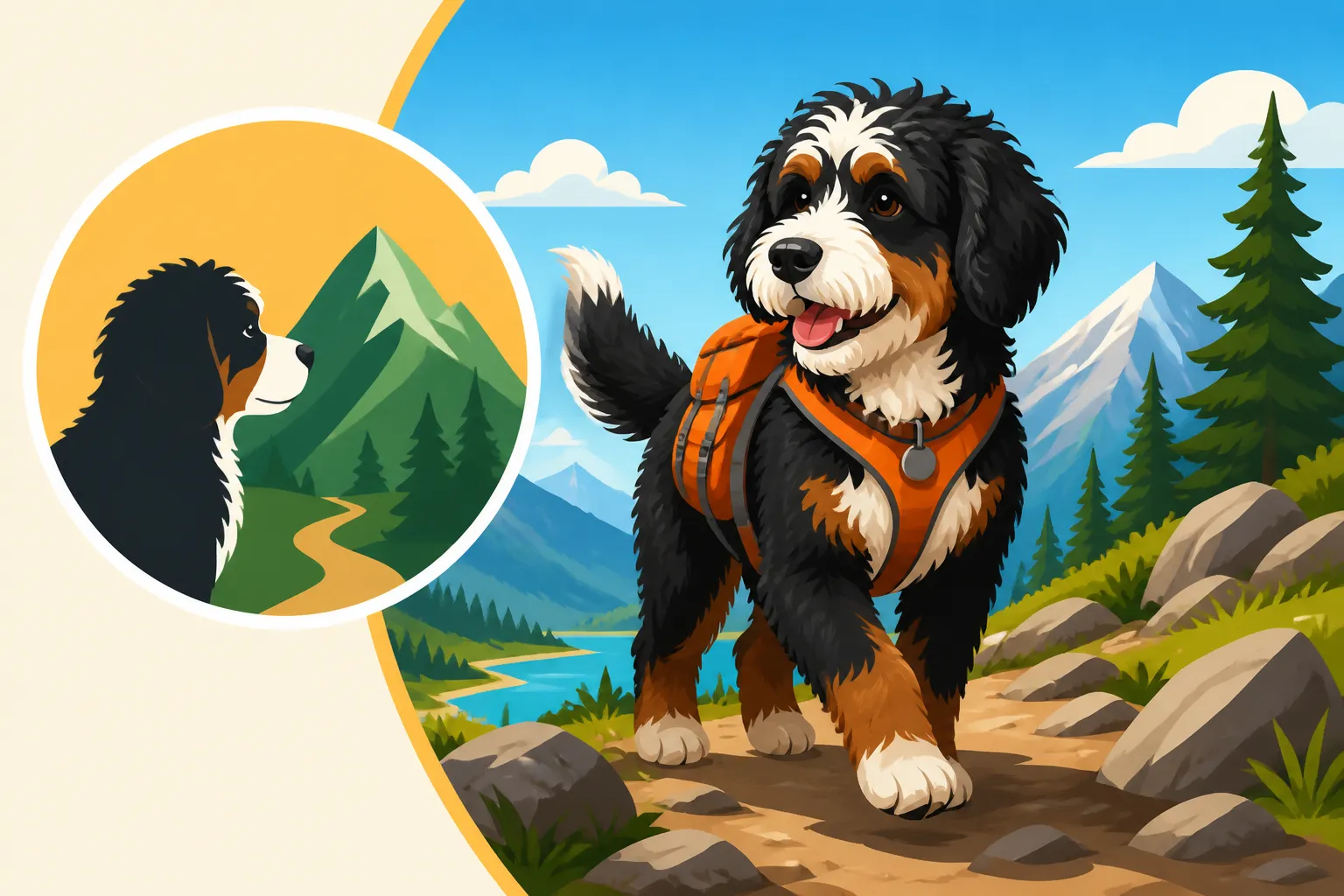
Whether a Bernedoodle Hikes Well
Many of us dream of hitting the trails with our furry best friend, picturing them bounding happily beside us on a scenic hike. But if you're a Bernedoodle parent, you might be wondering if your fluffy companion is truly cut out for rugged terrain and long distances. They’re big, they have thick coats, and sometimes they're… well, a little goofy! This guide will delve into everything you need to know about hiking with a Bernedoodle, helping you determine if it's the right activity for your specific dog and how to prepare them safely.
Understanding the Bernedoodle's Physical and Temperamental Traits for Hiking
Bernedoodles are a wonderful blend, but that blend also means they inherit a unique set of physical and behavioral characteristics that absolutely influence their hiking suitability. It's not a one-size-fits-all answer, and understanding what makes your individual Bernedoodle tick (or pant!) is the first step to a successful trail experience. We have to consider their build, their beautiful coats, and what motivates them to keep moving.
Bernedoodle Size and Joint Considerations for the Trail
Let's be real, a Standard Bernedoodle can be a big dog, often weighing in at 70 to 90 pounds, sometimes more! This impressive size is a huge factor when it comes to hiking. All that weight puts significant stress on their joints, especially their hips and elbows. Bernese Mountain Dogs, one half of the Bernedoodle equation, are known for a predisposition to conditions like hip and elbow dysplasia, and while the Poodle side can sometimes bring a healthier genetic mix, it doesn't guarantee a free pass. You absolutely need to be mindful of this, particularly with growing puppies whose growth plates are still open. For more on this, you might find Hips on a Ninety Pound Bernedoodle and Elbow Dysplasia in a Growing Bernedoodle insightful.
For adult Bernedoodles, proper conditioning is key. Just like us, they can't go from couch potato to mountain climber overnight without consequences. Their sturdy build can certainly handle varied terrain, but sudden, intense activity on unprepared joints can lead to injury. It’s all about a gradual approach, building stamina and muscle strength over time to support those larger frames. Think of it as a marathon, not a sprint, for their joint health.
Even more crucial is protecting young Bernedoodles. Their bones and joints are still developing, and too much impact or sustained strenuous exercise can cause irreversible damage. High-impact activities like long, intense hikes, especially over uneven or steep terrain, should be avoided until they are fully mature, which for a large breed like a Standard Bernedoodle can be up to two years old. This is why paying attention to guidelines like The Five Minute Rule on a Bernedoodle Puppy's Walks is so vital in their early years.
Their Coat and Temperature Regulation on Hikes
Ah, the Bernedoodle coat! It's gorgeous, often soft, and usually quite thick – a true double-edged sword when it comes to hiking. This dense coat, inherited from both the Bernese and Poodle, is fantastic for keeping them warm in cold climates. However, in warmer weather or during strenuous activity, it acts like a personal sauna, trapping heat and making them highly susceptible to overheating. This is especially true for those beautiful black tri-color Bernedoodles, whose dark coats absorb even more sunlight.
When planning a hike, you must consider the temperature and humidity. A seemingly mild day for you might be dangerously hot for your Bernedoodle. They don't sweat like humans do; their primary way to cool down is by panting, and if that thick coat is trapping heat, it severely limits their ability to regulate their body temperature. This is a serious health risk that cannot be underestimated.
Even with a lighter coat color or a professional summer shave, they still have that dense undercoat or thick hair. Considerations like Why a Black Tri Bernedoodle Overheats are critical here. You absolutely must factor in the time of day, seeking shade, and always, always carrying ample water. We’ll discuss practical solutions for this further down, but it’s a constant concern for any Bernedoodle owner on the trail.
Bernedoodle Energy Levels and Stamina for Long Walks
Bernedoodles are generally considered to have moderate energy levels. They aren't typically hyperactive like some working breeds, but they certainly aren't sedentary either. The Poodle brings intelligence and a surprising athletic ability, while the Bernese offers a more steady, strong endurance. This combination often results in a dog that enjoys a good, long walk rather than a frantic sprint.
For hiking, this moderate energy translates well into being steady, reliable companions. They might not be setting any speed records, but they can often maintain a decent pace over several miles once properly conditioned. However, remember that "long walk" to a Bernedoodle might mean 5-7 miles on a moderate trail, not an all-day, 15-mile scramble up a mountain. It’s important to gauge your individual dog's stamina and respect their limits.
Just because they can keep going doesn't mean they should without breaks. Watch for signs of fatigue, and never push them past their comfort zone. A tired dog is more prone to injury and less likely to enjoy the experience. For a general idea of their daily needs, you can look into The Exercise a Standard Bernedoodle Needs Daily. Their mental engagement is also part of their stamina; a new trail with interesting smells can often keep them going longer than a familiar walk around the block.
Preparing Your Bernedoodle for Hiking Adventures
Taking your Bernedoodle on a hike isn't just about showing up at the trailhead. It requires preparation, both in terms of their training and the gear you bring. Skipping these steps can turn a potentially wonderful experience into a stressful or even dangerous one. We want to set our furry friends up for success, ensuring they're physically capable and mentally ready for the sights, sounds, and smells of the great outdoors.
Essential Training for a Well-Behaved Trail Companion
Hiking trails are often dynamic environments with other people, dogs, wildlife, and varying terrain. A well-behaved Bernedoodle is paramount for everyone's safety and enjoyment. Top of the list is a rock-solid recall. No matter how friendly your dog is, an off-leash Bernedoodle bolting after a squirrel or deer could lead to a dangerous situation for them, other hikers, or wildlife. Even if you plan to keep them on a leash, a strong recall is your emergency button.
Equally important are good leash manners. A Bernedoodle, especially a Standard, can easily pull an adult off their feet if they decide to lunge after something exciting. Teaching them to walk politely on a loose leash is non-negotiable for an enjoyable hike. Commands like "leave it" are also incredibly useful for preventing them from eating something inappropriate (or toxic) they find on the ground. Obedience classes or online training programs, such as those offered by BAXTER & Bella, can be invaluable for establishing these foundational skills before you hit the trail. They offer structured guidance that can make all the difference.
Beyond basic obedience, expose your Bernedoodle to different environments and surfaces from a young age, if possible. Walking on gravel, dirt, grass, and even some small rocky patches in your neighborhood can build confidence and coordination. This isn't just about physical training; it's about mental conditioning, helping them adapt to the unpredictable nature of a trail. Remember, Leash Manners on a Bernedoodle Heading for Ninety Pounds is a skill you'll be grateful for when you have a big dog.
Gear Recommendations for Safe and Comfortable Hiking
Having the right gear makes a massive difference for both you and your Bernedoodle. First and foremost, a well-fitting harness is essential. Avoid neck collars for hiking, as they can put undue pressure on your dog's neck if they pull or stumble. A Y-front harness allows for comfortable movement and doesn't restrict their shoulders. For Bernedoodles who are strong pullers, a front-clip harness can provide extra control. Many excellent options can be found on Amazon, often with reflective stitching for low-light visibility.
You'll also need a sturdy leash, ideally 6 feet long, made of durable material. Flexi-leashes are generally not recommended for hiking as they offer less control and can be a tripping hazard on uneven terrain. A hands-free leash that attaches to your waist can be a game-changer, allowing you to use trekking poles or simply have your hands free for balance. Don't forget a portable water bottle and a collapsible bowl; dehydration is a serious risk.
Consider a doggy first-aid kit. It should include paw balm or wax to protect pads from rough surfaces, antiseptic wipes for minor cuts, bandages, and any specific medications your dog might need. Reflective gear, especially if you might be out near dusk or dawn, is also a smart addition. For dogs prone to overheating, a cooling vest or bandanna can provide some relief, though they are never a substitute for avoiding extreme heat.
Conditioning Your Bernedoodle for the Rigors of Hiking
You wouldn't run a marathon without training, and your Bernedoodle shouldn't either. Conditioning is crucial for preventing injuries and ensuring they genuinely enjoy the experience. Start with shorter, easier walks on varied terrain and gradually increase the distance and difficulty. This allows their muscles to strengthen, their paw pads to toughen, and their cardiovascular system to adapt.
Pay close attention to your Bernedoodle's paws. Rocky or rough trails can be hard on them. Check their pads before, during, and after a hike for any cuts, cracks, or excessive wear. Paw protection, like booties, can be a great investment if you plan on hiking frequently on challenging surfaces, especially in extreme temperatures or on abrasive trails. Even if they initially resist them, many dogs adapt quickly, and the protection is well worth it.
During your conditioning walks, practice taking breaks. Encourage your Bernedoodle to drink water, lie down, and rest. This teaches them to pace themselves and associate breaks with comfort. It also allows you to check in with them, assess their energy levels, and ensure they're not pushing themselves too hard. Just as importantly, it gives you a chance to practice Building a Recall on a Bernedoodle in a controlled environment.
Safety and Etiquette on the Trail with Your Bernedoodle
Once you and your Bernedoodle are trained and geared up, hitting the trails can be an incredibly rewarding experience. However, responsible hiking extends beyond personal preparation. It involves understanding trail conditions, respecting other users, and knowing how to keep both your dog and the environment safe.
Navigating Different Trail Conditions
Hiking trails are rarely uniform. You might encounter anything from smooth dirt paths to rocky ascents, muddy sections, or even shallow stream crossings. Your Bernedoodle needs to be able to navigate these varied conditions safely. Their large paws offer good traction, but steep, slippery, or deeply rooted areas can still pose a challenge. A sudden slip can lead to sprains or more serious injuries, especially given their joint predispositions.
When you're faced with tricky terrain, slow down and guide your dog carefully. If there's a section that looks genuinely hazardous for their size or gait, consider turning back or finding an alternative route. Always think about their paws on different surfaces. Hot pavement, sharp gravel, or icy patches can all cause discomfort or injury. For specific concerns, Whether Pavement Burns a Bernedoodle's Pads is a topic many owners worry about.
Water crossings, even small ones, can be fun, but ensure the current isn't too strong and the footing is secure. Bernedoodles generally enjoy water, thanks to their Poodle heritage, but deep or fast-moving water can still be dangerous. Always assess the situation before letting them plunge in.
Wildlife Encounters and Leash Laws
This is where that solid recall and leash manners really shine. Most trails have leash laws, and for good reason. Not only does it protect your Bernedoodle from potential dangers, but it also safeguards local wildlife and ensures the comfort of other hikers. Imagine your large, friendly Bernedoodle bounding towards a hiker who is fearful of dogs, or worse, chasing a deer into traffic. These scenarios are easily preventable with a leash.
If you encounter wildlife, whether it's a squirrel, a bird, or something larger like a deer or even a bear (depending on your location), it's crucial to have your dog under control. Your Bernedoodle's natural curiosity and prey drive can kick in, regardless of how well-trained they usually are. Keeping them on a leash prevents them from disturbing animals or getting into a dangerous confrontation.
Beyond wildlife, you'll inevitably encounter other people and dogs on the trail. Be a considerate trail user. If you see another dog approaching, especially one on a leash, it's polite to shorten your Bernedoodle's leash and keep them close to you. This signals that you have control and allows the other party to pass comfortably. Not all dogs are friendly, and not all people want to interact with a big, fluffy dog. This goes back to respecting other dogs and their boundaries, as discussed in Whether a Bernedoodle Is Friendly With Strangers.
Hydration, Nutrition, and Recognizing Signs of Fatigue
Staying hydrated is absolutely non-negotiable for a hiking Bernedoodle. They often don't show signs of dehydration until it's quite advanced, and their thick coats exacerbate the issue. Carry more water than you think you'll need for both of you. Offer water frequently, even if they don't seem thirsty. On a long hike, a couple of small, easily digestible snacks can also help keep their energy levels up. These can be specific dog treats or even a bit of their regular kibble.
Learn to recognize the signs of fatigue and heatstroke. Excessive panting, drooling, wobbliness, stumbling, bright red gums, or a glazed look in their eyes are all red flags. If you see these signs, stop immediately, find shade, offer water, and consider turning back. Your Bernedoodle's safety is far more important than reaching your destination. Never force them to continue if they're struggling.
Always remember that dogs instinctively try to please us and often push themselves past their limits. It's your responsibility as their owner to advocate for them and know when they've had enough. Checking in with them regularly, observing their gait, and listening to their breathing will help you gauge their condition throughout the hike.
When Hiking Might Not Be the Best Fit for Your Bernedoodle
While many Bernedoodles can become fantastic hiking partners, it's important to acknowledge that it's not the right activity for every dog. Several factors, from age and health to individual temperament and environmental realities, might mean that hiking isn't the safest or most enjoyable choice for your particular Bernedoodle. Being realistic about these limitations is part of being a responsible pet parent.
Age and Health Considerations
Just as with young puppies, senior Bernedoodles also require a more careful approach to hiking. As dogs age, they often develop arthritis or other joint issues, and their stamina naturally decreases. What was an easy hike for them at five years old might be genuinely painful or exhausting at eight or ten. Regularly assess your senior Bernedoodle's mobility and energy levels. Gentle, shorter walks on even terrain might be more appropriate than challenging hikes. For more on aging Bernedoodles, consider What Changes in a Bernedoodle After Eight and The Birthday a Standard Bernedoodle Counts as Senior.
Beyond age, any pre-existing health conditions can rule out or severely limit hiking. Dogs with respiratory problems, heart conditions, or severe joint issues should not be pushed on strenuous trails. Even conditions like hip or elbow dysplasia, even if managed, might make certain types of hiking too risky or uncomfortable. Always consult your veterinarian before embarking on new or more intense exercise routines with your Bernedoodle, especially if they have any known health concerns. Their professional guidance is invaluable in ensuring you don't inadvertently cause harm.
Even a healthy Bernedoodle can have an off day. If they seem lethargic, are limping slightly, or just generally aren't themselves, postpone the hike. Pushing them through discomfort can turn a minor issue into a major injury, or simply make them dread future hikes. Listen to your dog's subtle cues.
Temperamental Challenges and Environmental Factors
Some Bernedoodles, despite their generally friendly and outgoing nature, can be naturally reserved or even timid. A busy, noisy trail with many strangers, other dogs, and unexpected sounds might be overwhelming for them. While socialization helps, some dogs simply aren't cut out for the hustle and bustle of popular hiking spots. If your Bernedoodle tends to hide behind you when new people approach or reacts fearfully to novel stimuli, a quiet walk in a less trafficked area might be a better fit than a popular hiking trail. You might want to consider Whether a Bernedoodle Copes in a Busy House for more insight.
Environmental factors, as we touched on earlier, are also huge. A Bernedoodle with a very thick coat simply will not thrive hiking in a hot, humid climate. Even if you love hiking year-round, your Bernedoodle might only be comfortable for short, early morning or late evening walks during the warmer months. Trying to force them to hike in unsuitable weather is not only unkind but dangerous. Whether a Bernedoodle Suits a Warm Climate directly addresses this concern.
Ultimately, the goal is to enjoy time with your Bernedoodle. If hiking causes them undue stress, discomfort, or health risks, then it's not the right activity, no matter how much you wish it were. There are countless other ways to bond and exercise together that might be more suitable for your specific dog. Being flexible and prioritizing your Bernedoodle's well-being is the mark of a truly great dog owner.
| Aspect of Bernedoodle | Relevance to Hiking | Considerations for Owners |
|---|---|---|
| Size & Weight | Large, can be 70-90+ lbs. | Risk of joint issues (hips, elbows), especially in growing pups or older dogs. |
| Coat Type | Thick, often wavy or curly. | Prone to overheating in warm weather. Requires regular grooming to prevent matting. |
| Energy Level | Moderate stamina, generally steady. | Can handle moderate distances, but not typically built for extreme endurance. |
| Temperament | Affectionate, goofy, can be sensitive. | Good companions, but some may be timid around strangers/new environments. |
| Training Needs | Smart, but can be stubborn. | Strong recall and leash manners are crucial for safety and etiquette. |
| Joint Health | Predisposed to hip/elbow dysplasia. | Gradual conditioning, appropriate age to start, vet checks are vital. |
| Heat Tolerance | Low tolerance due to thick coat. | Avoid hot weather, carry ample water, seek shade, watch for heatstroke. |
Disclaimer
This article is for general informational purposes only and does not constitute professional advice. Laws, prices and regulations vary by location and change over time. Consult a qualified professional for guidance on your specific situation.