Socializing a Bernedoodle Before Full Vaccination
Bringing home a new Bernedoodle puppy is an absolute whirlwind of joy, excitement, and, let's be honest, a good dose of anxiety. You know how important it is to start socializing your fluffy bundle of potential early, but the fear of parvo, distemper, and other nasty diseases before they're fully vaccinated can be utterly paralyzing. It feels like a genuine tightrope walk, doesn't it? This guide is here to ease your worries and offer practical, safe ways to introduce your Bernedoodle puppy to the world without putting their health at undue risk.
The Critical Window: Why Early Socialization Can't Wait
It’s easy to think, "I'll just keep my puppy safe indoors until all their shots are done, then we can start meeting the world." While that impulse comes from a place of love and protection, it unfortunately misses a vital, fleeting window in your puppy's development. This isn't just about making friends; it's about shaping their entire perception of the world.
Understanding the Puppy Socialization Period
The most crucial time for puppy socialization typically runs from about 3 to 16 weeks of age. During these precious weeks, your Bernedoodle's brain is like a sponge, soaking up every new sight, sound, smell, and interaction. They are naturally curious and much more open to novel experiences. If a puppy doesn't have positive exposure to a wide variety of things during this period, they can develop anxieties, fears, and even aggressive tendencies towards anything new or unfamiliar later in life. Imagine how overwhelming it would be for a puppy to suddenly encounter dozens of new stimuli at 4 or 5 months old, after having only known the confines of your home. It's simply too much, too fast, and often leads to an adult dog that struggles with everyday life.
For Bernedoodles specifically, this window is even more critical because of their Bernese Mountain Dog heritage. While Poodles are generally outgoing and confident, Bernese can sometimes carry a streak of shyness or reservation towards strangers. This means your Bernedoodle puppy might be predisposed to being a bit timid, and without proactive, positive socialization, that timidity can easily blossom into full-blown fearfulness. You want to nip that in the bud, reinforcing the Poodle's confidence and gently guiding any Bernese shyness into calm acceptance. It's why topics like Whether a Bernedoodle Is Naturally Reserved are so important to understand from the get-go.
The Risks of Undersocialization vs. Disease
Let's talk frankly: the risk of your puppy contracting a serious disease like parvovirus or distemper is real, and it’s terrifying. No one wants to put their beloved new family member in harm's way. However, the risks associated with undersocialization are also incredibly significant, and often manifest as lifelong behavioral challenges that are far harder to "cure" than a treatable illness. A puppy that isn't properly socialized might grow into an adult dog that is fearfully reactive towards other dogs, snaps at new people, or panics at the sound of a passing bus. These issues can lead to a very stressful life for both the dog and the owner, often restricting where you can go and what you can do together. In extreme cases, severe behavioral problems are a leading cause of dogs being surrendered to shelters.
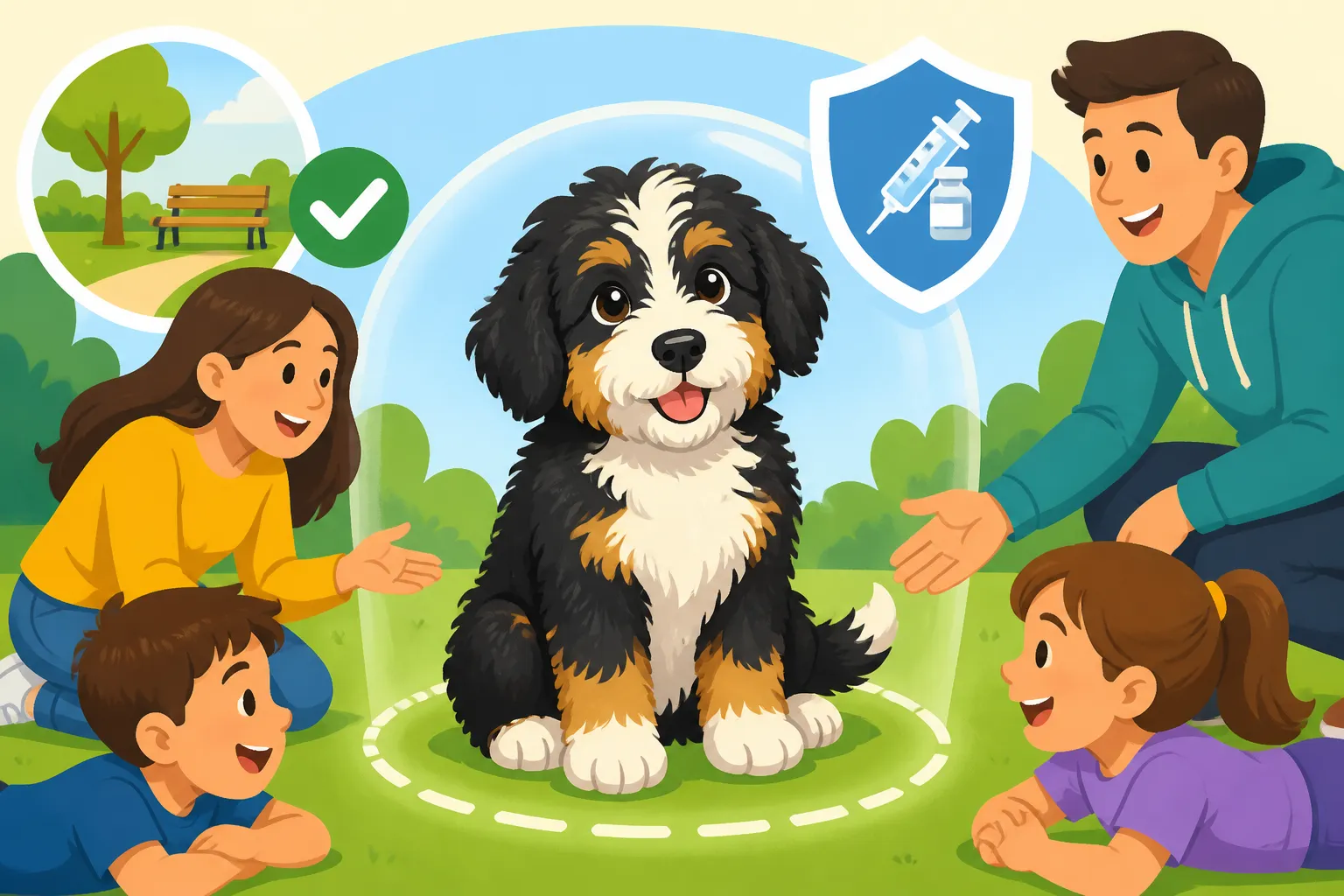
The key is finding a balance, not choosing one extreme over the other. You don't need to take your unvaccinated puppy to a high-traffic dog park or crowded public areas where you can't control the environment. Instead, you focus on controlled exposure and safe interactions. Think about what a truly fulfilling life with your Bernedoodle will look like. It involves walks, meeting friends, perhaps trips to pet-friendly places. All of these require a well-adjusted, confident dog, and that foundation is laid during these early, vulnerable weeks.
Safe Spaces and Controlled Encounters for Your Bernedoodle Puppy
Since we know completely isolating your puppy isn't the answer, the next step is to identify and create environments where they can experience the world safely. This means being very intentional about who, what, and where your puppy interacts before they have full immunity.
Puppy Classes and Controlled Environments
One of the absolute best ways to socialize a Bernedoodle puppy before they're fully vaccinated is through well-run puppy socialization classes. I can't stress this enough! Reputable trainers understand the critical balance between socialization and safety. They typically require proof of at least the first set of vaccinations (and often a negative fecal test) for all puppies attending. Furthermore, the environment itself is meticulously cleaned and sanitized, ensuring a low-risk setting.
These classes offer a goldmine of benefits:
- Safe Dog-to-Dog Interactions: Your puppy gets to play with other puppies of similar age and vaccination status, learning crucial canine communication skills. Supervised play prevents bullying and ensures positive experiences.
- Exposure to New People: Beyond just puppies, these classes introduce your Bernedoodle to various people – men, women, different ages, different voices, hats, glasses, even crutches or wheelchairs. This variety is incredibly important for a well-rounded temperament.
- Novel Sounds and Surfaces: Trainers often incorporate different textures for puppies to walk on, or play various sounds at low volumes to help puppies generalize that new things are okay.
- Early Training Foundation: Most importantly, these classes also kickstart your puppy's basic obedience training, which is invaluable for a breed that can grow to be quite large and strong. This focus on What a Bernedoodle Puppy Should Learn First lays the groundwork for a lifetime of good manners.
When you're looking for a class, don't be afraid to ask about their vaccination requirements, cleaning protocols, and trainer qualifications. A good facility will be transparent and prioritize safety. Remember, getting your puppy out and about for these experiences before 12 weeks is paramount, as detailed in Socializing a Bernedoodle Before Twelve Weeks.
Home and Private Spaces: Building a Safe Foundation
Your home and immediate surroundings are your first line of defense and a fantastic controlled environment for socialization. You control who comes in and what they bring with them.
- Host Puppy Playdates: Invite friends and family who have healthy, vaccinated, and well-behaved adult dogs over to your house. These dogs should be calm and gentle, providing positive role models for your Bernedoodle puppy. Ensure your home and yard are clean and free from unknown dog waste. A carefully chosen, calm adult dog can teach your puppy so much more than another puppy can sometimes!
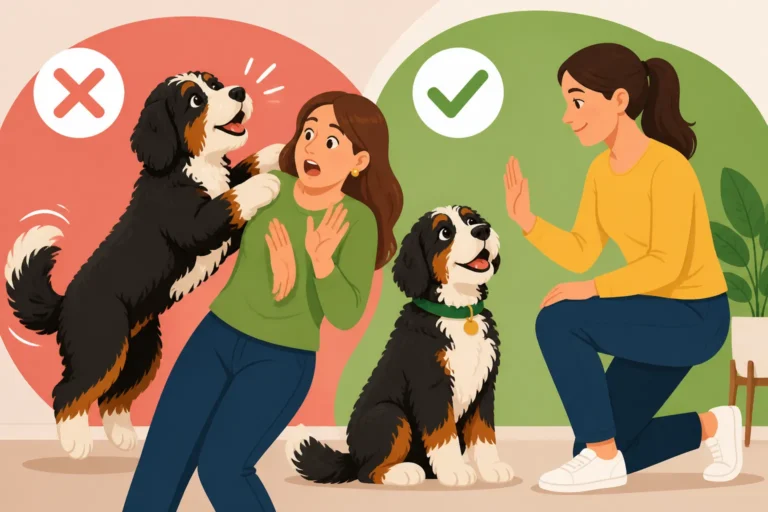
- Introduce Varied People: Encourage different visitors – men, women, children of various ages (who know how to interact gently with a puppy) – to come to your home. Have them give your puppy treats, gently pet them, and engage in calm play. The more positive experiences your puppy has with a diverse group of people, the less likely they are to be fearful or shy later.
- Explore Different Surfaces and Objects: Within your own clean home, let your Bernedoodle puppy walk on tile, carpet, hardwood, and even a small piece of astroturf or a plastic mat. Introduce them to umbrellas opening, crinkly bags, the vacuum cleaner, and other household sounds in a calm, non-threatening way. Pairing these new experiences with delicious treats makes them positive.
- Sound Desensitization: You can find CDs or online playlists with a variety of sounds – thunderstorms, fireworks, city traffic, crying babies, construction noises. Play these at a very low volume while your puppy is relaxed and receiving treats or playing. Gradually increase the volume over days and weeks. This proactive approach can really help prevent future anxieties, especially important since a Bernedoodle's calm demeanor could be challenged by sudden loud noises. Addressing Whether a Bernedoodle Is Startled by Noise early on can prevent significant issues later. You can find excellent desensitization sound recordings on platforms like Amazon.
Expanding Horizons: Gentle Exposure to the World
Once you've established a solid foundation in safe, controlled environments, you can begin to gently expand your Bernedoodle puppy's world. The key here is observation without direct contact with potentially contaminated surfaces or unknown dogs.
Car Rides and Observation
Car rides are an incredibly underrated tool for early socialization. Your puppy is safely contained within your vehicle, protecting them from direct contact with the ground or other animals, but they still get to experience a wealth of new sights, sounds, and smells.
- Window Shopping for Experiences: Take your Bernedoodle puppy on short, positive car rides to various locations. Park near a busy park (but don't get out!), a school drop-off zone, a bustling outdoor market, or even outside a busy cafe. Let them simply sit in the car (safely secured in a crate or with a seatbelt harness) and observe the world passing by. They'll see people walking, children playing, cars driving, and hear the sounds of everyday life.
- Positive Association: Make these trips positive by bringing along high-value treats and a favorite toy. Keep the atmosphere calm and reassuring. If your puppy seems overwhelmed, move to a quieter spot or shorten the outing. The goal is for them to associate these new experiences with good feelings, not fear.
- Variety is Key: Change up your locations. One day it might be a quiet residential street, the next a slightly busier shopping area. The more diverse the environments they observe, the better adjusted they'll be. Remember, a Bernedoodle can grow to be a substantial size, so getting them comfortable with car travel early will pay dividends when they're a ninety-pound adult.
Carrying Your Puppy in Public
This is where your arms, a comfy sling, or a specialized puppy backpack become your best friends. Carrying your Bernedoodle puppy allows them to experience public places from a safe vantage point, high above any potential contaminants on the ground.
- Pet-Friendly Stores (with caution): Some pet stores are diligent about requiring proof of vaccination for all dogs entering. If you find one that is, carrying your puppy through can be a good experience. They'll see different people, hear various noises, and encounter new smells, all while being held securely. Always check their policy first.
- Outdoor Cafes and Quiet Patios: If you visit an outdoor cafe or restaurant with a patio, you can carry your puppy in, place them on your lap or in a clean bag under your chair. They can observe people walking by, hear conversations, and feel different breezes. Again, never let them walk on the ground in these areas.
- Neighborhood Strolls: Take your puppy for walks around your neighborhood, but instead of letting them walk, carry them. This allows them to see other dogs, people, bikes, and cars from a distance. Again, make it a positive experience with treats and praise. This is a perfect way to ease them into Where to Take a Bernedoodle Puppy to Meet People without the ground contact risk.
- Avoid High-Risk Areas: Steer clear of dog parks, rest stops, public restrooms, or any place where a high volume of unknown dogs congregate and you cannot control the cleanliness of the environment. The risk of pathogen exposure in these areas is too high for an unvaccinated puppy. The goal is safe exposure, not reckless exposure.
Tools and Techniques for Positive Socialization
Beyond where you socialize, how you socialize is equally important. It's about creating positive associations and building confidence, especially for a large breed like the Bernedoodle.
Positive Reinforcement and Desensitization
Every single new experience your Bernedoodle puppy has during this critical window should be overwhelmingly positive. This isn't just about fun; it's about building a strong emotional foundation that helps them navigate the world with confidence rather than fear.
- The Power of Treats: High-value treats are your best friend. When your puppy encounters something new – a person, a sound, a texture – immediately follow it with a delicious treat and calm, happy praise. You want their little brain to connect "new thing" with "yummy reward." This classical conditioning helps them form positive associations.
- Gentle Introductions: Never force your puppy into a situation they seem afraid of. If they pull back from a new person, don't push them closer. Instead, let the person toss treats from a distance, gradually moving closer only when the puppy shows willingness. This is key to Building Confidence in a Timid Bernedoodle. You want them to approach new things out of curiosity and desire for reward, not out of coercion.
- Systematic Desensitization: For specific fears or sensitivities, like the vacuum cleaner or loud noises, use a systematic desensitization approach. Start with the trigger at such a low level that your puppy barely notices it, pairing it with treats. Gradually increase the intensity (volume, proximity) over many sessions, always staying below the point where your puppy shows fear. If they react negatively, you've gone too fast; dial it back.
- Enrichment Toys: Engage your puppy with puzzle toys that dispense treats, especially when they are alone or in new situations. This helps them associate positive, engaging activities with being by themselves or in a novel environment, reducing the likelihood of separation anxiety later.
Handling and Grooming Acclimation
Bernedoodles have coats that will require regular, dedicated grooming throughout their lives. Starting early with positive handling and grooming acclimation is not just a nice-to-have; it's an absolute necessity. Imagine trying to groom a ninety-pound adult Bernedoodle who hates being touched!
- Daily "Check-Ups": From day one, get your Bernedoodle puppy used to being touched everywhere. Gently touch their ears, paws (including between the pads and each toe), tail, mouth (lifting their lips, gently touching gums), and belly. Pair this with soft praise and small treats. You're building a foundation of trust and tolerance for handling, which will be invaluable for vet visits and future grooming sessions.
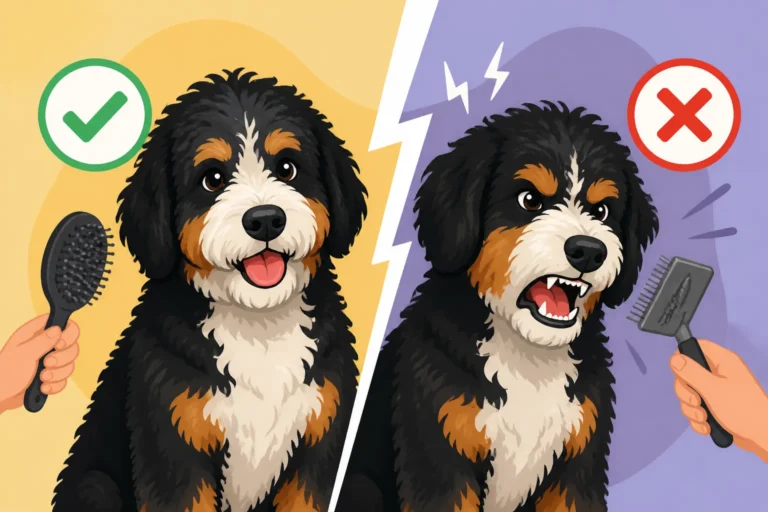
- Brush Introduction: Introduce a soft puppy brush or a slicker brush very early. Start with just a few strokes, then give a treat. Gradually increase the duration and coverage. You want them to see the brush as a positive thing. Learning Getting a Bernedoodle Used to the Grooming Table begins here, even if it's just on your lap.
- Nail Care Prep: Gently touch and hold each paw, touching their nails. Show them the nail clippers or grinder, let them sniff it, and give a treat. Even if you don't clip, just the positive association with the tools helps.
- Drying Sounds: The sound of a force dryer can be quite intimidating. Get your puppy used to the sound of a regular hairdryer or even a low-setting shop vac (from a distance) while they receive treats. This prepares them for the inevitable professional grooming sessions and prevents panic. Remember, the Bernedoodle's thick coat, as discussed in How Many Months a Bernedoodle's Coat Change Runs, will demand significant attention, so early comfort with drying tools is critical.
- Short, Frequent Sessions: Keep these handling and grooming sessions very short initially – just a minute or two, several times a day. The goal is consistency and positive experiences, not completion. As they get older and more comfortable, you can gradually extend the time.
By combining safe, controlled exposure with consistent positive reinforcement and early desensitization to handling, you’re setting your Bernedoodle puppy up for a lifetime of confidence and emotional resilience, even before they’ve had all their shots.
| Socialization Method | Risk Level (Unvaccinated Puppy) | Benefits for Puppy | Key Considerations |
|---|---|---|---|
| Reputable Puppy Class | Low (if well-managed) | Dog-dog play, human exposure, new sounds, early training | Check vaccine/fecal requirements, facility cleanliness |
| Home Playdates | Low | Controlled interactions with known, vaccinated dogs/people | Ensure guests/dogs are healthy, clean your space |
| Car Rides (observation only) | Very Low | Exposure to sights, sounds, moving objects without ground contact | Secure puppy, make it positive with treats |
| Carrying in Public | Low | Safe exposure to diverse environments and people | NEVER let puppy touch the ground; avoid high-traffic dog areas |
| Desensitization (sounds/objects) | Zero | Builds resilience to common stressors | Start low, slow, always pair with positive reinforcement |
| Daily Handling/Grooming Prep | Zero | Prepares for vet visits and essential grooming | Short, frequent, positive sessions with treats |
| Dog Parks | Very High | Potential for disease, negative encounters with unknown dogs | Avoid completely until fully vaccinated and mature |
| Pet Stores (without strict policies) | High | Risk of contact with contaminated surfaces/dogs | Avoid or carry puppy if policy is unknown/lax |
| Public Dog Walking (on ground) | High | Direct exposure to pathogens, unknown dogs | Avoid until fully vaccinated and medically cleared |
Disclaimer
This article is for general informational purposes only and does not constitute professional advice. Laws, prices and regulations vary by location and change over time. Consult a qualified professional for guidance on your specific situation.