What a Merle Bernedoodle Looks Like
It’s easy to get lost in the sea of Bernedoodle coat patterns and colors, especially when you start hearing terms like "Merle." Many prospective owners are absolutely captivated by the unique, almost painted look of a Merle Bernedoodle, but sometimes struggle to truly visualize what that means beyond a pretty picture on a breeder’s website. This guide is here to unravel the mystery of the Merle Bernedoodle's appearance, detailing the stunning variations and helping you understand what makes these coats so distinctive.
Decoding the Merle Pattern: More Than Just a Color
When we talk about a Merle Bernedoodle, we're not just describing a single color; we're talking about a genetic pattern that creates a truly mesmerizing effect on their coat. Think of it less as a crayon box and more like a painter's palette, where a base color is diluted in irregular patches, mixed with solid areas of the original color, and often accented by unique eye and nose pigmentations. It’s this intricate dance of light and dark, mottled and solid, that gives Merle Bernedoodles their signature look.
The Science Behind the Splatter
At its heart, the Merle pattern is caused by a specific gene that essentially dilutes random patches of the dog's base coat color. Imagine taking a solid black or brown canvas and splashing a lighter gray or tan over it in irregular splotches. That's the visual effect the Merle gene creates. It's not a uniform dilution, which is why you see distinct, darker patches alongside lighter, diluted areas. This gene affects eumelanin (black/brown pigment), so it’s primarily visible on black, brown, or blue (diluted black) areas of the coat. If a Bernedoodle has a recessive red coat, the merle gene might not be expressed visibly, leading to what's sometimes called "cryptic merle," which can be a significant point of confusion for breeders and owners alike.
The beauty of Merle is in its unpredictability; no two Merle Bernedoodles will look exactly alike. You might see large, sweeping diluted areas or smaller, more dappled spots scattered across the body. This variation is part of the allure, making each Merle Bernedoodle truly one-of-a-kind. It's a significant factor in The Tri Color Markings People Buy a Bernedoodle For too, as the merle pattern can overlay these traditional tri-color points, creating an even more complex and stunning appearance.
Visual Cues of a Merle Bernedoodle
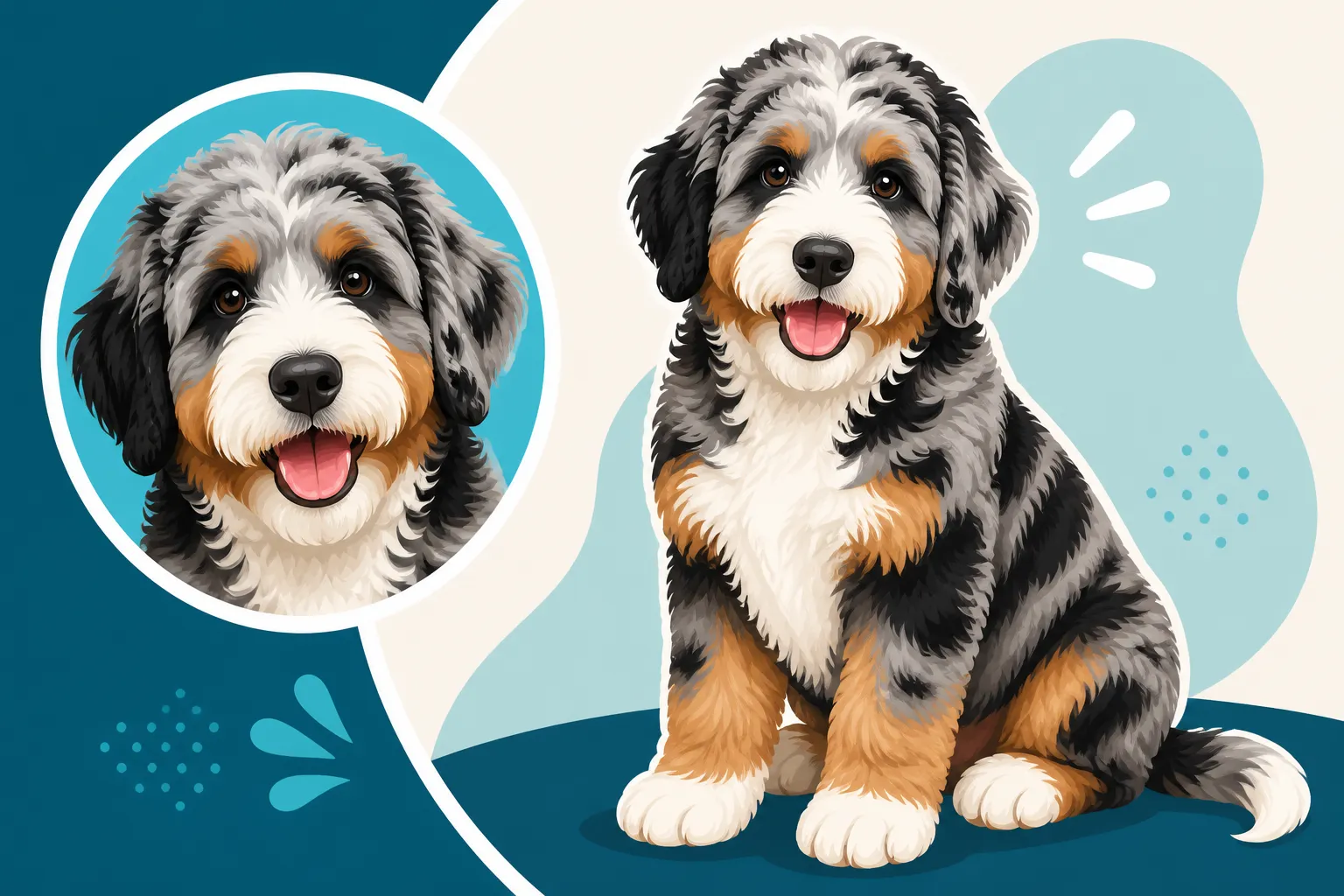
A classic Merle Bernedoodle often displays a mottled or "dappled" coat, usually with irregular patches of diluted pigment mixed with solid areas of their original color. For example, a "Blue Merle" Bernedoodle, derived from a black base, will have patches of black mixed with areas of gray or silver. A "Chocolate Merle" (or "Red Merle") will show patches of brown mixed with lighter reddish-brown or cream.
Beyond the coat, the Merle gene can also influence eye and nose color. It’s quite common for Merle Bernedoodles to have striking blue eyes, or even heterochromia – meaning one blue eye and one brown eye, or flecks of blue within a brown iris. Their nose and paw pads might also show pink patches where the pigment has been diluted, rather than being uniformly black or liver. These unique features add another layer to their already captivating appearance, making them stand out in a crowd of standard Bernedoodles.
Exploring the Spectrum of Merle Bernedoodle Varieties
The term "Merle Bernedoodle" is actually a big umbrella covering several stunning variations. Each type offers a slightly different visual experience, depending on the Bernedoodle's underlying base coat color and other genetic modifiers. Understanding these distinctions helps you appreciate the full range of beauty within this unique pattern.
Blue Merle Bernedoodle
The Blue Merle is arguably one of the most recognized and sought-after Merle patterns in Bernedoodles. These dogs start with a black base coat. The Merle gene then works its magic, creating striking patches of diluted black – essentially, various shades of gray or silver – mingled with solid black areas. Imagine a stormy sky captured on a dog's coat, with swirling clouds of charcoal and lighter grays.
Often, Blue Merle Bernedoodles will also carry the traditional Bernese Mountain Dog tri-color markings, meaning they’ll have copper points on their face, chest, and legs, and white on their chest and blaze. These rich copper and crisp white markings provide a vivid contrast against the blue and black merle base, making for an incredibly dramatic and eye-catching appearance. Their eyes can range from deep amber to piercing blue, or even a fascinating combination of both. What a Traditional Tri Color Bernedoodle Looks Like can give you a better idea of these foundational markings that often underpin a Merle coat.
Sable Merle Bernedoodle
Sable Merle is another fascinating variation, often leading to a softer, more subtle merle effect. A Sable Bernedoodle typically has a coat where each hair is lighter at the base and darkens towards the tip, giving them a rich, often reddish-brown or golden appearance. When the Merle gene is introduced to a sable coat, it causes the lighter, typically cream or tan areas of the sable pattern to be diluted in patches.
This can result in areas of cream, gold, and reddish-brown mixed with lighter cream or white patches, giving a somewhat faded or dappled appearance. The Merle pattern might be less distinct on a sable coat compared to a blue merle, sometimes appearing as lighter, almost "ghost" patches rather than stark contrasts. It can be a truly beautiful and warm-toned coat, often accompanied by amber or hazel eyes. What a Sable Bernedoodle Looks Like further explains this unique base color.
Phantom Merle Bernedoodle
A Phantom Merle Bernedoodle combines the Merle pattern with the "phantom" marking gene, which typically creates distinct tan or apricot points above the eyes, on the sides of the muzzle, chest, legs, and under the tail, similar to a Doberman or Rottweiler's markings. When Merle meets phantom, you get an incredibly complex and stunning coat.
For instance, a Blue Merle Phantom Bernedoodle would have the mottled gray and black body, but then feature those distinctive tan or apricot markings in the phantom locations. The Merle gene can even dilute these tan points, making them lighter cream or silver-tan in patches. This creates a multi-layered coat that's both intricate and exceptionally beautiful. It’s a truly show-stopping look, combining the dappled artistry of merle with the elegant definition of phantom markings. For more on this, check out What a Phantom Bernedoodle Looks Like.
Other Merle Variations and Considerations
While Blue, Sable, and Phantom Merle are common, you might also encounter less frequent variations, depending on the Bernedoodle's genetic background.
- Chocolate Merle: Similar to Blue Merle but on a brown base, resulting in patches of diluted brown (lighter tan, cream) mixed with solid brown.
- Cryptic Merle: As mentioned, this is when a dog carries the Merle gene but it's not visibly expressed in their coat, often due to a recessive red base coat. While they look solid, they can still pass the Merle gene to their offspring. This is why genetic testing is so important for breeders.
- Diluted Merle: This refers to the Merle pattern appearing on a diluted base color, such as a "Lilac Merle" (diluted chocolate merle) or "Isabella Merle" (diluted blue merle). These are often softer, pastel-like shades.
The sheer variety of Merle patterns means that if you're looking for a dog with truly unique aesthetics, a Merle Bernedoodle offers a vast palette to choose from. When selecting any pet supplies, like a new harness or a comfy bed from Chewy, you might even find yourself drawn to patterns or colors that complement your Merle Bernedoodle's extraordinary coat.
The Unpredictability and Ethical Considerations of Merle Appearance
The beauty and uniqueness of Merle Bernedoodles are undeniable, but it's important for prospective owners to understand that the appearance can be a bit of a moving target, both as the puppy grows and in terms of genetic predictability. Moreover, ethical breeding practices are paramount when dealing with the Merle gene, as certain combinations can have serious health implications that directly impact a dog's long-term appearance and well-being.
How a Merle Bernedoodle's Coat Evolves
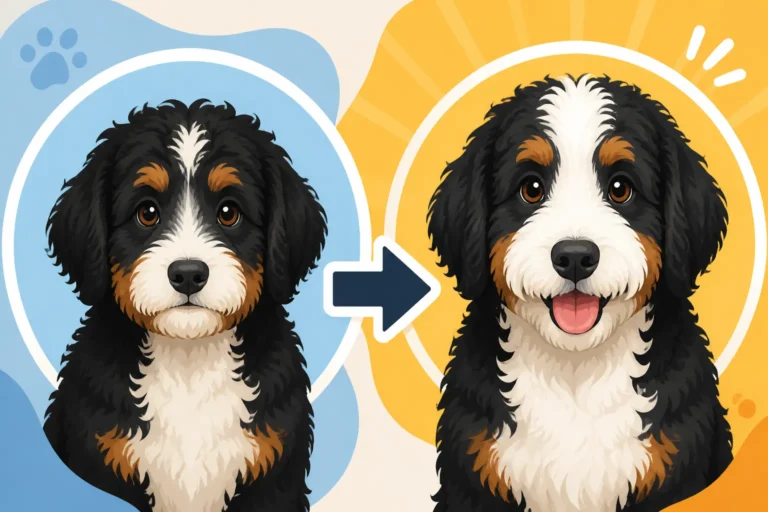
One of the fascinating aspects of a Merle Bernedoodle's appearance is how it can change from puppyhood to adulthood. Much like Whether a Bernedoodle's Markings Fade With Age, the vibrancy and distinctness of the merle pattern can shift. A puppy might have very clear, crisp merle patches, but as their adult coat grows in, these distinctions can soften, or the colors might "fade" slightly. The coat can also thicken significantly, sometimes making the pattern appear more muted under a dense adult coat. Whether a Bernedoodle's Coat Gets Thicker With Age is a testament to this common Bernedoodle trait.
The "clearing" phenomenon, where lighter patches become even lighter or more extensive, can also occur. This is particularly noticeable in sable merles, where the "ghost merle" patches might become almost indistinguishable over time. It's truly a genetic lottery, and while breeders can offer educated guesses based on parentage and puppy appearance, the exact final look is never 100% guaranteed.
The Ethics of Merle Breeding and Appearance
While stunning, the Merle gene carries a responsibility. The most critical consideration is the concept of "double merle" breeding. This occurs when two merle-patterned dogs are bred together, resulting in puppies who inherit two copies of the merle gene (MM). Visually, a double merle can appear predominantly white or have very sparse pigmentation across their bodies and faces.
However, the aesthetic implications are far less severe than the health risks. Dogs with two copies of the merle gene are at a significantly higher risk of severe health problems, primarily involving vision and hearing. They can be born deaf, blind, or suffer from microphthalmia (abnormally small eyes), colobomas (defects in the eye structure), or other serious ocular abnormalities. This is why ethical breeders will never intentionally breed two merle dogs together. It is a critical aspect of breeding that relates directly to the perceived appearance of health. Whether Merle Is Safe to Breed in a Bernedoodle and Whether a Double Merle Bernedoodle Should Be Sold delve deeper into these crucial topics.
When looking for a Merle Bernedoodle, always ask your breeder about the genetic testing they perform and their breeding practices regarding merle dogs. A reputable breeder will be transparent about their program and prioritize health over producing a certain "look." They'll ensure that one parent is solid colored (or a cryptic merle that has been genetically tested) when breeding with a merle parent, to avoid the devastating consequences of a double merle litter. Understanding the genetics behind Whether Color Affects a Bernedoodle's Health is not just about medical issues, but also about the integrity and appearance of a healthy, well-bred dog.
| Merle Type | Base Color Affected | Common Eye Colors | General Appearance |
|---|---|---|---|
| Blue Merle | Black | Blue, Amber, Brown | Mottled gray/silver and black patches; often with white and copper (tri-color) points. |
| Chocolate Merle | Brown | Amber, Hazel, Blue | Mottled light brown/cream and solid brown patches; can have white and copper points. |
| Sable Merle | Sable (Red/Gold) | Amber, Hazel | Faded or dappled look on a sable coat, with lighter cream/tan patches. Merle may be less distinct. |
| Phantom Merle | Any Merle Base | Blue, Amber, Brown | Merle pattern on the body, plus distinct tan/apricot points (like Doberman markings) on face, chest, legs. |
It's clear that the Merle Bernedoodle is a stunning canvas of genetic artistry. Their unique appearance demands not only admiration but also a deep understanding of the genetic responsibilities involved in their breeding. As you consider bringing one of these beautiful dogs into your life, remember that their health and well-being should always come first, ensuring that their striking appearance is a testament to ethical and responsible breeding. Taking care of their beautiful The Coat a Bernedoodle Gets From Two Heavy Coated Parents will also keep them looking their best.
Disclaimer
This article is for general informational purposes only and does not constitute professional advice. Laws, prices and regulations vary by location and change over time. Consult a qualified professional for guidance on your specific situation.