Whose Idea the Bernedoodle Was
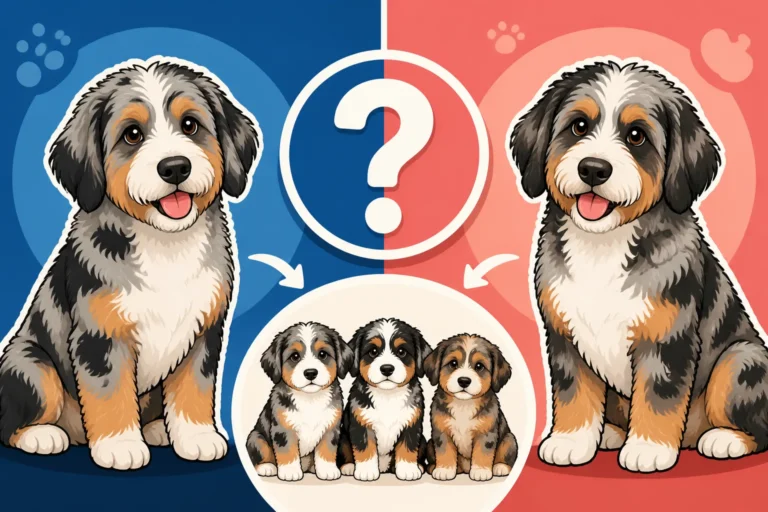
For anyone who has fallen head over heels for the charm, intelligence, and undeniable good looks of a Bernedoodle, a common question often pops into mind: "Who exactly thought of this brilliant combination?" It's a valid question, because these dogs didn't just appear out of thin air. Behind every beloved crossbreed, there's usually a dedicated individual with a vision, and the Bernedoodle's origin story is rooted in a desire to combine the best of two wonderful breeds. This guide will take you through the fascinating journey of how the Bernedoodle came to be, introducing you to the person and the reasons behind its creation.
The Genesis of a Beloved Hybrid: The Story Begins
It's easy to look at a fluffy, friendly Bernedoodle and assume they've been around forever, a natural part of the canine landscape. But like many popular designer breeds, the Bernedoodle has a relatively recent and very specific origin story. It wasn't an accident, but a thoughtful endeavor born out of a deep understanding of purebred dogs and a desire to create something truly special. The driving force behind this particular cross was a dedicated breeder who saw the potential for a healthier, longer-lived companion.
The Person Behind the Cross
The individual credited with breeding the very first Bernedoodle is Sherry Rupke of SwissRidge Kennels in Ontario, Canada. Sherry wasn't just some casual backyard breeder; she had a profound background and passion for dogs, particularly with Bernese Mountain Dogs. She spent years immersed in the world of purebreds, understanding their pedigrees, their health challenges, and their magnificent temperaments. Her experience wasn't just about breeding; it was about truly knowing the dogs, their genetic predispositions, and what made each breed unique. This intimate knowledge of the Bernese, with their gentle giants and their unfortunate struggle with lifespan and specific health issues, laid the groundwork for her groundbreaking idea.
A Client's Simple Suggestion
The true catalyst for the Bernedoodle's creation wasn't a sudden flash of inspiration in a vacuum. It actually stemmed from a very common frustration shared by many Bernese Mountain Dog lovers: their relatively short lifespan and propensity for certain health problems, particularly various forms of cancer. Sherry Rupke had clients who adored the Bernese temperament – their calm nature, their loyalty, their sheer presence – but were heartbroken by the reality of often losing them too soon. One particular client approached her with a simple yet profound request: could she create a dog with the incredible personality of a Bernese, but with the longer lifespan and reduced shedding associated with a Poodle? This was the spark that ignited the Bernedoodle journey. It wasn't about novelty; it was about addressing a genuine need for a healthier, more enduring companion.
Why the Poodle? The Perfect Partner
Once the idea was planted, the choice of the Poodle as the other half of the cross wasn't random. It was a strategic decision, driven by a clear understanding of the Poodle's own distinct advantages and how they could complement the Bernese. Sherry Rupke's goal was not just to make a cute dog, but to make a better dog in terms of health and longevity, without sacrificing the beloved Bernese traits.
The Poodle's Desirable Traits
The Poodle brings a wealth of desirable characteristics to the Bernedoodle equation. First and foremost, Poodles are renowned for their non-shedding, hypoallergenic coats. This was a huge draw for clients who loved dogs but struggled with allergies or simply didn't want to deal with excessive shedding. The Poodle's coat, while requiring regular grooming, offered a solution to a common household problem. Beyond their coat, Poodles are incredibly intelligent and highly trainable. They excel in dog sports, obedience, and are generally eager to please, which could temper some of the Bernese's notorious stubborn streak. Furthermore, Standard Poodles typically enjoy a much longer lifespan than Bernese Mountain Dogs, often living well into their teens. They are also known to be healthier overall, with a lower incidence of certain cancers that plague the Bernese breed. This longer lifespan and generally robust health profile made the Poodle an ideal candidate to introduce more genetic diversity and potentially reduce health risks.
The Goal: Hybrid Vigor and Health
The concept of "hybrid vigor" was a significant motivation behind the Bernedoodle cross. Hybrid vigor, or heterosis, is the increased strength, growth, fertility, and health of a hybrid organism, often resulting from the mixing of genetic contributions from its parents. In simpler terms, by crossing two genetically distinct purebreds, you can often "dilute" or reduce the likelihood of inheriting breed-specific genetic diseases that might be present in a concentrated form in a purebred line. The hope was that the Bernedoodle would inherit the best health traits from both sides, leading to a dog that was more robust and less prone to the inherited ailments common in both parent breeds. While it's not a guarantee against all health issues, the aim was a significant improvement in overall vitality and longevity, specifically targeting the heartbreakingly short lifespans seen in many Bernese. This commitment to health and improving the canine companion experience was paramount. Whether the Bernedoodle Cross Actually Reduced Cancer is a question many owners still grapple with, but it was certainly a primary driving factor.
The Birth of a Legacy: SwissRidge Kennels
With the concept solid and the potential benefits clear, SwissRidge Kennels became the birthplace of the Bernedoodle. It was a moment of cautious optimism, combining careful planning with the natural excitement of bringing new life into the world. The first litter was more than just puppies; it was the realization of a vision aimed at providing families with a healthier, long-lasting canine friend.
The First Bernedoodle Litter
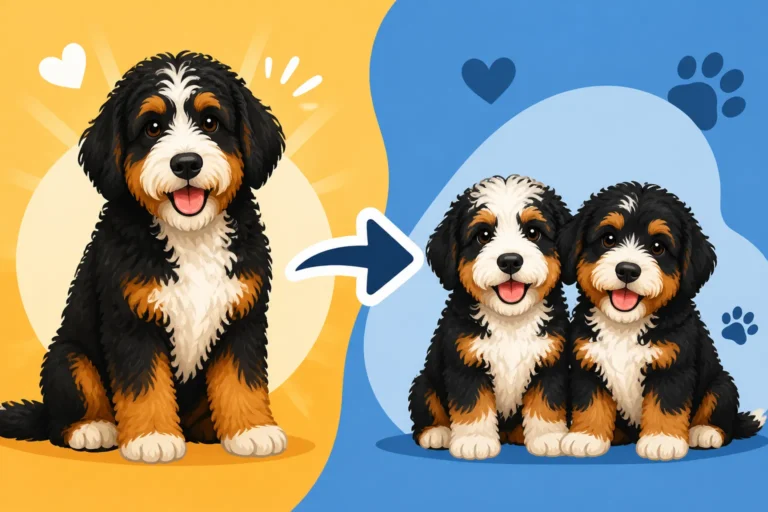
In the early 2000s, specifically around 2003, Sherry Rupke bred her first litter of Bernedoodles. It was a pioneering moment. The anticipation must have been immense – how would these puppies turn out? Would they truly embody the best of both worlds? The initial observations were promising. These puppies displayed a wonderful blend of the Bernese's calm, affectionate nature and the Poodle's intelligence and lower-shedding coat. Their temperaments were gentle, they were eager to learn, and they had that irresistible teddy bear look that would quickly capture hearts. Each puppy was a testament to the careful selection of parent dogs, aiming to produce offspring with stable temperaments and good health. This meticulous approach from the very beginning set a high standard for what a Bernedoodle should be.
From One Litter to a Phenomenon
It didn't take long for word to spread about these incredible dogs. The appeal of the Bernedoodle was undeniable. People were drawn to their striking appearance – often with the classic tri-color markings of a Bernese, but with a wavy or curly coat that reduced shedding. More importantly, they were falling in love with their personalities: goofy, loyal, intelligent, and deeply affectionate. Clients who initially sought them for their reduced shedding stayed for their unwavering companionship. Demand quickly grew, extending far beyond the initial circle of clients. SwissRidge Kennels became known as the original home of the Bernedoodle, and the breed began its journey from a thoughtful cross to a widely sought-after family dog. The success wasn't accidental; it was a direct result of the thoughtful intention behind their creation and the consistent quality maintained by the founding breeder. If you're wondering Who Bred the First Bernedoodle, you now know the name and the kennel.
Beyond the Beginning: The Bernedoodle's Evolution
The Bernedoodle story didn't end with that first litter. Like any successful concept, it evolved, gaining popularity and inspiring other breeders, for better or worse. Today, the Bernedoodle is a well-established and much-loved presence in homes across North America and beyond, a testament to the enduring appeal of Sherry Rupke's original vision.
The Impact of the Original Vision
Sherry Rupke's initial goals for the Bernedoodle – combining the Bernese's loving nature with the Poodle's intelligence and healthier, lower-shedding coat – continue to influence the breed today. Ethical breeders strive to uphold these foundational principles, prioritizing health testing, temperament, and responsible breeding practices. The original vision set a benchmark for what Bernedoodles could be, rather than just what they looked like. This focus has helped shape the "Bernedoodle look" and, more importantly, the "Bernedoodle personality" that so many owners adore. The careful selections made in those early days laid the groundwork for the generations of happy, healthy Bernedoodles that enrich our lives today. Understanding Why Sherry Rupke Bred the First Bernedoodle truly helps in appreciating the breed.
The Future of the Bernedoodle
As a hybrid, the Bernedoodle is not recognized by traditional kennel clubs like the AKC as a pure breed, but its popularity shows no signs of waning. This means the responsibility falls heavily on individual breeders to maintain high standards for health, temperament, and ethical practices. The future of the Bernedoodle lies in the hands of those who continue to breed with intention and integrity, using health-tested parents and focusing on the betterment of the dogs. Owners play a crucial role too, by seeking out reputable breeders who prioritize the well-being of their animals. With continued responsible breeding, the Bernedoodle can continue to be the wonderful companion dog it was originally envisioned to be, bringing joy and a longer, healthier life to countless families. Whether the Bernedoodle Counts as a Breed Yet is still a hot topic in canine circles. You can often find a variety of toys, beds, and food tailored for large, intelligent breeds like the Bernedoodle at retailers such as Chewy.
Bernedoodle Parentage Comparison
Understanding the individual traits of the Bernese Mountain Dog and the Poodle helps illustrate why their combination was so appealing.
| Trait | Bernese Mountain Dog (BMD) | Poodle (Standard) | Bernedoodle (Hybrid) |
|---|---|---|---|
| Lifespan | Shorter (6-8 years typical) | Longer (10-18 years typical) | Improved (10-15 years often cited) |
| Shedding | Heavy, especially seasonal | Very low to non-shedding | Low to non-shedding (varies with coat type) |
| Temperament | Calm, loyal, gentle, can be stubborn | Intelligent, active, eager to please, playful | Affectionate, smart, goofy, can have a stubborn streak |
| Common Health Issues | Cancer, hip/elbow dysplasia, bloat | Hip dysplasia, eye issues, Addison's disease | Hip/elbow dysplasia, potential for cancer, bloat |
| Trainability | Moderate, can be strong-willed | High, very intelligent | High, but can inherit Bernese stubbornness |
| Size | Large (70-115 lbs) | Medium to Large (40-70 lbs) | Variable (Standard, Mini, Tiny) |
| Original Purpose | Farm dog (drafting, herding, guarding) | Water retriever | Companion dog |
This table highlights how the Bernedoodle aims to blend the beloved characteristics of the Bernese with the Poodle's health advantages and low-shedding coat. When looking for dog supplies, consider places like Chewy that offer a wide range of products for large breeds with specific grooming or health needs. The Seven Years a Bernese Lives and the Twelve a Bernedoodle Might really showcases the hope behind the cross. We often recommend browsing platforms like Chewy for specialized large breed formulas and grooming tools. Whether a Bernedoodle Really Lives Fifteen Years is a great question to explore further. And for those planning for the long haul, knowing What a Bernedoodle Costs Over Its Whole Life is essential. The hope for improved health and lifespan is what led to the Bernedoodle, and it remains a cornerstone of the breed's appeal. The desire to own a Bernese-like dog without the severe shedding is often a primary motivator, making Whether Any Bernedoodle Is Truly Non Shedding a common query.
Disclaimer
This article is for general informational purposes only and does not constitute professional advice. Laws, prices and regulations vary by location and change over time. Consult a qualified professional for guidance on your specific situation.