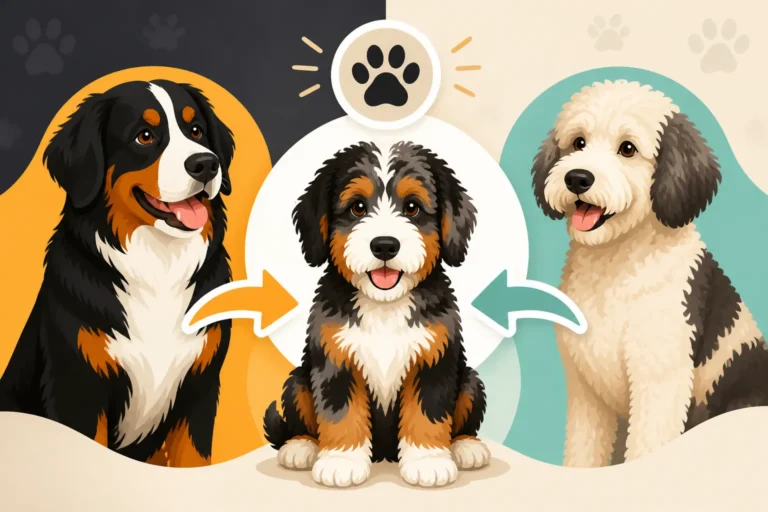
Whether the First Bernedoodle Was Bred on Purpose
It's a common question that swirls around many of our beloved "designer" breeds: did they just happen by accident, or was there a real, thoughtful purpose behind their creation? When it comes to the Bernedoodle, with their charming looks and often delightful personalities, people frequently wonder if their existence was a happy coincidence or a deliberate act of selective breeding. This guide is going to pull back the curtain and explain the intentional, and rather heartfelt, origins of the Bernedoodle.
Dispelling the Myth: The Genesis of the Bernedoodle
Many people assume that hybrid dogs like the Bernedoodle are just random mixes, perhaps the result of two different breeds accidentally, or even irresponsibly, mating. But the truth of the Bernedoodle's origin is far from accidental. It was a very conscious, very deliberate effort born from a specific need and a clear vision. The first Bernedoodle was absolutely bred on purpose, with a strong, foundational goal in mind that addressed some significant challenges faced by one of its parent breeds.
The Human Behind the Hybrid: Sherry Rupke's Vision
The story of the Bernedoodle really begins with one person: Sherry Rupke of SwissRidge Kennels in Ontario, Canada. She wasn't just some backyard breeder throwing two dogs together; she was a reputable breeder with extensive experience, particularly with Bernese Mountain Dogs. Sherry had a deep love for the Bernese, admiring their gentle nature, their stunning tri-color coats, and their calm, loyal dispositions. However, she was also acutely aware of the breed's heartbreaking health issues, most notably their notoriously short lifespan and high susceptibility to various cancers. It was this dual perspective – immense admiration coupled with a deep sadness over their health struggles – that sparked her determination to create a healthier, longer-lived companion. You can learn more about The 2003 Litter That Started the Bernedoodle and Why Sherry Rupke Bred the First Bernedoodle. She wanted to mitigate the genetic predispositions of the Bernese while retaining their most cherished characteristics, and this was not a task she took lightly. She undertook significant research and planning before even considering the first cross.
The Bernese Mountain Dog's Predicament: Why a New Cross?
The Bernese Mountain Dog, while beautiful and beloved, has a tragically short average lifespan, often only living 6 to 8 years. A major contributing factor to this brevity is their high incidence of cancer, particularly a very aggressive form called histiocytic sarcoma. As an owner and breeder, witnessing healthy, vibrant dogs succumb to disease far too young is incredibly difficult. This was the driving force behind Sherry Rupke's mission. She saw a need for a dog that could embody the wonderful traits of the Bernese – their calm demeanor, their striking appearance, their robust build – but with a significantly improved genetic outlook for health and longevity. It wasn't about creating a "fashionable" new dog; it was about compassionate breeding, striving to reduce suffering and extend the joy these magnificent animals bring to families. The idea was to introduce genetic diversity in a controlled manner, hoping to dilute some of the recessive genes responsible for these devastating health conditions. Her clients also frequently asked for a dog that shed less, adding another practical goal to her health-focused mission. It was indeed Why Cancer Prompted the First Bernedoodle that really pushed the initiative forward, coupled with a desire for a lower-shedding coat.
The Poodle's Crucial Role: More Than Just a Pretty Face
Once the decision was made to cross the Bernese, the next crucial step was selecting the right complementary breed. This wasn't a random pick from a hat. The Poodle was chosen with careful consideration for its specific traits that could enhance and improve upon the Bernese. The choice of the Poodle was as intentional as the decision to create the hybrid itself. This selection process was critical, as the Poodle needed to bring more to the table than just a different genetic pool.
Combining Traits for a Healthier Future
The Poodle brings several invaluable genetic advantages to the Bernedoodle cross. First and foremost, Poodles are generally known for their longer lifespans, often living 12-15 years, which significantly contrasts with the Bernese's 6-8 years. By introducing Poodle genetics, the hope was to extend the overall lifespan of the resulting offspring. Secondly, Poodles have a different set of common health concerns compared to Bernese Mountain Dogs, and while they have their own predispositions, they are not typically plagued by the same aggressive cancers as the Bernese. This genetic outcrossing, often referred to as "hybrid vigor," aimed to reduce the incidence of breed-specific diseases from both sides, creating a more robust and healthier dog overall. It's a complex science, but the principle is that by diversifying the gene pool, you reduce the chances of inheriting two copies of a problematic recessive gene. People often ask Whether the Bernedoodle Cross Actually Reduced Cancer, and the intent was certainly to do so. Furthermore, the Poodle's non-shedding, hypoallergenic coat was a huge bonus, addressing the desire for a dog that could be tolerated by allergy sufferers or those who simply preferred less dog hair around the house.
Temperament and Trainability: The Desired Blend
Beyond health, the Poodle also contributes desirable temperament and intelligence to the Bernedoodle. Poodles are highly intelligent, eager to please, and generally easy to train. This contrasts beautifully with the Bernese, who can sometimes have a gentle but stubborn streak. The goal was to create a dog that had the Bernese's calm, affectionate nature and loyalty, combined with the Poodle's sharp mind and trainability. This blend creates a wonderfully adaptable and responsive companion. A Bernedoodle often inherits the best of both worlds: the goofiness and devotion of the Bernese, coupled with the cleverness and desire to learn from the Poodle. This makes them versatile pets, capable of excelling in various roles, from family companion to therapy dog. This intentional selection for temperament meant considering how the two breeds' personalities would merge, aiming for a balanced dog that was both biddable and loving. It's fascinating to consider What a Bernedoodle Keeps of the Bernese Temperament and Whether the Poodle Half Makes a Bernedoodle Quicker.
From Vision to Reality: The First Litters and Beyond
With the purpose clearly defined and the parent breeds carefully selected, Sherry Rupke proceeded with her breeding program. This wasn't a one-off experiment, but the beginning of a thoughtful process to establish a new type of companion dog. Her initial litters were closely monitored, with an emphasis on observing not just their physical traits, but also their health outcomes and temperaments.
Naming the New Breed: A Simple Combination
Once the first puppies were born, a name was needed. The combination of "Bernese" and "Poodle" naturally led to "Bernedoodle." It's a straightforward name that immediately tells you the heritage of the dog. This naming convention is common in the world of designer dogs, reflecting their hybrid nature. The very name itself signifies the intentional blend of two distinct breeds, highlighting the purposeful creation rather than an accidental mix. It’s also important to note that the term "breed" here refers to a type of dog, as the Bernedoodle isn't recognized by major kennel clubs like the AKC as a purebred, though there are emerging registries for these hybrids.
Early Challenges and Public Reception
Like any new endeavor, creating the Bernedoodle wasn't without its challenges. Predicting the exact coat type, size, and temperament in early generations can be difficult, as genetics are complex. Some puppies might lean more heavily towards one parent breed than the other. Breeders like Sherry Rupke had to carefully select breeding pairs to consistently produce the desired traits. Despite these complexities, the Bernedoodle quickly gained popularity, largely due to its appealing combination of traits. Families were drawn to the idea of a loyal, affectionate companion that was also healthier and less shedding than a purebred Bernese. The demand for these intelligent, charming dogs grew steadily, showing that the intentional vision resonated with many prospective dog owners. However, this popularity also brought a new set of challenges, including the rise of less scrupulous breeders looking to cash in without the same commitment to health and ethical practices. This meant that discerning buyers had to be vigilant in finding responsible breeders.
A comparison of the intended traits from the parent breeds might look something like this:
| Trait | Bernese Mountain Dog Input | Poodle Input | Desired Bernedoodle Outcome |
|---|---|---|---|
| Lifespan | Shorter (6-8 years) | Longer (12-15 years) | Extended (10-12+ years) |
| Health | Prone to cancer, joint issues | Generally healthier | Reduced risk of breed-specific diseases |
| Shedding | Heavy shedder | Minimal/non-shedding | Low to non-shedding |
| Temperament | Loyal, calm, sometimes stubborn | Intelligent, active, eager to please | Balanced, intelligent, affectionate, trainable |
| Size | Large | Various (Standard, Mini, Toy) | Various (Standard, Mini, Tiny) |
| Coat Type | Thick, double coat | Curly, single coat | Wavy to curly |
The Enduring Legacy: Why Intentional Breeding Matters
The purposeful creation of the Bernedoodle has had a lasting impact, shaping how these dogs are understood and bred today. The foundation laid by Sherry Rupke's initial vision continues to guide responsible breeders who prioritize health, temperament, and genetic diversity.
Responsible Breeding Practices Today
The story of the first Bernedoodle underscores the importance of intentional and responsible breeding. Ethical breeders today continue to follow these principles, conducting extensive health testing on parent dogs for genetic conditions common to both Bernese Mountain Dogs and Poodles, such as hip and elbow dysplasia, eye conditions, and certain blood disorders. They aim to produce puppies that are not only beautiful but also healthy and well-adjusted. This dedication goes far beyond simply mixing two breeds; it involves careful genetic screening, temperament evaluation, and providing excellent care for breeding animals and their offspring. When you're looking for a Bernedoodle, understanding their intentional origins helps you appreciate why finding a breeder who does their The Five Clearances a Bernedoodle Breeder Should Have is so crucial. A reputable breeder will always be transparent about their health testing and their breeding goals, focusing on improving the overall well-being of the puppies. Resources like Chewy offer a wealth of information on responsible pet ownership and supplies to support a healthy dog.
Understanding Generations: F1, F1b, and Beyond
The intentional nature of the Bernedoodle also leads us to understand the different "generations" of the cross, like F1, F1b, and so on. An F1 Bernedoodle is a first-generation cross – 50% Bernese Mountain Dog and 50% Poodle – which is what Sherry Rupke initially created. An F1b, on the other hand, is an F1 Bernedoodle bred back to a Poodle (or sometimes a Bernese), resulting in a dog that is typically 75% Poodle and 25% Bernese. Each generation is a deliberate breeding choice, made to achieve specific goals regarding coat type (for reduced shedding), size (to create Mini or Tiny Bernedoodles), or to further reinforce desired health traits. This level of detail in breeding strategy highlights just how purposeful the entire Bernedoodle project is, far removed from any accidental pairing. These generational distinctions allow breeders to fine-tune traits and help prospective owners select a dog that best fits their lifestyle, whether they prioritize minimal shedding, a specific size, or a particular blend of temperaments. Reputable breeders will always explain these distinctions clearly. You can read more about The Three Bernedoodle Sizes and What Sets Them to understand how these choices impact the puppies.
The Bernedoodle's origins are a testament to the power of thoughtful, purposeful breeding. Far from being an accidental mix, this delightful hybrid was born from a desire to combine the beloved qualities of the Bernese Mountain Dog with the health and low-shedding traits of the Poodle. This intentional beginning is what gives us the wonderful Bernedoodles we know and love today, dogs that enrich our lives with their intelligence, affection, and often, their goofy charm. As you consider bringing a Bernedoodle into your life, remember their deliberate creation and seek out breeders who uphold the same high standards of care and purpose that brought this breed into existence. You can find many products suitable for Bernedoodles, from large breed puppy food to grooming tools, on platforms like Chewy, making it easier to care for your intentionally bred companion.
Disclaimer
This article is for general informational purposes only and does not constitute professional advice. Laws, prices and regulations vary by location and change over time. Consult a qualified professional for guidance on your specific situation.