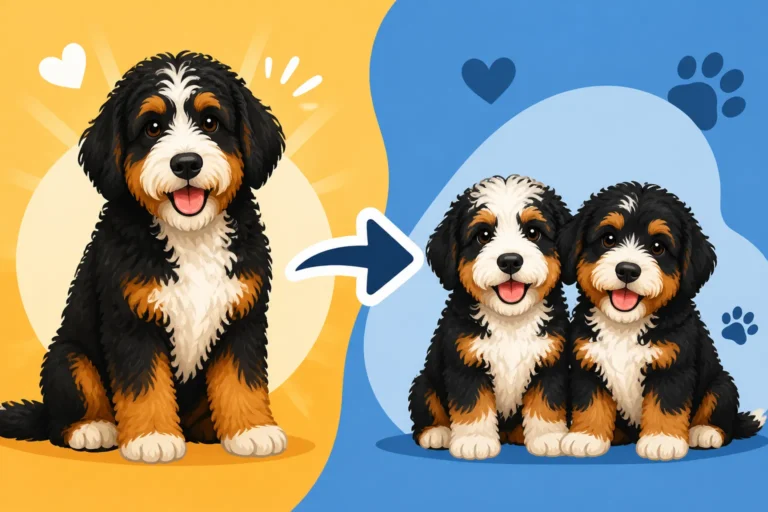
The Seven Year Bernese Lifespan Behind the Cross
It's a conversation no dog lover ever wants to have, but it’s a stark reality for those of us who adore the majestic Bernese Mountain Dog: their notoriously short lifespan. The heartache of losing a beloved companion far too soon is profound, and it's precisely this deep-seated concern that served as the catalyst for the creation of the Bernedoodle, a hybrid breed explicitly developed to bring the best of both worlds – the Bernese's gentle spirit and the Poodle's longevity. This guide delves into the foundational reasons behind the Bernedoodle cross, exploring how the desire to extend life and mitigate common health issues drove its very inception.
The Heartbreaking Reality of the Bernese Mountain Dog's Lifespan
If you've ever owned or loved a Bernese Mountain Dog, you know the bittersweet truth: they steal your heart completely, but often for too short a time. It’s a breed renowned for its gentle nature, striking beauty, and unwavering loyalty, yet consistently plagued by a shockingly brief average lifespan. This reality is a heavy burden for prospective owners, who often weigh the joy a Bernese brings against the inevitable sorrow of an early goodbye.
Cancer: The Silent Killer of Bernese
One of the most devastating factors contributing to the Bernese Mountain Dog's short life is the rampant prevalence of cancer. It's not just a risk; it's a grim probability. Many Bernese owners can recount stories of losing their dogs to various forms of cancer, often aggressive and fast-acting, sometimes even before they reach middle age. The breed is disproportionately affected by certain types, which can develop quickly and prove incredibly difficult to treat effectively.
The statistics are sobering, with cancer being the leading cause of death in Bernese Mountain Dogs. Histiocytic Sarcoma, a particularly aggressive and devastating form of cancer, is tragically common in the breed. This isn't just about losing a pet; it's about the emotional and financial toll of fighting a battle that often feels predetermined. Owners pour their hearts and resources into treatments, only to face the harsh reality that their time with their beloved Bernese is drawing to a close far too soon. It’s a frustration born of love, wishing for just a few more years, a few more hikes, a few more snuggles.
Other Common Ailments Shortening Lives
While cancer often takes center stage in discussions about Bernese health, it's far from the only challenge. The breed is also predisposed to a range of other serious health conditions that can significantly impact their quality of life and shorten their years. Orthopedic issues, for example, are common, with hip and elbow dysplasia being prevalent concerns. These conditions can cause chronic pain and severely limit mobility, often requiring expensive surgeries and lifelong management. Hips on a Ninety Pound Bernedoodle often need careful consideration.
Beyond orthopedic problems, Bernese Mountain Dogs can suffer from other genetically linked diseases such as Von Willebrand's Disease, a bleeding disorder, and various heart conditions. These ailments, whether debilitating or life-threatening, contribute to the breed's reduced lifespan and can mean a significant amount of veterinary care and ongoing management. For families hoping for a long, healthy life with their dog, these breed-specific vulnerabilities are a constant worry, making the prospect of adopting a Bernese a difficult decision despite their undeniable charm.
The Genesis of the Bernedoodle: A Quest for Longevity
It was against this backdrop of widespread health concerns and heartbreak that the Bernedoodle was intentionally developed. This wasn't just a whimsical cross; it was a deliberate attempt to introduce genetic diversity and hybrid vigor to a beloved breed facing significant health hurdles. The idea was to combine the wonderful temperament and characteristics of the Bernese with the intelligence and, crucially, the longer lifespan of the Poodle.
The Founding Vision: Sherry Rupke's Motivation
The concept of the Bernedoodle is largely credited to Sherry Rupke of SwissRidge Kennels in Ontario, Canada. Her vision stemmed from a deep understanding of the Bernese Mountain Dog's health challenges and a desire to create a healthier, longer-lived companion. She saw the profound bond people formed with Bernese and the devastation when those bonds were cut short by illness. Her goal was not to replace the Bernese, but to offer an alternative that could potentially mitigate some of these heartbreaking health issues, particularly the high incidence of cancer. Why Sherry Rupke Bred the First Bernedoodle highlights this original intent clearly.
This was a thoughtful and intentional breeding program, focusing on the genetic contributions of both parent breeds. By carefully selecting healthy Poodles and Bernese Mountain Dogs with good clearances, the aim was to produce offspring that would inherit the desirable traits of both, while reducing the likelihood of inheriting the common genetic predispositions to disease that plague purebred Bernese. It was a bold step, but one born out of a genuine desire to improve canine health and offer families more years with their furry friends.
Mixing for Health, Not Just Looks
While the adorable "teddy bear" appearance of the Bernedoodle certainly contributes to its popularity, the primary motivation behind the cross was unequivocally health. Breeders like Rupke were keen to move beyond the aesthetic appeal and focus on creating a robust companion. This meant looking at the genetic profiles of both parent breeds and understanding how combining them might lead to a healthier outcome. It was about creating a dog with a reduced risk of certain inherited conditions, not just one with a curly coat or a charming personality.
The deliberate crossbreeding aimed to diversify the gene pool, moving away from the limited gene pools that can sometimes exacerbate hereditary diseases in purebred lines. The hope was that by introducing the Poodle's genes, the Bernedoodle would inherit a more resilient immune system and a lower predisposition to the aggressive cancers and severe orthopedic issues so prevalent in the Bernese. It’s a testament to the idea that responsible crossbreeding can be a powerful tool for improving the overall health and longevity of companion animals.
How the Poodle Genes Influence Bernedoodle Health
The Poodle, one of the most intelligent and versatile dog breeds, brings a lot more to the Bernedoodle mix than just a hypoallergenic coat. Its genetic contribution is crucial to the Bernedoodle's improved health profile, acting as a diluting force against some of the Bernese's hereditary weaknesses. Understanding this genetic interplay is key to appreciating why the Bernedoodle often enjoys a longer, healthier life.
Introducing a Longer-Lived Lineage
Poodles, particularly Standard Poodles, are known for their relatively long lifespans, often living 12-15 years, significantly longer than the typical 6-8 years of a Bernese Mountain Dog. By crossing a Bernese with a Poodle, the Bernedoodle inherently inherits a genetic blueprint that leans towards greater longevity. This isn't a guarantee, of course, but it shifts the odds considerably in the Bernedoodle's favor. The introduction of these "longevity genes" from the Poodle side is one of the most compelling arguments for the Bernedoodle's existence.
This extended potential lifespan is a huge draw for families who have experienced the grief of losing a Bernese too young. While every dog is an individual, the Poodle's contribution offers a very real hope for many more years of companionship. It means more time for cuddles, walks, and shared family moments, easing the underlying anxiety that often accompanies owning a shorter-lived breed. The Twelve to Fifteen Years a Bernedoodle Is Sold On speaks directly to this extended expectation.
Diluting Predispositions: A Genetic Strategy
Beyond just raw longevity, the Poodle's genes play a vital role in diluting the genetic predispositions to specific diseases common in the Bernese. For instance, while Poodles can have their own health concerns, they are not typically prone to the same aggressive forms of cancer, like Histiocytic Sarcoma, that devastate the Bernese population. By crossing the two, the chances of a Bernedoodle inheriting two copies of a problematic gene from both parents are significantly reduced. Whether an F1 Bernedoodle Halves the Cancer Risk explores this concept directly.
This genetic dilution is a cornerstone of hybrid vigor, which we'll discuss more in a moment. It's about breaking cycles of inherited disease by introducing fresh genetic material. This doesn't mean Bernedoodles are immune to health issues, but it generally means they have a lower statistical risk of succumbing to the most common, aggressive diseases of the Bernese parent. A good breeder will still perform extensive health testing on both parent breeds to ensure they are not inadvertently introducing new genetic problems from the Poodle side.
Understanding Hybrid Vigor in the Bernedoodle
The concept of "hybrid vigor," also known as heterosis, is central to the Bernedoodle's improved health prospects. It’s a biological phenomenon where the offspring of two genetically distinct parents exhibit superior qualities to either parent breed, particularly in terms of health and robustness. This isn't just a marketing buzzword; it's a recognized genetic principle that plays a significant role in crossbreeds like the Bernedoodle.
The Theory Behind the Health Boost
Hybrid vigor occurs because each parent breed carries certain recessive genes that, if paired with another copy of the same recessive gene from the other parent, could result in a genetic disease. When you cross two different breeds, the likelihood of a puppy inheriting two copies of the same problematic recessive gene from both parents is greatly diminished. Instead, the puppy often inherits a dominant, healthy gene from one parent that can mask the recessive, potentially problematic gene from the other. This broadens the genetic diversity, making the offspring less susceptible to inherited diseases that are common in either purebred line.
Think of it like this: if Bernese Mountain Dogs have a high incidence of Condition A and Poodles have a high incidence of Condition B (but not Condition A), then an F1 Bernedoodle (first-generation cross) might have a lower chance of getting severe Condition A or Condition B because the 'healthy' genes from the other parent are likely to be dominant. This genetic mixing creates a more resilient overall genetic makeup, contributing to better health and, often, a longer life. Whether the Bernedoodle Cross Actually Reduced Cancer is a question frequently asked, and hybrid vigor is a core part of the answer.
Real-World Impact on Bernedoodle Lifespan
In practical terms, this means that Bernedoodles, particularly first-generation (F1) crosses, often exhibit fewer of the specific health issues that shorten the lives of their Bernese parents. While they can still inherit predispositions to diseases from either side, the severity and frequency of these conditions are generally observed to be lower. This directly translates to an improved average lifespan for many Bernedoodles, often placing them in the 10-14 year range, a significant improvement over the Bernese average of 6-8 years.
This isn't to say Bernedoodles are problem-free; they are still dogs, and all dogs can get sick. However, the aim of the crossbreeding has been to reduce the genetic load of severe, life-limiting illnesses. Owners often report their Bernedoodles are active and healthy well into their senior years, which for a Bernese is almost unheard of. It provides a level of comfort and security to owners that they might have many cherished years with their beloved companion, making the emotional investment feel less precarious.
Here's a quick comparison of the average lifespan and primary health concerns for the Bernese Mountain Dog versus the Bernedoodle:
| Characteristic | Bernese Mountain Dog | Bernedoodle (F1-F2) |
|---|---|---|
| Average Lifespan | 6-8 years | 10-14 years |
| Leading Cause of Death | Cancer (Histiocytic Sarcoma, Lymphoma, Mast Cell) | Often age-related, various cancers (lower incidence), orthopedic issues |
| Orthopedic Concerns | High incidence of Hip & Elbow Dysplasia, Osteochondritis Dissecans (OCD) | Lower incidence of Hip & Elbow Dysplasia (still a concern), patellar luxation (from Poodle side) |
| Other Major Health Risks | Von Willebrand's Disease, Bloat, Heart Disease, Hypothyroidism | Bloat (Standard size), Eye Conditions (from Poodle side), Hypothyroidism (lower incidence) |
Beyond Genetics: Nurturing Your Bernedoodle's Lifespan
While genetics lay the foundation for a Bernedoodle's potential lifespan, they are by no means the only factor. As with any dog, a significant part of their health and longevity rests on the daily care and environment you provide. You truly hold a key role in helping your Bernedoodle reach its full potential, far beyond what their DNA might suggest alone.
Preventative Care and Regular Vet Visits
One of the most impactful things you can do for your Bernedoodle is to prioritize consistent preventative veterinary care. This isn't just about reacting when something goes wrong; it's about proactively maintaining health. Regular check-ups, typically once a year for adult dogs and more frequently for puppies and seniors, allow your vet to catch potential issues early, often before they become serious or untreatable. This includes vaccinations, parasite control, and routine bloodwork, which can flag underlying conditions like Hypothyroidism From the Bernese Side of a Bernedoodle before symptoms become obvious.
Don't underestimate the power of these routine visits. Your vet can monitor weight, assess joint health, check for new lumps or bumps, and discuss any behavioral or physical changes you might have noticed. Early detection of issues, whether a burgeoning infection or the subtle signs of a chronic disease, can make a monumental difference in treatment success and ultimately add healthy years to your Bernedoodle's life. Think of your vet as your partner in keeping your furry friend in top shape.
Diet, Exercise, and Mental Stimulation
A healthy lifestyle is paramount for a long and vibrant life for your Bernedoodle. This means providing a high-quality, balanced diet appropriate for their age, size, and activity level. Avoid overfeeding, as excess weight puts immense strain on their joints and internal organs, significantly shortening their lifespan. Keeping a Standard Bernedoodle Sound Past Ten largely depends on managing their weight and activity. Many reputable brands, available on platforms like Chewy, offer formulations specifically designed for large breeds or puppies, catering to their unique nutritional needs.
Equally important is regular, appropriate exercise. Bernedoodles are active dogs and need daily opportunities to burn off energy, but care must be taken with puppies to avoid over-exertion that can harm developing joints. As they age, tailoring exercise to their capabilities, perhaps focusing on swimming or gentle walks if arthritis becomes a concern, is crucial. Finally, don't forget mental stimulation! These intelligent dogs thrive on challenges, whether through training, puzzle toys (also easily found on Chewy), or interactive games. A mentally engaged dog is often a happier, healthier dog.
The Ongoing Debate: Does the Cross Truly Extend Life?
While the anecdotal evidence and genetic theory behind the Bernedoodle's increased lifespan are compelling, it's fair to acknowledge that the breed is still relatively young. The long-term data is still accumulating, and there's an ongoing discussion within the canine community about just how effective the cross truly is at extending life and reducing disease.
Managing Expectations of the Cross
It's crucial for prospective Bernedoodle owners to approach the breed with realistic expectations. While the average lifespan is generally longer than that of a Bernese Mountain Dog, it's not a guarantee that every Bernedoodle will live to be 15 years old. Individual dogs can still face health challenges, and sadly, some may still succumb to cancer or other diseases prematurely. The cross aims to reduce the risk and increase the average, not to eliminate all possibility of illness. Responsible breeders will emphasize this, ensuring buyers understand they are getting a dog with improved odds, not an invincible one.
Furthermore, the quality of the breeding stock significantly impacts the health outcomes. A poorly bred Bernedoodle, from parents who haven't undergone proper health clearances, may not benefit from hybrid vigor as intended and could still be prone to genetic issues. Always seek out breeders who are transparent about their health testing and provide clearances for both parent breeds. This diligence is key to truly benefiting from the health advantages the Bernedoodle cross aims to offer. The Five Clearances a Bernedoodle Breeder Should Have is an excellent resource for this.
The Importance of Responsible Breeding and Generations
The "does the cross truly extend life" question often hinges on the practices of individual breeders and the generation of the Bernedoodle. First-generation (F1) Bernedoodles, the direct cross between a Bernese Mountain Dog and a Poodle, are generally considered to benefit most from hybrid vigor. This is where the genetic diversity is maximized. As you move into later generations (F1b, F2, Multigen), where Bernedoodles are bred back to Poodles or to other Bernedoodles, the genetic pool can start to narrow again, and the effects of hybrid vigor might theoretically lessen.
This doesn't mean later generations are inherently unhealthy, but it underscores the need for even more rigorous health testing and careful breeding choices by breeders. A truly responsible breeder, whether offering F1, F1b, or Multigen Bernedoodles, will prioritize health clearances above all else. They understand that the true value of the Bernedoodle lies in its potential for a longer, healthier life, and they are committed to upholding that standard. They also provide support and advice on reputable food brands like Chewy that cater to their dogs' nutritional needs. What Bernedoodles Are Most Often Put to Sleep For offers a stark reminder of why this vigilance is so important.
Living with a Long-Lived Bernedoodle: Considerations
Bringing a Bernedoodle into your life means committing to a companion that, with good care and a bit of luck, could be with you for over a decade. This extended lifespan is a blessing, but it also comes with practical considerations that prospective owners should thoughtfully ponder.
Long-Term Commitment and Lifestyle Adaptations
A Bernedoodle's potential for a long life means you're signing up for a significant long-term commitment. This isn't just a pet for a few years; it's a family member for a substantial portion of your own life. Consider how your lifestyle might change over 10-14 years. Will your living situation remain stable? Are you prepared for the costs associated with caring for a senior dog, including potentially increased vet bills as they age? These are important questions to ask, as the emotional and financial investment is considerable.
Their longevity also means adapting your lifestyle as they mature. An energetic puppy will eventually become a stately senior. You might need to adjust their exercise routine, provide orthopedic beds, or even consider ramps for getting in and out of cars or onto furniture. What Changes in a Bernedoodle After Eight dives deeper into preparing for their senior years. This commitment is a joyful one for most Bernedoodle owners, but it requires foresight and readiness for the evolving needs of a long-lived canine companion.
Understanding Senior Bernedoodle Care
As your Bernedoodle enters its golden years, typically around 8-10 years old for standard sizes, their needs will shift. Just like people, senior dogs can experience a decline in mobility, vision, and hearing. They may sleep more, have less energy, and require more frequent veterinary check-ups to manage age-related conditions like arthritis or cognitive dysfunction. It's a phase that demands extra patience, empathy, and tailored care.
Providing a comfortable environment, a consistent routine, and a diet specifically formulated for senior dogs (many excellent options are available from Chewy) can significantly enhance their quality of life. Regular, gentle exercise and mental enrichment remain important, perhaps adapted to shorter, slower walks or puzzle toys that don't require much physical exertion. The goal is to keep them as comfortable, engaged, and happy as possible for every single year they have left. The Birthday a Standard Bernedoodle Counts as Senior reminds us that their senior years are a natural, albeit sometimes challenging, part of their journey with us.
Disclaimer
This article is for general informational purposes only and does not constitute professional advice. Laws, prices and regulations vary by location and change over time. Consult a qualified professional for guidance on your specific situation.