Who Bred the First Bernedoodle
It's a question many of us Bernedoodle lovers ponder when we first fall for these charming, fluffy companions: who actually brought this incredible crossbreed into existence? It can feel a bit like discovering the origin story of a beloved superhero, and for good reason! Knowing the roots of our furry family members helps us understand their unique traits and appreciate the journey that led them to our homes.
The Visionary Behind the Bernedoodle's Genesis
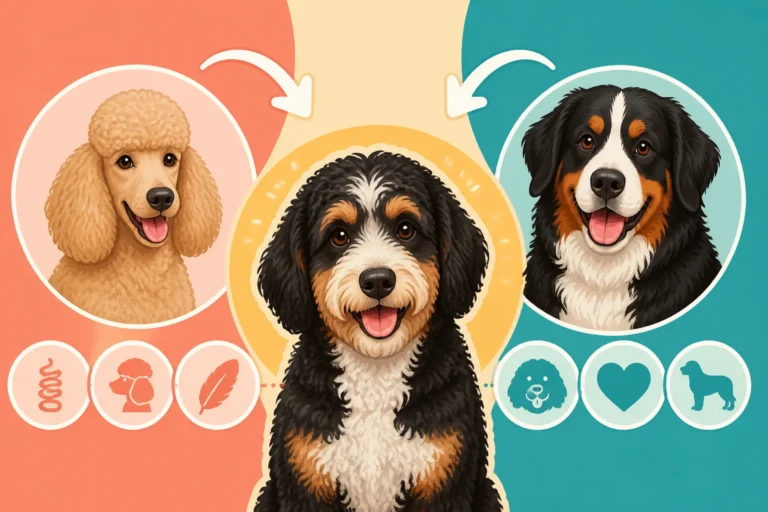
The story of the Bernedoodle isn't lost in the mists of time or subject to ancient folklore; it actually has a clear, relatively recent beginning. The credit for intentionally breeding the first Bernedoodle goes to a truly pioneering individual in the dog world: Sherry Rupke of SwissRidge Kennels in St. Jacobs, Ontario, Canada. Her vision and dedication laid the groundwork for the breed we adore today, driven by a deep desire to combine the best qualities of two distinct, magnificent breeds.
Back in the early 2000s, Sherry was already an experienced and respected breeder, well-versed in understanding dog genetics and temperaments. She wasn't just randomly crossing dogs; she approached it with a clear purpose and a strong ethical foundation. Her motivation stemmed from a genuine love for both Bernese Mountain Dogs and Poodles, but also a pragmatic understanding of their individual challenges and strengths.
The Bernese Mountain Dog's Predicament
Anyone who has loved a Bernese Mountain Dog knows their magnificent, gentle nature is often shadowed by a heartbreaking reality: their typically short lifespan. It's a truth that weighs heavily on Bernese owners, and it was a significant driving force behind Sherry Rupke's decision to explore a new cross. These beautiful dogs, with their stunning tri-color coats and placid dispositions, are unfortunately prone to a number of health issues, most notably various forms of cancer, which significantly impact their longevity. The Seven Years a Bernese Lives and the Twelve a Bernedoodle Might can feel like a fleeting amount of time for such a devoted companion.
Imagine the emotional toll of bringing home a puppy, only to know that your time with them might be cut short, often before their eighth birthday. This was a frustration deeply felt by many, including breeders like Sherry who witnessed firsthand the heartache. The hope was that by introducing the genetics of another breed, the Bernedoodle could benefit from "hybrid vigor," potentially extending the lifespan and reducing the prevalence of these hereditary diseases. This was a core part of Why Cancer Prompted the First Bernedoodle in the first place, an attempt to infuse a new line of health into a beloved breed.
The Poodle's Contributions to the Cross
On the other side of this carefully planned equation stood the Poodle. Now, some people might only think of the Poodle in terms of their fancy show clips, but true dog enthusiasts know them as incredibly intelligent, highly trainable, and wonderfully athletic dogs. Crucially for Sherry Rupke's vision, Poodles also boast a much longer average lifespan than Bernese Mountain Dogs, often living well into their teens. This longevity was a key piece of the puzzle.
Beyond their impressive lifespan, Poodles bring another highly sought-after trait to the table: their low-shedding, often hypoallergenic coats. While no dog is truly 100% hypoallergenic, the Poodle's coat type significantly reduces shedding and dander, making them a more suitable choice for individuals or families who suffer from dog allergies. This aspect was a major appeal, especially for those who loved the Bernese temperament but couldn't tolerate the shedding. So, the Poodle wasn't just about adding years; it was about adding a smart, adaptable, and allergy-friendlier element to the gentle Bernese. What the Poodle Contributes to a Bernedoodle truly rounds out the Bernese's inherent traits, creating a more balanced companion.
The Birth of a Beloved Crossbreed
With the clear goals of improving health, extending lifespan, and creating a low-shedding companion that retained the wonderful temperament of the Bernese, Sherry Rupke proceeded with her careful breeding program. Her kennel, SwissRidge Kennels and the First Bernedoodle Litter, became the birthplace of what would become one of the most popular doodle breeds.
The Initial Spark and First Litter
It's fascinating to think that sometimes, the biggest innovations start with a simple idea. For Sherry Rupke, the idea to cross the Bernese with a Poodle wasn't just her own internal brainstorm; it was sparked by a client's suggestion. This client was seeking a dog with the beloved traits of a Bernese, but with the added benefits of reduced shedding and a longer lifespan. This client's specific needs mirrored a growing desire among dog lovers for a companion that could offer the best of both worlds. It was this conversation that truly solidified the concept in Sherry's mind, moving it from a theoretical possibility to an actionable plan.
After careful consideration and selecting appropriate parent dogs with thorough health clearances, Sherry Rupke bred her first litter of Bernedoodles in 2003. This inaugural litter wasn't just a random experiment; it was the result of thoughtful planning, understanding of genetics, and a commitment to responsible breeding practices. Each puppy in that litter was a tiny pioneer, carrying the potential for a new legacy. Their arrival marked a significant moment in the world of designer dogs, setting a new standard for intentional crossbreeding aimed at specific, beneficial outcomes for pet owners.
The Immediate Appeal and Early Success
From that very first litter, it was clear that Sherry Rupke had stumbled upon something special. The puppies displayed a wonderful blend of both parent breeds: the sturdy build, gentle demeanor, and often the striking tri-color markings of the Bernese, combined with the intelligence, liveliness, and unique coat of the Poodle. Owners were immediately smitten, not just with their adorable appearance but with their delightful personalities.
These early Bernedoodles quickly proved to be adaptable, intelligent, and incredibly affectionate, forming strong bonds with their families. They were social, playful, and generally eager to please, making them excellent companions for a variety of households. The low-shedding aspect, in particular, was a huge hit, as it allowed many allergy sufferers to finally welcome a large, loving dog into their homes without constant sneezing and itching. The word spread quickly about these fantastic new dogs, and demand began to grow. People were looking for pets that not only looked beautiful but also fit into their lifestyles with minimal fuss, and the Bernedoodle seemed to tick all the boxes. Many of these first Bernedoodle owners would likely have gone to Chewy for their new puppies' supplies, from food bowls to training treats.
The Rapid Rise to Popularity
What began as a carefully considered crossbreeding project in Canada soon blossomed into a phenomenon. The popularity of the Bernedoodle exploded, first within North America, and then spreading globally, making it one of the most sought-after "designer dogs."
From Niche to Nationwide (and Beyond)
The journey of the Bernedoodle from a pioneering litter in Ontario to a widely recognized and cherished family pet is a testament to its inherent appeal. Once people started experiencing the joy of owning these delightful dogs, the positive feedback was overwhelming. Prospective owners, hearing glowing reviews from friends, family, or online communities, began actively seeking out Bernedoodle puppies. How the Bernedoodle Spread From Ontario is a story of word-of-mouth, online communities, and dedicated breeders recognizing the value of this cross.
Breeders, seeing the immense potential and demand, began to emerge, aiming to replicate the successful qualities established by SwissRidge Kennels. This expansion, while rapid, also brought challenges, as not all breeders maintained the same rigorous health testing and ethical standards as the founder. However, the foundational success meant that the breed's reputation for being a wonderful family dog was already firmly established. Families were willing to wait on long lists and travel significant distances to bring a Bernedoodle home, often equipping themselves with everything they needed from online retailers like Chewy before their puppy even arrived.
The "Doodle Craze" and the Bernedoodle's Place
The rise of the Bernedoodle occurred within a larger trend often referred to as the "doodle craze." This era saw a significant increase in the popularity of various Poodle crosses, from Goldendoodles and Labradoodles to Aussiedoodles and, of course, Bernedoodles. The core appeal of these crosses was often the combination of a beloved breed's temperament with the Poodle's non-shedding coat and intelligence.
The Bernedoodle carved out a very specific and beloved niche within this craze. While other doodles were fantastic, the Bernedoodle offered a unique blend of the Bernese's calm, gentle, and often goofy nature with the Poodle's sharp mind and reduced shedding. This made them particularly attractive to families seeking a large, affectionate, and relatively easy-to-manage companion. Their stunning tri-color coats, mimicking the Bernese, also gave them a distinct visual appeal that set them apart. It truly made them a standout, demonstrating that a thoughtfully bred cross could offer something truly unique and desirable in the pet world. When Bernedoodles Became Popular was less about a single moment and more about a steady, growing appreciation for what this cross offered.
The Legacy and Evolution of the Bernedoodle
Sherry Rupke's initial breeding decision has had a lasting impact, not just on the creation of a new crossbreed, but on the evolving landscape of responsible breeding and pet ownership. The Bernedoodle's lineage continues to grow and adapt, always striving to meet the initial goals of health, temperament, and suitability for family life.
Upholding the Vision for Future Generations
The legacy of the first Bernedoodle is carried forward by responsible breeders today who understand the importance of health testing and ethical practices. While anyone can cross two dogs, a true breeder dedicated to the Bernedoodle ideal strives to produce healthy, well-socialized puppies that embody the best traits of both parent breeds. This means rigorously screening parent dogs for common genetic conditions found in both Bernese Mountain Dogs (like hip and elbow dysplasia, certain cancers) and Poodles (like eye conditions and Von Willebrand's disease).
Prospective owners often look for breeders who readily share health clearances and pedigrees, ensuring they are supporting ethical practices. Asking about The Five Clearances a Bernedoodle Breeder Should Have is a crucial step in finding a healthy puppy. It's a commitment that aligns with Sherry Rupke's original intent: to improve the overall well-being and longevity of these wonderful dogs. Reputable breeders are careful in their pairings, focusing on temperament, health, and conformation, rather than just producing puppies for profit. This dedication ensures that the Bernedoodle remains a healthy and happy addition to families for years to come.
Beyond the First Generation: F1, F1b, and Multi-Gen Bernedoodles
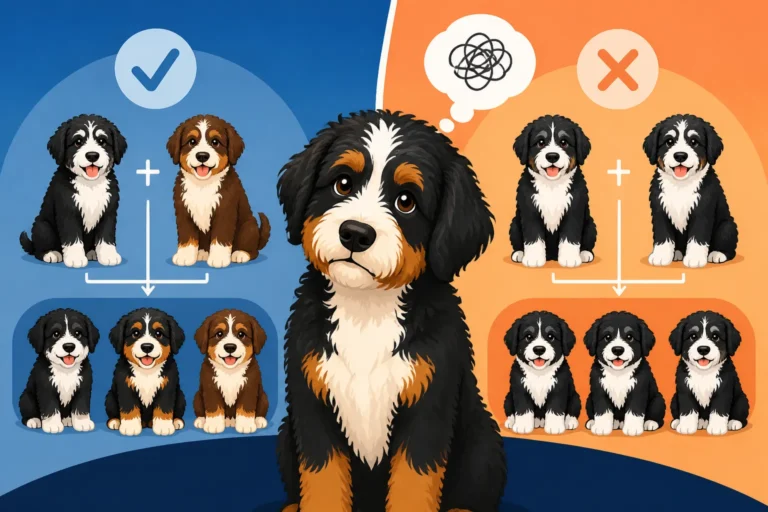
The term "first Bernedoodle" refers specifically to an F1 generation, which is a direct cross between a purebred Bernese Mountain Dog and a purebred Poodle. However, the story doesn't end there. To further enhance certain traits, particularly the low-shedding aspect, and to solidify desirable characteristics, subsequent generations have been developed.
- F1b Bernedoodles: These are a backcross, typically an F1 Bernedoodle bred back to a purebred Poodle. This generation often results in a curlier, even lower-shedding coat, which is highly sought after by those with more severe allergies.
- F2 and Multi-generational Bernedoodles: These are crosses between two F1 Bernedoodles (F2) or subsequent generations of Bernedoodle-to-Bernedoodle breedings. The goal here is to create more consistency in traits, like coat type and temperament, without introducing new outside bloodlines.
Each generation represents an evolution from that initial spark in 2003, showcasing how a carefully conceived cross can be refined over time. The journey from the very first Bernedoodle to the diverse generations we see today highlights the ongoing effort to create a consistent, healthy, and beloved companion. It also raises questions like Whether a Multigen Bernedoodle Keeps the Lifespan Gain, prompting continuous research and careful breeding practices. Whether you prefer an F1, F1b, or a multi-gen, the original intention of a healthy, loving companion remains at the heart of the Bernedoodle's enduring appeal.
| Breed Characteristic | Bernese Mountain Dog | Poodle | Bernedoodle (Goal) |
|---|---|---|---|
| Temperament | Calm, affectionate, loyal, can be shy | Intelligent, active, eager to please, playful | Balanced, intelligent, calm, goofy, affectionate |
| Lifespan | Shorter (approx. 7-8 years) | Longer (approx. 12-15 years) | Extended (approx. 10-12+ years) |
| Shedding | Heavy, constant | Low to non-shedding | Low to non-shedding (varies by generation) |
| Health Concerns | Cancer, hip/elbow dysplasia | Eye conditions, Addison's, hip dysplasia | Reduced risk of parent breed diseases (hybrid vigor) |
| Training Ease | Can be stubborn, sensitive | Highly trainable, intelligent | Intelligent, can have stubborn streak |
| Coat Type | Thick double coat, straight/wavy | Curly, dense, single coat | Wavy to curly (varies) |
| Size | Large to Giant | Miniature, Moyen, Standard | Miniature, Standard, Tiny (varies by Poodle parent) |
Disclaimer
This article is for general informational purposes only and does not constitute professional advice. Laws, prices and regulations vary by location and change over time. Consult a qualified professional for guidance on your specific situation.