Whether a Multigen Bernedoodle Keeps the Lifespan Gain
It's a common, completely understandable concern when you're considering a Bernedoodle, especially a multigen puppy: will they truly inherit the health benefits and extended lifespan we've all come to associate with this wonderful crossbreed, or does that "hybrid vigor" fade out over generations? Many of us want the best of both worlds—the fantastic temperament and charming looks, alongside a healthier, longer-lived companion than a purebred Bernese Mountain Dog might offer. This guide will walk you through the science and reality of multigen Bernedoodle lifespans, helping you understand what truly contributes to their longevity.
Understanding Hybrid Vigor in the First Generation
When we talk about the "lifespan gain" in a Bernedoodle, we're really touching on a concept called hybrid vigor, or heterosis. This isn't just a marketing buzzword; it's a real biological phenomenon. In the simplest terms, hybrid vigor is the increased strength, health, and often, fertility, of offspring that results from crossbreeding genetically distinct parents. For the Bernedoodle, this means taking a Bernese Mountain Dog and a Poodle – two breeds that, while both fantastic, come with their own distinct genetic predispositions for certain health conditions.
The Genetic Advantage of the F1 Cross
The first-generation, or F1, Bernedoodle is a direct cross between a purebred Bernese Mountain Dog and a purebred Poodle. Each parent contributes a unique set of genes. The magic of hybrid vigor happens because many genetic diseases are recessive, meaning a dog needs to inherit two copies of a faulty gene (one from each parent) to actually develop the condition. When you cross two different breeds, it's far less likely that both parents will carry the exact same recessive faulty gene for the same specific disease.
Think of it like this: the Bernese might carry genes for certain cancers or joint issues, while the Poodle might carry genes for different eye problems or blood disorders. When they breed, the F1 puppy gets one set of genes from each. If the Bernese parent carries a gene for a specific type of cancer, the Poodle parent is highly unlikely to carry that exact same cancer gene. So, the Poodle's healthy gene can "mask" the recessive faulty gene from the Bernese, preventing the disease from expressing itself. This genetic diversity often leads to a more robust, healthier dog with a potentially longer lifespan compared to either purebred parent, especially the Bernese Mountain Dog. This is why many people seek out the Bernedoodle in the first place, hoping for a dog that escapes the tragically short average lifespan of the Bernese, which is often around The Seven Years a Bernese Lives and the Twelve a Bernedoodle Might The Poodle's known longevity, often extending into the mid-teens, provides a significant boost.
Why the Bernese Lifespan is a Concern
The Bernese Mountain Dog, while incredibly sweet and loyal, faces significant health challenges. Cancer, particularly histiocytic sarcoma, is heartbreakingly common and accounts for a large percentage of deaths, often striking at a young age. Conditions like hip and elbow dysplasia are also prevalent. The Poodle, on the other hand, is generally a healthier, longer-lived breed, though they have their own predispositions, such as Progressive Retinal Atrophy (PRA) or Addison's disease. The intent behind creating the Bernedoodle was explicitly to introduce the Poodle's healthier genetics and longevity into the Bernese line, hoping that Whether the Bernedoodle Cross Actually Reduced Cancer would provide a tangible benefit. So, the "lifespan gain" isn't just a hopeful wish; it's rooted in the very reason these dogs were first bred.
What a Multigen Bernedoodle Means for Lifespan
Now, let's tackle the multigen Bernedoodle. The term "multigen" typically refers to Bernedoodles that are several generations removed from the initial purebred cross. This can include F1b Bernedoodles (an F1 Bernedoodle bred back to a Poodle), F2 Bernedoodles (an F1 Bernedoodle bred to another F1 Bernedoodle), or even F3 and beyond, where Bernedoodles are bred to other Bernedoodles over successive generations. The question then becomes: does the hybrid vigor seen in the F1 generation persist, diminish, or even disappear in these later generations?
The Complexities of Genetic Recurrence
The simple answer is that it's more complex than a simple "yes" or "no." The concept of hybrid vigor is most pronounced in the first cross between two distinct purebred lines. As you continue to breed Bernedoodle to Bernedoodle (F2, F3, etc.), you are essentially narrowing the genetic pool again, albeit still much wider than if you were breeding purebred Bernese to Bernese.
Here's the rub: if two F1 Bernedoodles are bred together to create an F2 litter, there's a chance that both F1 parents, who individually benefited from hybrid vigor and didn't express certain recessive diseases, might still carry those recessive genes. If both happen to carry the same recessive gene, then their F2 offspring have a 25% chance of inheriting two copies of that faulty gene and expressing the disease. This is where the potential for a reduction in lifespan gain could occur if breeders aren't incredibly diligent.
The Role of Responsible Multigen Breeding
This isn't to say that multigen Bernedoodles are inherently less healthy or short-lived. Far from it! The key lies squarely with the breeder's practices. A responsible multigen Bernedoodle breeder understands these genetic principles and works tirelessly to mitigate the risks. They don't just breed two cute Bernedoodles together. Instead, they:
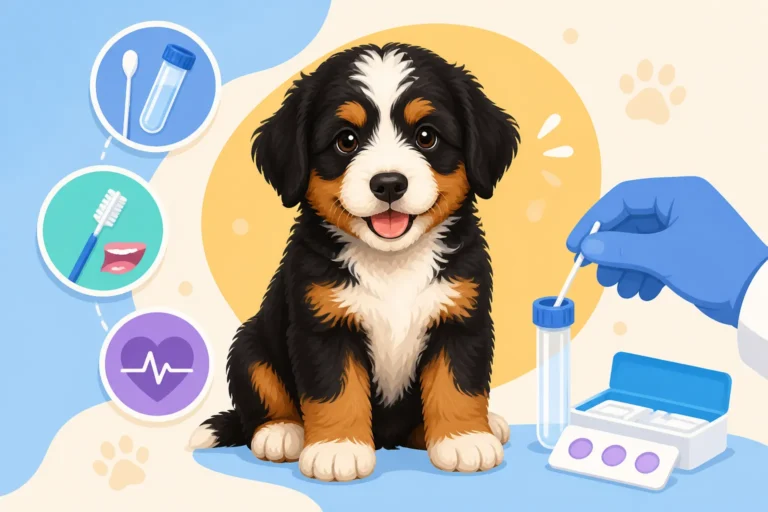
- Health Test Extensively: This is non-negotiable. Reputable breeders perform comprehensive health testing on all parent dogs before breeding. This includes genetic screening for conditions common to both Bernese and Poodles, such as hip and elbow dysplasia, eye conditions like PRA, Von Willebrand's disease, and degenerative myelopathy. By identifying carriers of recessive genes, they can make informed breeding decisions to avoid pairing two carriers together, thus preventing the expression of these diseases in offspring. For example, testing for Degenerative Myelopathy Both Bernedoodle Parents Can Carry is crucial to avoid producing affected puppies.
- Maintain Diverse Bloodlines: They carefully track pedigrees to avoid inbreeding and maintain as much genetic diversity as possible within their multigen lines. This helps to keep the gene pool robust and lessens the chance of undesirable recessive traits accumulating.
- Prioritize Health Over Aesthetics: While coat type and color are popular, a good breeder will always prioritize health and temperament. They won't breed a dog with known health issues just to get a certain "look."
If a breeder is doing all of this, a multigen Bernedoodle can absolutely retain excellent health and a comparable, if not identical, lifespan gain to their F1 counterparts. In fact, some F1b Bernedoodles (F1 x Poodle) might even see an increased Poodle influence, which could further boost longevity, assuming the Poodle lines are also robust and health-tested.
The table below illustrates the general expectations for different Bernedoodle generations concerning hybrid vigor:
| Bernedoodle Generation | Breeding Pair | Hybrid Vigor Impact | Lifespan Expectation (Relative) | Key Considerations for Health & Lifespan |
|---|---|---|---|---|
| F1 | Purebred Bernese x Purebred Poodle | Strongest hybrid vigor | Highest potential gain over Bernese | Max genetic diversity, masks many recessive genes. |
| F1b | F1 Bernedoodle x Purebred Poodle | High, strong Poodle influence | Potentially even longer, more Poodle traits | Excellent for allergy sufferers, often very healthy. |
| F2 | F1 Bernedoodle x F1 Bernedoodle | Variable; can be reduced if not bred carefully | Can be similar to F1, or slightly less | Crucial for breeders to health test both F1 parents thoroughly. |
| F2b | F1b Bernedoodle x Purebred Poodle | High, further Poodle influence | Similar to F1b, often very robust | Similar to F1b, good for maintaining vigor. |
| Multigen (F3+) | Bernedoodle x Bernedoodle | Stabilized; depends entirely on breeder diligence | Can retain significant gain with careful breeding | Focus on health-tested lines, genetic diversity is key. |
Factors That Truly Influence a Bernedoodle's Lifespan
Beyond the generational discussion, it’s important to remember that a Bernedoodle’s lifespan, regardless of its generation, is also profoundly influenced by many other factors, some of which are entirely within your control as a pet parent. Thinking that a multigen Bernedoodle might lose some longevity isn't necessarily true, especially when considering proper care.
Nutrition and Weight Management
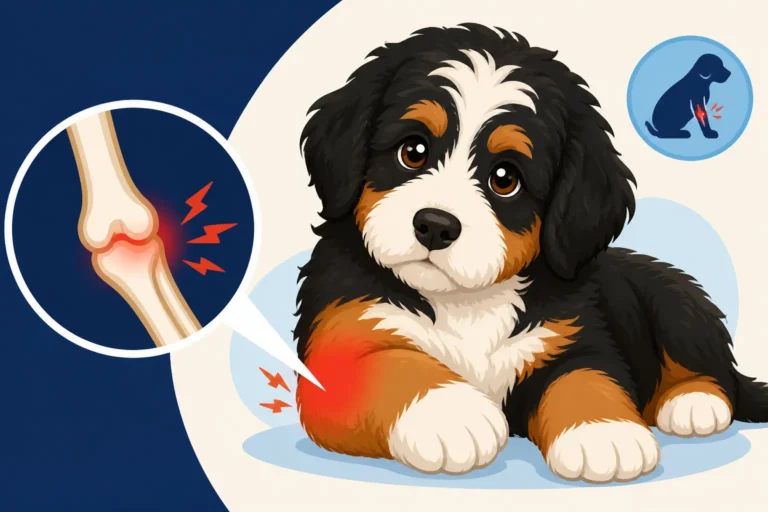
What you feed your Bernedoodle plays a massive role in their overall health and longevity. A high-quality, balanced diet suitable for large breeds (if you have a Standard Bernedoodle) supports healthy growth and development, preventing issues that can arise from improper nutrition. Overfeeding, especially during puppyhood, can lead to rapid growth that puts undue stress on developing joints, contributing to conditions like Elbow Dysplasia in a Growing Bernedoodle or hip issues.
Keeping your Bernedoodle at a healthy weight throughout their life is critical. An overweight Bernedoodle is at higher risk for a myriad of health problems, including arthritis, diabetes, heart disease, and even certain cancers. It’s been well-documented that Whether an Overweight Bernedoodle Loses Years is a real concern, with excess weight placing extra strain on their joints and internal organs. Regular monitoring of their body condition and adjusting food intake as needed can add years to their life.
Regular Exercise and Mental Stimulation
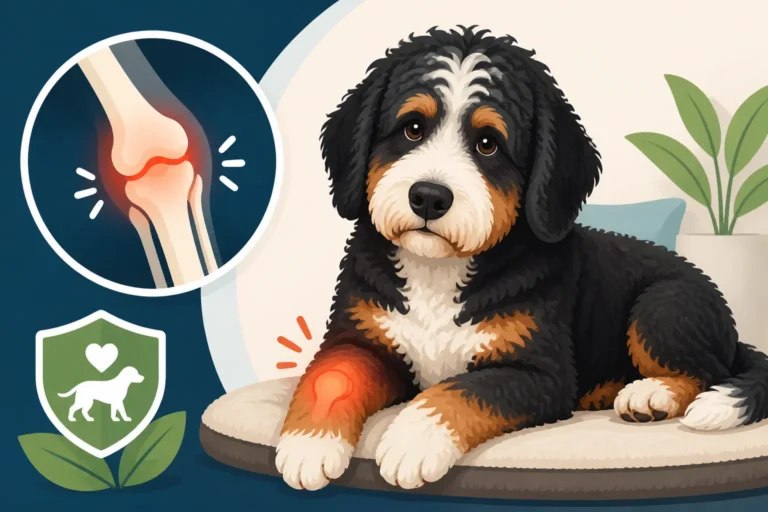
Bernedoodles are active dogs, and they thrive on regular exercise. This doesn't just keep them physically fit; it also provides crucial mental stimulation. A well-exercised dog is generally a happier, less destructive dog. However, it's essential to tailor exercise to their age and physical condition. Intense, high-impact exercise isn't suitable for young puppies with developing bones and joints. As they age, especially if they show signs of Arthritis in a Bernedoodle at Eight, lower-impact activities like swimming or gentle walks become more appropriate.
Daily walks, playtime in a secure yard, and opportunities for mental engagement through puzzle toys or training sessions contribute significantly to their well-being. A dog that is physically and mentally stimulated is less likely to develop behavioral issues born of boredom or frustration, which can indirectly impact their stress levels and overall health.
Comprehensive Veterinary Care
Proactive veterinary care is paramount for maximizing your Bernedoodle's lifespan. This means more than just reacting to illness; it means regular check-ups, vaccinations, parasite prevention, and routine screenings. Many conditions, if caught early, are much more treatable. For example, The Screening a Bernedoodle Should Have Yearly is vital for detecting issues before they become severe.
As your Bernedoodle ages, these check-ups become even more crucial. What Changes in a Bernedoodle After Eight years often includes a slower metabolism, potential joint stiffness, and a higher risk for age-related illnesses. Your vet can recommend tailored diets, supplements, and exercise routines to support their golden years. Investing in pet insurance, like policies from Healthy Paws, can also provide immense peace of mind, ensuring you can afford the best possible care for unexpected illnesses or accidents without financial stress. Knowing you have that safety net allows you to focus solely on your dog's health.
Responsible Breeding Practices and Genetic Health
While hybrid vigor offers an initial advantage, the ultimate long-term health and lifespan of any Bernedoodle, whether F1 or multigen, depends heavily on the genetic health of its parents. This means choosing a breeder who is committed to extensive health testing for both the Bernese Mountain Dog and Poodle lines, or for the Bernedoodle parents in the case of multigens.
Always ask for proof of health clearances, such as OFA (Orthopedic Foundation for Animals) or PennHIP certifications for hips and elbows, as well as genetic testing results for conditions like Von Willebrand's Disease and degenerative myelopathy. A breeder who proudly shares these results and explains their breeding philosophy is one you can trust. Even if you're getting a multigen, the parents of that multigen should have had all the appropriate health screenings to ensure they aren't passing on genetic predispositions to their puppies. This commitment from breeders ensures that the foundation of health is strong, allowing your Bernedoodle the best chance at a long, healthy life. Without this due diligence, even an F1 Bernedoodle could inherit a poor genetic lottery.
Maximizing Your Multigen Bernedoodle's Lifespan
So, knowing all this, how can you actively work to ensure your multigen Bernedoodle lives a long, happy, and healthy life? It really comes down to a combination of informed choices from the start and consistent, loving care throughout their years.
Choosing a Reputable Breeder
This cannot be stressed enough: the single most impactful decision you'll make regarding your Bernedoodle's potential lifespan is choosing a responsible breeder. For a multigen Bernedoodle, this means finding someone who:
- Understands Genetics: They should be able to articulate why they breed multigens, what specific health tests they perform, and how they use those results to make breeding decisions. They should know the difference between an F1, F1b, and an F2, and the specific advantages and disadvantages of each.
- Provides Health Clearances: Demand to see verifiable health clearances for both parent dogs. This should include orthopedic evaluations (hips, elbows), eye certifications, cardiac clearances, and genetic testing for prevalent diseases like Von Willebrand's disease and degenerative myelopathy. These tests are the bedrock of responsible breeding.
- Offers a Health Guarantee: A good breeder will offer a health guarantee, often covering genetic conditions for a certain period. This demonstrates their confidence in their breeding program.
- Prioritizes Temperament: Health and temperament go hand-in-hand. A well-bred dog is not only physically healthy but also mentally sound. Ask about the parents' temperaments and observe the puppies' behavior.
Don't be afraid to ask tough questions. A reputable breeder welcomes them and will be transparent about their practices. If a breeder avoids questions, seems vague about health testing, or offers puppies at a significantly lower price than others without good reason, those are red flags you should heed.
Prioritizing Preventative Health Care
Think of preventative care as your Bernedoodle's best defense against illness. Establishing a strong relationship with a veterinarian from day one is crucial.
- Regular Vet Check-ups: Don't skip annual check-ups. These visits allow your vet to catch potential issues early, administer necessary vaccinations, and provide advice on nutrition, weight, and exercise.
- Parasite Control: Consistent prevention against fleas, ticks, heartworm, and intestinal parasites is vital. These tiny invaders can cause serious, even life-threatening, diseases.
- Dental Care: Dental health is often overlooked but profoundly impacts overall health. Regular teeth brushing at home, dental chews, and professional dental cleanings as recommended by your vet can prevent painful dental disease that can lead to issues with vital organs.
- Vaccinations: Keep your Bernedoodle's vaccinations up-to-date according to your vet's recommendations. This protects them from common and dangerous canine diseases.
- Consider Pet Insurance: As mentioned, robust pet insurance plans, such as those offered by Healthy Paws, can be invaluable. Unexpected accidents or illnesses can lead to significant veterinary bills, and having coverage means you can always choose the best treatment options without financial burden, which in turn contributes to a longer, healthier life for your furry friend.
A Lifestyle of Wellness
Your Bernedoodle's daily life choices, guided by you, profoundly influence their longevity.
- Balanced Nutrition: Feed a high-quality dog food appropriate for their life stage and size. Avoid overfeeding and resist the urge to constantly give human scraps. Discuss any dietary concerns with your vet.
- Appropriate Exercise: Ensure they get regular, appropriate exercise. For a young Bernedoodle, this might mean controlled play and walks, adhering to rules like the "five-minute rule" for puppies (5 minutes of exercise per month of age, twice a day) to protect developing joints. As they mature, they'll need more vigorous activity but still within limits that don't overstress their joints, which can be an issue for Hips on a Ninety Pound Bernedoodle.
- Mental Engagement: Bernedoodles are intelligent dogs and need mental stimulation to prevent boredom and stress. Puzzle toys, training sessions, and new experiences keep their minds sharp and contribute to overall well-being.
- Safe Environment: Protect your Bernedoodle from hazards. This includes securing your yard, keeping toxic substances out of reach, and ensuring they are always on a leash in unfenced areas. Especially with their thick coats, be mindful of Why a Black Tri Bernedoodle Overheats and take precautions during hot weather.
- Love and Companionship: Don't underestimate the power of love and companionship. Dogs thrive on interaction with their human families. A loved, well-socialized Bernedoodle generally experiences less stress, which contributes to a healthier immune system and a longer, more joyful life.
In conclusion, the answer to whether a multigen Bernedoodle keeps the lifespan gain is largely dependent on the dedication of the breeder and the care provided by the owner. While the initial F1 cross gets the biggest boost from hybrid vigor, responsible breeding practices and vigilant health management can ensure that multigen Bernedoodles continue to be robust, healthy, and long-lived companions, offering many wonderful years of joy to their families.
Disclaimer
The information provided in this article is for general informational purposes only and is not a substitute for professional veterinary advice. Always consult with a qualified veterinarian for any health concerns or before making any decisions related to your pet's health and well-being.