Whether the Bernedoodle Counts as a Breed Yet
It's a question that many Bernedoodle owners, or those dreaming of bringing one home, ponder: is my beloved companion truly a "breed" yet? The confusion is absolutely understandable. When you love a dog so deeply, and they have such distinct characteristics and a loyal following, it feels like they should be recognized. This guide is going to dive deep into what it truly means for a dog to be considered a "breed," where the Bernedoodle stands in that journey today, and what the future might hold for these wonderful crossbreeds.
Understanding What "Breed" Truly Means in the Canine World
For many of us, a "breed" is simply a type of dog we recognize – a Golden Retriever, a Poodle, a Bernese Mountain Dog. But in the formal world of dog fancy and genetics, the definition is much more precise, and achieving that designation is a long, arduous process that many beloved dogs never fully complete. It's not just about popularity or a consistent look; there's a whole framework that needs to be met.
The Journey from Landrace to Purebred Status
Think about ancient dogs, the ones that roamed villages and worked alongside humans for centuries. They weren't "breeds" in the modern sense. They were more like "landraces," populations of dogs that developed certain traits naturally, based on their environment and the jobs they did. Over time, as humans started to selectively breed dogs for specific tasks – herding, hunting, guarding – these landraces began to solidify into what we recognize as distinct types. This was a slow, organic process, often spanning generations before anyone thought about formalizing it.
The concept of a "purebred" dog, with a written standard and a verifiable pedigree, is a relatively recent invention, largely coming into its own in the 19th century. People began to gather, form clubs, and decide what the ideal representation of a particular dog type should look like, how it should behave, and even what health traits it should possess. It was a conscious effort to refine and fix these characteristics, ensuring that offspring would reliably resemble their parents, both in appearance and temperament. This historical context is crucial when we consider the Bernedoodle, which is a very young cross by comparison.
The Role of Kennel Clubs and Breed Standards
When we talk about a dog being a "recognized breed," we're usually talking about recognition by major national or international kennel clubs, like the American Kennel Club (AKC) in the United States, or The Kennel Club in the UK. These organizations are the gatekeepers of purebred status. They establish the strict criteria that a dog population must meet to be considered a formal breed. The most important tool in this process is the "breed standard," a detailed document that describes the ideal characteristics of the breed. It covers everything from physical appearance—head shape, ear set, coat type, tail carriage, color patterns—to temperament, gait, and even size ranges.
For a new dog type to gain recognition, it typically needs to show a consistent breed standard over multiple generations. This means that when two dogs of that type are bred together, their offspring are predictable and conform to the established ideal. This isn't just about looks; it's also about health and temperament. Kennel clubs want to ensure that any new breed is genetically sound and possesses the desired behavioral traits. It’s a huge undertaking, requiring extensive documentation of pedigrees, health clearances, and a dedicated parent club to champion the cause. Without this official stamp, even the most popular dogs remain outside the formal definition of a breed.
The Difference Between a Breed and a Crossbreed
This is where the Bernedoodle currently sits. A "breed" refers to a distinct, established lineage of dogs that consistently produce offspring with predictable characteristics, as defined by a breed standard. A "crossbreed," or sometimes called a "designer dog," is the result of intentionally mating two different purebred dogs. In the Bernedoodle's case, it's a Bernese Mountain Dog crossed with a Poodle. The intention behind these crosses is often to combine desirable traits from both parent breeds, such as the Bernese's gentle nature with the Poodle's intelligence and lower-shedding coat.
While crossbreeds can be incredibly wonderful dogs, they inherently carry a greater degree of genetic variability. Even within a single litter of Bernedoodles, you might see puppies that lean more heavily towards one parent breed in terms of coat type, size, or even temperament. One puppy might have the classic wavy coat, another might have a curlier, more Poodle-like coat, and a third might have a straighter, Bernese-like coat that sheds more. This variability is precisely what makes it challenging to establish a consistent breed standard required for formal recognition. It’s not a flaw, but simply a characteristic of being a first- or second-generation cross.
The Bernedoodle's Origin Story and Rapid Rise
Understanding the Bernedoodle's origins helps shed light on why it's such a beloved dog, but also why it's not yet recognized as a formal breed. Unlike many ancient breeds that evolved over centuries, the Bernedoodle is a relatively modern creation, born out of a specific desire to combine the best qualities of two very different, but equally cherished, purebreds.
The Intentional Creation of the Bernedoodle
The Bernedoodle isn't an accidental mix; it was a deliberate cross envisioned by a thoughtful breeder looking to address specific concerns. The story generally traces back to The 2003 Litter That Started the Bernedoodle at SwissRidge Kennels in Canada. The core idea behind Why Sherry Rupke Bred the First Bernedoodle was to mitigate some of the health challenges associated with the purebred Bernese Mountain Dog, particularly their notoriously short lifespan and high rates of certain cancers. By introducing the robust genetics of the Poodle, with its longer lifespan and generally good health, the hope was to create a healthier, longer-lived companion.
This intentional breeding marked a significant shift from the more organic development of traditional breeds. It wasn't about refining an existing type but creating a brand new one with specific goals in mind: a loyal, intelligent, and affectionate dog with a lower-shedding coat and improved longevity. This foresight laid the groundwork for the Bernedoodle's eventual popularity, but also set it on a different path from traditional breed development. It also helps to answer questions like Whether Bernedoodles Existed Before 2003, indicating that this was a conscious, recent effort.
Early Days and the Founding Kennels
Following that initial litter, the concept of the Bernedoodle slowly but surely began to gain traction. Early breeders, often inspired by the positive outcomes of these initial crosses, started to replicate the pairing. They aimed to further solidify the desirable traits: the Bernese's striking tri-color markings and mellow disposition, combined with the Poodle's active mind and curly, hypoallergenic-leaning coat. These early days were crucial for establishing the foundational genetics and popularizing the concept.
These pioneering breeders were essentially shaping the future of the Bernedoodle, even without a formal breed standard. They made decisions about which Poodle lines and Bernese lines to use, focusing on health clearances and temperament. While there wasn't a universal "Bernedoodle Club" in the very beginning, dedicated individuals were laying the groundwork for what would become a hugely popular companion dog. This period of early development is common for many emerging hybrid types, where passionate individuals drive the direction before any formal bodies might consider stepping in.
Why Bernedoodles Became So Popular So Quickly
It's really not hard to see why the Bernedoodle skyrocketed in popularity. They hit a sweet spot for many families. Firstly, you have the gorgeous aesthetics: the teddy-bear look, often with the stunning tri-color markings reminiscent of a Bernese, but with a fluffier, sometimes wavy or curly coat that many find irresistible. This visual appeal is a massive draw. You're getting the grandeur and striking appearance of a large breed, softened by the Poodle's characteristic curls.
Beyond looks, their temperament is often a winning combination. Bernedoodles are frequently described as goofy, affectionate, intelligent, and loyal. They tend to inherit the Bernese's gentle, loving nature, making them wonderful family dogs, while also benefiting from the Poodle's sharp mind and trainability. Plus, the reduced shedding, a trait hoped for from the Poodle side, is a huge bonus for allergy sufferers or those who just want less dog hair around the house. When you factor in the desire for a healthier dog than some purebreds, it’s clear why the Bernedoodle became such a sought-after companion in a relatively short amount of time. People loved the idea of getting What the Poodle Contributes to a Bernedoodle and What the Bernese Contributes to a Bernedoodle all in one package.
Current Status: Where Do Bernedoodles Stand Today?
Despite their immense popularity and dedicated fan base, Bernedoodles occupy a unique space in the canine world. They are widely recognized by the public, by veterinary professionals, and by the pet industry (you can find plenty of Bernedoodle-specific products on sites like Chewy!), but they lack the formal recognition that defines a "breed" in the traditional sense. This distinction is critical to understand for anyone involved with these wonderful dogs.
Lack of AKC Recognition and Why It Matters
The short answer to "is the Bernedoodle a breed?" when referring to the most prominent kennel clubs like the American Kennel Club (AKC) is no, not yet. The AKC has a very specific, multi-stage process for recognizing new breeds. It requires a significant number of generations of consistent breeding, a demonstrable population of dogs with verifiable pedigrees, and a parent club dedicated to maintaining a strict breed standard. The Bernedoodle, being a hybrid, simply hasn't met these criteria. The genetic variability inherent in a cross between two distinct breeds means that offspring don't consistently "breed true" – meaning puppies don't reliably come out looking and acting the same across different litters or generations.
This lack of AKC recognition isn't a judgment on the Bernedoodle's value as a companion animal; it merely reflects their status within the formal dog show and breeding world. What does it mean for owners? Primarily, it means you won't see Bernedoodles competing in AKC conformation events, nor will they have official AKC pedigrees. It also means there isn't a single, universally agreed-upon standard for what a Bernedoodle should look like, which can lead to inconsistencies in size, coat type, and even temperament depending on the breeder and the specific parents used. For those interested in showing or tracing lineages through traditional means, this can be a significant hurdle, which makes questions like Whether the AKC Will Ever Recognize the Bernedoodle a perennial topic of discussion.
Other Registries and Their Role for Hybrid Dogs
While the major kennel clubs might not recognize the Bernedoodle as a purebred, that doesn't mean there's no way to register your dog. Several other organizations have emerged to cater specifically to hybrid or "designer" dogs. These registries, such as the Designer Dogs Kennel Club (DDKC) or the International Designer Canine Registry (IDCR), provide a way to document a Bernedoodle's parentage and track their lineage. They often have their own internal "standards" or guidelines for what constitutes a Bernedoodle, and can issue certificates of registration.
These registries serve an important purpose by offering a sense of legitimacy and a way to track the ancestry of these crossbreeds. They often promote responsible breeding practices among their members, including health testing, which is vital for any dog, purebred or hybrid. While these registrations don't carry the same weight as an AKC pedigree in the traditional purebred world, they are valuable resources for owners and breeders who want to maintain records and demonstrate commitment to the health and well-being of their Bernedoodles. It’s important to research The Registries That Record Bernedoodles to understand what each offers.
The "Designer Dog" Label and its Implications
The term "designer dog" often elicits mixed reactions. For some, it suggests a frivolous trend or a marketing gimmick, implying that these dogs are somehow less legitimate than purebreds. For others, it accurately describes the intentional and often thoughtful creation of a hybrid, blending specific traits from two parent breeds. The Bernedoodle, along with Goldendoodles, Labradoodles, and others, squarely falls into this category. The implication of this label is that while they are highly sought after and deeply loved, they exist outside the established purebred framework.
One of the main implications is the variability in appearance and temperament, as discussed earlier. Without a rigid breed standard and generations of breeding "true," there's more diversity within the Bernedoodle population. This means that when you're looking for a puppy, it's even more crucial to do your homework on the breeder, understand the parent dogs, and manage your expectations. You can't just assume a Bernedoodle will look exactly like the one next door, even if they are from the same "type." This label also sometimes contributes to the misconception that these dogs are inherently healthier than purebreds due to "hybrid vigor," which, while a real concept, isn't a guaranteed cure-all for genetic issues without diligent health testing.
The Challenges of Achieving Breed Recognition for a Hybrid
The journey from a beloved crossbreed to a formally recognized breed is a marathon, not a sprint. For Bernedoodles, as with any hybrid, there are several significant hurdles that need to be cleared, each requiring dedication, time, and a unified vision from the breeding community. It’s a complex dance between genetics, consistency, and official bureaucracy.
Establishing Consistent Breed Type and Appearance
This is arguably the biggest challenge for the Bernedoodle. To become a recognized breed, there needs to be a predictable "type" that is reliably reproduced generation after generation. When you breed a purebred Bernese to a purebred Poodle, the first (F1) generation of Bernedoodles can be quite varied. You might get puppies with wavy coats, curly coats, or even straight coats. Their sizes can vary significantly, even within the same litter, and their overall appearance might lean more heavily toward one parent breed than the other.
To move towards breed status, breeders would need to embark on multiple generations of breeding Bernedoodle to Bernedoodle (F2, F3, etc.), carefully selecting for specific traits that would eventually form a consistent Bernedoodle look and temperament. This means striving for a consistent coat type (e.g., all wavy, or all curly), a defined size range for each "type" (Standard, Mini, Tiny), and a reliable disposition. This selective breeding takes a tremendous amount of time, careful record-keeping, and a shared vision across many breeders. It's a long process to get a Bernedoodle to truly "breed true," meaning offspring consistently resemble each other and the ideal standard.
Health Testing and Documenting Genetic Lines
Another critical component for breed recognition is robust health. Kennel clubs require evidence that a new breed is being developed with a strong emphasis on genetic health. This means comprehensive health testing of all breeding dogs for common genetic conditions known in both parent breeds. For Bernedoodles, this would include screening for hip and elbow dysplasia, Degenerative Myelopathy Both Bernedoodle Parents Can Carry, certain eye conditions, and Von Willebrand's Disease in a Bernedoodle, as well as seeking to reduce the cancer rates seen in Bernese Mountain Dogs.
Documenting these health clearances, along with verifiable pedigrees for multiple generations, is essential. Breeders need to be transparent and meticulous about their health testing protocols. This data helps demonstrate that the population is genetically sound and that efforts are being made to breed out hereditary health problems. This commitment to health is not just about gaining recognition; it's about ensuring the well-being of the dogs themselves. Organizations like the Orthopedic Foundation for Animals (OFA) play a crucial role in providing official health certifications, which are vital for this documentation process.
The Generations Required for a True Breeding Population
Achieving breed status is not a quick endeavor. It typically requires many generations of selective breeding to solidify traits and ensure consistency. You can't just breed two Bernedoodles together and call the offspring a new "breed." Often, it takes five, ten, or even more generations of carefully planned breedings for a new type of dog to consistently produce progeny that meet a unified standard. This is why questions like Whether a Bernedoodle Will Ever Breed True are so important.
Each generation involves thoughtful selection of breeding pairs, evaluating offspring against desired traits, and making tough decisions about which dogs to continue in the breeding program. It's a long-term commitment that demands immense patience and collaboration among breeders. During this process, a "parent club" would typically form, tasked with defining the breed standard, promoting ethical breeding, and lobbying the major kennel clubs for recognition. Without this consistent, multi-generational effort, the Bernedoodle will remain a well-loved crossbreed, admired for its individual charms rather than its adherence to a fixed genetic standard.
The Benefits (and Drawbacks) of Breed Status
So, if the path to breed recognition is so long and challenging, why would anyone even pursue it? There are certainly compelling reasons, both for the dogs themselves and for the human communities that cherish them. However, achieving breed status also comes with its own set of potential drawbacks that are worth considering.
The Advantages of Formal Recognition
Formal breed recognition by major kennel clubs brings a multitude of benefits. Firstly, it lends an air of legitimacy and prestige. A recognized breed comes with a meticulously maintained pedigree database, offering a clear lineage and health history for every registered dog. This helps prospective owners make informed decisions and reduces the risk of supporting unscrupulous breeders. It also means that responsible breeding practices, often including mandatory health testing, become standardized and enforced by the parent club.
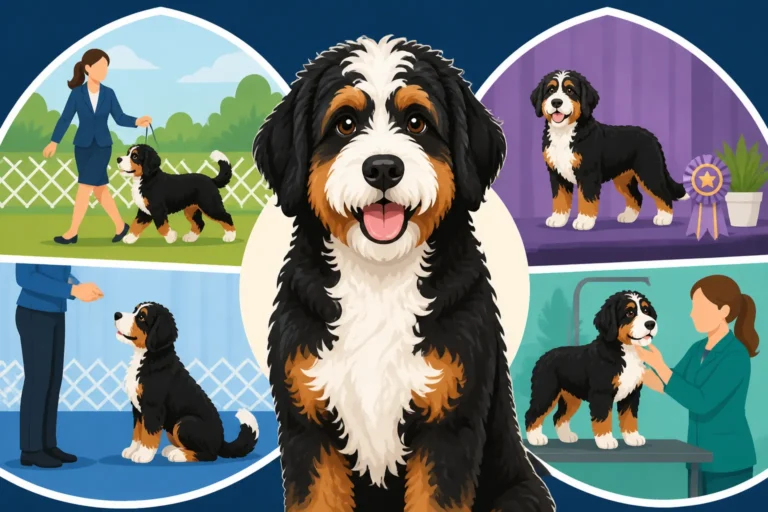
Secondly, recognition opens doors to various competitive events. Owners of recognized breeds can compete in conformation shows, showcasing their dogs against the breed standard, as well as a wider array of performance events like agility, obedience, and rally through the AKC. This provides avenues for owners to bond with their dogs and demonstrate their abilities beyond just being a family pet. It also leads to more focused research into breed-specific health issues, as a unified breed community can pool resources and advocate for their dogs. For those who want to see the Bernedoodle elevated, this formal stamp of approval is the ultimate goal.
The Potential Downsides for a Beloved Crossbreed
While recognition has its perks, it's not without its shadows, especially for a beloved crossbreed like the Bernedoodle. One of the primary concerns is the potential for losing the very "hybrid vigor" that was often the initial impetus for the cross. As a population becomes "purebred" and genetic diversity narrows, some of the health benefits of being a first-generation cross might diminish, potentially concentrating genetic predispositions to disease if not carefully managed. The debate around Whether the Bernedoodle Cross Actually Reduced Cancer is a key part of this conversation.
Another potential drawback is the shift in focus. Once a breed standard is established, breeders can become overly focused on aesthetics – ensuring their dogs perfectly match the physical description – sometimes at the expense of temperament or health. This can lead to exaggerated features or a narrowing of the genetic pool, which some argue has plagued certain purebred lines. Furthermore, the very popularity that might drive the push for recognition can also lead to overbreeding and puppy mills looking to capitalize on demand, potentially compromising health and welfare standards if not rigorously policed.
Why Owners Might Not Even Want Full Breed Status
It's a surprisingly common sentiment among "designer dog" enthusiasts that formal breed status isn't necessarily the ultimate goal, or even a desired one. Many Bernedoodle owners cherish their dogs precisely because they are a unique blend, often valuing the individual dog more than adherence to a strict standard. The freedom from the rigid rules and aesthetics of conformation showing allows breeders to prioritize different traits, such as temperament and health, without external pressure to conform to a specific look.
For many, the appeal of the Bernedoodle lies in its "goofiness," its affectionate nature, and its beautiful, varied coat. They appreciate the genetic diversity that comes from a cross, hoping it translates into a healthier, more resilient dog. The idea of having their dog forced into a narrow box of physical requirements feels counterintuitive to the spirit of the crossbreed. As long as responsible breeders are focusing on health testing and ethical practices, many owners feel perfectly content with their Bernedoodle simply being a wonderful companion, regardless of whether a kennel club acknowledges them. After all, you can still find fantastic toys and food for your Bernedoodle at Chewy, and they'll love you just the same!
The Future of the Bernedoodle: Will It Ever Be a "Breed"?
Predicting the future of any dog type is always a bit like gazing into a crystal ball, but for the Bernedoodle, the path to formal breed recognition is particularly intricate. While the desire among some enthusiasts is strong, the reality of the process is a long and winding road, requiring immense commitment and collaboration.
The Path to Provisional and Full Recognition
Should the Bernedoodle community ever decide to pursue full AKC-type recognition, they would likely follow a path similar to other newer breeds. This typically starts with forming a dedicated national parent club. This club would establish a preliminary breed standard, meticulously document pedigrees, and track health clearances for multiple generations of Bernedoodle-to-Bernedoodle breedings. These dogs would need to consistently "breed true" in terms of appearance, size, and temperament.
After years of consistent progress, the club could apply for "Foundation Stock Service" (FSS) status, which is the AKC's first step for breeds working toward full recognition. During this phase, the dogs can be registered, and owners can participate in certain AKC events like obedience and agility, but not conformation shows. This period can last for many years, sometimes a decade or more, as the population grows and consistency is proven. Eventually, if all criteria are met and sufficient generations demonstrate stable characteristics, the breed might move to the Miscellaneous Class, and then finally, if successful, achieve full recognition. It's an arduous, multi-decade process.
Ongoing Efforts by Enthusiasts and Breeders
Right now, the primary efforts within the Bernedoodle community are focused on responsible breeding and promoting the health and welfare of the dogs. Many breeders are diligent about performing The Five Clearances a Bernedoodle Breeder Should Have on their breeding stock, ensuring that parent dogs are tested for hip and elbow dysplasia, eye conditions, and genetic diseases like Von Willebrand's and degenerative myelopathy. They also meticulously document pedigrees within their own operations and often collaborate with other responsible breeders.
Enthusiasts continue to share information, support rescues, and celebrate the unique qualities of their Bernedoodles. While there isn't a unified national Bernedoodle parent club actively lobbying for AKC recognition at this moment, the groundwork for such an endeavor is continuously being laid by these dedicated individuals. Their focus is often on preserving the wonderful temperament and improving the health of the Bernedoodle, whether it ever gets an official stamp of approval or not. You often find these dedicated breeders sharing their knowledge through online communities and at events, fostering a sense of community around the breed.
What the Community Can Do to Support its Evolution
For those who dream of seeing the Bernedoodle achieve full breed status, there are definite steps the community can take. The most crucial is fostering greater consistency in breeding practices. This means moving beyond F1 crosses and focusing on breeding Bernedoodle-to-Bernedoodle for multiple generations (F2, F3, etc.), with a shared goal of establishing a predictable "type." This requires agreement on what the "ideal" Bernedoodle should look like and act like, which is no small feat among a diverse group of breeders.
Furthermore, a strong, organized national Bernedoodle club is essential. This club would be responsible for creating a breed standard, maintaining a rigorous health database, educating breeders and owners, and eventually petitioning major kennel clubs. Supporting responsible breeders who prioritize health testing and transparent practices is paramount. Asking questions about what a Bernedoodle costs from a tested breeder and demanding to see verifiable health clearances helps raise the bar for everyone. While the journey is long, a unified and dedicated community could certainly propel the Bernedoodle closer to formal recognition in the decades to come.
What This Means for Bernedoodle Owners and Prospective Families
For most of us, whether the Bernedoodle is "officially" a breed or not takes a backseat to the incredible joy and companionship these dogs bring into our lives. However, understanding their current status does have practical implications for how you approach owning one or bringing a puppy home.
Navigating the Market Without a Formal Standard
Because there isn't a universally recognized Bernedoodle breed standard, the market can feel a bit like the wild west sometimes. You'll find a wide range of sizes, coat types, and temperaments advertised under the "Bernedoodle" umbrella. This means it's absolutely crucial to be an educated consumer. Don't just pick a puppy based on a cute picture; delve deeper. Ask breeders about their specific breeding goals: are they aiming for consistency in size, coat, or temperament? What generation are their puppies (F1, F1b, F2, etc.)? Understanding these distinctions can help you manage your expectations for your future dog.
It also means that terms like "rare color" or "miniature" might come with significant price variations, and you need to ensure you're getting what you're paying for. Be wary of listings that seem too good to be true, such as The Bernedoodle Advertised at Eight Hundred Dollars, as they often indicate a lack of proper health testing or ethical breeding practices. Spend time researching individual breeders, looking for transparency in their health testing, their facilities, and their willingness to answer all your questions thoroughly.
Focusing on Health and Responsible Breeding Practices
Regardless of breed status, the health of your Bernedoodle should always be the top priority. This means choosing a breeder who is committed to extensive health testing on both parent dogs. Don't be afraid to ask for proof of clearances for hips, elbows, eyes, and genetic conditions. A responsible breeder will be happy to provide this information and explain their breeding philosophy. They will also be transparent about the health history of their lines.
Beyond testing, look for breeders who prioritize temperament and socialization. A Bernedoodle puppy should be raised in a stimulating, loving environment, exposed to various sights, sounds, and experiences from a young age. This foundation is critical for a well-adjusted adult dog, especially one that can grow to be quite large. Responsible breeders are the backbone of a healthy dog population, and supporting them is the best way to ensure your Bernedoodle has a long, happy life.
The Enduring Appeal of the Bernedoodle, Regardless of Status
Ultimately, the formal definition of "breed" doesn't change the heart of a Bernedoodle owner. These dogs have captured hearts worldwide with their winning combination of loyalty, intelligence, and undeniable charm. Their unique personalities, often described as goofy and affectionate, make them cherished family members. Whether they have a recognized breed standard or not, their appeal is undeniable.
What truly matters is the individual dog you bring into your home and the responsible choices you make as an owner. A healthy, well-socialized Bernedoodle from a reputable breeder, regardless of its "official" status, will bring years of joy. Focus on finding a dog with a solid temperament and good health, and enjoy the wonderful experience of having one of these incredible companions by your side. You and your Bernedoodle, enjoying a new toy from Chewy or a long walk in the park, are the best testament to their enduring appeal.
Disclaimer
This article is for general informational purposes only and does not constitute professional advice. Laws, prices and regulations vary by location and change over time. Consult a qualified professional for guidance on your specific situation.