Whether a Bernedoodle Can Be Left for a Workday
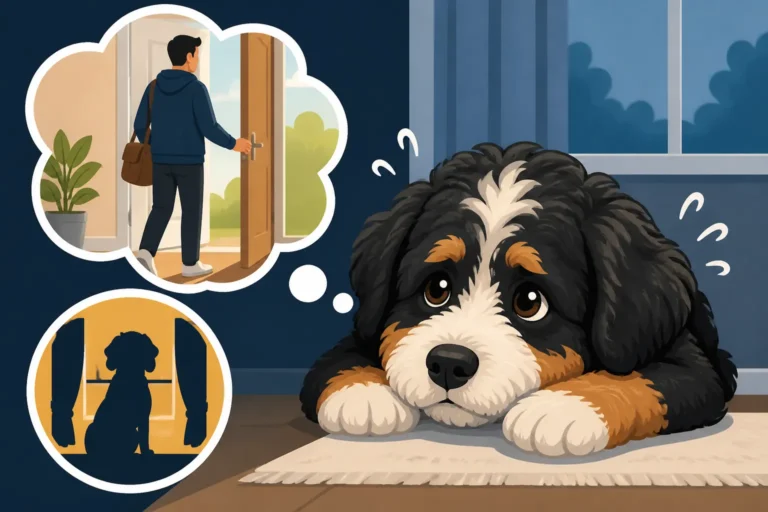
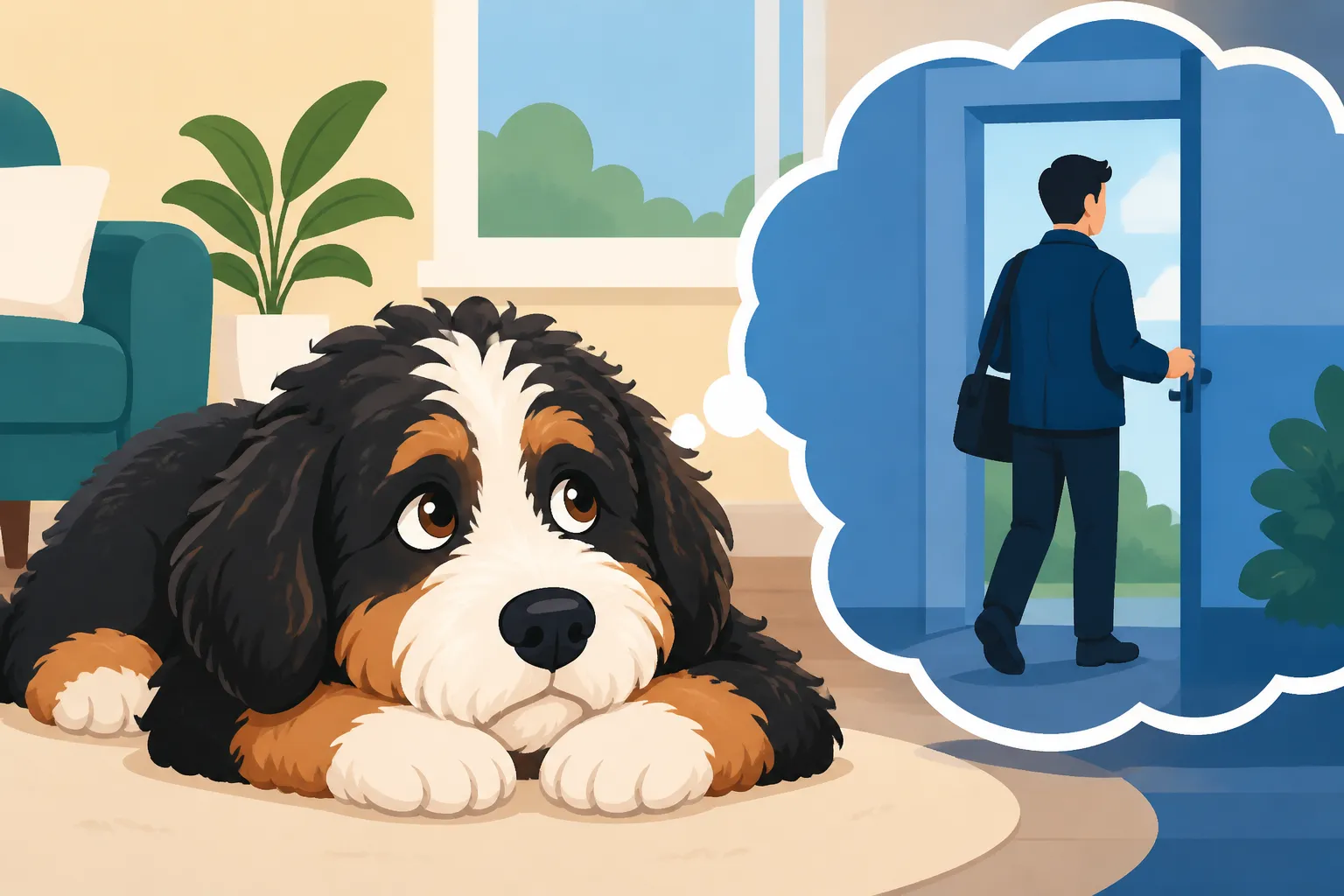
The dream of owning a Bernedoodle often comes with the reality of a busy work schedule, and one of the biggest heartaches for many owners is wondering if their beloved companion can truly cope with being left alone for a full workday. It’s a common, valid concern, and for good reason – these wonderful dogs thrive on companionship. This guide will dive deep into the challenges and practical solutions for managing your Bernedoodle's alone time, ensuring they remain happy and well-adjusted even when you're away.
Understanding Your Bernedoodle's Need for Companionship
Let's be honest: Bernedoodles are people-pleasers and notoriously social creatures. They're bred from two very companion-oriented breeds, and ignoring that fundamental need for interaction can lead to real problems. Understanding why they struggle with alone time is the first step in addressing it.
The Bernese Influence on Independence
The Bernese Mountain Dog, one half of your Bernedoodle's heritage, is famous for being a "Velcro dog." They love to be with their people, often following you from room to room, just wanting to be near. This isn't just a cute quirk; it's a deep-seated desire for connection and part of their original purpose as farm dogs who worked alongside their human families. When you combine this genetic predisposition for closeness with the reality of modern life, where many of us work outside the home, it creates a potential mismatch.
This Bernese trait means your Bernedoodle might naturally lean towards developing separation distress or anxiety if not properly prepared for alone time. They aren't just missing you a little; they can genuinely feel abandoned or anxious when their primary source of security and companionship disappears for an extended period. This isn't a flaw in their character, but a characteristic that requires thoughtful management from their human companions. It's crucial not to dismiss a Bernedoodle's clinginess as merely inconvenient, but rather as an indicator of their profound need for social interaction.
The Poodle's Social Nature
Then we have the Poodle side, which brings its own layer of complexity to alone time. Poodles are incredibly intelligent, sensitive, and highly social dogs. They thrive on mental stimulation and engagement. A bored Poodle is often a destructive Poodle, and when you combine that intelligence with the Bernese desire for company, you get a dog who not only misses you but also gets very, very bored. This boredom can quickly manifest as unwanted behaviors.
A Bernedoodle left without sufficient mental and physical enrichment before you leave, and nothing to occupy them while you're gone, is a ticking time bomb for mischief. They might start to self-soothe through destructive chewing, or bark incessantly, or even develop house-soiling habits out of stress. The Poodle's smarts mean they'll find ways to entertain themselves, but those ways are rarely what we want for our homes or our neighbors. It's not about them being "bad"; it's about them trying to fulfill an innate need for activity and companionship in the only ways they know how. Many owners wonder Whether a Bernedoodle Is Too Much Dog for a Novice, and managing their social needs is a big part of that.
The Realities of a Full Workday Away
Let's talk about the practical side of leaving a Bernedoodle for what often amounts to 8-10 hours, sometimes more. It's a long stretch for any dog, and particularly for one of their size and temperament. It's easy to underestimate the toll this can take.
How Long Is Too Long?
A standard workday, especially when you factor in commute time, can easily stretch to 9-10 hours away from home. For an adult dog, this is generally considered the absolute maximum, and for many, it’s far too long. Puppies, of course, can manage even less time. Consider that the average adult dog needs to relieve themselves every 6-8 hours, and for some, it's even more frequent. Expecting a large Bernedoodle to hold it for 10 hours is not only uncomfortable for them but can lead to accidents and undermine even the most diligent Getting a Bernedoodle Puppy Clean Indoors efforts.
Beyond the physical need to eliminate, there's the emotional and mental strain. Dogs are not solitary creatures. They thrive on routine, interaction, and a sense of belonging. An entire workday of isolation can lead to chronic stress, which can manifest in various health and behavioral issues over time. It’s not just about surviving; it's about thriving. A Bernedoodle that spends the majority of its waking hours alone is not leading a rich, fulfilling life, and that can impact their overall well-being. Think about The Exercise a Standard Bernedoodle Needs Daily – they need more than just a quick morning and evening outing.
The Boredom and Destructive Cycle
When a highly intelligent and energetic dog like a Bernedoodle is left alone for prolonged periods with nothing to do, boredom quickly sets in. And boredom, my friends, is the mother of all destruction. That beautiful couch? A giant chew toy. The freshly painted wall? A new digging project. The meticulously organized bookshelf? A treasure trove of shreddable paper. This isn't spite; it's a dog trying to cope. They're seeking stimulation, burning off pent-up energy, and self-soothing in the only ways they know how.
This destructive behavior isn't just frustrating for you; it's a clear sign of distress for your dog. It’s a vicious cycle: you come home to a mess, you're frustrated, and the dog senses your unhappiness, which can exacerbate their anxiety. It doesn't teach them anything, and it certainly doesn't help them learn to be calm when alone. Instead, it reinforces a negative association with your departure. Many owners find themselves asking What a Bernedoodle Wrecks When Left Alone after discovering the full extent of this problem.
Potty Training and Bladder Control
Even a perfectly house-trained Bernedoodle has physical limits to their bladder capacity. A general rule of thumb is that a puppy can hold it for about one hour per month of age, up to a maximum of 6-8 hours for an adult. Asking a dog, especially a large breed like a Standard Bernedoodle, to hold it for 8-10+ hours is simply unrealistic and unfair. It can lead to urinary tract infections, discomfort, and a breakdown in house-training habits that took weeks or months to establish.
Imagine needing to use the restroom desperately for hours on end, every single day. That's the reality for a dog left too long. They may try to hold it, causing discomfort, or they may simply have an accident. Neither outcome is good. It creates a stressful environment for the dog and a frustrating one for the owner. Consistency is key in potty training, and long stretches of unsupervised alone time severely undermine that consistency. This is especially critical during the early stages of a Bernedoodle's life, as they are still developing bladder control.
Strategies for Preparing Your Bernedoodle for Time Alone
The good news is that with thoughtful preparation and consistency, you can help your Bernedoodle learn to tolerate and even enjoy some alone time. It’s not about abandoning them; it’s about teaching them independence in a safe and supportive way.
Crate Training for Shorter Periods
Crate training is one of the most effective tools for teaching a Bernedoodle to be comfortable alone, especially during the puppy and adolescent phases. A properly introduced crate becomes a safe, den-like space where your dog can feel secure, not trapped. It’s their own little apartment. Start with very short periods, gradually increasing the time. Never use the crate as punishment, and always make it a positive experience with treats and praise. For a large Bernedoodle, you'll need a substantial crate, so consider size early.
The key is to build a positive association with the crate before you ever leave them alone for any significant period. Feed meals in the crate, give high-value chews only in the crate, and practice short stays while you're still home. This helps them understand that the crate isn't associated with your absence, but rather with good things and a safe place to relax. This foundational training can be invaluable in preventing anxiety later on. For more general guidance on puppy training, online resources like BAXTER & Bella can offer structured programs that include crate training techniques.
Building Up Alone Time Gradually
You wouldn't expect a toddler to manage a full day alone, and the same applies to your Bernedoodle. Building up alone time needs to be a slow, deliberate process. Start by leaving them for just a few minutes, perhaps while you step outside to get the mail, or just go to another room where they can't see you. Return calmly, without making a big fuss. Gradually increase these periods, varying the duration and the cues you give (or don't give) before leaving. The goal is for your departure to become a non-event.
Avoid dramatic goodbyes or overly enthusiastic hellos, as these can heighten their anxiety around your coming and going. Leave them with a safe, engaging chew toy or a puzzle feeder to distract them. A frozen Kong stuffed with peanut butter or plain yogurt can be a lifesaver, keeping them occupied for a good chunk of time. Remember, consistency is key. Err on the side of shorter, more frequent departures at first, ensuring success before moving on to longer durations.
Mental and Physical Pre-Stimulation
A tired Bernedoodle is a happy Bernedoodle, and a tired Bernedoodle is far more likely to settle calmly when left alone. Before you leave for the day, make sure your dog gets plenty of physical exercise and mental stimulation. This isn't just a quick walk around the block; it means a vigorous play session, a long sniffy walk, or a game of fetch in the park. For a young, energetic Bernedoodle, this could easily mean 45-60 minutes of solid activity.
Mental stimulation is just as important as physical. Engage their brains with puzzle toys, training sessions, or scent work. A short training session where they have to work for their breakfast, perhaps practicing commands like What a Bernedoodle Will Work For, can tire them out mentally. The goal is to drain their energy reserves – both physical and mental – so that when you leave, they're ready for a good nap, not ready to redecorate your living room. A well-exercised dog is much less likely to develop destructive habits out of boredom or anxiety.
Solutions for When You Must Be Away
Even with the best training, a full workday is a long time. For many Bernedoodle owners, supplementary solutions are not just helpful, but absolutely essential for their dog's well-being.
Dog Walkers and Drop-In Visits
If your workday is longer than 6-7 hours, or if you have a puppy or an older Bernedoodle with reduced bladder control, a dog walker or a trusted friend/neighbor making a drop-in visit is invaluable. A mid-day break for a potty trip, a stretch of the legs, and some human interaction can make all the difference. This breaks up the long stretch of alone time, prevents accidents, and provides much-needed social contact. Look for insured and bonded professional dog walkers in your area, or ask for recommendations from local pet stores or your veterinarian.
When considering a dog walker, ensure they are experienced with large breeds and understand the unique needs of a Bernedoodle. Discuss their routine, how long the visit lasts, and whether they offer individual walks or group outings. For an anxious Bernedoodle, a solo walk might be preferable. This option provides flexibility and allows your dog to stay in the comfort of their own home, which can be less stressful for some. It's an investment in your dog's happiness and your peace of mind. The Birthday a Standard Bernedoodle Counts as Senior often means they need more frequent breaks.
Doggy Daycare as an Option
For Bernedoodles who are social butterflies and thrive on interaction, doggy daycare can be a fantastic solution. Instead of being alone, they spend the day playing with other dogs and getting supervised human attention. This provides immense physical and mental stimulation, ensuring they come home tired and happy. Many daycares have separate play areas for different sizes and temperaments, which is ideal for a Bernedoodle who might be rambunctious with smaller dogs.
However, daycare isn't for every Bernedoodle. Some dogs find the constant stimulation overwhelming, or they might not enjoy the company of other dogs as much as they do humans. Always do a trial day, check references, and ensure the facility is clean, safe, and well-staffed. A good daycare will have trained professionals who can read dog body language and intervene if necessary. It can be a higher cost than a dog walker, but for the right dog, the benefits are immeasurable. This can be especially good if you have a young Bernedoodle who still has a lot of energy to burn.
Enriching the Home Environment
Even with a mid-day visit or daycare, the hours your Bernedoodle is alone need to be made as positive and enriching as possible. This means more than just a bowl of kibble. Invest in a variety of puzzle toys, treat-dispensing toys, and long-lasting chews. Rotate these items daily or weekly to keep them novel and exciting. Brands available on platforms like Amazon offer a wide array of options, from snuffle mats to interactive feeders, that can keep a Bernedoodle's intelligent mind engaged.
Consider setting up a "safe space" with their comfy bed, favorite toys, and perhaps a radio or TV left on low to provide some background noise. Some dogs benefit from calming pheromone diffusers. You might also want to install a pet camera so you can check in on them and even talk to them remotely. This not only offers peace of mind but allows you to observe their behavior and adjust your strategies. For deeper behavioral issues like separation anxiety, you might consider online training resources like BAXTER & Bella to learn specific counter-conditioning and desensitization techniques. This proactive approach can make a significant difference in their ability to cope.
Here's a comparison of common solutions for leaving your Bernedoodle for a workday:
| Solution | Pros | Cons | Ideal For |
|---|---|---|---|
| Dog Walker / Drop-in | One-on-one attention, potty break, exercise, stays at home. | Can be costly daily, finding a reliable one, less socialization. | Dogs who prefer individual attention, those needing a mid-day break, puppies. |
| Doggy Daycare | High socialization, extensive exercise, constant supervision. | Can be overwhelming, potential for illness/injuries, daily cost. | Highly social Bernedoodles, those with high energy, owners seeking structured play. |
| Enrichment at Home | Affordable, comfortable environment, fosters independence. | Requires significant pre-departure exercise/mental stimulation. | For shorter absences, supplementing other options, or teaching calm alone time. |
| Working from Home | Constant companionship, flexible potty breaks. | Not feasible for all jobs, dog may still demand attention. | Owners with remote work flexibility, dogs with high separation anxiety. |
Disclaimer
This article is for general informational purposes only and does not constitute professional advice. Laws, prices and regulations vary by location and change over time. Consult a qualified professional for guidance on your specific situation.