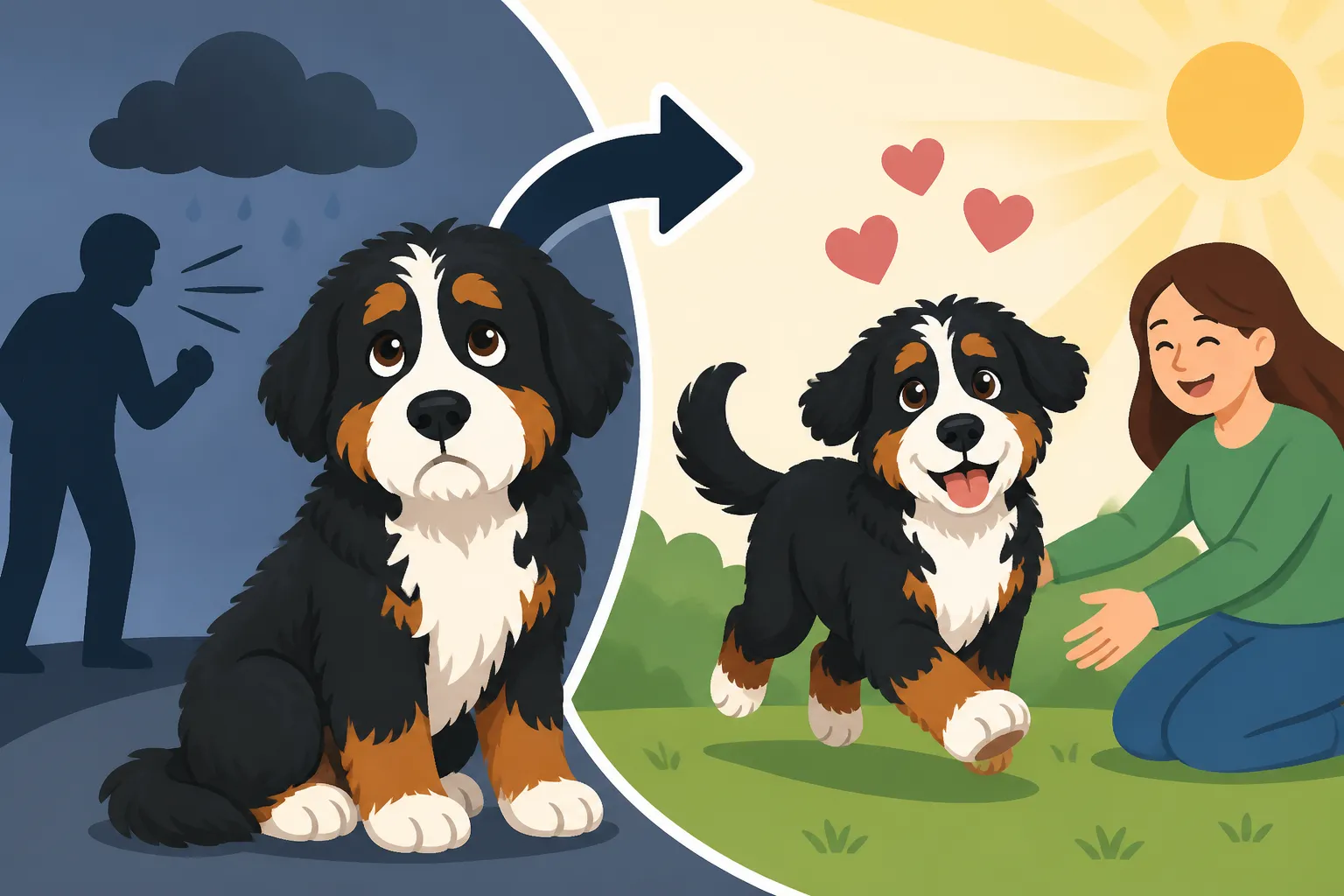
Whether a Bernedoodle Recovers From a Bad Experience
It’s heartbreaking to see your usually happy-go-lucky Bernedoodle suddenly withdrawn, fearful, or acting out after a frightening or negative experience. Whether it was a run-in with an aggressive dog at the park, a particularly traumatic vet visit, or perhaps even a past trauma from before they joined your family, the big question that looms is: can they truly recover? This guide aims to tackle that very real concern, exploring how Bernedoodles process difficult events and, more importantly, how we as their dedicated companions can help them heal and regain their confidence.
Understanding the Bernedoodle Temperament and Sensitivity
Bernedoodles are known for their charming personalities – often a blend of the Bernese Mountain Dog's sweet, affectionate nature and the Poodle's intelligence and sometimes goofy exuberance. However, beneath that fluffy exterior lies a complex emotional landscape, and understanding it is key to helping them through tough times.
The Bernese Influence on Emotional Resilience
The Bernese Mountain Dog side of your Bernedoodle's ancestry brings with it a generally gentle and sensitive disposition. Bernese are incredibly devoted to their families and thrive on companionship. This means they are also very attuned to the emotions of their people and their environment. A Bernedoodle with a strong Bernese influence might be more prone to taking things to heart, whether it's a harsh word, a loud noise, or an unexpected change in routine. They can be quite sensitive souls, eager to please and easily disheartened if they feel they've done something wrong or if their world feels unstable. This inherent sensitivity, while making them wonderful, empathetic companions, can also mean that negative experiences leave a deeper, more lasting impression. It's not uncommon for a Bernedoodle to react with caution or even shyness after a startling event, requiring extra patience and reassurance from their owners to bounce back. The Shyness a Bernedoodle Gets From the Bernese is a prime example of this inherited trait.
The Poodle's Intelligence and Potential for Anxiety
Then there's the Poodle influence, which brings undeniable intelligence and an eagerness to learn. Poodles are smart, quick-witted, and often very observant. While this intelligence makes Bernedoodles highly trainable and engaging, it can also be a double-edged sword when it comes to processing negative events. A smart dog isn't just reacting; they might be thinking about what happened, anticipating future occurrences, and even dwelling on the experience. This cognitive aspect can sometimes manifest as anxiety or hyper-vigilance after a bad experience. They might start to generalize a negative encounter – for instance, if they had a bad experience with a particular type of dog, they might start showing fear towards all dogs, or if a specific sound scared them, they might become sensitive to similar sounds. Their intelligence means they learn quickly, but sometimes they learn the wrong lessons about perceived dangers, making recovery a more nuanced process.
Types of Bad Experiences and Their Impact
Bad experiences aren't all created equal, and understanding the nature of the trauma can help you tailor your approach to recovery. From sudden, acute events to prolonged stressful situations, each can leave its unique mark on a Bernedoodle.
Single Traumatic Events
Imagine your Bernedoodle, happy-go-lucky on a walk, suddenly startled by a backfiring car right beside them. Or perhaps a new dog at the park, without warning, lunges aggressively, even if no physical harm is done. These are single traumatic events – sudden, intense, and often unexpected. The impact can be immediate: your Bernedoodle might cower, try to flee, or even freeze. In the aftermath, they might develop specific fears or phobias. The car backfire could lead to a fear of loud noises or even avoiding that particular street. The dog park incident might make them wary of other dogs, causing them to [React to Other Dogs on Leash]. These events can create strong negative associations with the trigger, and a Bernedoodle's usually cheerful demeanor might be replaced by hesitation, scanning their environment nervously, or even outright panic when exposed to a similar stimulus. Recovery here often involves carefully desensitizing them to the specific trigger and building new, positive associations.
Chronic Negative Environments
Unfortunately, some Bernedoodles come from situations that involve prolonged negative experiences. This could be anything from neglect, where their basic needs for attention, comfort, and security weren't consistently met, to harsh or inconsistent training methods that relied on fear or punishment. A Bernedoodle in such an environment learns that the world is an unpredictable or threatening place. They might develop a general sense of anxiety, have trouble trusting people, or become withdrawn and shut down. Unlike single traumatic events, where a specific trigger can be identified, chronic negative environments can lead to more pervasive behavioral issues. These dogs might struggle with Whether a Bernedoodle Recovers From a Bad Experience across various situations, often lacking a strong foundation of trust and security. Their recovery is typically a longer journey, focusing on establishing a stable, loving routine, consistent positive reinforcement, and rebuilding their capacity to form secure attachments. This can be especially true for rescue Bernedoodles, who might arrive with an unknown past.
Early Puppyhood Experiences
The period from birth to about 16 weeks is incredibly formative for a puppy, often referred to as the critical socialization window. During this time, puppies are learning about the world and what's safe or scary. A bad experience during these crucial months can have a profound and lasting impact. For example, if a Bernedoodle puppy is introduced to other dogs too early and has a series of frightening encounters before they've developed bite inhibition or social skills, they might grow into an adult dog who is fearful or reactive towards other canines. Similarly, a lack of exposure to various sights, sounds, and people during this window can lead to a timid or fearful adult who is [Startled by Noise] or new situations. It's not about overwhelming them, but about carefully orchestrated positive exposure. These early experiences shape their entire perception of the world, making intentional, positive socialization during this stage incredibly important. If a Bernedoodle missed out on this or had negative experiences, addressing those foundational fears is paramount for their long-term well-being.
Strategies for Helping a Bernedoodle Recover
Helping a Bernedoodle recover from a bad experience is a marathon, not a sprint. It requires immense patience, understanding, and a structured approach. The good news is that Bernedoodles, with their intelligence and desire to please, are often highly responsive to these efforts.
Creating a Safe and Predictable Environment
The first, and perhaps most critical, step in any recovery journey is establishing a sense of safety and predictability. A Bernedoodle who has experienced trauma needs to feel secure in their home and with their family. This means providing a consistent routine for feeding, walks, potty breaks, and playtime. Predictability reduces anxiety because they know what to expect. Think about setting up a cozy, quiet retreat space for them, like a crate with a soft bed and a favorite chew toy, where they can go to feel safe and undisturbed. Consistency also applies to your own behavior – maintaining a calm, reassuring demeanor, even when they're struggling, helps them feel secure. Avoid sudden loud noises or unexpected movements that might trigger their anxiety. For Bernedoodles who may struggle with separation anxiety after a traumatic event, a cozy crate or a safe space while you're away, perhaps with a camera to monitor them, can be invaluable. Products found on Amazon can help create such a calming environment, from diffusers to specific bedding.
Positive Reinforcement and Counter-Conditioning
Once your Bernedoodle feels safe, you can begin the process of rebuilding positive associations through positive reinforcement and counter-conditioning. This means pairing the previously frightening stimulus with something highly enjoyable for your dog. For example, if your Bernedoodle is afraid of the sound of the doorbell, you might start by playing a very low-volume recording of a doorbell sound while giving them their absolute favorite, high-value treat. The moment the sound stops, the treats stop. Gradually, you increase the volume, always staying below the point where your dog shows fear, and always pairing it with delicious rewards.
The goal is to change their emotional response from fear to anticipation of something good. For a Bernedoodle with fear of other dogs, you might start by simply being in the vicinity of another calm dog (at a distance where your Bernedoodle isn't reacting) and showering your Bernedoodle with treats and praise. Slowly, over many sessions, you'd decrease the distance. This isn't about forcing them to "get over it," but about gently shifting their perception. Training programs, like those offered by BAXTER & Bella, often emphasize these gentle, positive techniques that are perfect for sensitive dogs like Bernedoodles, helping them to Build a Recall on a Bernedoodle or overcome fears in a supportive way.
Seeking Professional Guidance
There are times when a bad experience has left such deep scars that your Bernedoodle's recovery journey requires more than just your loving efforts. This is where professional help comes in. A certified professional dog trainer, especially one specializing in fear and aggression, or a veterinary behaviorist, can be an invaluable resource. They can assess the specific nuances of your Bernedoodle's behavior, identify underlying anxieties, and develop a tailored behavior modification plan. They have the expertise to recognize subtle signs of stress you might miss and can guide you through complex protocols like systematic desensitization and counter-conditioning more effectively. Sometimes, a veterinary behaviorist might even recommend medication as a temporary aid to help reduce your Bernedoodle's anxiety enough for the behavioral training to be effective. Don't view seeking professional help as a failure; it's an act of deep commitment to your Bernedoodle's well-being and often the fastest path to meaningful recovery. Early intervention can make a huge difference in how a Bernedoodle recovers. Whether a Shy Bernedoodle Can Be Fixed is often a question best answered with professional insight.
The Role of Owner Patience and Consistency
When you're trying to help your Bernedoodle recover from a tough experience, your role is absolutely paramount. It's not just about the techniques you use, but the unwavering commitment and emotional support you provide.
Gradual Exposure and Desensitization
Helping your Bernedoodle work through their fears isn't about "tough love" or throwing them into situations they find overwhelming. That approach often backfires, reinforcing their fear instead of alleviating it. The key is gradual exposure and desensitization. This means exposing them to the trigger of their fear at such a low intensity that they barely notice it, or at least aren't reacting negatively. For example, if your Bernedoodle is now terrified of car rides after a really scary trip to the vet, you wouldn't just force them into the car and drive around. Instead, you might start by simply walking past the car, then sitting near it, then getting into it with the engine off, then turning the engine on while stationary – all while showering them with treats and praise for remaining calm.
Each step must be small enough that your Bernedoodle remains comfortable and below their "threshold" for fear. If they start to show signs of stress (lip licking, yawning, tail tucked, trying to escape), you've gone too far, too fast, and need to take a step back. This process takes incredible patience and often feels agonizingly slow, but it's the most effective and humane way to help them truly recover and build lasting confidence. Remember, the goal is to make positive associations, and that can only happen when they feel safe. This is especially important if you are trying to overcome A Bernedoodle That Backs Away From Strangers or other specific phobias.
Managing Your Own Emotions
Our dogs are masters at reading our emotions. If you're stressed, anxious, or frustrated during a training session, your Bernedoodle will pick up on that. This can inadvertently reinforce their own fears, as they might associate your tension with the very thing you're trying to help them overcome. It’s a tough ask, especially when you're deeply concerned about your beloved companion, but maintaining a calm, confident, and positive attitude is crucial. Speak in a gentle, reassuring tone. Celebrate every tiny step forward with genuine enthusiasm.
If you find yourself becoming stressed or impatient, it’s always better to end the session on a positive note, even if it’s just for that day, and take a break. Your mental state directly influences your Bernedoodle's ability to relax and learn. Consider your body language too: a tense posture or tight grip on the leash can communicate anxiety. Practice deep breaths, visualize success, and remember that you are your Bernedoodle's anchor in a scary world. Your calm presence is one of the most powerful tools in their recovery toolkit. Being aware of your own feelings can make a world of difference when working with A Bernedoodle That Panics at the Dryer or other common grooming anxieties.
Here's a quick overview of recovery strategies:
| Strategy | Description | Key Focus | Ideal for |
|---|---|---|---|
| Safe & Predictable Environment | Establishing consistent routines, providing a secure personal space, maintaining a calm home. | Security, minimizing unexpected stressors. | Any Bernedoodle recovering from trauma. |
| Positive Reinforcement | Rewarding desired behaviors and calm responses with high-value treats, praise, or toys. | Building positive associations, increasing confidence. | Overcoming fear, building new skills, general training. |
| Counter-Conditioning | Pairing a feared stimulus with something highly positive to change emotional response. | Changing a negative emotional reaction to a positive one. | Specific fears (e.g., loud noises, other dogs, vet visits). |
| Desensitization | Gradual, controlled exposure to a feared stimulus, starting at a very low intensity. | Reducing sensitivity to a trigger over time. | Phobias, reactivity, environmental fears. |
| Professional Guidance | Consulting certified dog trainers or veterinary behaviorists for tailored plans and expert support. | Expert assessment, customized strategies, medication if needed. | Severe anxiety, aggression, complex behavioral issues. |
| Owner Patience & Consistency | Maintaining a calm demeanor, consistent application of techniques, celebrating small wins, managing stress. | Trust-building, emotional support, long-term success. | Essential for all recovery processes. |
Yes, a Bernedoodle can absolutely recover from a bad experience. It might be a challenging, lengthy process, demanding significant time, energy, and emotional investment from you. But with a deep understanding of their sensitive nature, a commitment to creating a safe and predictable world for them, and the consistent application of positive, humane training methods – perhaps with the guidance of a professional – your Bernedoodle can learn to trust again, overcome their fears, and return to being the joyful, affectionate companion you know and love. The journey of helping a dog heal strengthens the bond you share, making every step of their recovery a testament to your love and dedication.
Disclaimer
This article is for general informational purposes only and does not constitute professional advice. Laws, prices and regulations vary by location and change over time. Consult a qualified professional for guidance on your specific situation.