Bathing and Drying a Ninety Pound Bernedoodle
Bathing a ninety-pound Bernedoodle can feel less like a relaxing spa day and more like wrestling a giant, fluffy, and very wet bear in your bathroom. Many owners find themselves exhausted, soaked, and with a still-damp dog that’s shedding water everywhere. This comprehensive guide will walk you through the entire process, from prepping your space to achieving a truly dry, tangle-free coat, helping you turn this daunting chore into a manageable routine.
Preparing for the Big Wash
Before you even think about turning on the tap, a solid preparation strategy is your best friend when it comes to bathing a large Bernedoodle. Rushing into it without the right tools and a game plan can lead to a messy, frustrating experience for both you and your furry companion. Think of it as setting the stage for a successful performance, where the star of the show (your Bernedoodle!) might prefer to be anywhere else.
Choosing the Right Bathing Location
For a big dog like a Bernedoodle, your tiny guest bathroom sink simply isn't going to cut it. You need space, and ideally, a setup that minimizes strain on your back and offers good drainage. A walk-in shower with a handheld sprayer is often ideal, as it allows your dog to stand comfortably while you move around them. Some owners even use a dedicated utility sink if it's large enough, or, weather permitting, an outdoor setup with a hose and warm water supply can be fantastic. The key is to find a spot where your Bernedoodle can stand securely on a non-slip mat, preventing slips and tumbles that could scare them or cause injury. Imagine trying to wash a ninety-pound wiggling dog on a slick surface – it’s a recipe for disaster! Ensure the space is warm, especially if you're bathing indoors, as a wet dog can get cold quickly.
Gathering Your Essential Bathing Arsenal
You wouldn't start a baking project without all your ingredients, and bathing your Bernedoodle is no different. Having everything within arm's reach before your dog even steps into the bath is crucial. This includes dog-specific shampoo and conditioner – never use human products, as they can irritate your dog's skin and strip their natural oils. Look for formulas designed for sensitive skin or long coats. You'll also need a high-quality rubber curry brush or a good slicker brush for working the shampoo through the coat, plenty of absorbent towels, and a special dog-safe ear cleaner. Don't forget treats for positive reinforcement! For sourcing these, you can often find a great selection of high-quality grooming products and tools on Chewy or Amazon, allowing you to compare ingredients and read reviews from other large dog owners.
Pre-Bath Grooming: The Absolute Must-Do
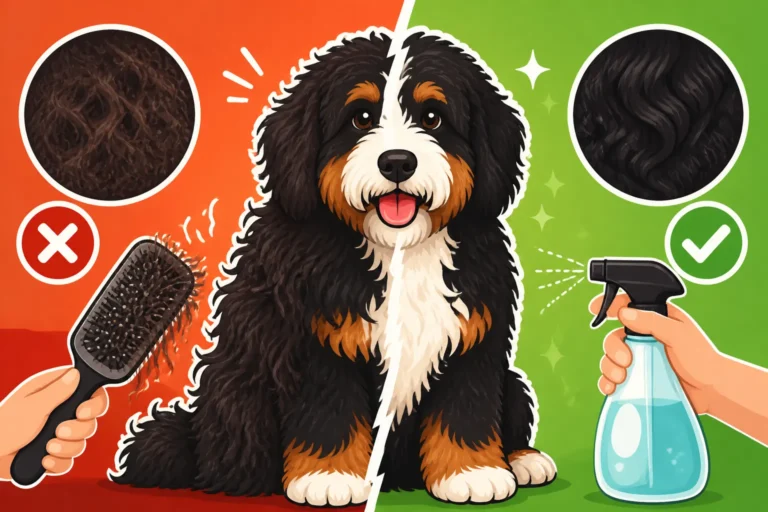
This step is arguably the most critical and often overlooked, especially for a Bernedoodle with its dense, often wavy coat. Before a single drop of water touches your dog, you must thoroughly brush and de-mat their entire coat. Water will tighten and worsen any existing mats, turning small tangles into impenetrable felted areas that can only be removed by shaving. Use a good quality slicker brush and a metal comb to work through every inch of their fur, paying close attention to common matting spots like behind the ears, armpits, britches, and tail. Imagine trying to brush out a wet mat – it's impossible and painful for your dog. If you encounter any significant mats, it’s best to try and carefully work them out with a detangling spray and comb while the coat is dry, or consider a professional groomer if they're too severe. This pre-bath brush-out is also a great time to trim nails and do a quick check for any lumps or bumps under The Volume of Coat a Bernedoodle Owner Brushes Weekly.
The Bathing Process: Getting Down to Business
With your Bernedoodle thoroughly brushed and your supplies ready, it's time for the main event. Approaching the actual washing with patience and a clear plan will make the experience smoother for both of you. Remember, a ninety-pound dog can be a formidable opponent if they decide they don't want to cooperate, so staying calm and in control is paramount.
The Wetting Stage: Thoroughly Soaking That Thick Coat
The Bernedoodle's dense double coat means that just a quick spray won't cut it. You need to saturate the fur right down to the skin. This can take several minutes, especially if your dog has a water-repellent outer layer. Use warm water – not hot, not cold – and a handheld sprayer, if possible, to really get under the coat. Start from the neck and work your way down, making sure to avoid spraying directly into their ears or eyes. Many dogs dislike having water on their face, so consider using a damp washcloth for their head and muzzle area. This gradual approach helps them adjust to the sensation and prevents them from panicking. Imagine trying to rinse shampoo out of a coat that's only wet on the surface; it just won't work.
Shampoo Application: Working It Down to the Skin
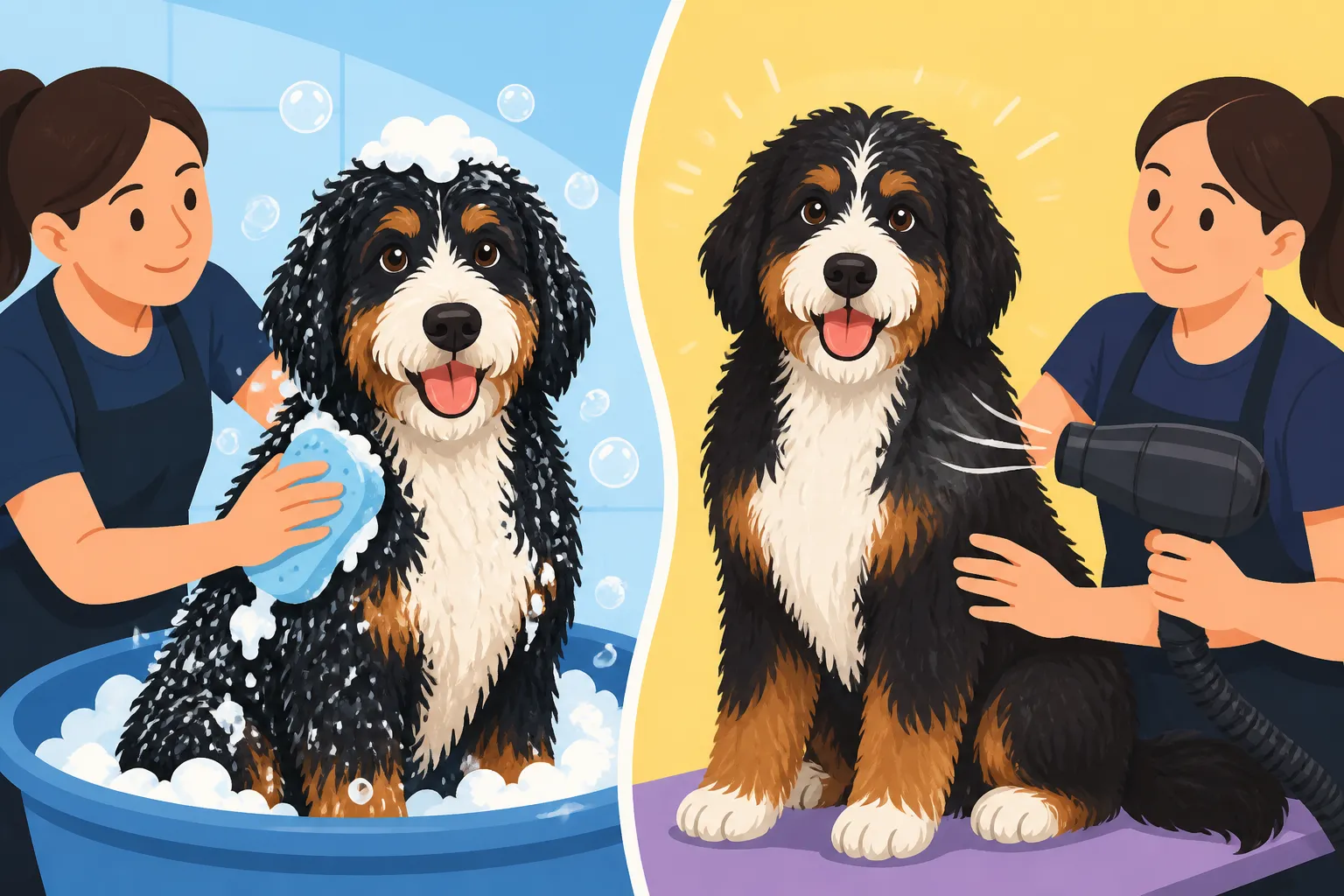
Once your Bernedoodle is thoroughly soaked, it's time for the shampoo. Dilute your dog shampoo according to the product's instructions; this helps it spread more easily and rinse out more completely, which is vital for a thick-coated breed. Apply the shampoo in sections, starting from the neck and working your way down the back, sides, legs, and tail. Use your fingers or a rubber curry brush to gently but firmly massage the shampoo through the coat, making sure it reaches the skin. Don't forget their belly and paws! This massage isn't just for cleaning; it also stimulates circulation and helps loosen any dead skin or hair. As you work, keep an eye out for any missed spots or areas where mats might be trying to form even after your pre-bath brush-out. For specific tools that make this easier, consider checking out The Brushes a Bernedoodle Owner Actually Needs – some slickers and rakes are also great for working shampoo through.
Dealing with Dirt and Stains
Bernedoodles, with their often lighter markings or white "points" on a tri-color coat, can pick up quite a bit of dirt and develop unsightly stains, especially on their legs, paws, and around their mouth. For extra dirty areas, you might need a second application of shampoo, or a dedicated whitening/brightening shampoo if your dog's coat color allows. For stubborn stains, like those around the mouth from food or water, you can gently use a dog-specific facial scrub or tear stain remover, ensuring you follow the product instructions carefully and avoid getting it in their eyes. Always rinse these specialized products thoroughly, as residue can cause irritation. Remember, their magnificent coats are magnets for mud, so don't be surprised if you spend a little extra time scrubbing those lower extremities after a particularly adventurous romp in the park.
Rinsing Thoroughly: The Often-Underestimated Step
If you think getting the shampoo in is hard, wait until you realize how much effort it takes to get it all out of a ninety-pound Bernedoodle. Incomplete rinsing is a common mistake and can lead to a host of problems, from skin irritation and itching to dull, sticky coats that mat even faster. This step truly cannot be rushed.
The Importance of Complete Rinsing
Residual shampoo acts as an irritant on your dog's skin, potentially causing dryness, flakiness, and incessant itching. It can also leave the coat feeling heavy, greasy, or sticky, attracting dirt and leading to matting far more quickly than a clean, properly rinsed coat. Imagine trying to sleep with shampoo still in your hair – it’s just plain uncomfortable! For a Bernedoodle, with its dense undercoat and typically thick outer layer, rinsing needs to be meticulous. You should continue rinsing long after you think all the suds are gone, until the water running off your dog's coat is completely clear and their fur feels "squeaky" clean, not slick.
Technique for Heavy Coats
To effectively rinse a heavy-coated Bernedoodle, a high-pressure, hand-held shower sprayer is invaluable. Start at the top of their back and work your way down, section by section. Use your fingers to separate the fur and direct the water stream right down to the skin. Lift limbs, spread their britches, and get underneath their chest and belly. Don't forget their armpits and the areas behind their ears, which are often missed and can harbor shampoo residue, leading to irritation and matting. Run your hands over their coat to feel for any lingering slickness, which indicates un-rinsed shampoo. Repeat this process for several minutes, paying extra attention to all the nooks and crannies. This is also where a good quality dog conditioner comes in handy; after thorough rinsing, apply conditioner to help restore moisture to the coat and make future brushing easier. Ensure you rinse the conditioner out completely as well, though it's typically designed to be less irritating than shampoo if a tiny bit remains.
The Drying Gauntlet: From Sopping Wet to Fluffy Dry
Once your Bernedoodle is thoroughly rinsed, the battle is only half won. Drying a ninety-pound dog, especially one with a Poodle-blend coat, is an art form in itself. Inadequate drying is a major contributor to matting and skin issues, making this stage as crucial as the bath itself.
Towel Drying for the First Pass
Immediately after rinsing, your Bernedoodle will be a dripping wet behemoth. The first step is to remove as much excess water as possible with towels. Don't just rub vigorously – this can tangle the coat and encourage matting. Instead, gently squeeze and blot the water out of the fur. Use several large, super-absorbent towels, pressing them firmly against the coat to soak up the moisture. You might go through two or three towels just to get to the damp stage! Many owners will allow their dog to have a good "shake" outside (if possible and contained) after this first towel-off, as it can remove a surprising amount of water. Just be ready for the resulting spray! For excellent towel absorption, search for high-quality microfiber pet towels on Amazon.
The Power of the Force Dryer
For a Bernedoodle, a high-velocity force dryer (also known as a "blower" or "blaster") isn't a luxury; it's a necessity. These powerful machines literally "force" water off the coat with air, drastically cutting drying time and helping to straighten the hair, which prevents matting. If you rely solely on air drying or even human hair dryers, you'll be dealing with damp fur for hours, risking skin problems and severe matting.
Start on a lower setting to acclimate your dog to the noise and sensation, and always keep the nozzle moving. Never point the dryer directly at their eyes or ears. Work in sections, using a slicker brush simultaneously to brush the coat out as it dries. This technique is called "line drying" or "fluff drying" and is essential for achieving a smooth, tangle-free finish. You'll be amazed at how much faster and more effectively a force dryer works compared to anything else. The sound can be intimidating for some dogs, so introduce it gradually and offer lots of praise and treats. A well-rated, quiet force dryer can be found on Chewy and is an investment that will pay for itself in time and saved grooming bills. For a deeper dive into this vital tool, check out Whether a Force Dryer Is Worth Buying for a Bernedoodle.
Air Drying Considerations
While a force dryer is highly recommended, sometimes full force drying isn't possible or practical for every single wash, especially quick rinse-offs after a muddy adventure. If you must air dry, understand the risks. An air-dried Bernedoodle will inevitably mat more readily, and their coat will take hours to dry completely – think half a day or more for a truly dense coat. If you choose to air dry, you must commit to brushing your dog every 30-60 minutes as they dry, using a slicker brush and metal comb to ensure no mats form. This process can be incredibly labor-intensive. Never leave a Bernedoodle to air dry completely without diligent brushing throughout the process. In humid climates, air drying becomes even more challenging. For a comprehensive look at the time commitment, read How Long a Bernedoodle Takes to Dry Through.
After the Bath: Finishing Touches and Maintenance
You’ve done it! Your Bernedoodle is clean, fluffy, and smells fantastic. But the job isn’t quite over. A few final steps ensure their comfort, health, and prolong the benefits of your hard work. This is also a great time to reinforce positive associations with grooming.
Post-Bath Brushing and Finishing
Once your Bernedoodle is completely dry (and we mean completely – feel all the way down to the skin), give them one final, thorough brush-through with a slicker brush and metal comb. This ensures there are no missed tangles and distributes any natural oils or conditioner remaining in their coat, leaving it soft and shiny. This is also the stage where you can perform any touch-up trimming, like tidying up their paws or face. Pay particular attention to sensitive areas where mats might try to hide, like under the ears or in the armpits. A well-dried and brushed Bernedoodle should feel soft and airy, not clumpy or damp. You don't want to find yourself dealing with Mats in a Bernedoodle's Armpits and Britches a day later because of incomplete drying.
Ear Care and Eye Wipes
With all that water involved, your Bernedoodle's drop ears can be a prime environment for moisture to get trapped, leading to ear infections. After their bath, always clean and thoroughly dry the inside of their ear flaps. You can use a dog-specific ear cleaner, applying it to a cotton ball and gently wiping the visible parts of the ear canal. Never insert cotton swabs deep into the ear, as this can push debris further in or damage the eardrum. For their eyes, use a damp cloth or a dog-safe eye wipe to gently clean away any shampoo residue or dirt. This helps keep their vision clear and prevents irritation. If you see persistent redness or discharge, it's always best to consult your vet. Keeping a Bernedoodle's face clean is important for their comfort and overall hygiene, especially for avoiding issues like Keeping a Bernedoodle's Face Out of Its Eyes.
Rewarding Good Behavior and Future Maintenance
A successful bath deserves a celebration! Generously reward your Bernedoodle with their favorite treats, cuddles, and praise. This positive reinforcement helps them associate bathing with good things, making future sessions less stressful. Consider a high-value treat like those from Ollie, which are often very motivating.
Remember that bathing is just one part of their overall grooming needs. Depending on their coat type and lifestyle, your Bernedoodle will still need regular brushing in between baths, ideally every day or every other day, to prevent matting. The frequency of full baths will vary too; some Bernedoodles might need a bath every 3-4 weeks, while others can go longer if they stay relatively clean and are brushed meticulously. This regular maintenance is key to their comfort and the health of their skin and coat. For a rough guideline, consider How Often a Ninety Pound Bernedoodle Can Be Bathed.
Common Bathing Challenges and Solutions
Bathing a large, fluffy dog like a Bernedoodle isn't always smooth sailing. You're bound to encounter a few hurdles, especially if your dog isn't particularly fond of water or the grooming process. Anticipating these challenges and having strategies ready can save you a lot of stress.
The Reluctant Bather: Making it Positive
Some Bernedoodles just aren't fans of bath time. Maybe the noise of the water startles them, or they dislike the sensation of being wet. The key here is patience and positive association. Start slowly. Introduce the bathing area without water, offering treats and praise. Let them investigate the tub or shower. Then, gradually introduce warm water at a low flow, again with treats. Lick mats smeared with peanut butter (xylitol-free!) stuck to the shower wall can be a fantastic distraction, keeping them occupied while you wash. Never force your dog into the bath, as this can create a negative experience that will make future baths even harder. A calm, reassuring tone from you goes a long way. If they're particularly anxious, very short bath sessions might be necessary at first, gradually increasing the duration as they get more comfortable.
Tangles and Mats: Prevention is Key
As we've stressed, mats are the bane of the Bernedoodle owner's existence. They are painful, can cause skin infections, and lead to expensive trips to the groomer for a full shave-down. The absolute best way to deal with mats is to prevent them through daily or every-other-day line brushing, especially in high-friction areas. If you do find a mat, work it out carefully before the bath with a detangling spray and a metal comb, separating the mat from the skin with your fingers. Never cut a mat out with scissors unless you are absolutely sure of what you are doing, as it's incredibly easy to cut skin underneath the mat. If a mat is too large or too close to the skin, a professional groomer is the safest option. Trying to bathe a matted dog is a lost cause and will only worsen the situation. For more insights on matting, check out Whether a Matted Bernedoodle Is Painful to Handle.
Managing the Size: Ergonomics for You
Let's be real: trying to lift and maneuver a ninety-pound dog can be tough on your back and joints. If you find yourself struggling, invest in tools that make the process easier. A grooming table with a non-slip surface and a grooming arm can be a game-changer for drying and finishing, saving your back from bending over. If bathing in a regular tub, a sturdy step stool can help you reach down more comfortably. A long-handled scrubbing brush can also reduce strain. Consider where you perform the bath – an elevated tub or a walk-in shower might be more ergonomic than bending over a standard bathtub. Remember, taking care of yourself means you can better take care of your Bernedoodle.
The Bernedoodle Bathing Schedule
Determining how often to bathe your Bernedoodle isn't a one-size-fits-all answer. It depends on several factors, including their coat type, lifestyle, and any skin sensitivities they might have. Establishing a routine that works for both of you is crucial for their health and comfort.
How Often is Too Often or Not Enough?
Generally, a Bernedoodle with a typical wavy or curly coat benefits from a full bath every 4-8 weeks. This frequency helps keep their coat clean, free of debris, and manageable for brushing, without stripping essential oils from their skin. However, if your Bernedoodle loves to roll in mud, swim frequently, or has a particularly oily coat, they might need baths more often, perhaps every 2-3 weeks. Conversely, if your dog spends most of their time indoors and has a relatively clean coat, you might be able to stretch it to every 8-10 weeks. The key is balance: you want them clean, but not so clean that their skin becomes dry and irritated. If you notice persistent itching or a dull coat, it might be a sign that your bathing frequency needs adjustment or that the products you're using aren't suitable.
| Factor | Recommended Bathing Frequency | Considerations |
|---|---|---|
| Typical Wavy/Curly Coat | Every 4-8 weeks | Standard recommendation, balances cleanliness with skin health. |
| High Activity/Outdoor Dog | Every 2-4 weeks | More exposure to dirt, mud, and allergens. |
| Sensitive Skin/Allergies | Every 2-4 weeks (with vet-prescribed shampoo) | May require more frequent baths with specific medicated shampoos. |
| Infrequent Activity/Indoor Dog | Every 6-10 weeks | Less exposure to environmental factors, less frequent matting. |
| Matted Coat (prevention) | Frequent (with diligent brushing) | Regular baths after thorough de-matting can help maintain coat, but prevention is key. |
Adapting to Coat Type and Lifestyle
Not all Bernedoodle coats are created equal! A very curly "Poodle-like" coat might hold dirt more easily and be more prone to matting, potentially requiring more frequent bathing and even more diligent drying. A straighter, "Bernese-like" coat, while shedding more, might be easier to rinse and dry. Your dog's lifestyle also plays a huge role. A Bernedoodle that spends its days hiking through trails and swimming in lakes will inevitably need more frequent baths than one whose main adventure is a stroll around the block. Listen to your dog's body and observe their coat. If it starts to feel greasy, smell unpleasant, or show signs of matting despite regular brushing, it's probably time for a bath. Remember, the goal is to keep them healthy and happy.
This article is for general informational purposes only and does not constitute professional advice. Laws, prices and regulations vary by location and change over time. Consult a qualified professional for guidance on your specific situation.