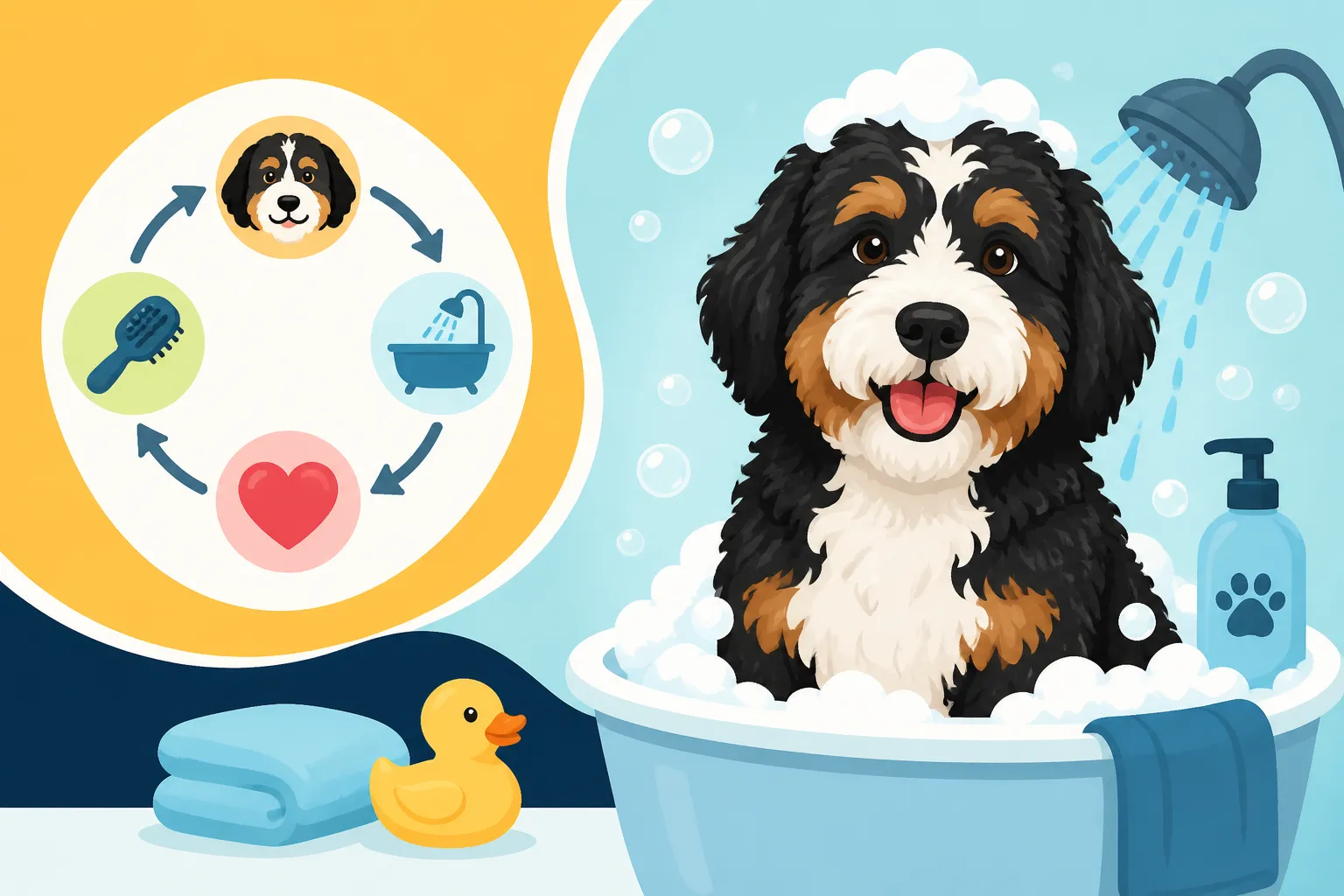
How Often a Ninety Pound Bernedoodle Can Be Bathed
It's a common dilemma for us Bernedoodle parents: how often should we actually bathe our fluffy, ninety-pound companions? You look at that majestic, often curly or wavy coat, and you know it's a magnet for dirt, leaves, and whatever mystery goo they rolled in at the park. But then you hear warnings about over-bathing, stripping natural oils, and causing skin problems, leaving you feeling stuck between a dirty dog and a dermatology bill. This guide is here to untangle that knot, offering practical, realistic advice on establishing a bathing routine that keeps your large Bernedoodle clean, healthy, and happy without turning bath time into a battle or an endless chore.
Understanding Your Ninety-Pound Bernedoodle's Unique Coat and Skin
Before we even talk about lathering up, it's crucial to understand the very thing we're cleaning: your Bernedoodle's magnificent, yet demanding, coat and the skin underneath. A ninety-pound Bernedoodle often comes with a substantial amount of hair, usually a wavy or curly blend inherited from both the Bernese Mountain Dog and the Poodle. This isn't just a pretty accessory; it's a complex system that protects their skin, regulates their temperature, and can quickly become a tangled mess if not managed correctly.
The Bernedoodle Coat: More Than Just Fluff
The Bernedoodle's coat is truly a marvel, but it's also the source of much of our grooming effort. Unlike breeds with short, sleek fur, your Bernedoodle's dense, often long coat holds onto everything. We're talking about dust, pollen, loose hair, and any bit of mud or debris from their outdoor adventures. This dense texture, especially around the chest, legs, and underbelly, means dirt can get trapped deep down, and if not removed, it can become a breeding ground for bacteria or cause skin irritation. Imagine trying to clean a shag carpet without truly getting to the base – that's often what we're up against. Understanding The Coat a Bernedoodle Gets From Two Heavy Coated Parents helps set expectations for the maintenance required.
Beyond the visible dirt, the coat itself, particularly for those with The Curly Coat Bernedoodle and Its Upkeep, can feel like Velcro. It’s designed to protect from elements, but that also means it's incredibly efficient at collecting them. For owners of a large Bernedoodle, you’re dealing with a large surface area of this type of coat, amplifying the challenges of keeping it pristine. This isn't just about aesthetics; cleanliness directly impacts their comfort and health.
The Delicate Balance of Skin Health
Underneath all that beautiful fur lies sensitive skin that needs proper care. Your dog's skin produces natural oils that act as a protective barrier, keeping moisture in and irritants out. The challenge with bathing is finding the sweet spot: enough bathing to remove dirt and allergens, but not so much that you strip away these essential oils. Over-bathing can lead to dry, itchy skin, flakiness, and even secondary infections, creating a vicious cycle of discomfort.
When your Bernedoodle weighs ninety pounds, the sheer expanse of their skin means a larger area susceptible to these issues. Imagine a patch of dry skin on a tiny dog versus a large dog – the large dog has many more patches of skin that can dry out and become irritated. Moreover, the dense coat can hide these problems, making it crucial to be vigilant about skin health during your grooming routine. Regularly checking their skin, especially in areas prone to matting or moisture retention like armpits, groin, and behind the ears, is vital.
Factors Influencing Your Bernedoodle's Bathing Schedule
There isn't a one-size-fits-all answer to how often your ninety-pound Bernedoodle needs a bath. It really depends on a few key factors that are unique to your dog and your lifestyle. Thinking about these elements will help you create a personalized bathing routine that works for both of you.
Lifestyle and Activity Level
This is probably the biggest determinant. Does your Bernedoodle spend their days lounging indoors, mostly on clean floors, or are they an adventurous explorer who loves to dig, swim, and roll in every interesting scent they find? A dog that spends most of its time indoors, enjoying leisurely walks on pavement, might only need a bath every 2-3 months. Their coat simply doesn't accumulate as much grime.
On the flip side, if your Bernedoodle is a regular at the dog park, enjoys splashing through muddy puddles, or has a penchant for rolling in less-than-fragrant discoveries, you'll find yourself needing to bathe them more frequently. Seasonal activities also play a role; summer swims or muddy spring trails will naturally increase bathing needs. For these active, outdoor-loving Bernedoodles, a monthly bath, or even more often for spot-cleaning particularly dirty areas, might be necessary. It’s about being realistic about what your dog actually does with their day.
Coat Type and Condition
Even within Bernedoodles, coat types can vary. Some have a wavier, looser coat, while others sport a tighter, curlier Poodle-like coat. The curlier the coat, the more prone it is to trapping dirt and debris, and crucially, to matting. A matted coat doesn't just look bad; it can pull on the skin, causing discomfort and creating hotspots where moisture and bacteria can thrive. Regular brushing is paramount, but a bath can help loosen dirt that brushing alone can't remove. Learning about The Wavy Coat Most Bernedoodles Carry or The Curly Coat Bernedoodle and Its Upkeep can inform your grooming strategy.
A Bernedoodle with a healthy, well-maintained coat, brushed regularly to prevent tangles and mats, will likely fare better between baths than one whose coat is neglected. If you're struggling with mats, especially in "hot spots" like Mats in a Bernedoodle's Armpits and Britches or behind the ears, a bath can sometimes exacerbate the problem by tightening the mats if they aren't thoroughly brushed out before bathing. That's why pre-bath preparation is crucial.
Skin Sensitivity and Allergies
Just like people, some Bernedoodles have more sensitive skin than others. If your dog suffers from allergies, environmental sensitivities, or conditions like Skin Problems Under a Bernedoodle's Heavy Coat, your vet might actually recommend more frequent bathing with a specific medicated or hypoallergenic shampoo. These therapeutic baths can help remove allergens from the coat, soothe irritated skin, and manage bacterial or yeast overgrowth. In such cases, the benefits of targeted bathing outweigh the risk of stripping natural oils, especially if using appropriate products.
Conversely, if your Bernedoodle has naturally dry skin, you'll want to lean towards less frequent baths and ensure you're using a moisturizing shampoo and conditioner. Always consult your veterinarian if you suspect your dog has a skin condition or allergies, as they can provide the best guidance on bathing frequency and suitable products. They might suggest a schedule that feels counter-intuitive but is necessary for their specific health needs.
| Factor | Impact on Bathing Frequency | Typical Frequency Range (without specific skin issues) |
|---|---|---|
| Activity Level | High (mud, swimming, rolling) | Every 2-4 weeks |
| Moderate (daily walks, occasional park) | Every 4-8 weeks | |
| Low (mostly indoor, short walks) | Every 8-12 weeks | |
| Coat Type | Very curly/dense, prone to matting | Might require more frequent brushing & occasional baths |
| Wavy/looser, less matting | Can go longer between baths if brushed well | |
| Skin Sensitivity/Allergies | Vet-prescribed medicated baths | Varies, often more frequent (e.g., weekly or bi-weekly) |
| Odor | Strong doggy odor | Indicates need for a bath |
| Visible Dirt | Heavily soiled, sticky | Immediate bath needed |
The Art of Bathing a Large Bernedoodle
Bathing a ninety-pound Bernedoodle is not a quick task; it's a full-body workout for both of you! But with the right approach, tools, and expectations, it can be a manageable, even enjoyable, experience. The key is preparation and making the process as comfortable as possible for your big buddy.
Preparation is Everything
Seriously, this step can make or break the entire bath-time experience. For a large Bernedoodle, you must brush them thoroughly before they ever get wet. Water will tighten any existing mats, making them nearly impossible to remove without resorting to shaving, which can be painful and stressful for your dog. Use a good slicker brush and a metal comb to get all the way down to the skin, tackling any tangles or The Places a Ninety Pound Bernedoodle Mats First. This is where your diligent How Often a Bernedoodle Should Be Brushed routine really pays off.
Gather all your supplies beforehand:
- Dog-specific shampoo and conditioner: Never use human products, as their pH levels are different and can irritate dog skin. Look for moisturizing or hypoallergenic formulas. Some popular brands like TropiClean or Earthbath are widely available on sites like Amazon or Chewy.
- A force dryer or high-velocity dryer: This is absolutely essential for a large Bernedoodle. Towel drying simply won't get through that dense coat, leaving it damp and prone to matting and skin issues. Brands like Metro Air Force or Flying Pig Grooming offer powerful dryers that significantly cut down drying time. Whether a Force Dryer Is Worth Buying for a Bernedoodle is a question many large doodle owners quickly answer with a resounding yes.
- Plenty of towels: To soak up excess water.
- Cotton balls: To put gently in their ears to prevent water from getting in (which can lead to ear infections, a common issue for dogs with drop ears like Bernedoodles).
- Non-slip mat: For the tub or shower, to give them confidence and prevent slips.
Have a designated bathing area, whether it's a walk-in shower, a large tub, or even an outdoor wash station if the weather permits. Make sure the water temperature is lukewarm, not hot or cold.
The Bathing Process: Step by Step
Once your Bernedoodle is thoroughly brushed out and all your supplies are ready, you can begin the bathing process. Remember, patience and positive reinforcement are your best friends here.
- Wet thoroughly: Start from the neck down, gradually wetting their entire coat with lukewarm water. Use a detachable showerhead if you have one, as it makes rinsing much easier on a large dog. Take your time to ensure the water penetrates that dense fur all the way to the skin.
- Shampoo: Apply dog shampoo, starting with the dirtiest areas first (paws, belly, behind the ears). Lather up well, working the shampoo down to the skin. Be mindful around their eyes and ears. If your dog is really dirty, you might need a second shampooing. Some owners swear by diluting shampoo to help it spread and rinse easier, especially for such a large coat.
- Rinse, rinse, rinse: This is perhaps the most critical step for a Bernedoodle. Any leftover shampoo residue can cause skin irritation and make their coat feel sticky or look dull. Rinse thoroughly until the water runs clear and you can no longer feel any slipperiness on their fur. Don't forget their underbelly and armpits. This is where a good water pressure and a flexible nozzle come in handy.
- Conditioner: Apply a dog-specific conditioner, again working it through the entire coat down to the skin. Leave it on for the recommended time (usually a few minutes) to help moisturize the skin and detangle the fur. This is a game-changer for keeping their coat soft and preventing future mats.
- Final Rinse: Rinse the conditioner out completely. Again, think "super rinse." You want absolutely no residue left behind.
- Squeeze and Towel Dry: Gently squeeze excess water from their coat. Then, use those absorbent towels to get as much moisture off as possible. Blot, don't rub aggressively, as rubbing can create tangles.
The Importance of Proper Drying
This is where many Bernedoodle owners go wrong, and it’s why professional groomers are so invaluable. Air drying a ninety-pound Bernedoodle, especially one with a dense or curly coat, is an absolute no-go. It can take hours, or even a full day, for them to dry completely to the skin, creating a prime environment for mildew, skin infections, and severe matting. You simply cannot skip this step when doing Bathing and Drying a Ninety Pound Bernedoodle.
A force dryer, like those used by professionals, is truly worth the investment if you plan to bathe your Bernedoodle at home. It blasts water out of the coat quickly and efficiently, drying them to the skin. As you dry, use your slicker brush to constantly brush the fur, ensuring it dries straight and smooth, preventing mats from forming as it dries. Make sure to get all the way to the skin. Not just the top layer, but every single strand. Forcing air through the coat while brushing ensures Drying a Bernedoodle to the Skin which is crucial for preventing hot spots and painful mats. This process can still take an hour or more for a large Bernedoodle, but it's essential for their comfort and coat health.
Recognizing When Your Bernedoodle Needs a Bath (and When to Hold Off)
Knowing when to give your Bernedoodle a bath isn't always about a strict calendar schedule. Sometimes, it's about paying attention to their body, their coat, and their behavior. Learning these cues can save you from unnecessary baths or neglected hygiene.
Obvious Signs: Sight and Smell
Let's be honest, sometimes it's impossible to ignore. The most obvious sign your ninety-pound Bernedoodle needs a bath is when they are visibly dirty or smelly. Did they roll in mud, splash through a questionable puddle, or decide that a pile of decaying leaves was the perfect scent diffuser? If you can see the grime or smell that distinct "doggy odor" that goes beyond just a healthy dog smell, it's probably bath time. This is especially true if you find them developing Skin Problems Under a Bernedoodle's Heavy Coat that might be exacerbated by trapped dirt and moisture.
The "doggy odor" is often a result of yeast and bacteria thriving on the skin and in the coat, especially when mixed with natural oils and environmental debris. If you notice a persistent, pungent smell, particularly from areas like their ears, paws (often associated with Whether a Bernedoodle Gets Yeast Between Its Toes), or underbelly, it's a clear signal. Don't just spray them with doggy perfume; a thorough bath with a good quality shampoo can help reset their skin's microbial balance. However, if the smell returns quickly or is accompanied by excessive scratching or redness, it's time for a vet visit, as it could indicate an underlying skin infection or allergy.
Less Obvious Cues: Coat and Skin Condition
Sometimes, your Bernedoodle might not look or smell overtly dirty, but their coat itself will tell you they need attention. If their fur starts to feel greasy, dull, or heavy, or if you notice more static electricity than usual, these can be indicators of product buildup or simply a need to cleanse their coat. A healthy Bernedoodle coat should feel soft and relatively clean. If brushing becomes more difficult, even after a thorough session, it might be because the individual hairs are coated in a layer of oils and dirt that are causing them to stick together and tangle more easily.
Additionally, pay attention to any itching or scratching. While this can be a sign of allergies or fleas, sometimes it's simply due to accumulated irritants in the coat. A gentle, moisturizing bath can provide relief by washing away allergens like pollen or dust that have settled deep within their dense fur. Observing their skin for any redness, dryness, or flakiness during your regular grooming sessions can also cue you into bathing needs.
When to Hold Off: Don't Over-Bathe
While it's important to keep your Bernedoodle clean, it's equally important not to over-bathe them. Generally, for a healthy Bernedoodle with a normal activity level, bathing every 4-8 weeks is a good starting point. Some Bernedoodles, especially those with less active indoor lifestyles, can go even longer, perhaps 10-12 weeks, as long as they are brushed regularly and kept clean between baths.
Over-bathing, particularly with harsh shampoos, can strip the natural oils from their skin, leading to dryness, irritation, and an unhappy dog. Ironically, this can sometimes cause the skin to overproduce oils to compensate, leading to a greasy coat and a worse odor faster. If your Bernedoodle's skin seems dry, flaky, or sensitive after a bath, consider extending the time between washes and ensure you're using a high-quality, moisturizing shampoo and conditioner. A quick wipe-down with a damp cloth or a dry shampoo spray can often be enough for minor dirt between full baths, helping you stretch the time between the big wash days. It’s all about finding that healthy balance that suits your specific ninety-pound Bernedoodle.
Maintaining Cleanliness Between Baths for Your Large Bernedoodle
Let's face it, a full bath for a ninety-pound Bernedoodle is a project. So, anything we can do to extend the time between those big wash days is a win. Luckily, there are plenty of strategies to keep your large companion looking and feeling fresh without constant trips to the tub.
Daily Brushing: Your First Line of Defense
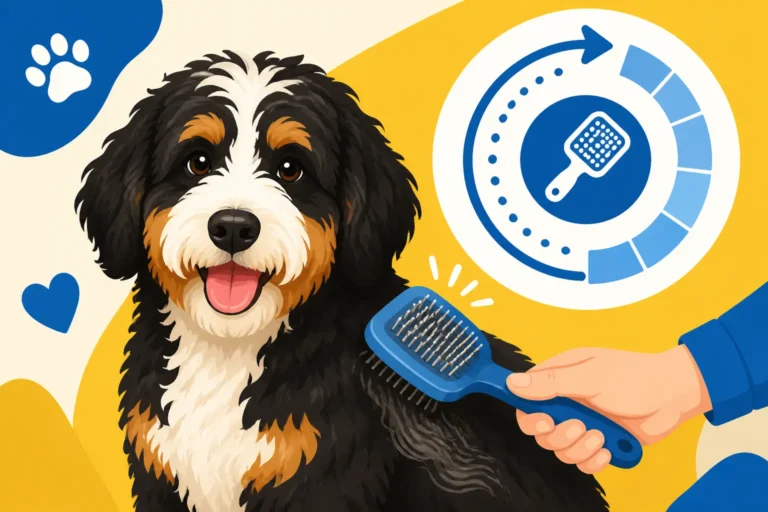
This cannot be stressed enough: regular, thorough brushing is the cornerstone of Bernedoodle coat care. For a ninety-pound Bernedoodle, "regular" often means daily or every other day, especially during coat change phases when they are most prone to matting. Use a good quality slicker brush and a metal comb to work through their entire coat, section by section, getting all the way down to the skin. This removes loose hair, dirt, debris, and prevents mats from forming. Think of it as a dry cleaning for their coat.
Brushing not only keeps them looking good but also stimulates circulation in the skin and distributes natural oils, which helps maintain a healthy skin barrier. It also helps you catch any minor skin irritations or suspicious lumps early. If you neglect brushing, you'll quickly find yourself dealing with severe matting, especially on a large dog, which will necessitate professional grooming or even shaving down the coat. Refer to resources like The Slicker and Rake a Bernedoodle Needs for guidance on essential tools.
Spot Cleaning and Paw Wipes
For those everyday messes that don't warrant a full bath, spot cleaning is your best friend. Keep a supply of dog-specific wet wipes or a damp cloth near the door. After walks, especially on muddy or dusty days, use these to wipe down their paws, legs, and any dirty areas on their belly. This prevents dirt from being tracked through your house and from drying into their coat, which can lead to larger messes later.
For particularly stubborn spots, like a patch of dried mud or something sticky they picked up, you can use a small amount of dog shampoo diluted with water on a cloth, focusing only on the affected area. Rinse thoroughly with a clean, damp cloth and dry the spot completely to prevent skin irritation. This targeted approach is much less invasive than a full bath and can address most minor cleanliness issues as they arise. Brands like Earthbath or Pogi's Pet Supplies offer excellent paw wipes that are gentle and effective, and often available on Chewy or Amazon.
Protective Gear and Environmental Control
Consider how you can minimize your Bernedoodle's exposure to dirt and allergens in the first place. If your dog loves to roll in certain areas of the yard, a lightweight vest or coat might offer some protection, especially for lighter-colored Bernedoodles whose coats show dirt more readily. For winter walks, dog booties can protect their paws from ice, snow, and road salt, and also help prevent ice balls and grime from accumulating in the fur between their pads.
Indoors, regular vacuuming and cleaning can reduce dust and allergens that settle on your dog's coat. If your Bernedoodle spends time on furniture, consider washable covers. Providing clean, comfortable bedding that is laundered regularly can also contribute to overall hygiene. For dogs with severe environmental allergies, even simple measures like wiping them down with a damp cloth after coming inside can help reduce allergen load on their coat and skin. These small, consistent efforts can significantly reduce the frequency of full baths required, making life easier for both you and your majestic Bernedoodle.
Disclaimer
This article is for general informational purposes only and does not constitute professional advice. Laws, prices and regulations vary by location and change over time. Consult a qualified professional for guidance on your specific situation.