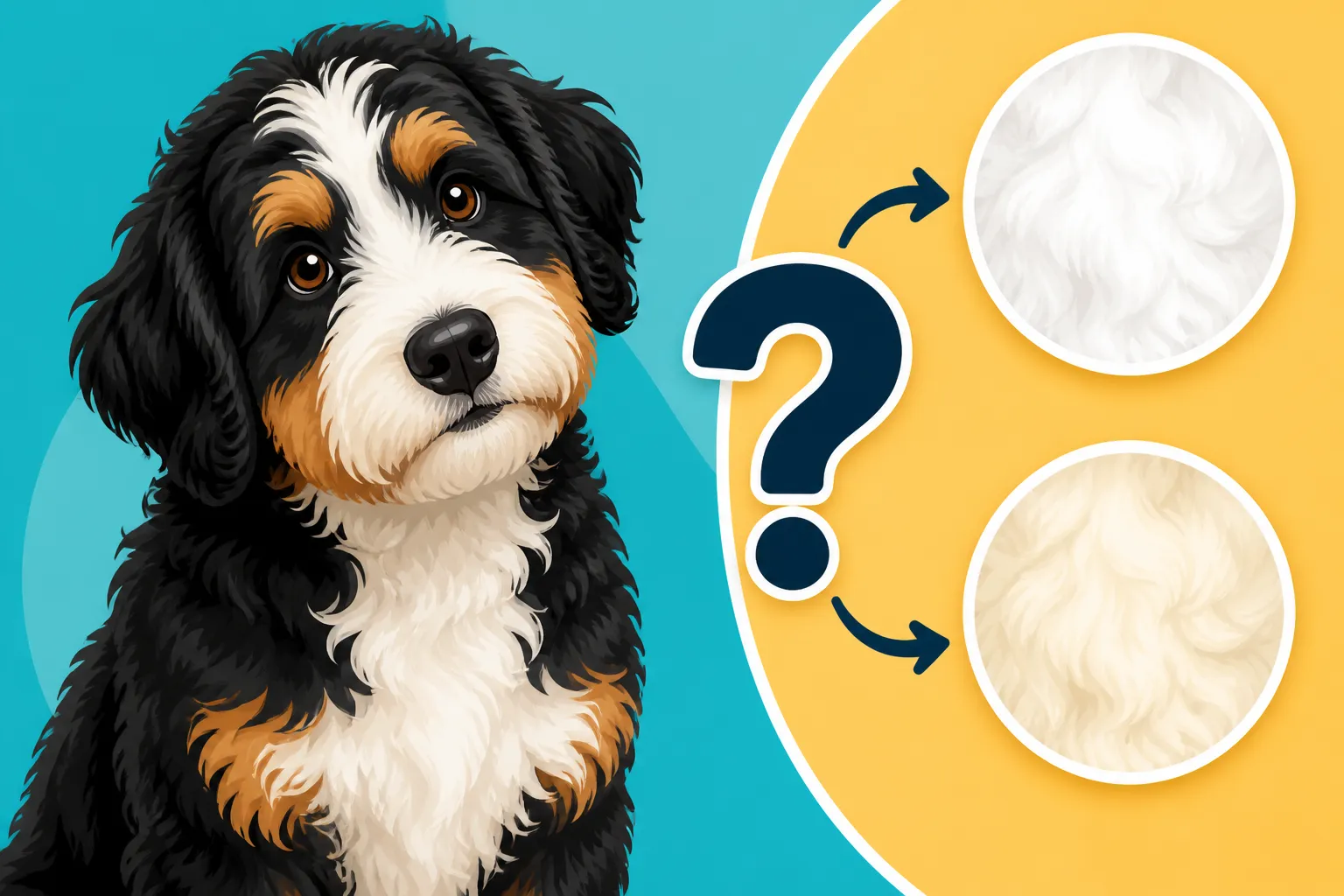
Whether a Bernedoodle’s White Markings Yellow
It's a common frustration for Bernedoodle owners: you love those gorgeous white markings, whether it's a blaze on the face, pristine paws, or a clean white chest, but over time, they start to take on an unwelcome yellow tint. You meticulously care for your furry friend, and yet, those brilliant whites can become dull and discolored, leaving you wondering if it's even possible to keep them looking fresh. This comprehensive guide will delve into why those beautiful white patches on your Bernedoodle might be yellowing, how to prevent it, and what steps you can take to restore their dazzling brightness.
Why Bernedoodle White Markings Can Turn Yellow
Let's face it, our Bernedoodles are living, breathing, sometimes messy creatures. While those white markings are undeniably beautiful, they also act like a sponge for all sorts of stains and environmental factors. It's not just about a lack of cleanliness; often, it's a combination of natural processes and everyday interactions that lead to that frustrating yellow hue. Understanding the root causes is the first step to tackling the problem effectively.
Understanding the Causes of Discoloration
One of the biggest misconceptions is that yellowing only happens if your dog is dirty. While dirt plays a role, several other factors, some entirely natural, contribute to those white markings losing their luster. It's a battle on multiple fronts, but knowing your enemy makes you better equipped to fight.
Environmental Factors and Everyday Grime
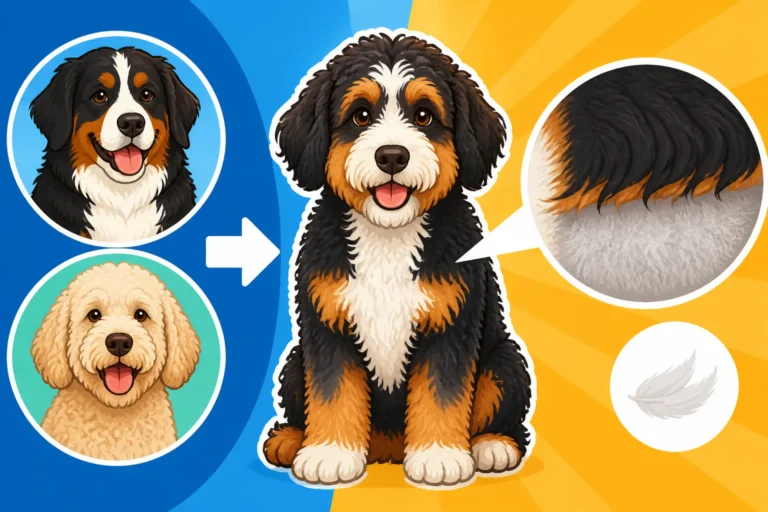
Think about it: your Bernedoodle walks outside, rolls in the grass, digs in the yard, and explores every nook and cranny of your home. All of this brings them into contact with dust, mud, pollen, and general outdoor contaminants that cling to their fur. For a dog with a thick, dense coat like a Bernedoodle's, especially those with The Coat a Bernedoodle Gets From Two Heavy Coated Parents, these particles can easily get embedded. When these tiny bits of grime accumulate on white fur, they don't just sit on the surface; they can actually penetrate the hair shaft or mix with natural oils, leading to a dull, yellowish-brown stain that's more than just surface dirt. Even indoor elements like dust from carpets or lingering cooking odors can contribute to a subtle but persistent yellowing over time, making those bright white patches look perpetually dingy.
Saliva, Tears, and Body Fluids
This is often the most stubborn culprit, especially around the face and paws. Bernedoodles, like many breeds, can be prone to tear staining, where tears contain porphyrins—iron-containing molecules that turn reddish-brown upon prolonged exposure to light and air. This is why you often see reddish-brown or yellowish-brown streaks under their eyes. Similarly, saliva, particularly from excessive licking (common on paws or bellies), contains similar compounds that can oxidize and create rust-colored or yellow stains. If your Bernedoodle has a long beard, like many The Wavy Coat Most Bernedoodles Carry types, that frequently gets wet from drinking water or slobbering after a meal, the combination of moisture and natural enzymes in the saliva can quickly lead to a stubborn yellow stain. Even urine, especially in puppies still learning bladder control or older dogs with occasional leaks, can cause significant yellowing around the hindquarters and legs.
Dietary Influences and Oxidation
What goes into your Bernedoodle's bowl can subtly influence their coat's appearance, though this is often more about overall health than direct staining. While specific foods don't "dye" the coat, a diet lacking in essential nutrients or containing artificial colors might, in rare cases, exacerbate existing discoloration or contribute to poor coat health, making it more susceptible to staining. More commonly, the issue is oxidation – a natural chemical reaction that occurs when hair is exposed to air and light. Just like how an apple turns brown after being cut, the proteins in white fur can naturally yellow over time due to this process. Some experts believe certain dog shampoos with harsh chemicals or artificial brighteners can even strip the natural oils and damage the hair cuticle, making it more porous and prone to absorbing environmental stains and accelerating natural oxidation.
Common Spots for Yellowing on Your Bernedoodle and How to Identify Early Signs
Knowing where to look is half the battle when it comes to tackling yellowing on your Bernedoodle's coat. Certain areas are simply more susceptible due to their function and exposure. Catching these signs early can save you a lot of effort in the long run, preventing minor discoloration from becoming a deeply ingrained stain that's a nightmare to remove.
Where Discoloration Tends to Appear First
It’s disheartening to see those pristine white areas start to dull, and for Bernedoodle owners, there are a few usual suspects when it comes to early signs of yellowing. These are the hotspots where your vigilance will pay off the most, allowing you to intervene before the problem becomes widespread and stubborn.
The Facial Fringe and Beard
This is probably the most obvious and frequently cited area for discoloration on a Bernedoodle. Imagine your pup happily plunging their face into their water bowl multiple times a day, then eating kibble, perhaps a little messily. All that moisture from drinking, mixed with food particles and natural saliva, creates a perfect storm for staining. The longer fur around their muzzle and chin, often referred to as a beard, acts like a magnet for these elements. Over time, these constantly damp and food-laden areas can develop stubborn yellow or reddish-brown stains. These stains aren't just aesthetic; prolonged dampness can also lead to skin irritation or yeast infections if not addressed regularly. When you notice a subtle darkening or a slight off-white tint in these areas, particularly near the lips or under the eyes, that’s your cue to step up your cleaning routine.
Paws, Legs, and Underbelly
These areas are the frontline soldiers of your Bernedoodle's daily adventures. Their paws are constantly touching the ground, whether it's damp grass, muddy trails, or dusty sidewalks. After a walk, even if you wipe them, microscopic dirt particles can remain, accumulating and causing a gradual yellowing, especially between the toes or on the top of the paw. Many Bernedoodles also engage in frequent paw-licking, whether out of habit, boredom, or allergies. As mentioned before, saliva contains enzymes that can cause significant staining when it dries and oxidizes on the fur. The underbelly and the lower parts of the legs are also vulnerable, particularly if your Bernedoodle enjoys sprawling on the floor, damp grass, or has occasional "accidents." Even dew from morning walks can contribute to this slow build-up of discoloration. You might first notice a slight creaminess developing on the white fur around their carpal pads or lower legs, often progressing to a dingier yellow if not regularly cleaned.
The Rear and Potty Areas
While perhaps not as glamorous as a facial blaze, the white markings around your Bernedoodle's rear and tail base are highly susceptible to yellowing, and it’s a crucial area to monitor for hygiene. Incomplete drying after urination or accidental contact with fecal matter, especially if your Bernedoodle has a longer coat that easily gets soiled, can lead to very persistent and noticeable yellow stains. Puppies, still mastering house training, are particularly prone to this, but even adult dogs can experience it due to soft stools, a lack of self-grooming, or certain medical conditions that cause increased urination or discharge. Regular checks of this area, perhaps during your routine How Often a Bernedoodle Should Be Brushed session, are vital. A quick wipe-down with a pet-safe cleansing wipe after potty breaks, especially for dogs with flowing tail feathering or longer fur around the hindquarters, can make a huge difference in preventing those unsightly yellow streaks from becoming a permanent fixture.
Proactive Prevention: Keeping Those White Markings Dazzling
Prevention is truly the best medicine when it comes to maintaining the pristine white markings on your Bernedoodle. Once stains set in, they can be incredibly stubborn, often requiring multiple treatments or even professional intervention. By incorporating a few consistent habits into your daily and weekly routine, you can significantly reduce the likelihood of those beautiful white patches turning yellow, saving you time, effort, and potential frustration.
Daily Grooming Routines and Product Choices
A consistent grooming regimen is your most powerful tool against yellowing. It’s not just about looking good; it’s about preventing the accumulation of the very elements that cause discoloration. Think of it as a daily defense strategy against the world's natural tendencies to make white, well, not so white.
Regular Brushing and Bathing Strategies
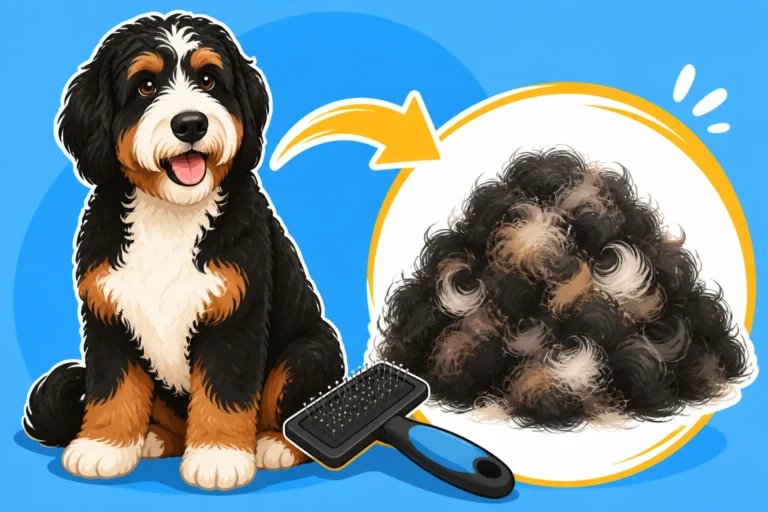
Daily brushing is non-negotiable for a Bernedoodle, especially for preventing mats, but it also serves as a critical first line of defense against staining. Using a The Slicker and Rake a Bernedoodle Needs daily helps remove loose dirt, debris, and any environmental contaminants clinging to the white fur before they have a chance to settle and stain. Pay extra attention to those common yellowing areas like the face, paws, and underbelly. Beyond daily brushing, a regular bathing schedule with appropriate products is key. For Bernedoodles with white markings, using a shampoo specifically formulated for white coats can make a significant difference. These shampoos often contain optical brighteners that enhance the natural whiteness without harsh bleaches. When Bathing and Drying a Ninety Pound Bernedoodle, ensure you thoroughly rinse all shampoo out, as residue can attract dirt and dull the coat. Aim for a bath every 3-4 weeks, or more often if your Bernedoodle gets particularly dirty, but always follow up with a good conditioner to maintain coat health. Products from trusted brands like Chewy's house brand or those available on Amazon with good reviews for white coats are excellent starting points.
Dietary Management and Hydration
Believe it or not, what your Bernedoodle eats and drinks can impact their coat's overall health and resistance to staining. A high-quality diet provides the necessary nutrients for a healthy coat, which is naturally more robust and less prone to absorbing stains. Look for dog foods with wholesome ingredients and avoid those with artificial colors or excessive fillers. Brands like Ollie, known for their fresh, human-grade ingredients, or other premium kibbles available on Chewy, can contribute to a healthier coat from the inside out. Secondly, and often overlooked, is hydration. Encourage your Bernedoodle to drink plenty of fresh water. If your dog drinks from a metal bowl, ensure it's kept meticulously clean to prevent mineral deposits from staining the beard. Some owners find that switching to a ceramic or filtered water bowl helps reduce mineral staining on facial hair. Regularly wiping your Bernedoodle’s mouth after drinking can also prevent saliva and water from lingering on the beard, reducing oxidation and staining.
Maintaining a Clean Living Environment
This might sound obvious, but a clean environment directly translates to a cleaner Bernedoodle. The less dirt and grime your dog comes into contact with, the less likely their white fur is to yellow. This means regularly vacuuming carpets and dog beds, mopping hard floors, and keeping their favorite resting spots clean. Consider washable covers for dog beds that you can toss in the laundry weekly. If your Bernedoodle spends time outdoors, try to minimize their exposure to muddy or dusty areas, especially right after rain. Keep your yard tidy, clear of excessive leaves or debris that can harbor moisture and dirt. For dogs that love to dig, providing a designated digging area or even supervising outdoor playtime can help. A simple habit of wiping paws with a damp cloth or pet-safe paw wipes after every outdoor excursion, even short ones, can prevent a surprising amount of outdoor grime from being tracked indoors and rubbing off onto white fur.
Addressing Existing Yellowing: Solutions for Restoring Whiteness
Even with the best preventive measures, sometimes yellowing still happens. Whether it's a sudden stain from a muddy puddle or a gradual discoloration that crept up on you, it's not the end of the world. There are effective strategies to tackle existing yellowing, ranging from at-home treatments to professional intervention, each with its own benefits and considerations. The key is to be patient and persistent, as some stains require a multi-pronged approach.
At-Home Treatments and Specialized Products
When you first notice those white markings aren't quite so white anymore, your first instinct is often to reach for a solution you can use right at home. Thankfully, many products and techniques can effectively reduce or even eliminate yellowing, provided the stain hasn't set too deeply.
Gentle Cleaning Wipes and Shampoos
For minor yellowing, especially around the face or paws, daily use of pet-safe tear stain removers or cleansing wipes can be incredibly effective. These are typically formulated to be gentle enough for sensitive areas and can break down the compounds causing the stain. For broader areas of yellowing, such as on the chest or legs, a specialized whitening shampoo is your best friend. Look for shampoos designed for white or light-colored coats, often containing "optical brighteners" that work by reflecting light to make the coat appear whiter without using harsh bleaches.
When using these products, always follow the manufacturer's instructions carefully. You might need to leave the shampoo on for a few minutes to allow it to work its magic. For stubborn stains, some owners have success with creating a paste of baking soda and water, gently applying it to the stained area, letting it sit for a short period, and then rinsing thoroughly. However, always do a patch test first to ensure no skin irritation. Remember, consistency is crucial. A single wash might not completely remove deep-seated yellow, but regular use of these products, combined with good grooming, can make a noticeable difference over time. You can find a wide array of these specialized shampoos and wipes on platforms like Chewy or Amazon, often with reviews from other Bernedoodle owners sharing their experiences.
Understanding Cleaning Options for White Markings
Here's a quick look at common methods and products used to combat yellowing:
| Method/Product | How It Works | Pros | Cons | Best For |
|---|---|---|---|---|
| Whitening Shampoo | Contains optical brighteners to enhance white appearance; often cleans deeply. | Effective for general yellowing; many are gentle and safe. | May require multiple applications; some contain harsh chemicals (check labels!). | Overall coat yellowing, large stained areas. |
| Tear Stain Remover | Breaks down porphyrins causing red/brown stains; usually a liquid or wipe. | Targeted for eye/mouth stains; often very gentle. | Only works for specific types of stains; needs daily application. | Facial stains (under eyes, beard), paw licking stains. |
| Baking Soda Paste | Mild abrasive and deodorizer; helps lift surface stains. | Natural, inexpensive, can be effective for localized stains. | Can be drying if left on too long; difficult to apply evenly on long fur; always rinse thoroughly. | Small, stubborn spots, paws. |
| Cornstarch/Talcum Powder | Absorbs oil and moisture, temporarily brightening and preventing re-staining. | Good for quick touch-ups or drying damp areas; prevents new stains. | Not a cleaner; only temporary aesthetic improvement; can look chalky if overused. | Drying beards, between baths, preventing new stains. |
| Professional Grooming | Uses specialized equipment, shampoos, and techniques for deep cleaning. | Most effective for severe or widespread staining; groomers have expertise. | Can be costly; requires appointments; dog needs to tolerate grooming table. | Deeply set stains, overall coat brightening, if at-home methods fail. |
When to Seek Professional Grooming or Vet Advice
Sometimes, despite your best efforts, those yellow stains just won't budge, or you might even notice other concerning symptoms. This is when it's time to call in the professionals.
A professional groomer has access to powerful, high-quality whitening shampoos and conditioners, specialized drying equipment, and techniques that can often achieve results far beyond what's possible at home. They can perform a thorough deep clean, tackling even the most embedded grime and staining. If your Bernedoodle's coat has developed mats around the stained areas, which are common for Bernedoodles, especially around The Places a Ninety Pound Bernedoodle Mats First, a groomer can safely remove them without causing discomfort, allowing for better cleaning. A good groomer can also advise you on the best products and ongoing care routine for your specific dog's coat type, ensuring you're not inadvertently contributing to the problem.
Furthermore, if the yellowing is persistent, accompanied by redness, irritation, a foul odor, or excessive licking, it's crucial to consult your veterinarian. Persistent tear stains can sometimes indicate an underlying eye issue, allergies, or blocked tear ducts that need medical attention. Similarly, yellowing around the paws or belly might be a sign of skin allergies, yeast infections, or even anxiety-driven licking that needs to be addressed medically or behaviorally. Urine staining, particularly if it's new or excessive, could point to urinary tract infections, incontinence, or other health concerns. Your vet can rule out any medical reasons for the staining and recommend appropriate treatment or management strategies, ensuring your Bernedoodle is not only looking their best but feeling their best too.
The white markings on your Bernedoodle are a key part of their charm, and keeping them bright and clean is definitely an ongoing effort. From daily brushing and targeted cleaning around the face and paws to choosing the right shampoos and even considering your dog's diet, there are many proactive steps you can take. Remember, prevention is always easier than cure when it comes to discoloration, but when stains do appear, a combination of diligent at-home care and knowing when to consult a professional groomer or veterinarian will help restore your Bernedoodle's dazzling white markings to their former glory.
Disclaimer
This article is for general informational purposes only and does not constitute professional advice. Laws, prices and regulations vary by location and change over time. Consult a qualified professional for guidance on your specific situation.