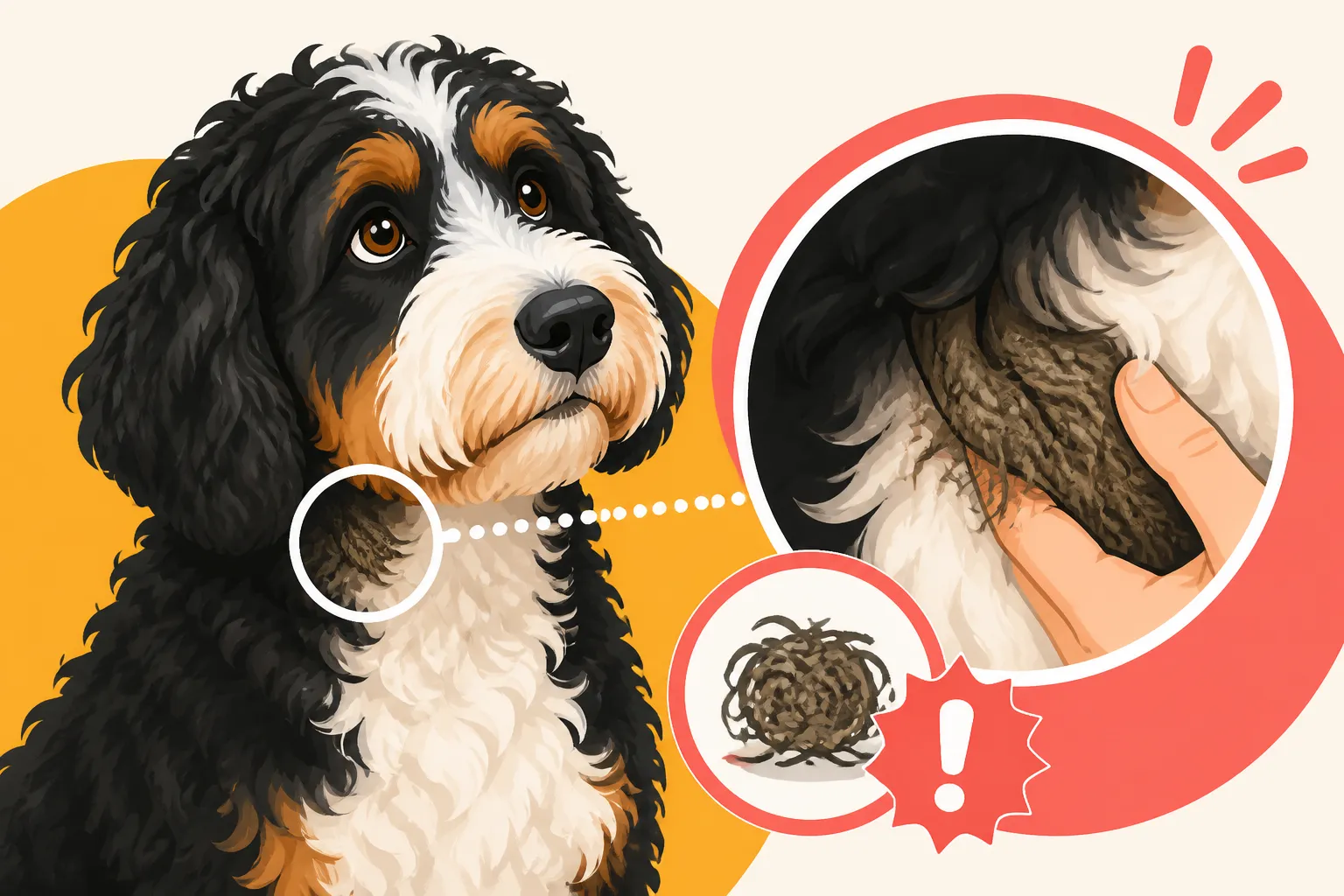
Whether a Bernedoodle’s Ruff Mats Under the Collar
Oh, the dreaded collar mat! If you're a Bernedoodle parent, you know exactly what I'm talking about. You go to take off your sweet pup's collar after a long day of play, only to discover a tangled, felted mess right underneath where it sits. It's frustrating, painful for your dog, and can feel like a never-ending battle. This guide is here to walk you through why those mats form in your Bernedoodle's ruff and, more importantly, how you can prevent them and keep your dog comfortable and mat-free.
The Anatomy of a Bernedoodle's Ruff and Why it's Prone to Matting
Bernedoodles are glorious, fluffy, big-hearted creatures, but let's be honest, their magnificent coats come with their own set of challenges. The hair around their neck, often called the "ruff," is a prime target for matting, especially right under that everyday collar. It's not just bad luck; there are several reasons this area is such a magnet for tangles.
Understanding the Bernedoodle Coat Type
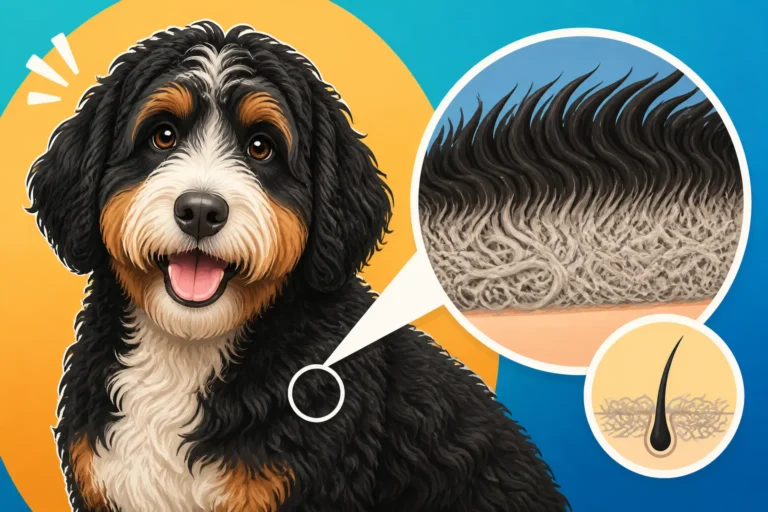
The Bernedoodle's coat is a delightful, yet complex, blend of its Bernese Mountain Dog and Poodle parents. You might have a wavy coat, a curly coat, or even a straighter, more Bernese-like coat. Each of these variations has its own matting tendencies. The wavy and curly coats, while often praised for being low-shedding, are notorious for trapping loose hairs and creating knots that quickly turn into mats. These hairs naturally intertwine, and when friction is added, it's a recipe for disaster. Even a straighter coat, which might shed more, can still develop significant matting, especially if it retains the thick undercoat from its Bernese side. This undercoat, though soft and insulating, loves to clump together. The ruff area, with its dense hair, provides ample opportunity for these different coat textures to mesh and lock into place. It's a constant battle, and understanding your dog's specific coat type is the first step in winning it. Whether an F1 Bernedoodle Sheds More Than an F1b gives more insights into coat types.
The Collar's Role in Friction and Matting
Think about it: your Bernedoodle's collar is there almost all the time. It rubs against their neck with every head turn, every scratch, every movement. This constant friction is the primary culprit behind collar mats. It agitates the hairs, causing them to tangle and knot. The pressure points created by the collar, especially if it's too tight or too loose, exacerbate this. A collar that's too loose can shift and rub more, while one that's too tight presses the hair down, making it more prone to compacting and matting close to the skin. If your dog wears a harness, the same applies to the areas where the straps sit – typically across the chest, shoulders, and behind the front legs. These are also high-friction zones. Adding a heavy-duty harness for walks further complicates things. Whether a Heavy Duty Harness Mats a Bernedoodle explores this specific issue. The material of the collar also plays a huge role; rougher nylon or leather can be more abrasive than smoother, rounded materials.
Moisture, Dirt, and Debris: Unseen Contributors
It's not just friction that causes problems. The ruff area is also highly susceptible to collecting moisture, dirt, and all sorts of outdoor debris. Has your Bernedoodle taken a drink of water? Drooled a little? Rolled in a puddle? All that moisture gets trapped in the thick hair around the neck. As the fur dries, it can shrink and tighten around any existing tangles, pulling them into tighter mats. If your dog loves to roll in leaves, grass, or even just dirt in the backyard, those tiny bits and pieces get embedded in the coat, acting like microscopic hooks that snag and intertwine the hair. And let's not forget environmental factors like pollen or dust. All these elements contribute to the matting process, turning a simple tangle into a stubborn, painful mat that's difficult to remove. This is especially true for dogs that love to explore, bringing little treasures back hidden in their glorious coats.
Proactive Strategies to Prevent Collar Matting
Prevention is truly key when it comes to Bernedoodle mats. Once a mat forms, it's a whole different ballgame, often involving pain for your pup and a lot more work for you. By implementing a few consistent practices, you can significantly reduce the chances of those pesky collar mats forming.
Choosing the Right Collar and Harness
The type of collar or harness you use can make a world of difference. For everyday wear, consider collars made from smooth, rounded materials, like rolled leather or even specific satin-lined nylon collars designed to reduce friction. Flat nylon collars, while common, can be rougher on the coat. Ensure the fit is neither too tight nor too loose; you should be able to comfortably slide two fingers under the collar. For harnesses, look for designs that minimize contact with the densest parts of the coat or have soft, protective linings. It’s also a good idea to rotate between different collar types or even use a comfortable, lightweight house collar that doesn't put much strain on the fur, only putting on the heavy-duty walking harness right before you head out. Regularly inspecting the areas where the collar or harness sits for any signs of rubbing or irritation is a must. If you notice a particular area is always getting matted, it might be time to switch up your gear.
| Collar Type | Pros | Cons | Matting Potential |
|---|---|---|---|
| Flat Nylon Collar | Durable, affordable, wide variety of designs | Can be abrasive, prone to trapping hair | Moderate to High |
| Rolled Leather | Smooth, less friction, aesthetically pleasing | Can be more expensive, requires conditioning | Low to Moderate |
| Satin-Lined Collar | Specifically designed for coat protection | May be less durable, fewer design options | Low |
| Martingale Collar | Good for preventing escapes, less constant pressure | Can cause friction if ill-fitting or worn all the time | Moderate |
| Body Harness | Distributes pressure, good for pulling control | Straps can cause friction in armpits/chest, can trap fur | Moderate to High |
Daily Brushing and Grooming Routine for the Ruff
This is non-negotiable for Bernedoodle owners. You simply cannot skip brushing, especially in high-friction areas like the ruff. Make it a part of your daily routine. A quick five-minute session dedicated to the neck and chest area can save you hours of detangling later. You'll need the right tools: a good quality slicker brush and a sturdy metal comb. Start by using the slicker brush to gently go over the top layer of the fur, then part the hair and "line brush" down to the skin, working in small sections. This ensures you're getting through all the layers and not just skimming the surface. Follow up with the metal comb to catch any smaller tangles the slicker might have missed. Don't forget to use a detangling spray, like something from TropiClean or Earthbath, which you can easily find on Chewy or Amazon. A light mist can help the brush glide through the hair more smoothly and make the process more comfortable for your dog. For a detailed guide on tools, check out The Slicker and Rake a Bernedoodle Needs. Consistency is your best friend here. Even on days when you’re tired, a quick brush around the collar zone can prevent a small tangle from becoming a huge mat overnight. How Often a Bernedoodle Should Be Brushed provides further guidance on maintaining that beautiful coat. It might seem like a chore, but it's an act of love that keeps your Bernedoodle happy and healthy.
Strategic Trimming and Professional Grooming
While daily home brushing is crucial, professional grooming plays an equally vital role in managing your Bernedoodle's coat, particularly around the ruff. Discuss with your groomer the possibility of a "collar trim." This isn't about shaving down your dog's neck, but rather carefully thinning and shortening the hair just enough in the immediate collar area to reduce its propensity to mat, without impacting the overall look of their beautiful ruff. A skilled groomer knows how to do this discreetly. They can also perform a thorough "dematting" session if small knots are starting to form, catching them before they become severe. Regular professional grooming appointments, typically every 6-8 weeks, are essential for Bernedoodles. During these sessions, groomers can tackle areas you might miss, provide a deep clean, and ensure the coat is free of hidden tangles that can quickly escalate. Don't hesitate to ask your groomer for advice specific to your dog's coat and lifestyle. They are a wealth of knowledge! What a Standard Bernedoodle Groom Costs outlines what to expect regarding expenses, and The Volume of Coat a Bernedoodle Owner Brushes Weekly emphasizes the sheer amount of hair involved.
Dealing with Existing Mats in the Collar Area
Even with the best preventative measures, sometimes a mat still manages to sneak in. It happens! The key is to address it quickly and gently. Ignoring a small mat will only lead to a larger, more painful problem.
Gentle Detangling Techniques
If you find a small, loose mat, don't panic and definitely don't try to pull it out with a brush. That will only hurt your dog and make them dread future grooming. First, arm yourself with a good detangling spray (you can find several effective ones on Amazon), a metal comb with both wide and narrow teeth, and a slicker brush.
Here's a step-by-step approach:
- Isolate the Mat: Gently separate the matted section of hair from the surrounding fur.
- Apply Detangling Spray: Liberally spray the mat with detangling spray. Work it in thoroughly with your fingers. Let it sit for a minute or two to soften the hair.
- Finger Pick: Start at the very edge of the mat, closest to the skin, and gently try to pull apart the hairs with your fingers. Work slowly, picking strands away from the mat, rather than pulling on the entire clump.
- Use a Comb (Teasing Method): Once you've loosened it a bit with your fingers, use the wide-toothed end of your metal comb. Start at the very tip of the mat and work your way up, inch by agonizing inch, towards the skin. It's like back-combing in reverse. Use short, gentle strokes. Never pull directly on the mat from the root. If you encounter resistance, stop, apply more spray, and use your fingers again.
- Slicker Brush (Optional): Once the mat is mostly loosened, you can use the slicker brush to carefully brush through the area, helping to smooth out any remaining tangles.
- Praise and Treat: Throughout this process, be patient, speak calmly to your Bernedoodle, and offer plenty of praise and treats. Make it as positive an experience as possible.
Remember, the goal is to gently separate the matted hair, not rip it out. For deeper insights on tackling knots, check out Splitting a Mat on a Bernedoodle. If your dog shows signs of pain or extreme discomfort, it’s time to stop.
When to Seek Professional Help for Severe Matting
There are times when a mat is simply too big, too tight, or too close to the skin to safely remove at home. If the mat is large, solid, and pulling at your dog's skin, attempting to remove it yourself could cause significant pain, skin irritation, or even injury. In such cases, it's always best to consult a professional groomer or your veterinarian.
A professional groomer has specialized tools and techniques, including clippers with various blade lengths, to safely remove severe mats without harming your dog's skin. They know how to work under the mat, getting the blade between the mat and the skin, which is crucial for safety. Be prepared that severe mats might necessitate shaving the affected area entirely, which can leave a bare spot or a very short patch of fur. This is not a punishment; it's the kindest, safest way to relieve your dog from the discomfort and potential health issues (like skin infections or hotspots) that can arise from tightly matted fur. Understand that this can be a more involved and therefore more costly service. What a Matted Bernedoodle Costs to Shave can give you an idea of the expense, and sometimes, a groomer may even turn away a severely matted Bernedoodle because it requires veterinary sedation for a safe shave down. Whether a Groomer Will Turn Away a Matted Bernedoodle addresses this possibility. Never feel guilty for choosing professional help; it's choosing your dog's comfort and safety.
Avoiding Future Mats After Removal
Once those stubborn mats are gone, either by your hand or a professional's, you've got a fresh start! This is the perfect opportunity to double down on your preventative routine. Don't let the relief of a mat-free coat lull you into complacency. Immediately implement a stricter daily brushing schedule, focusing intently on the areas that were matted. If your dog had to be shaved, the new growth will be softer and even more prone to matting at first, so consistent care is even more vital. Consider what might have caused the mat in the first place: was it a specific collar? Too much outdoor playtime without immediate brushing? Did you miss a few grooming sessions? Identify the root cause and adjust your routine accordingly. Perhaps it's switching to a silkier collar, adding a detangling spray to every brush session, or scheduling groomer visits more frequently. Building these habits now will ensure your Bernedoodle stays comfortable and avoids the painful experience of severe matting in the future.
Lifestyle Adjustments for a Mat-Free Ruff
Beyond the direct grooming tools and techniques, some simple changes to your Bernedoodle's daily life can significantly impact mat prevention, especially in the sensitive ruff area.
Managing Outdoor Activities and Wetness
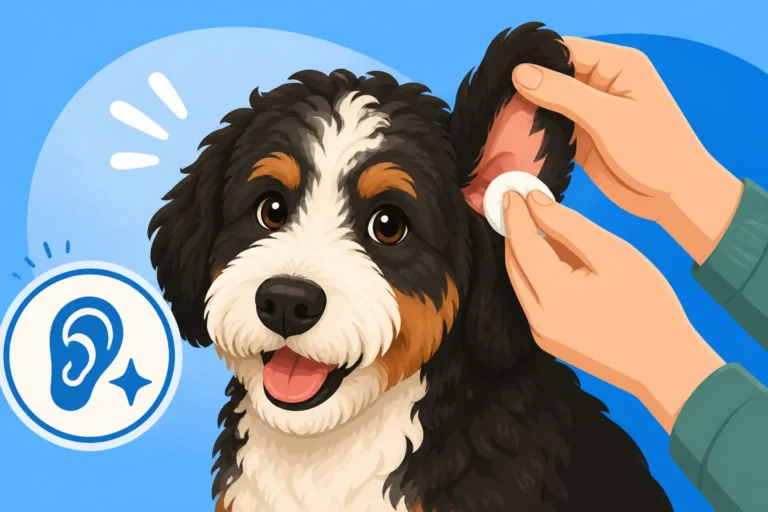
Bernedoodles love to play, explore, and splash, and we love seeing them happy! But these joyous activities can be a matting nightmare. After a romp in the park, a hike through the woods, or a swim, your dog's coat can become a magnet for debris and moisture. Make it a habit to remove your Bernedoodle's collar immediately after returning from outdoor adventures, especially if they've been wet or dirty. Then, thoroughly check their ruff, and indeed their entire coat, for any burrs, twigs, leaves, or mud. Use your fingers to gently separate the fur and remove anything caught in it before it has a chance to settle and contribute to a mat. If your Bernedoodle has been swimming or is wet from a bath, ensure their coat, particularly the ruff, is completely dry. A damp coat is a prime environment for mats to form and tighten as it air-dries. Using a high-velocity force dryer (like those found on Chewy or Amazon) can be incredibly effective for this, blowing out loose hair and drying the coat to the skin. Whether a Bernedoodle's Ears Need Drying After Swimming is a great read for managing wetness. Even wiping down the neck area if they've been drooling a lot can help prevent localized dampness.
Regular Collar Rotation and "Naked" Time
This might sound simple, but giving your Bernedoodle's neck a break from its collar can be a game-changer. Just like how you might change your shoes to prevent blisters, varying the pressure and friction on your dog's fur can prevent mats. Consider rotating between a few different collars made of various materials. More importantly, allow your Bernedoodle some "naked" time, especially when they are safely indoors and supervised. Remove their everyday collar for a few hours in the evening or overnight. This allows the fur in the ruff area to breathe, relax, and reduces the constant rubbing that leads to tangles. If your dog absolutely needs to wear a collar for identification purposes even indoors, opt for a very lightweight, thin, and smooth fabric collar that minimizes friction. It’s all about giving that delicate fur a break from the constant pressure and agitation. This small habit can make a big difference in preventing those persistent collar mats.
Nutritional Support for Coat Health
While external grooming is paramount, what goes into your Bernedoodle's body can also impact the health and manageability of their coat. A well-nourished dog generally has a healthier coat that is less prone to excessive shedding, dryness, and breakage, all of which can contribute to matting. Look for high-quality dog foods that list real meat as the first ingredient and contain a good balance of essential fatty acids, particularly Omega-3 and Omega-6. Brands like Ollie or other premium dog foods often focus on these high-quality ingredients. These fatty acids contribute to healthy skin and a shiny, resilient coat. Sometimes, adding a supplement specifically for skin and coat health, such as fish oil (like salmon or sardine oil, readily available on Chewy or Amazon), can provide an extra boost. Always consult your veterinarian before adding any supplements to your dog's diet to ensure it's appropriate for their specific needs. A healthy coat, supported from the inside out, will be stronger, smoother, and naturally less likely to tangle and mat. Whether Omega Oils Help a Bernedoodle's Coat Density dives deeper into the benefits of these oils.
Disclaimer
This article is for general informational purposes only and does not constitute professional advice. Laws, prices and regulations vary by location and change over time. Consult a qualified professional for guidance on your specific situation.