Whether a Bernedoodle Drips After Every Drink
If you’re a Bernedoodle parent, you’ve probably noticed it: the little (or not so little!) trail of water that seems to follow your furry friend after every single drink. You love that happy slurp, but the subsequent puddles on your pristine floor? Not so much. It's a common, if slightly damp, frustration, and you're certainly not imagining it – many Bernedoodles do seem to drip more than the average dog. This guide will explore why your Bernedoodle might be a champion dripper and, more importantly, what you can do about it.
Why Your Bernedoodle Might Be a Drip King (or Queen!)
Let's face it, Bernedoodles are magnificent dogs, full of charm and a certain goofy elegance. But that very charm, often tied to their beautiful coats and enthusiastic personalities, can contribute to the "drip factor." It's a combination of their physical traits and how they interact with their water source.
That Famous Bernedoodle Beard and Muzzle
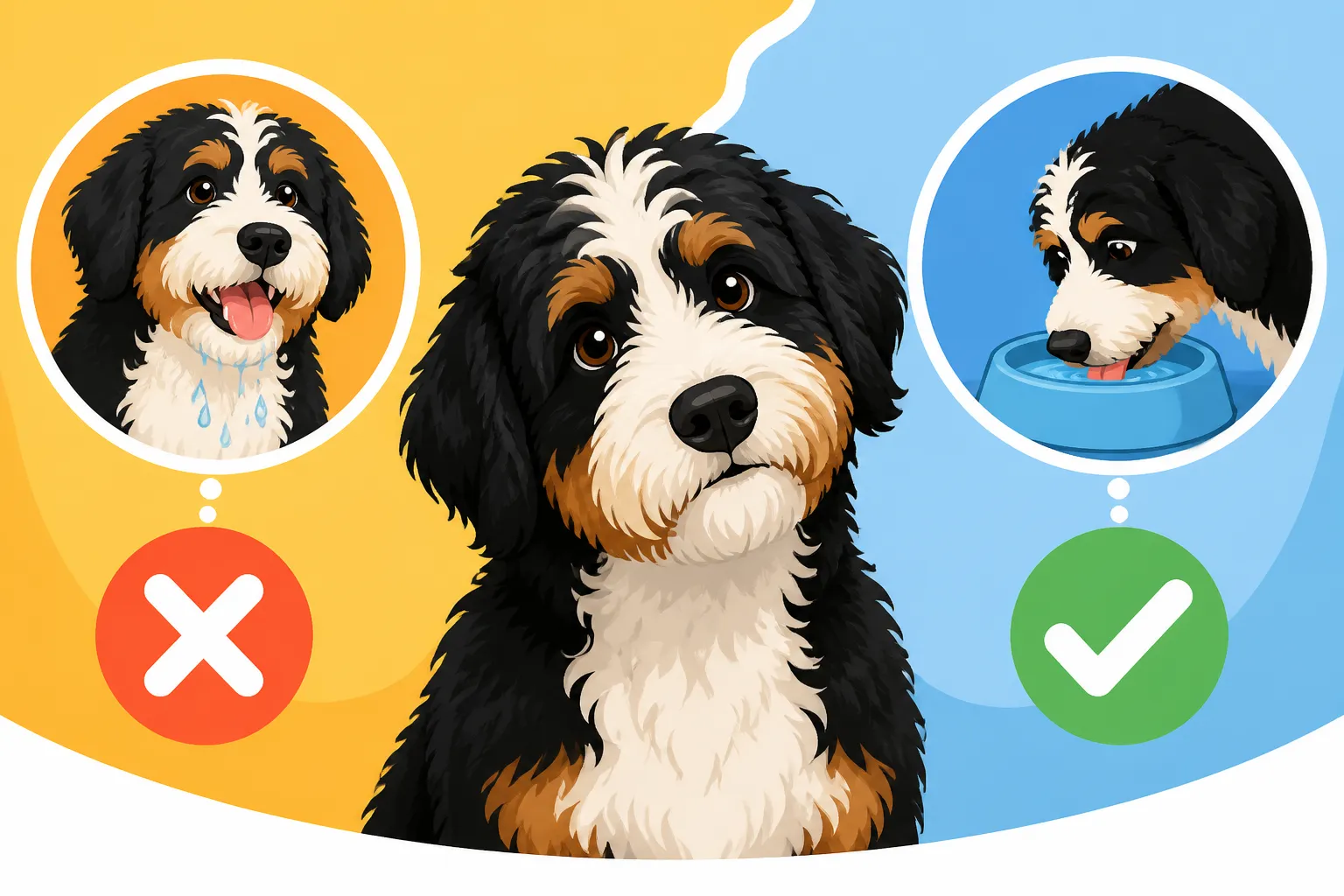
One of the most endearing and, frankly, puddle-making features of a Bernedoodle is their glorious facial hair. Coming from both the Bernese Mountain Dog and the Poodle, these dogs often inherit a rich, sometimes quite shaggy, beard and muzzle fur. This isn't just for looks; it’s a highly efficient water-wicking system, just not in a way that benefits your floor. When your Bernedoodle dips its face into the water bowl, all that lovely fur acts like a sponge, soaking up a surprising amount of liquid.
As they lift their head, gravity takes over. The water, no longer supported by the bowl, simply drips off the saturated strands, creating those characteristic puddles. The texture of the coat plays a big role here too. A curlier or wavier coat, which many Bernedoodles have, tends to hold more water droplets than a very straight, sleek coat would. If you've ever battled mats in a Bernedoodle's armpits and britches, you know how thick and dense The Coat a Bernedoodle Gets From Two Heavy Coated Parents can be, and that density extends to the facial hair, making it a prime culprit for water retention.
The Bernedoodle's Drinking Style
Beyond the beard, the way a Bernedoodle drinks can also contribute to the deluge. These are often large, enthusiastic dogs, and sometimes their drinking isn style is less "dainty sip" and more "full-on immersion." Many Bernedoodles will plunge their entire muzzle deep into the bowl, gulping down water with gusto. This isn't necessarily a bad thing; they're just quenching their thirst efficiently. However, it means more surface area of their face and neck is getting wet, leading to more drips.
Their size and deep chests can also influence their posture at the water bowl. While some dogs might crouch or lean in, a larger standard Bernedoodle might stand tall, resulting in a longer drop for any drips that escape their mouth or beard. Imagine a giant, fluffy sponge quickly pulled from a bucket – that's often what it looks like when a Bernedoodle finishes hydrating. The sheer volume of water they can drink in one sitting also means there's simply more opportunity for drips and splashes.
Oral Health and Other Considerations
While usually not the primary cause, it's worth briefly considering if other factors might be exacerbating your Bernedoodle's dripping habits. Occasionally, dental issues can make drinking uncomfortable, leading to awkward lapping or a less efficient swallow that results in more spills. Pain from a cracked tooth, gum inflammation, or even something stuck between teeth could lead to altered drinking behavior. Similarly, conditions that cause excessive thirst, like certain medical issues, could mean they're drinking larger volumes more frequently, increasing the chances of dripping.
While less common, some neurological conditions or even extreme excitement can sometimes affect a dog's coordination or control around the water bowl, leading to more spills. However, for most Bernedoodle owners, the dripping is simply a charming (and messy) byproduct of their dog's breed traits and drinking style, not a sign of underlying illness. Still, it's always good to be aware of any sudden changes in your dog's habits and consult your vet if you have concerns, especially if accompanied by other symptoms like excessive thirst or lethargy.
Practical Strategies to Minimize the Drip
Okay, so we know why your Bernedoodle is leaving a water trail. Now, what can we actually do about it? The good news is there are several effective strategies you can employ to turn down the drip volume, ranging from simple fixes to smarter product choices.
Choosing the Right Water Bowl
This is perhaps the most impactful change you can make. The type of water bowl you use can significantly reduce dripping and splashing. Forget those wide, shallow bowls; they're practically an invitation for a Bernedoodle to make a mess.
- Slow-Feeder Water Bowls: Just like their food bowl counterparts, these bowls have obstacles or designs that force your dog to drink more slowly and take smaller gulps. This can reduce the amount of water that gets caught in their beard and prevent large splashes.
- Splash-Proof or No-Spill Bowls: Many manufacturers have designed bowls specifically to combat drips. These often feature an inner lip or a floating disc that restricts the amount of water exposed at any given time. Your dog pushes the disc down to drink, and it then floats back up, keeping the majority of the water contained. They're fantastic for reducing both splashes from enthusiastic lapping and drips from the beard.
- Elevated Bowls: For larger breeds like the standard Bernedoodle, an elevated food and water station can improve their posture, making swallowing more comfortable and potentially reducing the amount of water that sloshes out. This can be especially beneficial if your dog has joint issues, as it reduces strain on their neck and front legs. Many pet supply stores, including those you can find on Chewy, offer a variety of elevated bowl options that might suit your Bernedoodle's size and drinking habits. Always consider your dog's specific needs, however; some studies have suggested elevated bowls might not be ideal for all deep-chested breeds due to bloat risk, so discuss this with your vet.
| Bowl Type | Pros | Cons | Best For |
|---|---|---|---|
| Standard Wide Bowl | Inexpensive, readily available | Maximum dripping and splashing | Dogs with short muzzles, outdoor use (less concern) |
| Slow-Feeder Water Bowl | Encourages slower drinking, less gulping | Requires your dog to adapt, may be frustrating initially | Enthusiastic gulpers, long-muzzled dogs |
| Splash-Proof Bowl | Significantly reduces spills, cleaner floor | Can be pricier, some dogs don't like the floating disc | Heavy drippers, messy drinkers |
| Elevated Bowl | Improved posture for large dogs, easier access | Potential bloat risk for deep-chested breeds (consult vet) | Large Bernedoodles, dogs with neck/joint issues |
Managing the Muzzle Moisture
Since much of the problem stems from that glorious Bernedoodle beard, directly managing the moisture on their muzzle is a highly effective, albeit manual, strategy.
- The Post-Drink Wipe-Down: This is the simplest and often most effective method. Keep a small towel, a dedicated "drip rag," near the water bowl. As soon as your Bernedoodle finishes drinking, gently wipe their muzzle and beard dry. This prevents the water from ever reaching your floor. It might take a little patience to teach them to tolerate this, but most dogs quickly get used to it, especially if you make it a positive experience with praise.
- Muzzle Bandanas or Snoods: For Bernedoodles with particularly long or fluffy muzzles, a snood (a fabric tube that covers the ears and neck, sometimes extending over the muzzle) or even a simple bandana can help contain drips. You can find these online or at specialty pet stores. While they might look a bit silly, they can be a game-changer for keeping the house dry. Just be sure it's comfortable for your dog and doesn't restrict their breathing or vision.
- Strategic Grooming: While you don't want to shave off their entire adorable beard, a slight trim around the muzzle area can reduce the amount of hair available to wick up water. Talk to your groomer about a "tidy up" around the mouth that might help with drips without compromising their signature look. Regular grooming, including trimming hair around the face, is part of managing The Volume of Coat a Bernedoodle Owner Brushes Weekly and can prevent excess matting, which can also hold onto more moisture.
Strategic Placement and Floor Protection
Sometimes, it's not just how your Bernedoodle drinks, but where and what's underneath. A little forethought about your water station's location can save a lot of mopping.
- Designated "Water Zones": Instead of placing water bowls wherever is convenient, create a dedicated "water zone" in an area that's easy to clean. This might be in your kitchen with tile flooring, a mudroom, or even a covered outdoor patio. Avoid placing water bowls on carpet or near delicate wooden furniture. This way, if drips do occur, cleanup is quick and easy. For a large dog that likes to roam, consider having multiple water stations, but ensure at least one is in a low-drip-impact zone.
- Waterproof Mats and Trays: These are your best friends in the battle against drips. A large, absorbent mat designed for pet bowls, a rubber tray, or even a heavy-duty bathmat placed directly under and around the water bowl can catch most of the drips. Look for mats with a waterproof backing to prevent moisture from seeping through to your flooring. Many of these can be easily tossed into the washing machine. You can find a wide variety of practical and stylish options on sites like Amazon.
- Consider Flooring Choices: If you're planning renovations or moving, think about flooring that's resilient to water. Tile, vinyl plank, or sealed concrete are far more forgiving than hardwood or carpet when dealing with a drippy Bernedoodle. Even if you're not renovating, simply being aware of your existing flooring can help you decide on the best protection methods. For instance, if you have a Bernedoodle in a house with a lot of hardwood, investing in heavy-duty, large, non-slip mats is absolutely essential.
Beyond the Drips: When to Consult Your Vet
While most Bernedoodle dripping is a normal, albeit inconvenient, part of owning the breed, there are rare occasions when a sudden change in drinking habits or excessive drooling/dripping could signal a health concern. It's important to differentiate between routine "Bernedoodle drips" and something that warrants a professional check-up.
Sudden or Excessive Dripping
If your Bernedoodle has always been a relatively neat drinker and suddenly starts leaving significant puddles, or if the amount of dripping dramatically increases, it's time to pay closer attention. This isn't just about beard saturation; it could indicate an underlying issue. A sudden increase in thirst, leading to more frequent or prolonged drinking, would naturally result in more drips. Increased thirst can be a symptom of various medical conditions, including kidney disease, diabetes, or even certain medications.
Similarly, if the dripping seems to be coming directly from their mouth during or immediately after drinking, rather than just from their wet beard, it could suggest a problem with their ability to swallow efficiently or discomfort in their mouth. Don't ignore these shifts; they're your dog's way of telling you something might be off.
Other Accompanying Symptoms
Always consider dripping in the context of your dog's overall health and behavior. If the increased dripping is accompanied by any of the following symptoms, a veterinary visit is definitely in order:
- Excessive Thirst (Polydipsia): If you notice your Bernedoodle drinking significantly more than usual, constantly emptying the water bowl, and needing to go outside more often to urinate, this is a major red flag.
- Difficulty Swallowing: If your dog seems to gag, cough, or struggle to get water down, this could indicate a problem in their throat or esophagus.
- Lethargy or Changes in Appetite: A general decline in energy, reluctance to eat, or any other significant behavioral change alongside the dripping could point to an illness.
- Bad Breath or Oral Discomfort: If you notice unusually bad breath, pawing at the mouth, reluctance to chew, or visible redness/swelling in their gums, it could be Dental Disease in a Tiny Bernedoodle (or standard size!) or another oral issue.
- Neurological Signs: Tremors, unsteadiness, head tilting, or disorientation combined with increased dripping could indicate a neurological problem.
Remember, you know your Bernedoodle best. If something feels "off" or different from their usual charmingly clumsy self, trust your gut and consult your veterinarian. Early detection and treatment are always best for your dog's health and your peace of mind.
Living with a Drip-Prone Bernedoodle
Ultimately, a certain level of "dripiness" is just part of the Bernedoodle package. These wonderful dogs bring so much joy, and a few extra puddles are a small price to pay for their companionship. It’s about finding a balance between managing the mess and embracing the quirks of your beloved pet.
Embracing the "Doodle Splash"
Let's be real: you're likely never going to eliminate all drips. Part of living with a Bernedoodle means accepting that there will be a little more water on the floor, a few more slobbery toys, and that ever-present damp spot on your pants when they lean against you after a drink. Instead of fighting it constantly, sometimes it's about shifting your perspective. These aren't intentional messes; they're just a byproduct of your dog quenching their thirst and the unique physical traits they've inherited.
Think of it as adding character to your home – a little splash of Bernedoodle personality. While the practical strategies we've discussed can certainly help, aiming for zero drips might be an unrealistic goal that leads to more frustration than it's worth. Focus on minimizing the impact and maintaining a clean, safe environment, rather than striving for perfect dryness. It's a bit like living with a playful toddler; sometimes, you just need a good mop and a sense of humor.
Grooming as Part of the Solution
Grooming isn't just for aesthetics; it plays a vital role in managing your Bernedoodle's comfort and cleanliness, including those pesky drips. Regular brushing and professional grooming appointments can make a noticeable difference. Keeping the hair around their muzzle, chin, and chest trimmed to a manageable length can significantly reduce the amount of water it soaks up. This doesn't mean a full shave; even a short, tidy trim can be effective.
Talk to your groomer about a "water-friendly" cut. They can advise on how to keep the beard neat without making your dog uncomfortable or altering their appearance too drastically. For example, a slightly shorter cut under the chin can prevent drips from soaking into their chest fur. If you're comfortable with home grooming, even just using a blunt-nosed scissor to carefully trim stray hairs around the mouth can help. Remember, keeping their coat free of mats is crucial, as matted fur can hold even more moisture. Regular brushing is a must for The Curly Coat Bernedoodle and Its Upkeep and can help with overall cleanliness. Many owners find useful grooming tools, from slicker brushes to small trimming scissors, on Amazon.
Training and Routine
While you can't train away a wet beard, you can reinforce good habits around the water bowl. Encourage your Bernedoodle to drink calmly. If they tend to gulp excessively or splash, a slow-feeder water bowl, as mentioned earlier, can naturally encourage a more measured approach. You can also establish a routine: after a drink, perhaps a quick "sit" or "stay" while you give their face a quick wipe with a towel. Consistency is key here.
Ensure your Bernedoodle always has access to fresh, clean water in the designated "drip zone." While it's tempting to restrict access to reduce messes, proper hydration is paramount for their health. Instead, focus on managing the environment around the bowl. This could also extend to teaching them to Getting a Bernedoodle to Lie on Its Side for grooming, including beard trims, making the process smoother for both of you. Ultimately, integrating drip management into your daily care routine will make it feel less like a chore and more like a natural part of living with your wonderful, if sometimes watery, Bernedoodle.
Disclaimer
This article is for general informational purposes only and does not constitute professional advice. Laws, prices and regulations vary by location and change over time. Consult a qualified professional for guidance on your specific situation.