Whether a Bernedoodle Needs Its Anal Glands Done
Ah, the mysterious and often whiffy world of anal glands! It's one of those topics that many new Bernedoodle owners, and even some seasoned ones, find themselves whispering about with their vet or groomer. You've noticed your beloved Bernedoodle doing the "scoot" across your favorite rug, or perhaps caught an unidentifiable, unpleasant odor in the air. These can often be tell-tale signs that their anal glands need a little attention, and it's a completely normal, if not slightly gross, part of dog ownership. This guide is here to demystify those little glands and help you understand when and if your Bernedoodle needs their anal glands expressed.
Understanding Your Bernedoodle's Anal Glands
Let's get down to the nitty-gritty, shall we? Every dog, including our wonderful Bernedoodles, has two small sacs, about the size of a pea or a small grape depending on the dog's size, located just inside their rectum, on either side. These are their anal glands, sometimes referred to as anal sacs. They produce and store a unique, pungent, oily liquid. Yes, it's pretty stinky!
In the wild, this fluid serves a few important purposes. It's essentially a scent marker, unique to each dog, used for identification and territorial marking. When a dog poops, the pressure of the stool passing through the rectum is supposed to naturally express a small amount of this fluid onto the feces. Think of it like a canine signature left behind for other dogs to "read" when they sniff. This is why dogs are so fascinated by sniffing other dogs' rear ends – they're getting a full biography! For our domesticated Bernedoodles, this natural expression often still happens, but sometimes, things don't go quite as smoothly as nature intended.
The size and consistency of the stool play a huge role in whether these glands get naturally emptied. If your Bernedoodle consistently has soft stools, diarrhea, or perhaps struggles with constipation, the anal glands might not experience the firm pressure needed for proper expression. When this happens, the fluid can build up, becoming thickened, and sometimes even impacted. This leads to discomfort for your furry friend, and that's when you start noticing unusual behaviors or smells. Understanding this basic function is the first step in knowing how to help your Bernedoodle if they're struggling. It's not just a random inconvenience; it's a system designed by nature that sometimes needs a little human help.
The Role of Diet in Anal Gland Health
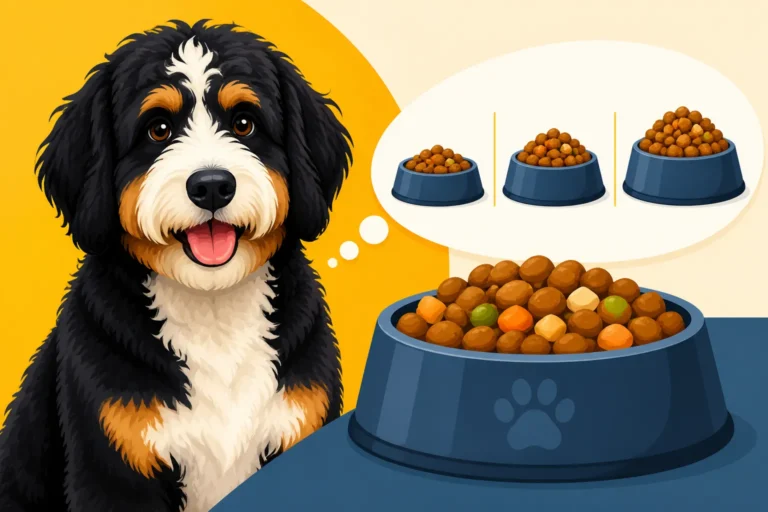
It might surprise you how much your Bernedoodle's diet impacts their anal gland health. The quality and consistency of your dog's stool are directly tied to what they eat. A diet that promotes firm, well-formed bowel movements is crucial for natural anal gland expression. If your Bernedoodle is constantly having soft stools, it means there isn't enough bulk or firmness to adequately press against those little sacs as they pass. This lack of pressure means the fluid just sits there, getting thicker and potentially causing problems.
Many commercial dog foods offer varying levels of fiber, and sometimes, a little extra fiber can make a big difference. Think of natural fiber sources like pumpkin puree (plain, not pie filling!), cooked sweet potato, or even certain supplements recommended by your vet. These can help add bulk to the stool, promoting more consistent and firm bowel movements. On the other flip side, some Bernedoodles have sensitive stomachs or food allergies that lead to chronic loose stools. Identifying and managing these sensitivities with an appropriate diet, perhaps a limited ingredient formula or a prescription diet, can be a game-changer for their digestive and, by extension, anal gland health. It’s all interconnected! Providing your Bernedoodle with How Much an Adult Bernedoodle Eats of a high-quality, consistent diet can significantly reduce the likelihood of these issues.
The Impact of Weight and Exercise
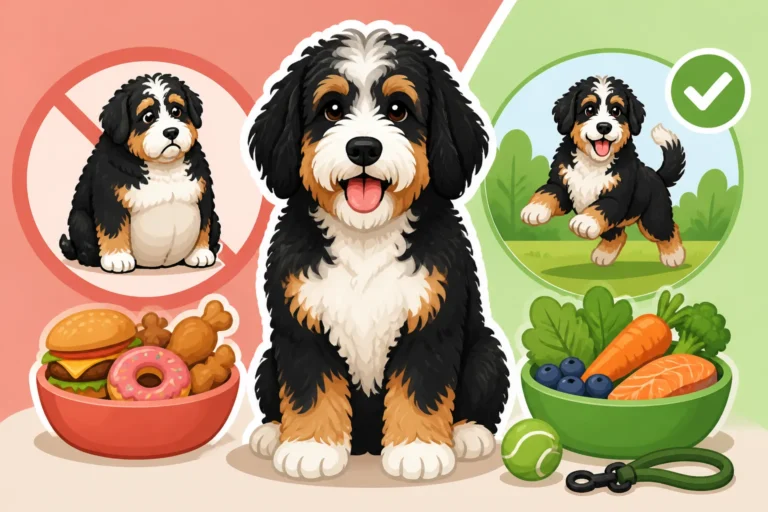
Beyond diet, your Bernedoodle's overall health, including their weight and activity levels, can also influence how well their anal glands function. An overweight Bernedoodle might not have the same muscle tone in their pelvic region, which can contribute to inefficient natural expression. Excess fat around the anal area can also physically obstruct the glands or reduce the necessary pressure during defecation. Keeping a Bernedoodle at a healthy weight is not just about joint health or preventing Whether an Overweight Bernedoodle Loses Years; it's about ensuring all their bodily systems function optimally.
Regular exercise is another unsung hero in promoting healthy anal glands. When your Bernedoodle gets The Exercise a Standard Bernedoodle Needs Daily, it doesn't just keep them physically fit and mentally stimulated; it also aids in healthy digestion and bowel regularity. Consistent movement helps maintain good muscle tone throughout their body, including the muscles involved in defecation. A dog that is active and moving regularly is more likely to have consistent, firm stools that naturally express the anal glands. Conversely, a more sedentary Bernedoodle might experience slower digestion and less effective natural expression, leading to a higher chance of impacted glands. It’s truly part of What a Bernedoodle Needs Every Day for their overall well-being.
Signs Your Bernedoodle Might Have Anal Gland Issues
So, how do you know if your Bernedoodle is having a problem with their anal glands? They can't exactly tell you in words, but they're pretty good at showing you! Recognizing these signs early can help you get them the relief they need before discomfort turns into something more serious, like an infection or abscess. It's all about observing their behavior and being attuned to any changes.
The most common and infamous sign is "scooting." This is when your Bernedoodle drags their bottom along the ground, carpet, or even the grass. While it can sometimes indicate other issues like worms, it's a huge red flag for anal gland irritation. They're trying to relieve the pressure and itchiness themselves. Another strong indicator is excessive licking or biting at their rear end or under their tail. If you notice your Bernedoodle constantly grooming back there, even when they're usually not that bothered, it's time to investigate.
Beyond these behaviors, there are other, more subtle (or not-so-subtle) clues. A strong, foul, fishy, or metallic odor that seems to come from nowhere is often the fluid being expressed involuntarily or leaking due to overfull glands. If the problem escalates, you might see swelling or redness around the anus, and your Bernedoodle might show signs of pain, reluctance to sit, or even difficulty defecating. If you notice any discharge, especially bloody or pus-like, it's an immediate trip to the vet because that signals a potential infection or abscess, which can be quite painful and serious.
The Infamous "Scoot" and Other Behavioral Cues
The "scoot" is probably the most widely recognized signal that something is amiss with your Bernedoodle's rear end. You might be watching TV, and suddenly, there goes Fido, dragging his backside across the living room rug like he’s trying to wax the floor. This behavior isn't just quirky; it’s a desperate attempt by your dog to relieve the intense itchiness or pressure caused by full or impacted anal glands. They're literally trying to empty them by friction. It’s not cute, and it’s a sign they’re uncomfortable.
But the scoot isn't the only thing to watch for. Keep an eye out for any increase in licking or biting at their hindquarters, particularly under the tail or directly around the anus. If they’re turning themselves into a pretzel trying to reach that spot, it’s a clear indication of irritation. You might also notice them suddenly snapping at you if you try to touch their rear or pick them up, suggesting pain or extreme sensitivity in the area. Some Bernedoodles might even tuck their tail more frequently or seem generally restless, unable to settle into a comfortable position. Any change in their usual demeanor that points to discomfort in their nether regions should prompt you to consider anal gland issues.
Odor and Visible Changes
While behaviors are key indicators, your nose and eyes can also provide critical information. That distinctive, unpleasant odor—often described as fishy, metallic, or just generally foul—is a significant clue. This smell comes from the anal gland fluid itself, which, when expressed naturally, is usually odorless to us unless we get really close. But when the glands are overfull, or if there's leakage, that potent scent can permeate the air, making your home smell… well, not so fresh. Sometimes, you might even notice a greasy spot where your Bernedoodle has been sitting if the glands are leaking.
Visually, inspecting the area around your Bernedoodle's anus can reveal problems. Look for any redness, swelling, or irritation. The skin might appear inflamed, or you might even see small pustules or an open wound if an abscess has ruptured. In severe cases, you could feel a hard, painful lump on one or both sides of the anus. This is a sign of impacted glands or an abscess forming. Any discharge that isn't normal fecal matter—especially if it's bloody, pus-filled, or has a very dark, tar-like appearance—requires immediate veterinary attention. Don't try to handle these situations yourself; infections can spread rapidly and become very dangerous for your Bernedoodle.
Here's a quick comparison of common signs:
| Symptom | Suggests | Action Needed |
|---|---|---|
| Scooting | Full/Irritated Anal Glands, Worms, Allergies | Vet check-up, potentially anal gland expression |
| Excessive Licking/Biting at Rear | Itchiness, Discomfort, Full Glands, Infection | Vet check-up, possibly expression, topical treatment |
| Foul/Fishy Odor | Leaking Anal Gland Fluid | Vet/Groomer for expression |
| Redness/Swelling | Inflammation, Impaction, Infection | Urgent Vet Visit – potential abscess |
| Reluctance to Sit/Pain | Severe Discomfort, Abscess | Urgent Vet Visit – pain relief, treatment for infection |
| Pus/Blood Discharge | Ruptured Abscess, Severe Infection | Emergency Vet Visit – immediate medical intervention |
| Hard Lump Near Anus | Impaction, Abscess, (Rarely) Tumor | Vet check-up, possibly aspiration/biopsy |
When and How a Bernedoodle's Anal Glands are Expressed
If you've identified some of these concerning signs, the next step is usually getting those anal glands expressed. This isn't something that every Bernedoodle needs done regularly; some dogs go their entire lives without any issues! However, for those prone to problems, it becomes a crucial part of their routine care. The primary goal of expression is to manually empty the sacs, relieving the pressure and preventing impaction, infection, or abscess formation.
There are generally two routes for getting this done: your veterinarian or a professional groomer. While both can perform the procedure, there's an important distinction to remember. A vet is trained to do an internal expression, which is often more thorough and appropriate if the glands are significantly impacted or if there's any suspicion of infection. Groomers typically perform an external expression, which can be sufficient for routine maintenance if the glands are only mildly full and there are no underlying complications. Knowing which professional to approach depends on the severity of your Bernedoodle's symptoms and your comfort level. Never attempt to express your Bernedoodle's anal glands yourself at home unless specifically instructed and trained by your veterinarian, as improper technique can cause more harm than good, including rupture or significant pain.
Professional Anal Gland Expression
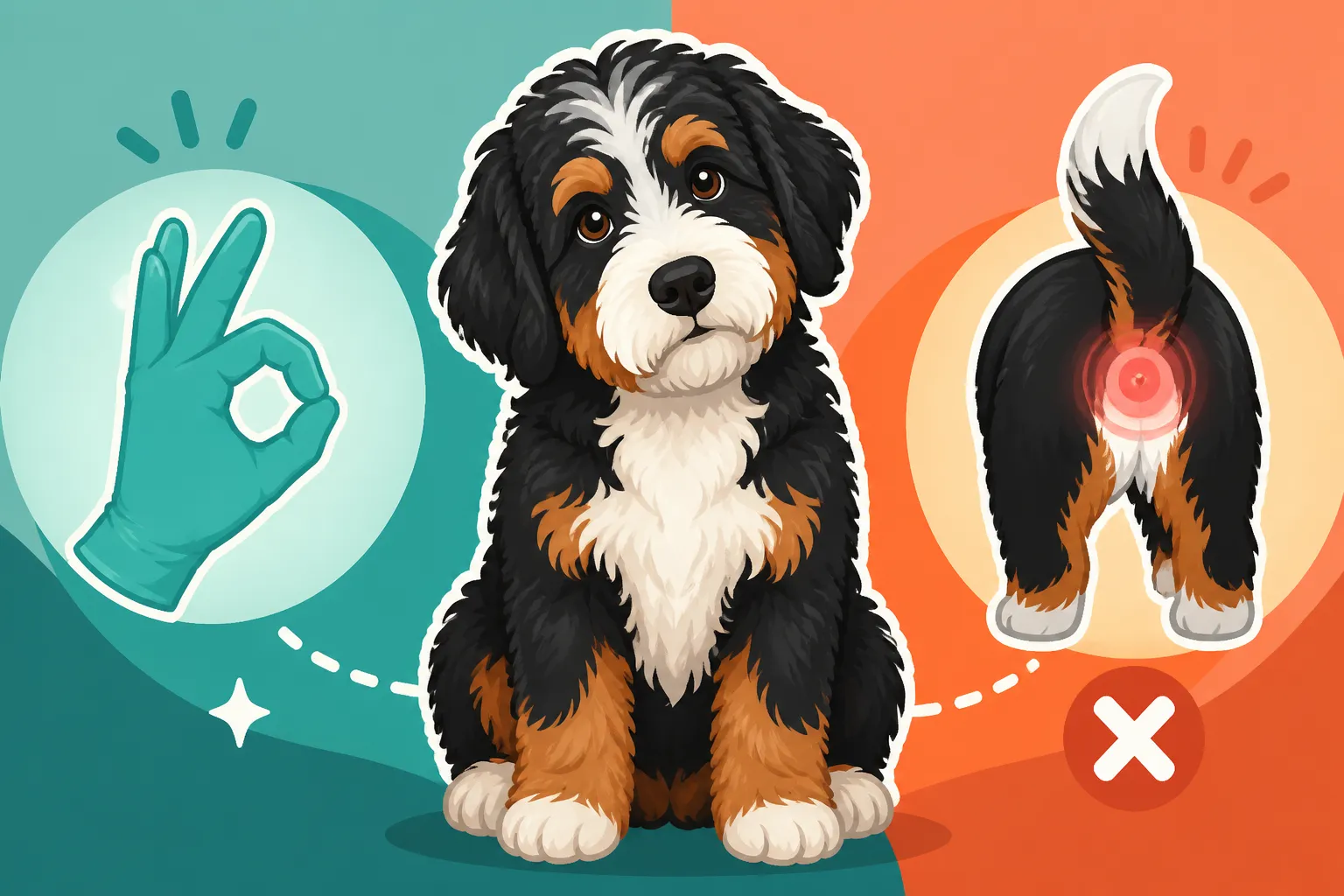
When it comes to getting your Bernedoodle's anal glands expressed, seeking professional help is almost always the safest and most effective option. Your veterinarian is the go-to expert, especially if your Bernedoodle is showing signs of pain, significant swelling, or any discharge. A vet will perform an internal expression, gently inserting a gloved, lubricated finger into the rectum to locate and empty the sacs more thoroughly. This method allows them to properly assess the size, consistency, and overall health of the glands, and to identify any potential infections, abscesses, or even rare tumors. If an infection is present, they can also prescribe antibiotics or anti-inflammatory medication to bring your Bernedoodle relief. This comprehensive approach is part of The Screening a Bernedoodle Should Have Yearly that's so vital for their health.
Many professional groomers also offer anal gland expression as part of their services, often included in What a Standard Bernedoodle Groom Costs. Groomers typically perform an external expression, which involves applying pressure to the glands from the outside. This can be effective for routine maintenance if your Bernedoodle's glands are only slightly full and easily expressed, and there are no deeper issues. However, if the glands are severely impacted or if the fluid is very thick, an external expression might not be sufficient, and you'll likely be referred to a vet. The key is communication: let your groomer know about any past issues or concerns, and they can advise you on whether they feel comfortable performing the service or if a vet visit is more appropriate. Always prioritize your Bernedoodle’s comfort and health by consulting with a professional.
The Procedure Itself and What to Expect
The actual procedure for anal gland expression is relatively quick, though it might not be your Bernedoodle's favorite experience. If your vet is doing an internal expression, they will wear gloves and use a lubricant. They'll gently insert a finger into the rectum while stabilizing the outside of the gland with their thumb. Then, they apply gentle, upward pressure to "milk" the fluid out. The fluid, as mentioned, is often foul-smelling and can range in color and consistency from thin and brownish to thick and paste-like. For an external expression, a groomer will apply pressure with their thumbs and fingers on either side of the anus, aiming to express the sacs.
After the procedure, your Bernedoodle might still feel a little sensitive or irritated for a short while, especially if the glands were very full or inflamed. They might continue to scoot or lick for a few hours, but this should subside as the relief sets in. Your vet might recommend a warm compress on the area if there was significant inflammation. It's also possible that if the glands were severely impacted, your Bernedoodle might need repeat expressions or even a course of antibiotics if an infection has started. It's important to monitor them closely for the next 24-48 hours and report any worsening symptoms to your vet. While it’s not a pleasant experience for anyone involved, it's a necessary one when your Bernedoodle is experiencing discomfort.
Preventative Measures and Ongoing Care for Bernedoodle Anal Glands
Wouldn't it be great if we could prevent anal gland issues altogether? While it's not always possible, especially for dogs predisposed to problems, there are certainly steps you can take as a Bernedoodle owner to minimize the likelihood of them occurring. Proactive care focuses on promoting healthy digestion, maintaining a healthy weight, and staying vigilant for those early warning signs. By incorporating a few simple habits into your Bernedoodle's routine, you can significantly contribute to their comfort and reduce the need for frequent, potentially uncomfortable, expressions.
The foundation of prevention lies in diet. As we discussed earlier, firm, consistent stools are paramount. This means feeding a high-quality dog food that agrees with your Bernedoodle’s digestive system. If you notice persistent soft stools or diarrhea, it’s worth investigating with your vet whether a dietary change, such as increasing fiber or switching to a different protein source, could help. Brands like Chewy and Ollie often carry a wide range of specialized diets that might be beneficial, from high-fiber options to those formulated for Whether a Bernedoodle Has a Sensitive Stomach.
Beyond diet, ensuring your Bernedoodle gets adequate exercise and maintains a healthy weight also plays a crucial role. A trim, active dog is more likely to have good muscle tone, which aids in natural anal gland expression. Regular grooming appointments can also be a proactive measure, as many groomers will check the glands as part of a routine service, catching issues before they become severe.
Dietary Adjustments for Healthier Glands
Making strategic adjustments to your Bernedoodle's diet is one of the most effective ways to support healthy anal gland function and reduce the need for manual expression. The goal is to promote firm, consistent, and appropriately sized stools that naturally apply pressure to the anal glands as they pass.
One common recommendation is to increase dietary fiber. Fiber adds bulk to the stool, making it firmer and more likely to express the glands. You can add fiber to your Bernedoodle's diet in several ways:
- High-Fiber Commercial Foods: Many dog food brands offer formulas specifically designed for digestive health or weight management, which often have higher fiber content. Always transition slowly to a new food to avoid upsetting their stomach.
- Natural Fiber Supplements: Your vet might recommend adding a small amount of plain, canned pumpkin (not pie filling!) or cooked sweet potato to your Bernedoodle's meals. Psyllium husk (Metamucil without additives) can also be used, but always consult your vet for appropriate dosages, especially for large breeds like Bernedoodles.
- Addressing Whether a Bernedoodle Has a Sensitive Stomach: If your Bernedoodle suffers from chronic loose stools due to food sensitivities or allergies, identifying and eliminating the offending ingredients is crucial. This might involve a limited ingredient diet or a novel protein diet. Sometimes, adding probiotics can also help balance gut flora and improve stool quality.
- Hydration: Ensure your Bernedoodle has constant access to fresh water. Proper hydration helps keep stools from becoming too hard and difficult to pass, which can also impede natural expression.
Before making any significant dietary changes, especially when dealing with persistent issues, always have a chat with your veterinarian. They can help you tailor a diet plan that is best suited for your Bernedoodle’s specific needs and health status.
Weight Management and Regular Exercise
Maintaining a healthy weight and ensuring your Bernedoodle gets consistent, appropriate exercise are cornerstones of overall health, and this extends directly to anal gland function. Keeping a Bernedoodle's Weight Down is critical for several reasons, including reducing strain on their joints, improving cardiovascular health, and, yes, assisting with natural anal gland expression. When a Bernedoodle is overweight, the excess fat around their hindquarters can actually make it harder for the anal glands to empty naturally. There's less internal pressure and more external obstruction, leading to a higher likelihood of impaction. Your vet can help you determine the ideal weight for your Bernedoodle and create a safe weight-loss plan if needed.
Equally important is regular physical activity. The Exercise a Standard Bernedoodle Needs Daily isn't just for burning off energy; it stimulates the digestive system, promotes regular bowel movements, and helps maintain strong core and pelvic muscles. These muscles are essential for pushing out stool effectively, which in turn helps express the anal glands. Daily walks, playtime in the yard, or even trips to the dog park can all contribute to better digestive health. For our big, often goofy Bernedoodles, this means consistent activity that keeps their body working as it should. Think of it as a holistic approach: a healthy, active Bernedoodle is less likely to face chronic anal gland problems.
Disclaimer
This article is for general informational purposes only and does not constitute professional advice. Laws, prices and regulations vary by location and change over time. Consult a qualified professional for guidance on your specific situation.