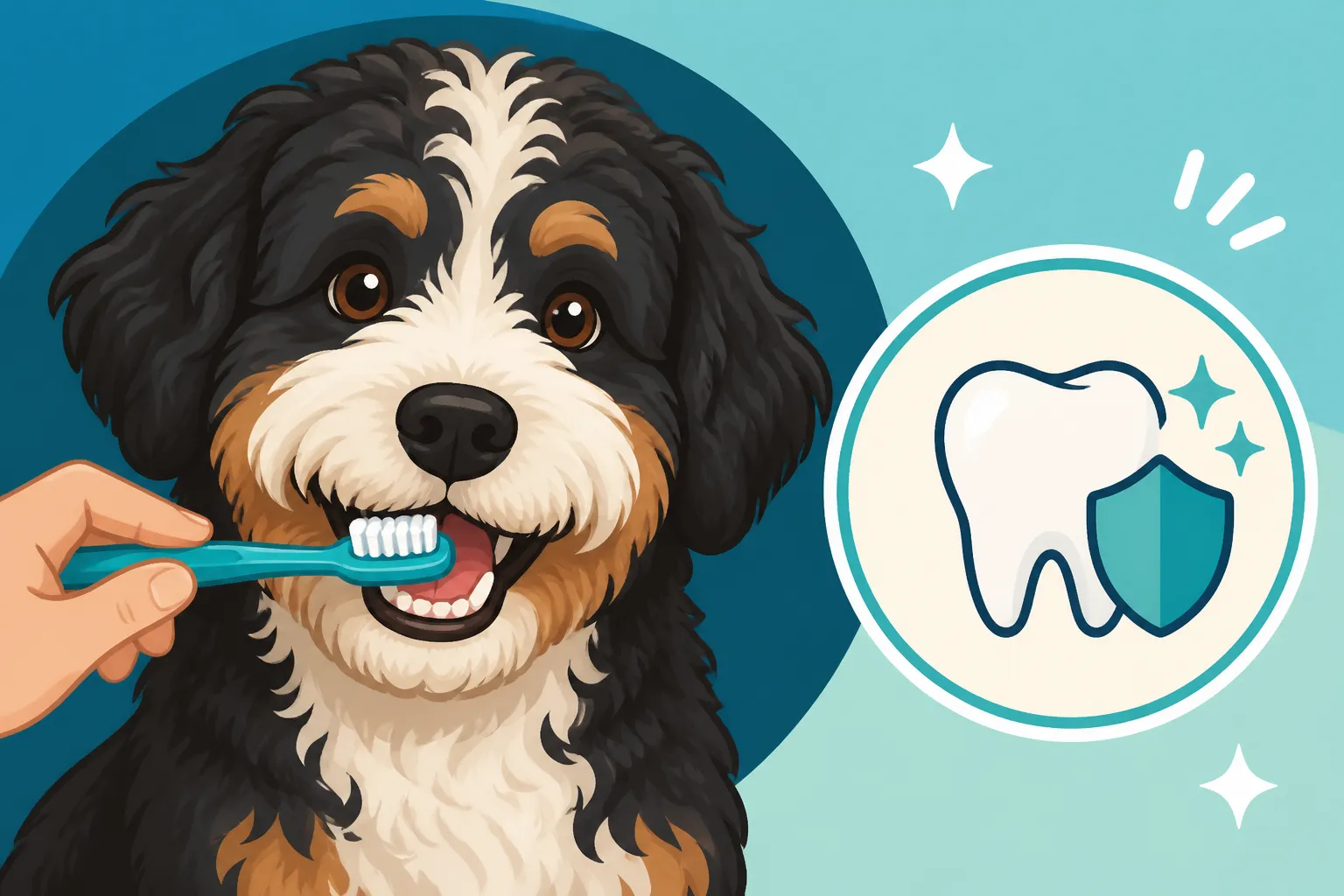
Whether a Bernedoodle’s Teeth Need Weekly Brushing
As a Bernedoodle parent, you probably already know how much love and care goes into these wonderful dogs. But one area that often gets overlooked, or perhaps just feels overwhelming, is dental health. Many of us wonder if simply brushing our Bernedoodle's teeth once a week is enough to keep those pearly whites healthy and prevent serious issues down the line. It's a common question, and I'm here to tell you that while weekly brushing is a fantastic start and certainly better than nothing, there's a lot more to understand about maintaining your Bernedoodle's oral hygiene for a truly healthy, happy life.
Why Bernedoodle Dental Health Matters More Than You Think
It’s easy to think of dental issues as just a minor inconvenience, maybe just some bad breath. But for our Bernedoodles, neglected dental health can be a gateway to significant pain, infection, and even more serious systemic health problems. They can't tell us when their teeth hurt, so it's up to us to be proactive.
Beyond Bad Breath: The Deeper Risks
That stinky "dog breath" isn't just unpleasant; it's often a tell-tale sign of bacteria proliferating in your Bernedoodle's mouth. These bacteria form plaque, which hardens into tartar. Over time, this leads to gingivitis, an inflammation of the gums. If left unchecked, gingivitis progresses to periodontal disease, a far more serious condition where the tissues supporting the teeth are destroyed. This can cause painful gum recession, bone loss, and ultimately, tooth loss.
What's even more concerning is that the bacteria from severe periodontal disease don't just stay in the mouth. They can enter your Bernedoodle's bloodstream, traveling to vital organs like the heart, kidneys, and liver, causing infections and inflammation there. This means a seemingly isolated dental problem can contribute to serious organ damage over time, impacting your Bernedoodle's overall [Health & Lifespan]. The Bernese Mountain Dog side of your Bernedoodle can also be prone to certain health issues, and maintaining good oral hygiene is one way to ensure their general well-being.
The Hidden Dangers of Neglect
Imagine living with a constant toothache or painful swollen gums, unable to articulate your discomfort. That's the reality for many dogs with untreated dental disease. They might become reluctant to eat, especially hard kibble, or stop playing with their favorite chew toys. You might notice them pawing at their mouth or drooling excessively. These subtle signs are often indicators of significant pain that has been building for a long time.
Treating advanced dental disease is also far more involved and costly than preventive care. We're talking about multiple tooth extractions, which require general anesthesia, pain medication, and potentially antibiotics. The recovery can be uncomfortable for your dog, and the financial impact on your wallet can be substantial. It's a frustrating situation to be in, knowing that consistent, proactive care could have prevented much of the suffering and expense. This is part of the overall What a Bernedoodle Costs Over Its Whole Life, and dental care should absolutely be factored into that.
The Reality of Weekly Brushing for Your Bernedoodle
So, you're committed to brushing – that's fantastic! Now let's talk about what "weekly" really means in the grand scheme of things and how to make it a positive experience for both of you.
Is Weekly Enough? Understanding Optimal Frequency
While weekly brushing is certainly a commendable effort and puts you ahead of many pet parents, the veterinary consensus for optimal dental hygiene in dogs is actually daily brushing. Think about it: you brush your teeth at least once, usually twice, a day to prevent plaque buildup. Your Bernedoodle's mouth isn't much different. Plaque starts forming almost immediately after eating, and it only takes about 24-48 hours for that plaque to start hardening into tartar, which cannot be removed by brushing alone.
However, let's be realistic. Daily brushing can be a challenge with a busy schedule, and for some Bernedoodles, it might take a lot of patience to get them comfortable with it. If daily isn't feasible, aiming for every other day, or at a bare minimum, three times a week, would be a more robust approach than just once a week. If weekly is all you can manage consistently, please don't stop! It's still beneficial and significantly better than no brushing at all. The key is consistency, whatever frequency you can realistically maintain.
Getting Your Bernedoodle to Cooperate
Brushing a large, sometimes stubborn, Bernedoodle's teeth isn't always easy. They might be wary of having their mouth handled, and that's completely normal. The trick is to make it a positive, low-stress experience. Start slow, especially if your Bernedoodle isn't used to it. Begin by simply touching their muzzle and lips, then gradually introduce a finger wrapped in gauze, gently rubbing their teeth and gums. Use a dog-specific toothbrush and toothpaste – never human toothpaste, as it contains ingredients toxic to dogs.
The moment you finish, offer a high-value treat and praise them lavishly. This creates a positive association. Short, frequent sessions are more effective than long, drawn-out struggles. If your Bernedoodle is particularly resistant, consider different types of toothbrushes, like finger brushes or enzymatic toothpastes that work even with minimal brushing. Patience, consistency, and positive reinforcement are your best friends here. This patience will also serve you well when you're Teaching a Bernedoodle to Lie Down for Three Hours of Grooming or getting them used to other necessary handling.
Beyond the Brush: A Multi-Pronged Approach to Oral Care
Brushing is paramount, but it's not the only tool in your dental health arsenal. A comprehensive approach often involves a combination of methods to keep your Bernedoodle's mouth as clean as possible.
Dental Chews and Toys: A Supplement, Not a Solution
Many dental chews and toys on the market claim to clean teeth and reduce plaque. Some can be genuinely helpful as an adjunct to brushing, but it's crucial to understand they are rarely a complete solution on their own. Look for products that have been awarded the Veterinary Oral Health Council (VOHC) seal of acceptance. This means they have scientific evidence to back up their claims for reducing plaque and/or tartar.
When choosing dental chews, consider your Bernedoodle's chewing style and size. You want something durable enough to provide mechanical abrasion but not so hard that it risks breaking teeth. Always supervise your Bernedoodle with new chews to ensure they don't ingest large pieces or choke. Popular online retailers like Chewy offer a vast selection of VOHC-approved chews, allowing you to compare ingredients and reviews easily. Remember, these are like a treat with a bonus, not a replacement for manual brushing.
Water Additives and Dental Diets
Another avenue for supporting oral health includes water additives and specialized dental diets. Water additives typically contain enzymes or other ingredients designed to break down plaque-forming bacteria in your dog's mouth as they drink. They're often tasteless and colorless, making them easy to incorporate into your dog's routine. However, their effectiveness can vary, and again, they work best as part of a broader dental hygiene plan.
Dental prescription diets are formulated with kibble that is specifically designed to scrub the teeth as the dog chews, or they contain ingredients that reduce plaque buildup. These can be very effective, especially for dogs who are resistant to brushing or have a history of dental problems. If you're considering a fresh food diet from a company like Ollie, discuss dental health with them and your vet. While fresh food is fantastic for overall health, it may not offer the same mechanical cleaning action as some specialized kibble. Always consult your veterinarian before making significant dietary changes, especially if it's for a specific health concern like dental disease.
Professional Dental Cleanings: The Cornerstone of Care
No matter how diligent you are with home care, professional dental cleanings performed by a veterinarian are an absolute necessity for your Bernedoodle's long-term oral health. Just like humans need regular dental cleanings, dogs do too. These procedures are done under general anesthesia, which allows the vet to thoroughly examine every tooth, take X-rays to assess root health, scale away plaque and tartar both above and below the gumline, and polish the teeth to smooth out any surfaces that bacteria might cling to.
Anesthesia can be a concern for some owners, especially with a large dog, but modern veterinary anesthesia protocols are very safe, and pre-anesthetic blood work helps assess any risks. For a Bernedoodle that may live The Twelve to Fifteen Years a Bernedoodle Is Sold On, regular professional cleanings are crucial to prevent the painful and often expensive consequences of advanced dental disease. Your vet can recommend how often your Bernedoodle needs a professional cleaning, which typically ranges from every one to three years, depending on their individual needs and the effectiveness of your home care routine.
Establishing a Sustainable Routine for Long-Term Health
The key to preventing dental issues isn't a one-off effort; it's about building consistent habits that last a lifetime. This is especially true for Bernedoodles, who can be quite sensitive and benefit from routine.
Starting Early: Training Your Bernedoodle Puppy
The absolute best time to start getting your Bernedoodle comfortable with dental care is when they are a puppy. Even before all their adult teeth come in, gently handling their mouth, lifting their lips, and introducing them to a soft finger brush or a small piece of gauze will make a huge difference. Make it a positive experience with lots of praise and tiny, delicious treats.
Puppies are naturally curious and often more adaptable than adult dogs. By associating teeth cleaning with good things from a young age, you're setting them up for a lifetime of easier dental care. This early training also helps with other important grooming habits like getting their nails trimmed or being comfortable with baths, which is vital for The Volume of Coat a Bernedoodle Owner Brushes Weekly. Don't wait until you see a problem; start building those good habits now.
Consistency is Key: Making it a Habit
Finding a time that works for both you and your Bernedoodle is essential for maintaining consistency. Perhaps it's after their last meal of the day, before bed, or right after a morning walk when they're a bit more relaxed. Whatever time you choose, try to stick to it. Dogs thrive on routine, and knowing what to expect can reduce anxiety around the process.
Consider keeping your Bernedoodle's dental supplies – toothbrush, toothpaste, and a few special treats – in an easily accessible spot, maybe even on a low shelf in the bathroom. This makes it less likely to be forgotten. If you find yourself struggling to remember, set a reminder on your phone. Even if you can't manage daily, committing to a consistent schedule of 3-4 times a week will go a long way in managing plaque and tartar buildup and preventing painful issues down the road.
Here's a quick comparison of various dental care methods:
| Dental Care Method | Primary Benefit | Recommended Frequency | Effort Level (Owner) | Cost (Relative) |
|---|---|---|---|---|
| Manual Tooth Brushing | Direct plaque/tartar removal | Daily (or 3-4x/week) | High | Low |
| VOHC Dental Chews | Mechanical plaque reduction, gum stimulation | Daily | Low-Medium | Medium |
| Water Additives | Inhibits plaque-forming bacteria | Daily | Low | Low-Medium |
| Dental Diets | Specialized kibble design for cleaning | Daily (as food) | Low | Medium-High |
| Professional Cleaning | Comprehensive plaque/tartar removal, exam | 1-3 years (as needed) | Low (vet performs) | High |
Ultimately, while weekly brushing is a good start, aim higher if you can. Your Bernedoodle deserves the best chance at a long, pain-free life, and excellent dental hygiene is a massive part of that. Keep up the good work, and don't hesitate to chat with your vet about the best dental care plan for your unique furry friend!
Disclaimer
This article is for general informational purposes only and does not constitute professional advice. Laws, prices and regulations vary by location and change over time. Consult a qualified professional for guidance on your specific situation.