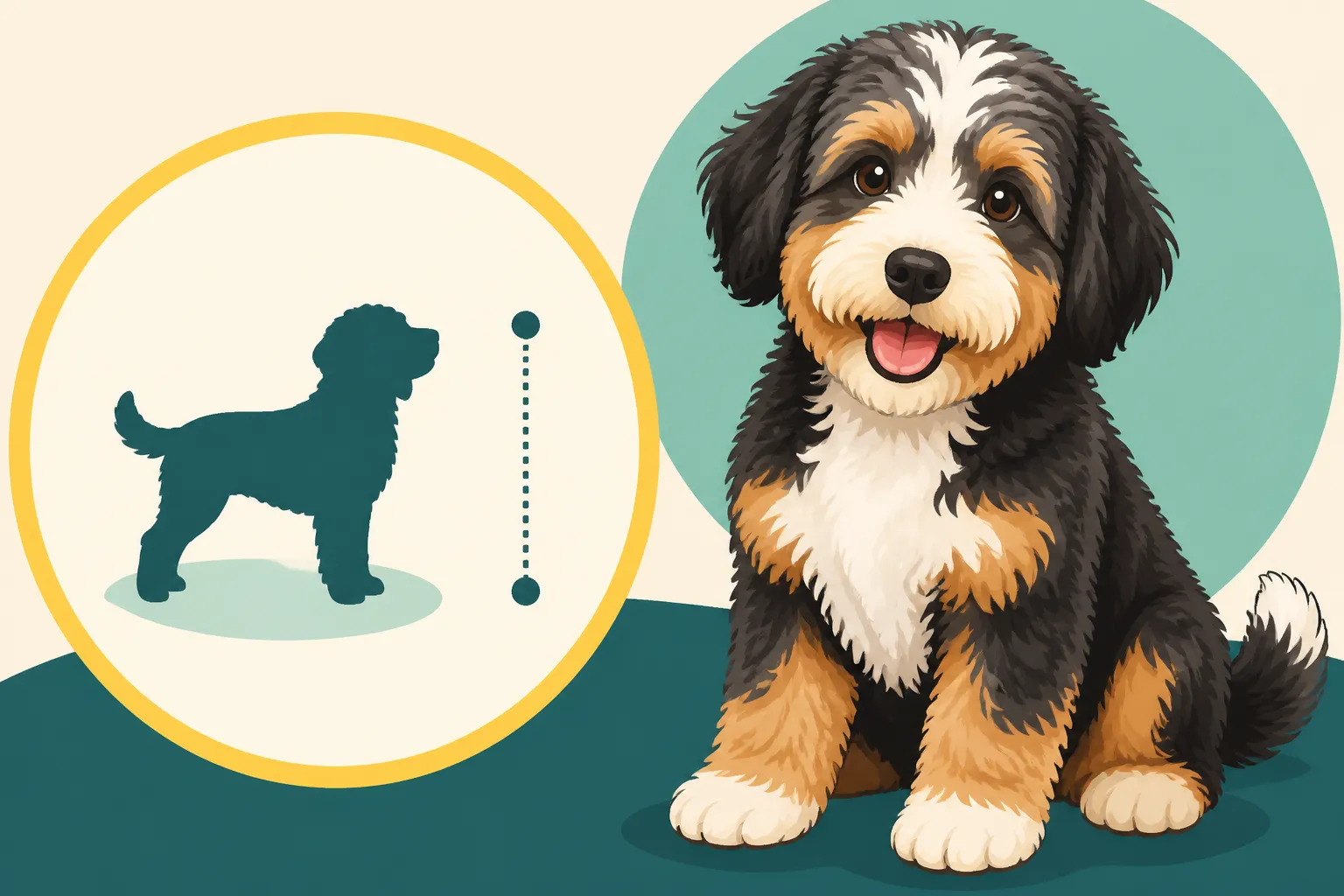
The Mini Bernedoodle at Twenty Five to Fifty Pounds
Navigating the world of Bernedoodle sizes can feel like trying to hit a moving target. Many hopeful owners dream of a "mini" size, but then discover that even within that category, there's a significant range. If you’re eyeing a Bernedoodle puppy and envision a companion that will mature into the sweet spot of 25 to 50 pounds, this guide is specifically for you. We’ll delve into exactly what to expect from a mini Bernedoodle in this particular weight class, covering everything from their daily needs to their unique personality quirks.
What Defines a Mini Bernedoodle in the 25-50 Pound Range?
When you hear "mini Bernedoodle," it’s easy to picture a dog that's uniformly small, but the reality is far more nuanced. The 25-50 pound range is a fantastic sweet spot for many families, offering a dog that's substantial enough for active play but still manageable in a variety of living situations. It’s important to understand what contributes to this size, and why predicting it isn't always an exact science.
Understanding the Size Spectrum
The term "mini Bernedoodle" itself can be a bit fluid, with some breeders defining it as anything under 70 pounds, while others are much more precise. Our focus here, on the 25-50 pound mini, is often achieved by breeding a miniature Poodle with a Bernese Mountain Dog, or sometimes by breeding two mini Bernedoodles together. The goal is to consistently produce offspring that fall within this desirable middle-ground. This size avoids the extreme fragility sometimes associated with "tiny" Bernedoodles, yet remains significantly smaller than their "standard" counterparts, which can easily tip the scales at 80-100+ pounds. This medium size often means they are less prone to certain joint issues that can plague very large breeds, simply due to carrying less body mass. They are large enough to be sturdy playmates but small enough to fit comfortably on most laps, if they're so inclined.
Genetic Influences on Adult Weight
A Bernedoodle’s adult size is a fascinating blend of its Bernese Mountain Dog and Poodle lineage. The Bernese parent typically contributes genes for a large, robust build, while the Miniature Poodle parent brings in the genetics for a significantly smaller frame. When breeding a mini Bernedoodle, breeders are carefully selecting parent dogs to try and achieve that intermediate size. An F1 mini Bernedoodle (a direct cross between a Bernese and a Mini Poodle) tends to have the most variability. You might get some puppies on the higher end of the 50-pound mark, and others closer to 25. An F1b mini Bernedoodle (a mini Bernedoodle bred back to a Mini Poodle) often results in a more consistently smaller size, pushing many puppies into the 25-40 pound range, as the Poodle genetics are reinforced. It’s a delicate dance of genetics, and even with the most careful planning, nature sometimes throws a curveball. That's why working with a reputable breeder who knows their lines and can show you the parents' weights and the typical size of their previous litters is so crucial. They're trying to achieve a particular genetic outcome, and a good breeder will be transparent about the potential variations.
Predicting Your Puppy's Future Size
The desire to know exactly how big your puppy will get is completely natural. We all want to visualize our future furry family member! However, predicting a Bernedoodle puppy's exact adult weight, especially within the mini range, can be tricky. While breeders can offer estimates based on the parents' sizes and their breeding experience, it's never a guarantee. Some puppies just take after one side of the family more strongly than expected. Look for breeders who provide growth charts or can share weights of full-grown siblings from previous litters. While paw size is a fun old wives' tale, it's not a reliable indicator. A more scientific approach often involves looking at puppy weight at specific milestones, but even that is an educated guess. The most important thing is to be prepared for a dog that could be anywhere within that 25-50 pound range and love them no matter where they land. After all, their personality and health are far more important than hitting a precise number on the scale. For further reading, you might find Whether a Bernedoodle Outgrows Its Size Class helpful.
Daily Life and Exercise Needs for a 25-50 Pound Mini Bernedoodle
Bringing a new dog into your home means adjusting your daily routine to meet their needs. A 25-50 pound mini Bernedoodle strikes a lovely balance, often having enough energy to be an active companion but not so much that they need constant, intense exercise like some working breeds. They fit well into a variety of lifestyles, from moderately active families to individuals who enjoy daily walks and weekend adventures.
Managing Their Energy Levels
Mini Bernedoodles, particularly those in the 25-50 pound bracket, are a wonderful mix of their parent breeds' energy levels. The Poodle side brings intelligence and a lively, playful spirit, while the Bernese Mountain Dog often contributes a calmer, more laid-back demeanor. What you end up with is often a dog that loves to play fetch in the yard or enjoy a good run, but is also perfectly content to curl up on the couch for a long cuddle session. They typically thrive on a moderate amount of daily exercise—think two good walks a day, perhaps 30-45 minutes each, along with some playtime. Mental stimulation is just as crucial as physical exercise for these smart cookies. Interactive toys, puzzle feeders (which you can easily find at a pet retailer like Chewy), and training sessions will help keep their minds engaged and prevent boredom, which can sometimes lead to destructive behaviors. It's about finding that sweet spot where they're tired but not overstimulated.
Suitable Activities for This Size
The 25-50 pound mini Bernedoodle is truly versatile when it comes to activities. They're robust enough for many dog sports like agility, obedience, or even some light hiking. Unlike their standard-sized cousins, they might find it easier to navigate tighter turns in an agility course or jump with less strain on their joints. Many enjoy trips to the dog park where they can socialize and burn off steam with other dogs, but always supervise these interactions carefully. If you’re a runner, a healthy adult mini Bernedoodle can often make a fantastic running partner, once they're fully grown and conditioned. Swimming can also be an excellent low-impact exercise, especially in warmer months. Remember that while they are smaller than standards, they still have the Bernese double coat, so always be mindful of overheating during strenuous activities, especially if they have a darker coat. Whether a Bernedoodle Should Be Walked in Summer is a great resource to consider.
Space Requirements and Living Arrangements
One of the big appeals of a 25-50 pound mini Bernedoodle is their adaptability to various living situations. While a standard Bernedoodle really thrives with a spacious home and a large yard, a mini in this size range can do quite well in an apartment or a smaller home, provided their exercise needs are consistently met. Daily walks, trips to a local park, and indoor playtime can provide plenty of physical and mental stimulation. The key isn't necessarily the size of your dwelling, but rather the commitment you have to engaging them. If you live in an apartment, make sure there are plenty of dog-friendly areas nearby where you can take them for their walks and potty breaks. Remember that while they may not need a huge backyard, they will appreciate having a comfortable space indoors to call their own, such as a cozy dog bed or a crate. Consider Whether a Standard Bernedoodle Needs a Big Yard for a comparison of space needs.
Grooming Considerations for the Mid-Sized Mini Bernedoodle
Ah, the Bernedoodle coat! It’s one of their most defining features and often the reason people are drawn to them, especially those looking for a lower-shedding companion. However, that beautiful coat comes with its own set of responsibilities, and a 25-50 pound mini Bernedoodle is no exception. While they're smaller than a standard, the density and texture of their coat can still demand significant attention.
Coat Types and Their Maintenance
Mini Bernedoodles can exhibit a range of coat types, from wavy to curly, and occasionally even straight. The wavy coat, often described as a "fleece" coat, is the most common and generally considered the easiest to maintain, though it still requires regular brushing to prevent mats. The curly "wool" coat, very similar to a Poodle's, is usually the most low-shedding but also the most prone to matting if not brushed frequently and clipped regularly. The less common straight "hair" coat might shed more like a Bernese and can still mat, especially around the ears and legs. Regardless of the type, the Bernedoodle coat is dense, and a 25-50 pound dog still has a lot of surface area for tangles to form. You’ll be looking at weekly, if not daily, brushing to keep that coat healthy and free of painful mats. Starting grooming early and making it a positive experience is absolutely vital, even for a smaller dog. You can learn more about specific coat types in The Wavy Coat Most Bernedoodles Carry.
Professional Grooming vs. Home Care
For a 25-50 pound mini Bernedoodle, a combination of professional grooming and consistent home care is usually the golden standard. While you might think a smaller dog would be easier to groom yourself, the dense, often long coat still takes time and effort. Professional grooming typically involves bathing, drying, brushing, and a haircut, and is usually needed every 6-8 weeks. This helps keep the coat at a manageable length and prevents severe matting. However, even with regular professional appointments, daily or every-other-day brushing at home is non-negotiable. Skipping home brushing will inevitably lead to mats, which then lead to more expensive and potentially painful dematting sessions, or even a full shave-down at the groomer. Investing in good quality grooming tools from a place like Chewy – a slicker brush, a metal comb, and perhaps a dematting tool – will save you headaches and money in the long run.
Tackling Mats and Tangles
Mats are the bane of every Bernedoodle owner's existence, regardless of size. For a 25-50 pound mini, common matting areas include behind the ears, in the armpits, under the harness, and in the "britches" (the fur on their hind legs). These areas experience friction and can quickly knot up, especially if the coat is damp or dirty. The key to tackling mats is prevention. Regular, thorough line brushing (getting down to the skin with your brush and comb) is crucial. When you do encounter a small mat, try to gently work it out with a detangling spray and a comb, starting from the outer edges and working inwards. If a mat is too tight or large, do not attempt to cut it out with scissors yourself, as it's incredibly easy to accidentally cut the skin. Instead, it's best to consult a professional groomer. They have the tools and expertise to safely remove stubborn mats, even if it means clipping the area very short. Remember, a matted coat can be uncomfortable and even painful for your dog, pulling on their skin and trapping moisture which can lead to skin infections. You can read more about this in Mats in a Bernedoodle's Armpits and Britches.
Health and Longevity in the 25-50 Pound Mini Bernedoodle
One of the primary motivations behind crossing the Bernese Mountain Dog with the Poodle was to potentially improve the overall health and longevity of the offspring, particularly mitigating some of the health challenges faced by the Bernese. While a mini Bernedoodle in the 25-50 pound range generally benefits from this "hybrid vigor," they are not immune to all health issues, and understanding potential concerns is part of being a responsible owner.
Common Health Concerns in This Size Category
Even at a smaller size, Bernedoodles can still inherit predispositions from both parent breeds. Hip and elbow dysplasia, while often less severe than in larger Bernese Mountain Dogs, can still occur. Ethical breeders will screen their parent dogs for these conditions, so always ask for health clearances. Conditions like Von Willebrand's Disease (a bleeding disorder) and Degenerative Myelopathy are also important to be aware of, as both can be carried by Poodles and Bernese, respectively. Thankfully, DNA testing can identify carriers of these diseases. A good breeder will have performed these tests on their parent dogs, reducing the risk of passing them on to puppies. Bloat (Gastric Dilatation-Volvulus), while more common in deep-chested large breeds like the standard Bernedoodle, can theoretically still affect a mini, especially those on the higher end of the 50-pound scale. Being aware of the signs is crucial. You can learn more about relevant testing in The SOD1 Test Both Bernedoodle Parents Need and understand symptoms in What Degenerative Myelopathy Looks Like in a Bernedoodle. Also, consider Elbow Dysplasia in a Growing Bernedoodle for detailed information.
Nutritional Needs for a Moderately Sized Dog
Feeding a 25-50 pound mini Bernedoodle requires a balanced approach to ensure healthy growth and maintain an ideal weight throughout their life. During puppyhood, it's important to feed a high-quality large or medium breed puppy food. While they aren't "giant" like a standard Bernedoodle, their growth rate still benefits from the controlled calcium and phosphorus levels found in these formulas, which support healthy bone and joint development. Overfeeding a growing puppy can lead to rapid growth, which in turn can exacerbate joint issues. As adults, they will need a high-quality adult dog food appropriate for their activity level. The exact amount will depend on their metabolism, exercise, and the specific food, but always follow the guidelines on the food packaging and adjust as needed to maintain a healthy weight. Regular body condition checks – being able to feel their ribs without pressing hard, and seeing a tucked waist – are vital. Obesity is a significant health risk for any dog, contributing to joint problems, heart disease, and a shortened lifespan. Stores like Chewy offer a vast selection of dog foods for various life stages and sizes. For a comprehensive look at feeding, consider Feeding a Bernedoodle That Will Reach Ninety Pounds for a comparative perspective, and Keeping a Bernedoodle's Weight Down for general advice.
When to Consult Your Vet
As with any dog, regular veterinary check-ups are essential for a 25-50 pound mini Bernedoodle. Annual wellness exams allow your vet to monitor their overall health, perform necessary vaccinations, and catch any potential issues early. Beyond routine care, it's important for owners to be vigilant for changes in their dog's behavior or physical condition. This could include limping, difficulty getting up, changes in appetite or thirst, lethargy, skin irritations, or unusual lumps and bumps. If you ever notice persistent changes or acute symptoms, don't hesitate to contact your veterinarian. Early intervention can make a significant difference in the prognosis and cost of treatment for many conditions. Remember, your vet is your best partner in ensuring your mini Bernedoodle lives a long, happy, and healthy life. The Screening a Bernedoodle Should Have Yearly provides a good overview of preventative care.
Temperament and Training for a 25-50 Pound Mini Bernedoodle
The temperament of a Bernedoodle is truly one of its most celebrated qualities. For the 25-50 pound mini, you often get the best of both worlds: the calm, affectionate nature of the Bernese blended with the intelligence and playful zest of the Poodle. This makes them highly trainable and wonderful family companions, but like all dogs, they benefit immensely from early socialization and consistent training.
Balancing Playfulness and Calmness
Mini Bernedoodles in this size range are known for their delightful personalities. They are often described as "goofy" and loving, eager to please, and deeply devoted to their families. The Poodle's playful energy means they'll enjoy romping around and engaging in games, while the Bernese influence brings a steady, gentle nature, often leading to them being quite content to relax by your side. They thrive on companionship and can be prone to separation anxiety if left alone for extended periods without proper training and enrichment. Early and ongoing socialization is key to ensuring they grow into well-adjusted adults, comfortable with new people, places, and other animals. Without it, the Bernese tendency towards shyness can sometimes manifest. You might want to read The Shyness a Bernedoodle Gets From the Bernese for more insight. Their intelligence makes them quick learners, but they can also have a stubborn streak, a charming Bernese trait that requires patience and positive reinforcement in training.
Training for a Strong but Manageable Dog
Even a 25-50 pound dog can exert significant force, especially on a leash! Therefore, training is not just about manners; it's about safety and creating a harmonious household. Basic obedience commands like sit, stay, come, and lie down are crucial. Because of their intelligence, Bernedoodles often excel in training and enjoy the mental stimulation it provides. Positive reinforcement methods, using treats and praise (many Bernedoodles are highly food motivated – you can find excellent training treats at Chewy), work exceptionally well. Leash training should start early to prevent pulling. A front-clip harness or a head halter can be incredibly useful tools for managing a strong pulling dog of this size. Consistency is paramount; everyone in the household should use the same commands and expectations. Enrolling in puppy classes and then moving on to advanced obedience can lay a strong foundation for a well-behaved companion. Check out Leash Manners on a Bernedoodle Heading for Ninety Pounds for relevant training advice, even if your dog is smaller.
Integration into Family Life
The 25-50 pound mini Bernedoodle is typically an excellent family dog. Their gentle nature, coupled with their robust size (not too small, not too big), makes them generally good with children, provided both dog and children are taught how to interact respectfully. Always supervise interactions, especially with very young children. Their desire for companionship also means they generally get along well with other pets in the household, especially if introduced properly. They thrive on being included in family activities, whether it's a walk in the park, a car ride, or just lounging at home. They will lean on you, literally and figuratively, so be prepared for a dog that wants to be close. Their loyalty is unwavering, and they truly become an integral part of the family fabric. Because they are often a comfortable size, they can be great travel companions, fitting more easily into a car or even on a plane (airline restrictions permitting) than their standard counterparts.
Costs Associated with Owning a 25-50 Pound Mini Bernedoodle
Bringing a Bernedoodle into your life is a significant financial commitment, and it extends far beyond the initial purchase price. For a 25-50 pound mini, while some costs might be slightly lower than for a giant breed, others can actually be higher, and it's essential to have a clear understanding of the financial responsibilities involved.
Initial Purchase Price Considerations
The initial purchase price of a 25-50 pound mini Bernedoodle can vary significantly based on factors such as breeder reputation, location, lineage, and color/markings. Generally, mini Bernedoodles, especially those bred to specific size parameters, tend to be more expensive than standard Bernedoodles. This is often due to the complexities of breeding for size consistency across generations, and sometimes because the smaller Poodle parent may produce smaller litters. You can expect to invest a substantial amount for a well-bred mini Bernedoodle from a reputable breeder who performs all recommended health clearances on their parent dogs. Be wary of prices that seem too good to be true, as they often indicate a lack of proper health testing or ethical breeding practices. Always research breeders thoroughly and ensure they are transparent about their health testing protocols. For more on this, read Why a Mini Bernedoodle Costs More Than a Standard.
Ongoing Expenses: Food, Grooming, and Vet Care
Once you bring your mini Bernedoodle home, the ongoing expenses begin. Food will be a regular cost, and while a 25-50 pound dog eats less than a 90-pound standard, high-quality dog food isn't cheap. Budget for monthly food costs, which can fluctuate with brand and ingredients. Grooming is another significant, non-negotiable expense. Even for a smaller mini, their dense coat requires professional grooming every 6-8 weeks, which adds up. Factor in the cost of brushes, shampoo, and other grooming supplies for home care, readily available at retailers like Chewy. Regular vet care, including annual check-ups, vaccinations, and parasite prevention, is also a continuous expense. Don't forget toys, treats, a good quality leash and collar, a dog bed, and potentially a crate. These items might seem small individually, but they contribute to the overall cost of ownership.
Pet Insurance and Unexpected Costs
Beyond the predictable expenses, unexpected veterinary costs can quickly become a financial burden. Accidents or sudden illnesses can lead to thousands of dollars in bills. This is where pet insurance can be a lifesaver. While it's an additional monthly premium, it can provide peace of mind and help cover a significant portion of unexpected veterinary expenses. Research different policies and consider what type of coverage would be most beneficial for your specific Bernedoodle, considering breed-specific predispositions. Even with pet insurance, it's wise to have an emergency fund set aside. Preparing for these potential costs is part of being a responsible pet parent and ensures you can provide the best care for your 25-50 pound mini Bernedoodle throughout their life. Consider What Cancer Treatment Costs a Bernedoodle Owner and Insuring a Bernedoodle Against the Bernese Half for more context on potential health costs. You can also explore What a Mini Bernedoodle Groom Costs for a detailed breakdown.
Here's a quick comparison of approximate care considerations for mini vs. standard Bernedoodles:
| Category | 25-50 lb Mini Bernedoodle | 70-100+ lb Standard Bernedoodle |
|---|---|---|
| Daily Exercise | Moderate (2x 30-45 min walks + playtime) | High (2x 60+ min walks + active play) |
| Food Consumption | Less (e.g., 2-3 cups/day) | Significantly More (e.g., 4-6+ cups/day) |
| Grooming Time (Pro) | 2-3 hours per session | 3-4+ hours per session |
| Risk of Bloat | Lower, but still possible | Higher, due to deep chest |
| Joint Strain | Less due to lower weight | More, particularly hips/elbows |
| Travel | More adaptable (car, sometimes plane) | Less adaptable (large vehicle, limited plane) |
| Apartment Suitability | Good with sufficient exercise | Challenging without significant outdoor access |
| Lifespan | Generally longer (12-15+ years) | Shorter (7-10 years for Bernese influence) |
Disclaimer
This article is for general informational purposes only and does not constitute professional advice. Laws, prices and regulations vary by location and change over time. Consult a qualified professional for guidance on your specific situation.