The Bernedoodle Against an Aussiedoodle
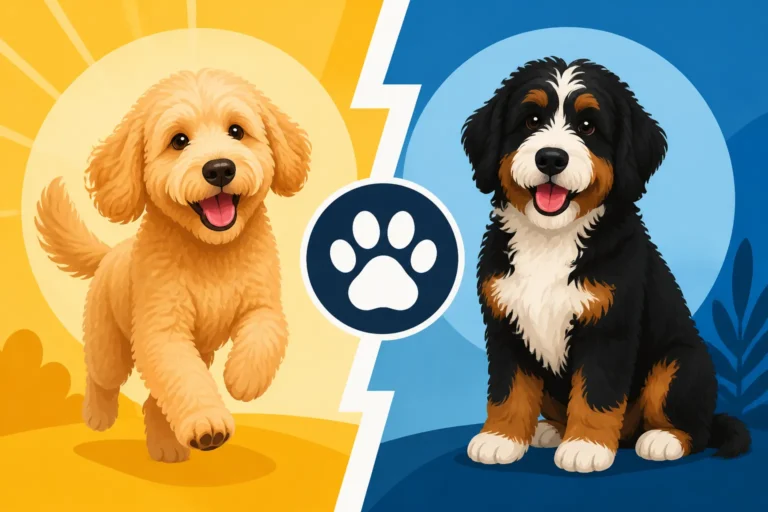
Choosing a new furry family member is such an exciting time, but let's be honest, it can also be incredibly overwhelming! You've likely fallen in love with the adorable looks and delightful personalities of both the Bernedoodle and the Aussiedoodle, but now you're faced with the real challenge: which one is truly the best fit for your home, your lifestyle, and your heart? It's a common dilemma, as both breeds bring so much joy but also unique demands. This comprehensive guide is here to untangle the differences, break down their traits, and help you confidently decide which of these wonderful designer dogs will thrive as part of your family.
A Tale of Two Doodles: Understanding Their Origins
When we talk about "designer breeds" like the Bernedoodle and Aussiedoodle, what we're really discussing are intentional crosses between two purebred dogs, aimed at blending desirable traits from both parents. This isn't just a random mix; reputable breeders carefully select parent dogs with excellent temperaments and health clearances, hoping to create a new generation that combines the best of both worlds. Understanding the parent breeds is absolutely crucial to grasping the unique essence of each doodle.
The Bernedoodle's Foundation: Bernese Mountain Dog and Poodle
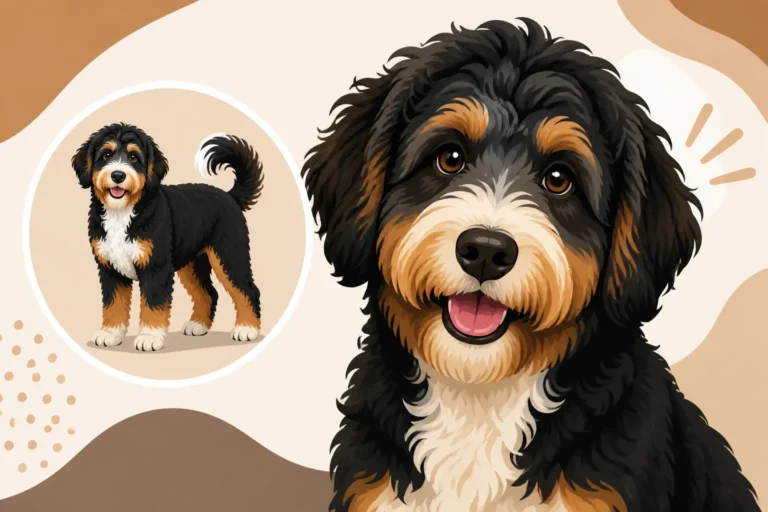
The Bernedoodle emerged from the thoughtful combination of the majestic Bernese Mountain Dog and the highly intelligent Poodle. The Bernese Mountain Dog, a native of the Swiss Alps, is renowned for its striking tri-color coat, gentle nature, and unwavering loyalty. Historically, these dogs were farm companions, herding cattle, guarding property, and pulling carts – essentially the ultimate all-around helper. This heritage contributes to the Bernedoodle's often calm demeanor, its strong bond with family members, and its robust build. They're typically quite affectionate, though sometimes a bit reserved with strangers, a trait often inherited from their Bernese side.
On the other side of the equation is the Poodle, a dog often misunderstood as merely a show dog, but in reality, a highly intelligent, athletic, and versatile breed. Poodles were originally bred as water retrievers, which speaks volumes about their active minds and bodies. They are known for their eager-to-please attitude, quick learning ability, and their famously low-shedding, hypoallergenic coat. The Poodle side of the Bernedoodle brings that coveted low-shedding quality (though no dog is truly 100% hypoallergenic), a sharp mind, and often a playful, sometimes goofy, energy. The goal with this cross was to extend the lifespan of the Bernese, which can sadly be quite short, and to reduce some of the heavy shedding, while retaining the Bernese's wonderful temperament. The Seven Years a Bernese Lives and the Twelve a Bernedoodle Might
The Aussiedoodle's Roots: Australian Shepherd and Poodle
The Aussiedoodle, another incredibly popular doodle, comes from crossing the energetic Australian Shepherd with, again, the brilliant Poodle. The Australian Shepherd, despite its name, was developed in the western United States to herd livestock for Basque shepherds. These are working dogs through and through: intelligent, agile, and possessing an intense herding drive. They are highly active, crave a job to do, and are known for their striking merle coats, keen intelligence, and unwavering devotion to their owners. Their boundless energy and sharp minds mean they excel in dog sports and require significant mental and physical stimulation to prevent boredom and destructive behaviors.
Adding the Poodle into the mix for the Aussiedoodle contributes several key traits. Like with the Bernedoodle, the Poodle introduces that desirable low-shedding coat and further amplifies the intelligence quotient. Poodles also bring an element of athleticism and a willingness to please, which complements the Australian Shepherd's natural drive beautifully. The combination often results in an exceptionally smart, highly trainable, and incredibly playful dog. Aussiedoodles typically inherit the Australian Shepherd's vibrant coloring and energy levels, along with the Poodle's wit and a coat that usually requires dedicated care.
Temperament and Personality: What to Expect
When you're bringing a dog into your home, temperament is everything. You want a companion whose personality truly meshes with your family's dynamic. While individual dogs will always have their own quirks, the general temperamental leanings of Bernedoodles and Aussiedoodles are quite distinct due to their parentage.
The Bernedoodle's Gentle Giant Vibe
Bernedoodles are often described as the perfect blend of goofy, calm, and cuddly. They inherit the Bernese's gentle, easygoing nature, which means they're usually incredibly patient and tolerant, especially with children. They have a strong desire to be close to their family and are often quite content to lounge on the couch, soaking up affection. This isn't to say they don't have their playful moments – many Bernedoodles retain the Poodle's spark for zoomies and games of fetch. They are famously loyal and will often follow their favorite person from room to room. Many Bernedoodles will literally lean on you, embodying that loyal, affectionate trait from the Bernese side. A Bernedoodle That Leans on Everyone
However, the Bernese influence can also mean a Bernedoodle might be a little reserved or even shy with strangers, particularly if not well-socialized as a puppy. They're generally not the type to jump enthusiastically on every new person they meet, preferring to observe first. This can be a wonderful trait for a family dog, as it means they are less likely to bowl over guests, but it does mean early and consistent socialization is key to ensuring they grow into well-adjusted, confident adults. They often mature a bit slower than some breeds, remaining playful and a little puppy-like for longer than you might expect for their size.
The Aussiedoodle's Energetic and Intelligent Spark
In stark contrast, Aussiedoodles are typically bundles of joyful, intelligent energy. They are almost always "on," ready for action, and brimming with enthusiasm. This breed is known for its incredible smarts, inheriting the high intelligence of both the Australian Shepherd and the Poodle. This makes them highly trainable and quick learners, but it also means they require significant mental stimulation to prevent boredom. A bored Aussiedoodle is often a mischievous Aussiedoodle, and they're more than capable of inventing their own "entertainment" if not provided with enough outlets for their brainpower.
The Aussiedoodle's herding heritage often shines through in their personality. They may try to "herd" children or other pets, nipping gently at heels or circling. While this can be cute in a puppy, it needs to be managed and redirected through training. They thrive on having a "job" to do, whether that's learning complex tricks, participating in dog sports like agility, or simply engaging in interactive puzzle toys. They are generally outgoing and friendly, often greeting new people with boundless excitement. If you're looking for a dog to join you on every adventure and constantly keep you on your toes with their clever antics, the Aussiedoodle's energetic and intelligent spark might be just what you're looking for.
Size, Appearance, and Coat Care
Both Bernedoodles and Aussiedoodles come in a variety of sizes and colors, which can make choosing even harder. However, there are general trends in their appearance and, critically, in the demands of their glorious coats.
Bernedoodle Sizes and Coat Varieties
Bernedoodles typically come in three size categories: Standard, Mini, and Tiny. A Standard Bernedoodle can be quite a large dog, often weighing between 70 to 90 pounds or more, and standing tall. Mini Bernedoodles are bred from miniature or toy Poodles and generally range from 25 to 50 pounds, while Tiny Bernedoodles are smaller still, usually under 25 pounds. The Three Bernedoodle Sizes and What Sets Them It's worth noting that even within these categories, there can be considerable variation, and a puppy's adult size can sometimes surprise you!
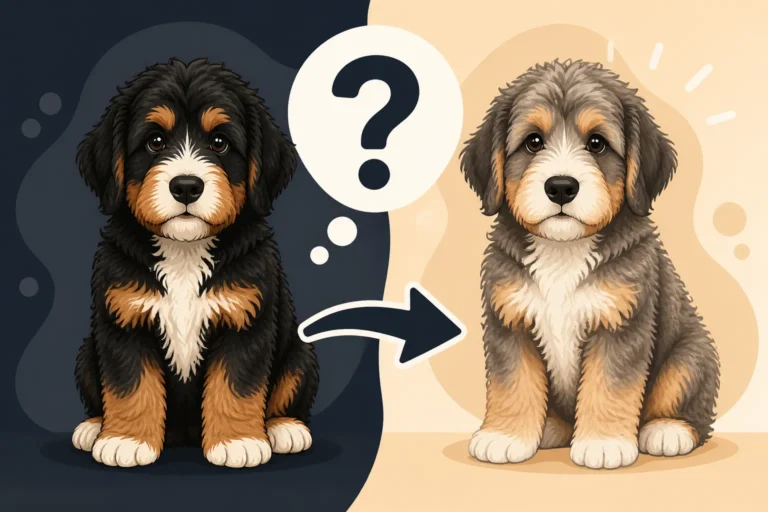
Their coats are typically either wavy or curly, although occasionally a "straight-coated" Bernedoodle will appear, especially in earlier generations. The wavy coat, often called "fleece," is usually the most sought-after for its soft texture and manageable shedding. The curly coat, more Poodle-like, is generally the least shedding but demands the most intensive grooming. The Wavy Coat Most Bernedoodles Carry Bernedoodles boast a stunning array of colors, with the traditional tri-color (black, white, and rust) being incredibly popular due to its Bernese heritage. You can also find bi-colors (black and white, sable and white), phantom (black and tan), sable, and even merle Bernedoodles.
Regardless of the exact coat type, all Bernedoodles require significant grooming. Their dense coats are prone to matting, especially in high-friction areas like armpits, behind the ears, and in the "britches." Regular brushing, ideally daily or every other day, is absolutely essential. Professional grooming every 6-8 weeks is also a must, which can be a significant ongoing cost. Missing grooming appointments or neglecting home care can quickly lead to painful matting, which often necessitates a complete shave-down. Be prepared for substantial time and financial investment in keeping that beautiful coat healthy and tangle-free. The Seventy to Hundred Fifty Dollar Bernedoodle Groom You'll want to stock up on quality brushes and combs, perhaps from online retailers like Chewy, to keep up with their demanding fur.
Aussiedoodle Variations and Grooming Demands
Aussiedoodles tend to be a bit smaller overall than Bernedoodles, reflecting their Australian Shepherd parentage which is typically smaller than a Bernese Mountain Dog. Standard Aussiedoodles usually range from 40 to 70 pounds, while Mini Aussiedoodles are often in the 15 to 40-pound range. True "Tiny" Aussiedoodles are less common but can exist from a Toy Poodle cross. Like Bernedoodles, their adult size can vary, so always confirm with a reputable breeder.
Aussiedoodle coats are also typically wavy or curly, with the wavy "fleece" coat being common and usually easier to manage. Their colors are often incredibly striking, inheriting the vivid patterns of the Australian Shepherd. Merle (a marbled pattern, often blue merle or red merle) is very popular, as are bi-color and tri-color combinations. The Merle Bernedoodle and the Argument Around It Their eyes can also be mesmerizing, often coming in shades of blue or even heterochromia (two different colored eyes), a trait passed down from the Australian Shepherd.
Grooming for an Aussiedoodle is equally important, though perhaps marginally less intense in terms of sheer coat volume compared to a Standard Bernedoodle. Their coats are still prone to matting, especially if curly, and regular brushing multiple times a week is critical. Professional grooming every 6-8 weeks is also highly recommended to keep their coats healthy and prevent issues. The merle coat, while stunning, also requires careful consideration in breeding due to potential health issues associated with the merle gene when two merle dogs are bred together. It's a gorgeous look, but one that comes with a responsibility for ethical breeding.
Exercise, Training, and Lifestyle Compatibility
This is where the rubber truly meets the road in deciding between these two amazing breeds. Their energy levels and inherent drives are quite different, dictating the kind of lifestyle they will thrive in.
Meeting the Bernedoodle's Exercise Needs
Bernedoodles generally have moderate exercise needs, often falling somewhere in the middle of their two parent breeds. They enjoy daily walks, playtime in the yard, and some interactive games, but they're not typically high-strung dogs that require hours of intense activity every single day. A good 30-60 minute walk, combined with some dedicated playtime, often suffices to keep them happy and healthy. After their exercise, they are usually content to settle down and relax with their family. They appreciate comfort and are often quite happy to curl up for a nap.
When it comes to training, Bernedoodles can be a mixed bag. The Poodle's intelligence means they are very capable of learning, but the Bernese influence can introduce a "stubborn streak" that might make them seem a bit less eager to please at times. The Stubborn Streak Under a Bernedoodle's Poodle Brain Consistency, patience, and positive reinforcement are key. They respond best to gentle methods and can become easily disheartened by harsh corrections. Early socialization and puppy classes are incredibly beneficial to help them develop confidence and good manners, especially given their potential size. While they aren't typically driven by a strong "working dog" instinct in the same way an Aussiedoodle might be, many enjoy learning tricks and participating in family activities. They need comfortable beds and engaging toys, perhaps a sturdy Kong from Chewy, to keep them occupied when not active.
Fulfilling the Aussiedoodle's High Energy Demands
If the Bernedoodle is a gentle giant, the Aussiedoodle is a vibrant powerhouse. These dogs have high energy levels and require significantly more exercise and mental stimulation than a Bernedoodle. They thrive in active households where they can be part of outdoor adventures like hiking, running, or long walks. Simply letting them out in a backyard isn't enough; they need structured activity and engagement. Without sufficient outlets for their energy, Aussiedoodles can become bored, anxious, and destructive, leading to behaviors like excessive barking, chewing furniture, or digging.
Their high intelligence makes them incredibly fun to train, but it also means they need a job to do. Aussiedoodles excel in dog sports such as agility, flyball, obedience, and even dock diving. They love learning new commands and tricks and will often pick them up with impressive speed. Consistent training from a young age is paramount, along with channeling their natural herding instincts into appropriate activities rather than allowing them to try and herd family members. They need enrichment toys, puzzle feeders, and plenty of opportunities to use their brains. If you're an avid hiker, runner, or looking for a canine partner for dog sports, an Aussiedoodle will likely be a perfect match. They are truly an active dog's active companion.
Health Considerations and Lifespan
Both Bernedoodles and Aussiedoodles are generally considered healthy dogs, benefiting from hybrid vigor – the idea that crossing two distinct breeds can sometimes reduce the incidence of certain genetic diseases found in purebred lines. However, they are still susceptible to health conditions common to their parent breeds. Choosing a reputable breeder who performs extensive health testing on their parent dogs is absolutely critical for both breeds.
Common Health Concerns for Bernedoodles
From the Bernese Mountain Dog side, Bernedoodles can be prone to certain cancers, especially histiocytic sarcoma, which is a devastating disease in Bernese. Histiocytic Sarcoma and Whether a Bernedoodle Escapes It They can also inherit orthopedic issues like hip and elbow dysplasia. Hips on a Ninety Pound Bernedoodle Responsible breeders will have their breeding dogs certified clear of these conditions through organizations like OFA (Orthopedic Foundation for Animals) or PennHIP.
From the Poodle side, Bernedoodles can be susceptible to bloat (gastric dilatation-volvulus), an acute and life-threatening condition common in deep-chested breeds. Bloat in a Standard Bernedoodle's Deep Chest Eye conditions like Progressive Retinal Atrophy (PRA) and Von Willebrand's Disease (a bleeding disorder) are also concerns from the Poodle lines. Again, genetic testing for these conditions is available and should be verified with the breeder. The typical lifespan for a Bernedoodle, with proper care and good genetics, is often cited as 10-12 years, an improvement over the average Bernese lifespan. The Twelve to Fifteen Years a Bernedoodle Is Sold On
Aussiedoodle Health and Longevity
Aussiedoodles, too, have their share of potential health considerations stemming from their parent breeds. Australian Shepherds are known to carry genetic predispositions for certain eye conditions, including Collie Eye Anomaly (CEA) and Progressive Retinal Atrophy (PRA), as well as hip and elbow dysplasia. Epilepsy can also be a concern in Australian Shepherds. The Poodle influence, as mentioned, brings risks for bloat and Von Willebrand's Disease.
A very important health consideration for Aussiedoodles, particularly those with merle coloring, is the merle gene itself. When two merle dogs are bred together, it can result in what's known as a "double merle," which often leads to severe health problems, including blindness and deafness. Whether a Double Merle Bernedoodle Is Deaf Reputable breeders will never breed two merle dogs together, and it's essential for prospective owners to understand this genetic risk and ensure their breeder is following ethical practices. Aussiedoodles generally have a good lifespan, often ranging from 10 to 12 years, and sometimes longer, again depending heavily on genetics and overall care.
Which Doodle is Right for You? Making the Choice
Ultimately, the decision between a Bernedoodle and an Aussiedoodle comes down to aligning a dog's inherent needs and personality with your own lifestyle and expectations. Both are wonderful, intelligent, and affectionate dogs, but they are certainly not interchangeable.
Ideal Homes for a Bernedoodle
A Bernedoodle often thrives in a home seeking a devoted, loving, and relatively easygoing companion. If you're looking for a dog that will happily join you for a moderate walk or a game of fetch, but is equally content to snuggle on the couch for the evening, a Bernedoodle might be your perfect match. They do well with families, including those with respectful children, due to their patient and tolerant nature. Their generally calmer disposition means they can adapt to various living situations, from houses with yards to potentially larger apartments, as long as their daily exercise needs are met.
Owners must be prepared for the commitment to their coat care, understanding that regular brushing and professional grooming appointments are non-negotiable. They also benefit from early socialization to help them feel comfortable and confident in new situations. If you appreciate a loyal, slightly goofy friend who bonds deeply with their family and doesn't demand constant high-intensity activity, the Bernedoodle is an excellent choice. Consider their potential size and ensure you have space and the ability to manage a large, loving dog.
Ideal Homes for an Aussiedoodle
An Aussiedoodle is truly best suited for active individuals or families who are ready for a high-energy, highly intelligent canine partner. If your idea of a perfect day includes long hikes, trail runs, or engaging in dog sports, the Aussiedoodle will be in their element right by your side. They need owners who are committed to providing daily mental stimulation through training, puzzle toys (find a great selection on Chewy), and interactive games, in addition to significant physical exercise. They thrive on having a purpose and excel when their minds are challenged.
This breed can be a fantastic choice for experienced dog owners, or dedicated first-time owners who are prepared to invest heavily in training and activity. Homes with large, securely fenced yards are often ideal, though they can adapt to smaller spaces if their exercise needs are rigorously met outside the home. If you're looking for a dog that will push you to be more active, learn tricks at lightning speed, and bring an infectious zest for life into your home, the Aussiedoodle could be your perfect, vibrant companion. They may not be the best fit for very sedentary individuals or those with limited time for daily engagement.
Here's a quick comparison to help solidify your thoughts:
| Feature | Bernedoodle | Aussiedoodle |
|---|---|---|
| Parent Breeds | Bernese Mountain Dog, Poodle | Australian Shepherd, Poodle |
| Typical Size | Standard (70-90+ lbs), Mini (25-50 lbs), Tiny (<25 lbs) | Standard (40-70 lbs), Mini (15-40 lbs) |
| Temperament | Gentle, calm, loyal, affectionate, can be goofy | Energetic, intelligent, playful, eager to please, driven |
| Energy Level | Moderate | High |
| Exercise Needs | Daily walks (30-60 min), playtime | Extensive daily exercise (1-2 hours+), mental stimulation |
| Trainability | Intelligent but can have a stubborn streak, positive reinforcement best | Highly intelligent, eager to learn, excels in dog sports |
| Grooming | High (daily brushing, professional grooming 6-8 weeks) | High (frequent brushing, professional grooming 6-8 weeks) |
| Shedding | Low to moderate (depends on coat type) | Low to moderate (depends on coat type) |
| Common Colors | Tri-color, bi-color, phantom, sable, merle | Merle, bi-color, tri-color, solid |
| Family Fit | Great with families, patient with children, devoted | Active families, thrives with engagement, strong herding instinct |
| Lifespan | 10-12 years | 10-12+ years |
Both Bernedoodles and Aussiedoodles offer incredible companionship and unique joys. Your perfect dog is out there, waiting for a loving home that truly understands and meets their specific needs. Hopefully, this detailed comparison helps illuminate the path to finding your new best friend!
Disclaimer
This article is for general informational purposes only and does not constitute professional advice. Laws, prices and regulations vary by location and change over time. Consult a qualified professional for guidance on your specific situation.