Whether Two Tri Bernedoodles Throw Tri Puppies
It’s a common and completely understandable dream to envision a whole litter of adorable, perfectly marked tri-color Bernedoodle puppies bouncing around, especially if you already have a beloved tri-color parent dog. We all fall in love with those distinct black, white, and rust markings, imagining mini versions of our furry family members. However, the world of dog genetics, particularly with a hybrid like the Bernedoodle, is rarely as straightforward as we might hope. The idea that two tri-color Bernedoodles will automatically produce only tri-color puppies is a misconception that many prospective breeders or even curious owners wrestle with. This guide will dive deep into the fascinating (and sometimes frustrating!) genetics behind Bernedoodle coat colors, explaining why it's a bit more complex than simple addition, and what you might actually see in a litter from two tri-color parents.
The Allure of the Tri-Color Bernedoodle and What Makes It So Special
There’s just something magical about the tri-color Bernedoodle, isn’t there? Those classic markings seem to capture the very essence of both the dignified Bernese Mountain Dog and the playful Poodle, blending them into a visually striking and utterly charming package. When people picture a Bernedoodle, often it's that iconic tri-color pattern that first springs to mind, with its rich history and undeniable appeal.
Decoding the Traditional Tri-Color Pattern
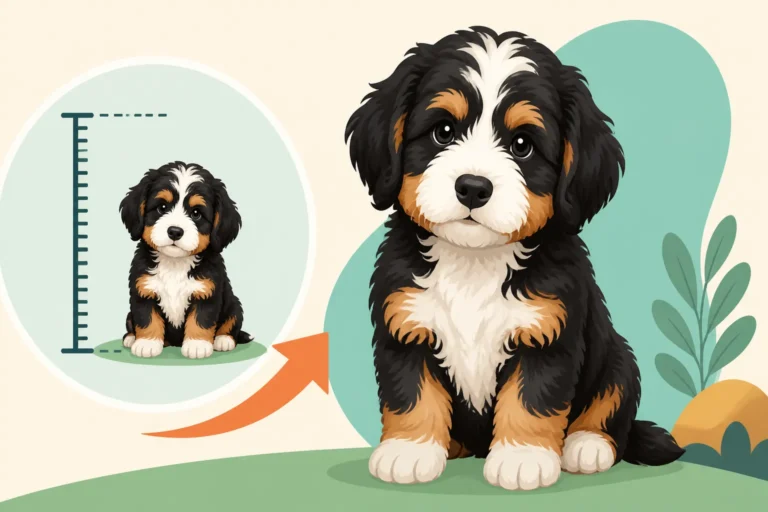
When we talk about a "traditional tri-color" Bernedoodle, we're specifically referring to a very particular set of markings: a deep, lustrous black base coat, crisp white on the chest, muzzle, and paws, and those distinctive rust or tan points that appear on the eyebrows, cheeks, and sometimes legs or under the tail. It’s not just a random smattering of three colors; it's a specific pattern that gives the dog an almost regal, yet incredibly friendly, appearance. These points are what truly define the "tri" in tri-color, differentiating it from a simple black and white bi-color. What Tri Color Means on a Bernedoodle often refers to this exact combination, and it’s a hallmark of the Bernese Mountain Dog breed.
It's this elegant symmetry and rich contrast that makes the tri-color so sought after. Owners often feel a deep connection to these markings, perhaps because they harken back to the Bernese side of the lineage, carrying a piece of that heritage forward. The intensity of the black, the purity of the white, and the warmth of the rust all combine to create a truly beautiful dog that stands out in a crowd.
The Bernese and Poodle Contributions to Coat Color
To understand Bernedoodle coat genetics, we first have to look at the parent breeds. The Bernese Mountain Dog is almost exclusively tri-color. This means that a Bernese carries the specific genetic coding to produce those black, white, and rust markings, and it's a dominant trait within their breed. If you have a purebred Bernese, you know what color puppies to expect.
The Poodle, however, is a different story. Poodles come in a vast array of solid colors – black, white, brown, apricot, red, silver, blue, cream – and also various patterns like phantom (which looks very similar to tri-color, but genetically expressed differently), sable, and parti. This incredible genetic diversity from the Poodle side is precisely what makes Bernedoodle color outcomes so much more unpredictable and exciting. When you mix the Bernese's strong tri-color predisposition with the Poodle's wide genetic palette, you open up a whole new world of possibilities. An F1 Bernedoodle, which is a direct cross between a Bernese and a Poodle, will inherit one set of color genes from each parent. This initial cross often dilutes the certainty of tri-color, as the Poodle may not carry the exact genes needed to express a tri-color pattern, even if it carries the base colors. For instance, a black Poodle might not carry the "tan point" gene that gives the Bernese its rust markings, meaning an F1 pup might just be black and white, or solid black, even if the Bernese parent was a classic tri. The Genetics Behind a Bernedoodle's Tri Markings are a complex interplay, not a simple inheritance.
Unpacking the Genetics: Why Two Tri-Colors Don't Always Equal Tri-Color Offspring
This is where it gets really interesting, and a little bit complicated! Many people assume that if you breed two dogs that look tri-color, all their puppies will also be tri-color. While it seems logical on the surface, canine genetics are rarely that simple. The visible appearance of a dog (its phenotype) doesn't always tell the full story of the genes it carries (its genotype).
The Complex Dance of Coat Color Genes
Bernedoodle coat color is determined by several different gene loci, or locations on the dog's chromosomes. It's not just one gene deciding everything; it's a whole orchestra working together. For tri-color, the most critical loci are often considered the A locus (Agouti series), the K locus (Dominant Black series), and the S locus (Spotting series).
- A Locus (Agouti): This locus controls whether a dog has a solid color, sable, or tan points. For a tri-color, the dog needs to carry two copies of the "tan point" gene (at/at). This gene, combined with others, expresses the rust markings on a black or liver base.
- K Locus (Dominant Black): This gene dictates whether the dog expresses black pigment dominantly. For a black tri-color, the dog needs at least one copy of the "dominant black" gene (KB).
- S Locus (Spotting): This locus controls the white markings. A Bernedoodle with extensive white on its chest, face, and paws will carry specific genes here (e.g., sp/sp for piebald, which results in white spotting).
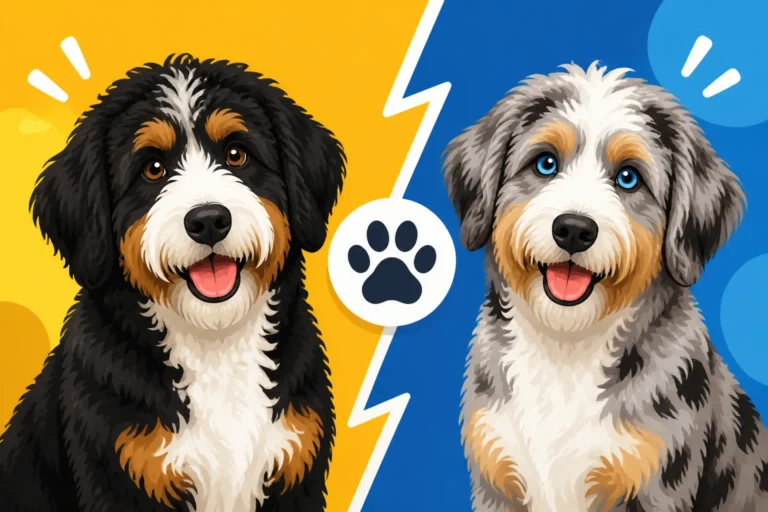
Here’s the kicker: a dog can appear tri-color but also carry recessive genes for other colors or patterns. For example, a Bernedoodle might look tri-color but carry a recessive gene for phantom (which is genetically similar to tri-color but can produce different patterns in subsequent generations, or express differently if the Poodle parent was phantom), sable, or even dilute colors like blue or merle if those genes were introduced further back in the lineage. If both tri-color parents happen to carry the same recessive gene, there's a 25% chance in each puppy that it will inherit two copies of that recessive gene and express a color or pattern other than tri-color. This is why genetic testing is becoming such a vital tool for responsible Bernedoodle breeders, ensuring they know exactly what genetic material their breeding dogs carry beyond just what meets the eye. You can find comprehensive genetic tests from providers like Embark or through resources like those offered at Chewy.
Probability Versus Guarantee in Bernedoodle Litters
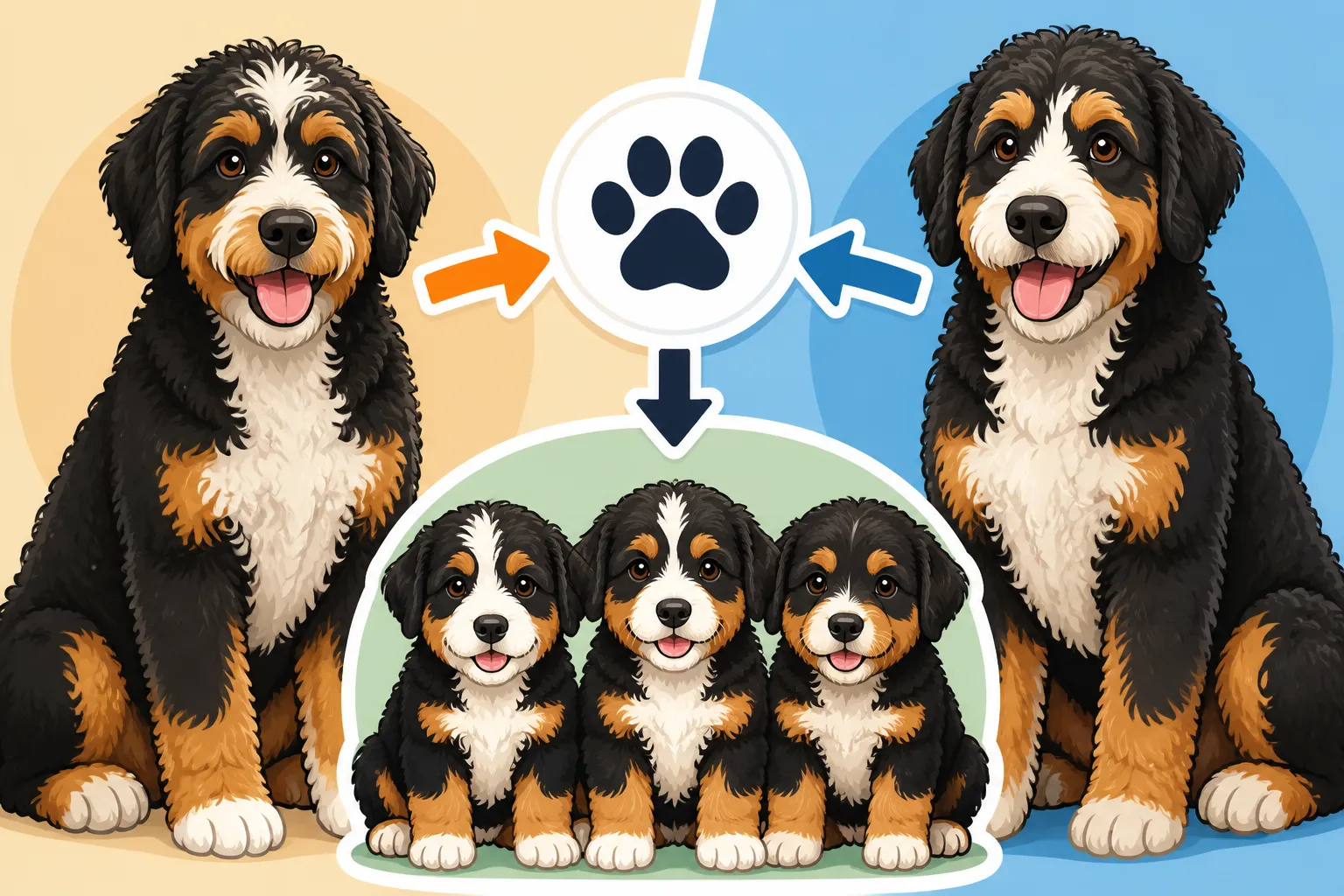
So, if you breed two tri-color Bernedoodles, will you get tri-color puppies? Statistically, you will likely get some tri-color puppies, but it's rarely a 100% guarantee. The percentage depends entirely on the hidden recessive genes both parents carry.
Let's imagine a scenario. Both parent Bernedoodles look tri-color. However, let's say one parent is a carrier for sable (a banded hair pattern where each hair has multiple colors, often giving a shaded look) and the other is also a carrier for sable. If a puppy inherits the sable gene from both parents, it will then be sable, even though both parents were tri-color! Similarly, if both parents are genetically tri-color (at/at at the A locus, KB at the K locus), they have a higher probability of producing tri-color puppies. However, if one or both parents are also carriers for solid black (which is dominant over tri-color in certain contexts) or phantom (genetically at/at, but the pattern is influenced by other genes), the outcome can shift. This is particularly true if you are breeding F1b or multigen Bernedoodles, where the genetic pool is more mixed than a straight F1 cross. Whether an F1 Bernedoodle Can Be Tri Color depends on the specific Poodle parent's genetics combined with the Bernese. An F1b, often bred back to a Poodle, can introduce new complexities. Whether an F1b Bernedoodle Loses the Markings or retains them is a game of genetic chance.
It's a lot like trying to predict the weather over a week based on today's sunshine – you have a good idea, but unexpected fronts can always roll in! Good breeders understand these probabilities and use genetic testing to minimize surprises and breed for predictable, healthy outcomes.
What to Expect When Breeding Tri-Color Bernedoodles
For those considering breeding, or simply those fascinated by Bernedoodle genetics, understanding the range of potential outcomes from a tri-color pairing is crucial. It’s not about disappointment, but about informed expectation and appreciation for the genetic diversity that makes each Bernedoodle unique.
Potential Outcomes Beyond the Tri-Color Palette
When two visually tri-color Bernedoodles are bred, you might, indeed, get a litter that is entirely tri-color. This is the ideal for many and often what breeders are striving for if that's their goal. However, it's very common to see other colors and patterns emerge, especially in second or third generation Bernedoodles where the Poodle's wider genetic influence has more chance to express itself.
Here are some possibilities:
- Bi-Color (Black and White): A puppy might inherit the black base and white markings but miss the tan point gene (at/at) from both parents, resulting in a black and white dog. These are still incredibly beautiful dogs, often with striking contrasts.
- Solid Black or Solid Other Color: If both parents carry a gene for solid color (e.g., they are heterozygous for the 'A' locus where solid is dominant or if other modifying genes are at play), some puppies could be entirely solid black, or even solid brown, apricot, or red, depending on the recessive genes carried.
- Phantom: Phantom is genetically similar to tri-color but often lacks the specific white markings. A black and tan phantom dog might appear very close to a tri-color but without the crisp white chest and face blaze. It all comes down to the expression of the S locus.
- Sable: As mentioned, if both parents carry a recessive sable gene, you could see sable puppies in the litter. Sable Bernedoodles have hairs that are tipped with black, giving a lovely shaded appearance, often changing as they mature. What a Sable Bernedoodle Looks Like can be quite stunning, but it's not the traditional tri-color.
- Merle: This is a more complex and often controversial color pattern. If one of the tri-color parents secretly carries a merle gene, and the other does not, you could see merle puppies. However, breeding two merle carriers together is generally considered irresponsible due to potential health issues (like vision and hearing problems) associated with "double merle" inheritance. Responsible breeders screen for merle. Whether Merle Is Safe to Breed in a Bernedoodle is a critical question for any breeder to consider.
- Fading Markings: Sometimes, a puppy born with tri-color markings might see those rust points lighten or "fade" over time, or the black might "silver" to gray as they mature, especially if there's a fading gene from the Poodle side. This is distinct from Whether a Bernedoodle's Markings Fade With Age, which generally refers to the overall lightening that can occur. The rust points can also vary in intensity, from a deep rich tan to a lighter, creamier hue. The Rust and White Markings a Tri Bernedoodle Carries can be quite diverse.
A useful table comparing visual tri-color parents versus potential outcomes:
| Parent 1 Phenotype | Parent 2 Phenotype | Likely Genetic Profile (Example) | Expected Outcome Probabilities (Simplified) |
|---|---|---|---|
| Tri-color | Tri-color | (at/at, KB/KB, S/s) x (at/at, KB/ky, S/sp) | High percentage Tri-color, possibility of Bi-color, Phantom carriers, solid black |
| Tri-color | Tri-color | (at/at, KB/ky, S/sp) x (at/at, ky/ky, S/s) | Good percentage Tri-color, but higher chance of Phantom and possible Sable if 'ky' interacts |
| Tri-color | Tri-color | (at/at, KB/KB, s/s) x (at/at, KB/KB, S/S) | All Tri-color but with varied white spotting due to 'S' locus interaction |
| Tri-color | Tri-color | (at/at, KB/KB, S/sp) x (ay/at, KB/KB, S/S) | Mix of Tri-color and Sable (if 'ay' expressed), due to hidden 'ay' (sable) gene in one parent |
Note: This table is highly simplified as true canine genetics involve multiple loci interacting. Actual probabilities require precise genetic testing results for both parents.
The Importance of Genetic Testing and Breeder Knowledge
This is where responsible breeding truly shines. Any reputable Bernedoodle breeder understands that merely looking at two dogs isn't enough to predict a litter's colors or, more importantly, its health. Comprehensive genetic testing on both parent dogs is absolutely essential. This testing reveals not just the visible color genes, but also any recessive genes they carry that might not be expressed in their own coat but could be passed on to their offspring.
A breeder armed with this genetic knowledge can make informed decisions about pairings, aiming for specific coat colors and patterns while also screening for genetic health issues common to Bernedoodles, such as Degenerative Myelopathy Both Bernedoodle Parents Can Carry or Von Willebrand's Disease in a Bernedoodle. For example, a breeder might use a genetic test to confirm that both tri-color parents are indeed homozygous for the tan point gene (meaning they only carry the gene for tan points), which would increase the likelihood of tri-color puppies. Or, they might discover a hidden sable gene in one parent and decide to pair that dog with a tri-color partner who doesn't carry sable if their goal is pure tri-color. Asking a Breeder About Cancer in the Bernese Line or requesting The Five Clearances a Bernedoodle Breeder Should Have are also crucial discussions, showing that breeder responsibility goes far beyond just pretty colors.
Beyond color, genetic testing for health conditions is paramount. You wouldn't want to inadvertently breed for stunning colors only to increase the risk of a serious hereditary disease. Tools and services like those offered by reputable genetic testing companies, which you can often find discussed or even purchased through pet supply retailers like Chewy, empower breeders to make ethical choices. A truly transparent breeder will be happy to share the results of these genetic tests and explain the expected outcomes for their litters. If a breeder is selling The Bernedoodle Sold Without Any Testing, it's a huge red flag, regardless of the puppy's intended coat color.
So, while it's a lovely thought that two tri-color Bernedoodles would only ever produce tri-color puppies, the reality of genetics is a fascinating mosaic. It’s a complex and beautiful dance of genes, where surprise colors and patterns can and often do emerge, making each Bernedoodle litter a unique genetic treasure hunt!
Disclaimer
This article is for general informational purposes only and does not constitute professional advice. Laws, prices and regulations vary by location and change over time. Consult a qualified professional for guidance on your specific situation.