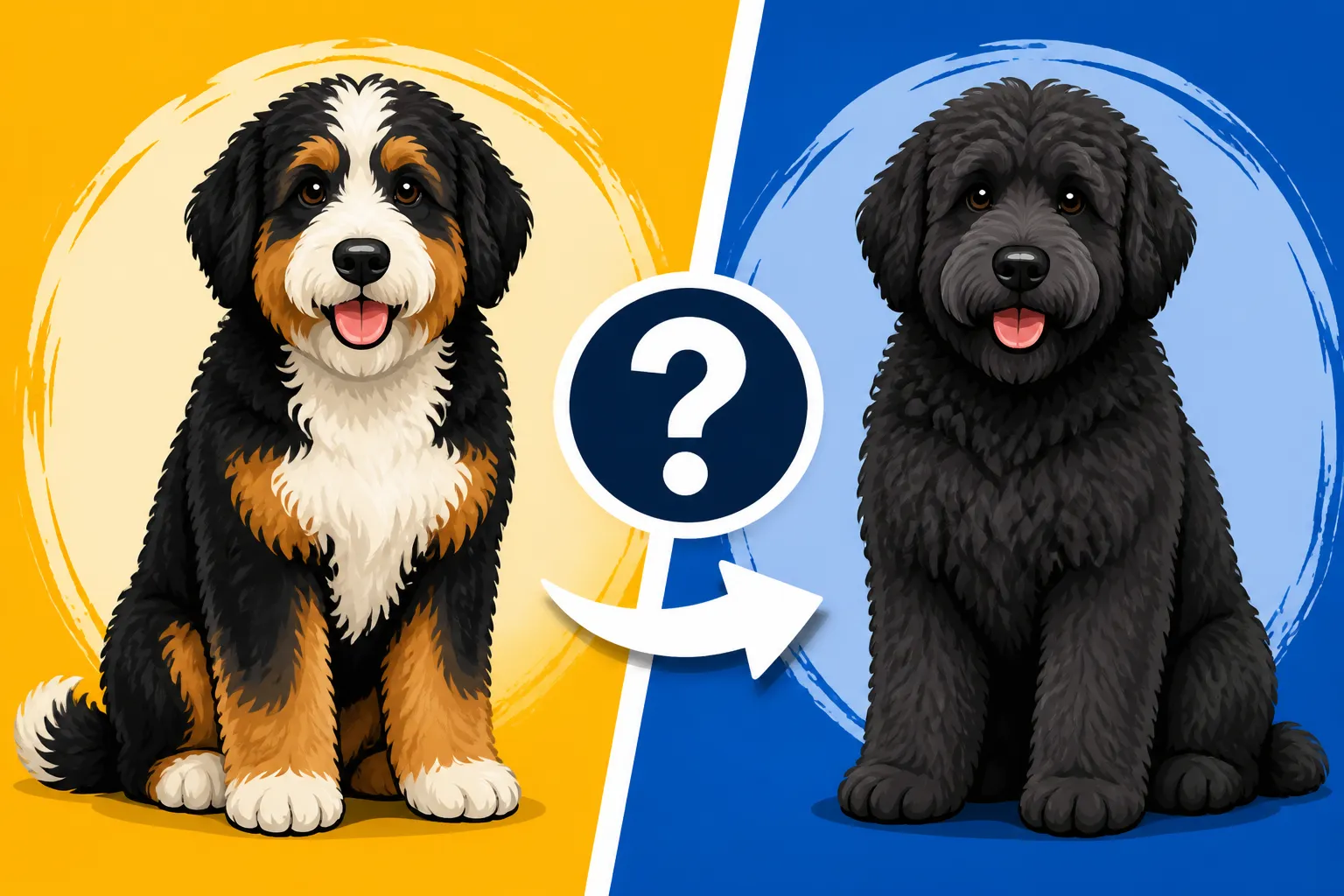
Whether an F1b Bernedoodle Loses the Markings
It's incredibly frustrating when you fall in love with a Bernedoodle puppy's gorgeous markings, only to worry if those distinctive patterns will vanish as they grow. Many prospective owners, especially those looking at F1b Bernedoodles, invest in a specific look – perhaps a striking tri-color or a beautiful phantom – and the thought of those unique features fading away can be a real concern. This guide is here to shed some light on why markings might seem to change, what's truly happening, and what you can realistically expect from your F1b Bernedoodle as they mature.
Understanding Bernedoodle Generations and Coat Genetics
Before we dive into the specifics of markings, it's helpful to understand the different Bernedoodle generations and the genetic cocktail that creates their diverse coats. It's not just about what looks pretty; it's about the underlying science.
What is an F1 Bernedoodle?
An F1 Bernedoodle is the first-generation cross, a direct result of breeding a purebred Bernese Mountain Dog with a purebred Poodle. This pairing results in a 50/50 genetic split from each parent breed. When you see an F1 Bernedoodle, their coat can be quite variable. Some might lean more towards the Bernese side, with a wavier, slightly more shedding coat, while others will clearly display the Poodle's curl and less shedding characteristics.
The F1 generation is where you first see the potential for "hybrid vigor," a concept that suggests crossbred animals may be healthier than their purebred parents. However, when it comes to coat genetics, it's a bit of a toss-up. You might get a beautiful tri-color, a phantom, or a solid color. The predictability isn't as high as later generations, but it lays the groundwork for the F1b. You can learn more about the parent breeds in articles like The Seven Years a Bernese Lives and the Twelve a Bernedoodle Might to understand what genetic traits are being combined.
The F1b Bernedoodle: A Backcross Explained
The F1b Bernedoodle is often the go-to for families seeking a more consistently non-shedding or hypoallergenic coat. This generation is created by breeding an F1 Bernedoodle back to a purebred Poodle. The "b" stands for backcross. This means your F1b Bernedoodle will typically be around 75% Poodle and 25% Bernese Mountain Dog.
This increased Poodle influence generally results in a curlier, denser coat that is far less likely to shed, which is a huge plus for many families. However, this shift in genetic makeup can also lead to questions about how those beautiful Bernese-derived markings will hold up. While the coat texture becomes more predictable, what about the colors and patterns? The aim is to maximize the low-shedding quality of the Poodle while retaining some of the Bernese charm, including those coveted markings.
The Basics of Canine Coat Color Genetics
Understanding coat color genetics doesn't require a biology degree, but a basic grasp helps. Dog coat colors and patterns are determined by several gene loci (locations on chromosomes). For Bernedoodles, some key players include:
- A Locus (Agouti): This gene dictates patterns like tri-color, phantom, and sable. For a dog to be tri-color or phantom, they typically need specific recessive alleles at this locus (e.g., at for tan points).
- K Locus (Dominant Black): This gene can override patterns. If a dog has a dominant K allele (K), it will be solid black, preventing the expression of tri-color or phantom markings, even if the dog carries the genes for them. A kyky dog will express patterns from the A locus.
- E Locus (Extension): This gene controls the distribution of red/yellow pigment. If a dog has ee, it will be red/yellow all over, regardless of other color genes.
- B Locus (Brown/Black): This determines whether black pigment is expressed as black or brown (chocolate).
- S Locus (White Spotting): This gene controls the amount and distribution of white markings, which are characteristic of Bernese Mountain Dogs.
When a breeder understands these genes, they can make more informed choices about pairings to produce desired coat colors and patterns. For an F1b, where Poodle genetics are amplified, breeders are aiming for a specific outcome in terms of shedding, but they also try to maintain those beloved markings. This is where the concern about fading often comes in, especially if one parent carries a "fading" gene from the Poodle side.
Do F1b Bernedoodles Lose Their Markings? Deciphering the Reality
This is the million-dollar question for many hopeful Bernedoodle parents. The simple answer is: generally, no, F1b Bernedoodles do not typically "lose" their core markings like tri-color or phantom. However, their appearance can certainly change, and some specific patterns are known to fade.
The Stability of Tri-Color and Phantom Markings
If your F1b Bernedoodle has inherited the genes for tri-color or phantom markings, these patterns are generally quite stable and should remain throughout their life. What are we talking about here?
- Tri-color: This involves black, rust (tan points), and white. The rust markings are typically above the eyes, on the sides of the muzzle, chest, and legs, while white forms a blaze, chest patch, and socks. What a Traditional Tri Color Bernedoodle Looks Like shows just how striking these can be.
- Phantom: Similar to tri-color but without the white. It's a two-color pattern, typically black and rust or brown and rust, with the same tan point distribution. What a Phantom Bernedoodle Looks Like provides a great visual.
These patterns are determined by specific genes at the A and K loci. If your F1b carries the at allele (for tan points) and kyky (allowing expression of these points), those markings are hardwired. They won't magically disappear. However, the intensity or shade of the rust/tan points can sometimes appear to change. This isn't the pattern fading, but rather the pigment itself might deepen or lighten slightly with age or environmental factors, much like human hair can get sun-kissed. The distinction between a full loss of marking versus a subtle change in shade is important for managing expectations.
Sable and Other Fading Genes
Now, here's where things get a little more nuanced. While tri-color and phantom are generally stable, other patterns, particularly sable, are known for their propensity to "clear" or fade significantly over time.
- Sable: A sable Bernedoodle has black-tipped hairs on a lighter (usually tan or red) base. As puppies, they often look very dark, sometimes almost entirely black, with hints of lighter fur around their muzzle or legs. However, as they mature, the black tips recede, and the underlying lighter color becomes much more prominent. This can lead to a dramatic shift in appearance from puppyhood to adulthood, sometimes making them look like a completely different dog. This is a normal genetic process for sable-patterned dogs and is not a sign of poor breeding or an unhealthy coat. Whether a Sable Bernedoodle Fades delves deeper into this fascinating genetic phenomenon.
It's crucial to understand that this isn't a "loss of markings" in the same way one might fear losing a tri-color patch. It's an inherent characteristic of the sable gene itself. If you're drawn to a sable puppy, be prepared for a significant color evolution.
The "Fading" Gene from the Poodle Side
Beyond specific patterns like sable, the Poodle parent contributes a gene known as the progressive greying gene (G locus). This gene is responsible for causing black or brown coats to lighten or "silver" over time. If an F1b Bernedoodle inherits this gene (and it's dominant, so only one copy is needed), their dark pigments will start to fade.
A black Bernedoodle might become a steely grey or silver. A chocolate Bernedoodle might turn into a cafe au lait color. While this isn't directly affecting the pattern of tri-color or phantom markings, it can certainly affect their appearance. For example, if your tri-color F1b has a fading gene, the black areas might lighten to grey, making the contrast with the rust and white markings less stark. The pattern is still there, but the colors themselves are changing. This gene is very common in Poodles, and therefore, in Bernedoodles, especially F1bs with their higher Poodle percentage. This is a natural part of their genetic inheritance and often begins to show around 1-2 years of age, progressing over several years. This is sometimes confused with Whether a Bernedoodle's Markings Fade With Age, but it's a distinct genetic process.
What to Expect as Your F1b Bernedoodle Matures
Even without the presence of fading genes, a Bernedoodle's coat, and thus the perception of its markings, can change quite a bit as they grow from a fluffy puppy to a stately adult.
Puppy Coat vs. Adult Coat Changes
One of the most noticeable transformations a Bernedoodle undergoes is the shift from their soft, wispy puppy coat to their denser, often curlier, adult coat. This transition, sometimes affectionately called the "puppy uglies," can begin anywhere from 6 to 18 months of age and can last for several months.
During this time, the texture and density of the hair change dramatically. A coat that felt soft and manageable as a puppy can suddenly become prone to matting as the new adult hair grows in and mixes with the shedding puppy fluff. The Month a Bernedoodle Puppy Starts Matting Daily is a must-read for any owner going through this phase!
This change in coat texture and density can make markings appear different. For example, if a tri-color puppy had very distinct, crisp markings on its sparse puppy coat, those same markings might look slightly blurred or less defined once the thick, curly adult coat comes in. The color might also appear deeper or duller simply due to the increased hair density. It's not that the marking has disappeared; it's simply that the canvas has changed. The puppy coat is often lighter and softer, and the adult coat brings a new texture and sometimes a slightly richer hue.
Sun Exposure and Coat Color
Just like human hair, a dog's coat can be affected by sun exposure. Dogs with darker coats, especially those with black or brown pigments, can experience a subtle lightening or "rusting" if they spend a lot of time outdoors in direct sunlight. This is particularly noticeable on their back and shoulders.
If your F1b Bernedoodle has black markings, prolonged sun exposure could cause these areas to develop a reddish or brownish tint. This isn't a genetic fading of the pattern but rather a bleaching effect from UV rays. While it might make a tri-color's black areas look a bit less intensely black, the overall pattern of the tri-color won't vanish. Providing shade and limiting prolonged sun exposure during peak hours, especially for Why a Black Tri Bernedoodle Overheats, can help maintain coat color vibrancy.
Grooming and the Appearance of Markings
Believe it or not, how your Bernedoodle is groomed can significantly impact how their markings are perceived. A professional groomer can make a world of difference!
- Longer Coats: If a Bernedoodle's coat is kept very long, especially on the face and legs, the markings can appear less defined. A long fringe might obscure the tan points above the eyes, or overgrown leg furnishings could blend the white socks with the rust on the legs.
- Shorter Clips: Conversely, a shorter, tidier clip can really make the markings pop. A clean face and trimmed legs can highlight the distinct lines of a tri-color or phantom pattern. Many owners opt for shorter clips in warmer months, which not only helps with cooling but also makes the markings more visible.
- Matting: Severely matted coats can also obscure markings. Mats can pull hair in different directions, distorting the natural flow of the pattern. Regular brushing is essential, not just for comfort and health, but also for maintaining the aesthetic appeal of your dog's coat.
Regular grooming is key to keeping your Bernedoodle's coat healthy and ensuring their beautiful markings are always on display. This includes daily brushing at home and professional grooming every 6-8 weeks.
Working with a Reputable Breeder for Predictable Markings
When you're hoping for specific markings on your F1b Bernedoodle, the breeder you choose plays a massive role in setting your expectations and ensuring you get a healthy, well-tempered dog with the traits you desire.
Genetic Testing for Coat Color and Patterns
A responsible Bernedoodle breeder should be doing extensive genetic testing, not just for health clearances but also for coat color and type. While no test can guarantee exactly how a puppy will look, genetic tests for coat color genes can provide a high degree of predictability for patterns like tri-color, phantom, sable, and even the fading gene.
For example, a breeder can test the parent dogs to see if they carry the necessary alleles at the A locus (at) and K locus (kyky) to produce tri-color or phantom puppies. They can also test for the G locus to determine if a Poodle parent carries the greying gene, which would inform you that a black F1b puppy might eventually silver out. The Genetics Behind a Bernedoodle's Tri Markings is a great resource if you want to dive into the technical details of specific gene combinations. These tests empower breeders to make informed breeding decisions and to honestly tell prospective buyers what to expect in terms of coat color and pattern stability. Don't be shy about asking your breeder about the genetic testing they perform!
Reviewing Parentage and Previous Litters
One of the best ways to get a sense of how an F1b Bernedoodle's markings might develop is to look at the parents and, if available, older siblings from previous litters.
- Parent Dogs: Observe the parents' coats carefully. Do they have clear, vibrant markings? Has the Poodle parent (if it's a purebred Poodle) experienced significant greying? Seeing the adult dogs can give you a clue as to the genetic potential being passed down.
- Older Siblings: If the breeder has produced previous F1b litters from the same pairing, ask to see photos of those puppies as they've matured into adulthood. This is a fantastic way to see how the markings and colors have evolved over time. Did the sables fade? Did the tri-colors remain crisp? This visual evidence is often more reassuring than any verbal description. A good breeder will be transparent and proud to show you examples of their mature dogs. This is part of doing your due diligence. The Five Clearances a Bernedoodle Breeder Should Have also includes health considerations, which are just as vital as coat predictions.
Understanding the Health Guarantee and Contract
A comprehensive health guarantee and contract from a reputable breeder typically focuses on health issues, but it can also touch upon aspects like coat type and color. While a breeder likely won't "guarantee" a specific shade of rust or that a sable won't fade (because that's just how sable works), they should be able to provide transparency about the genetic potential of their puppies regarding markings.
For instance, they might clearly state if a puppy has the potential to carry the fading gene. The contract should also outline what happens if a serious, unexpected genetic health issue arises, offering recourse. While unlikely to cover cosmetic changes, understanding the contract shows the breeder's commitment to ethical practices. Always read the fine print and ask questions before committing. What a Bernedoodle Health Guarantee Covers in depth, and it's always wise to ensure you understand every aspect of it.
Marking Expectations in F1b Bernedoodles
Let's put it all into a handy table for quick reference. This isn't a guarantee, as genetics can always throw a curveball, but it represents the general expectations for F1b Bernedoodle markings.
| Marking Type | Typical F1b Appearance (Puppy) | Expected F1b Appearance (Adult) | Likelihood of Fading/Changing | Key Considerations |
|---|---|---|---|---|
| Tri-color | Black, rust (tan), white, distinct. | Black, rust (tan), white, generally stable. | Low (true pattern loss) | Black areas may "silver" if fading gene present. Rust intensity can vary. |
| Phantom | Black/Brown with tan points. | Black/Brown with tan points, generally stable. | Low (true pattern loss) | Black/Brown areas may "silver" or lighten if fading gene present. |
| Sable | Dark brown/black with lighter tips. | Lighter overall, black tips recede. | High (pattern transformation) | Expect significant lightening and clearing from puppy to adult. |
| Merle | Irregular patches of diluted color. | Pattern remains, but base color may lighten. | Low (pattern loss) | Base color may lighten due to fading gene. Potential for eye/ear issues if double merle. |
| Solid Black/Brown | Uniform dark color. | Can remain solid or "silver" to grey/tan. | Medium (due to fading gene) | Highly dependent on presence of the progressive greying gene. |
| White Markings | White blaze, chest, feet (Bernese). | Generally stable. | Very Low (pattern loss) | May appear more pronounced against darker, denser adult coat. White may yellow with age. |
It's clear that while the core patterns like tri-color and phantom are quite resilient in F1b Bernedoodles, other factors can influence their overall appearance. The progressive greying gene from the Poodle is a significant player, capable of altering the shade of black and brown pigments, which then subtly changes how the other markings are perceived. Sable patterns, by their very nature, are designed to evolve dramatically.
Ultimately, choosing an F1b Bernedoodle with specific markings involves a bit of informed anticipation. Communicate openly with your breeder, ask to see their testing results, and look at photos of mature dogs from their lines. This approach will give you the best chance of finding a Bernedoodle whose beautiful markings will delight you for years to come.
Disclaimer
This article is for general informational purposes only and does not constitute professional advice. Laws, prices and regulations vary by location and change over time. Consult a qualified professional for guidance on your specific situation.