What Degenerative Myelopathy Looks Like in a Bernedoodle
Seeing your beloved Bernedoodle start to struggle with their back legs, perhaps stumbling more often or having trouble getting up, can be incredibly distressing. It’s natural to worry about what’s happening and fear the worst. This guide will walk you through the subtle and overt signs of Degenerative Myelopathy (DM), a serious neurological condition, explaining what it looks like in a Bernedoodle and how it progresses, so you're better prepared to understand and advocate for your furry family member.
Understanding Degenerative Myelopathy in Bernedoodles
Degenerative Myelopathy is a progressive neurological disease that affects the spinal cord, particularly in the thoracic (mid-back) region. It's a condition that can strike fear into the hearts of many dog owners, and for good reason—it’s debilitating and, unfortunately, incurable. Understanding what DM is and how it impacts Bernedoodles specifically is the first step in recognizing its signs.
What Exactly Is DM?
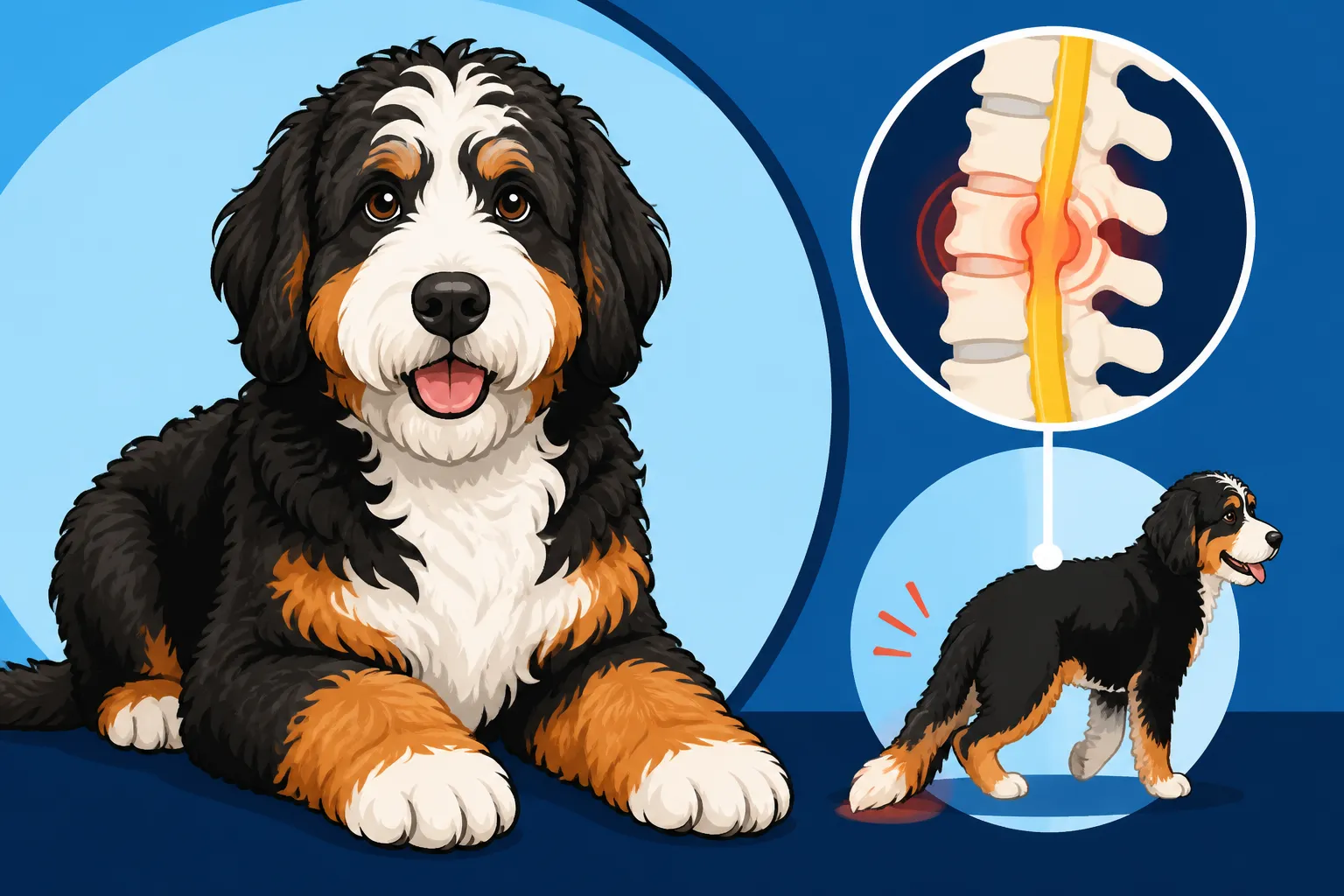
At its core, Degenerative Myelopathy is a genetic disease that slowly but relentlessly attacks the white matter of the spinal cord. Imagine the spinal cord as a superhighway of nerves, transmitting messages between the brain and the rest of the body. DM causes the protective sheath around these nerve fibers (myelin) to break down, disrupting these vital communication pathways. This breakdown leads to a gradual loss of coordination and strength, primarily in the hind limbs. The disease is often likened to Amyotrophic Lateral Sclerosis (ALS) in humans because of its progressive nature and devastating impact on mobility. It’s not painful in itself, which can sometimes make it harder to initially identify as distinct from other conditions like arthritis. However, the loss of function can lead to secondary pain from compensating or falling.
The Genetic Link to Bernedoodles
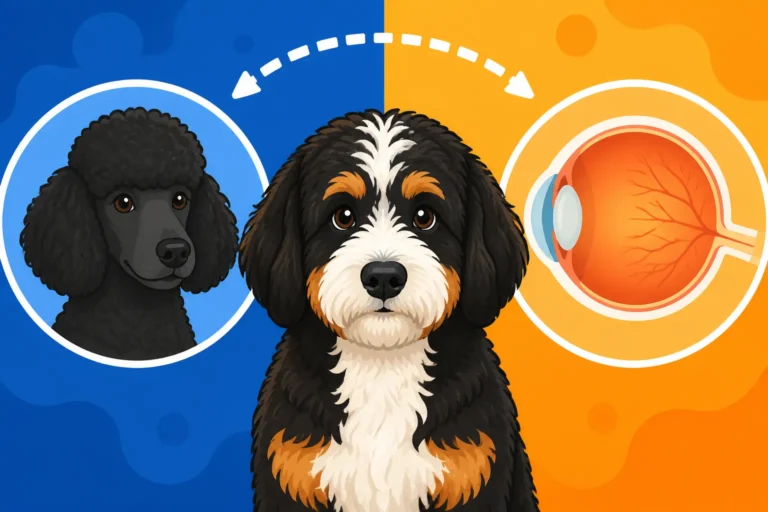
The predisposition to DM in Bernedoodles comes directly from their parent breeds: the Bernese Mountain Dog and the Poodle. Both breeds can carry a specific gene mutation in the SOD1 gene, which is strongly associated with the development of DM. If a Bernedoodle inherits two copies of this mutated gene (one from each parent), they are considered "at-risk" for developing the disease. This doesn't mean they will definitely get DM, but their chances are significantly higher. It’s a recessive genetic condition, meaning a dog can be a "carrier" (have one copy of the mutated gene) and show no signs of the disease themselves, but they can pass it on to their offspring. This is precisely why it’s so crucial for responsible breeders to conduct genetic testing, specifically The SOD1 Test Both Bernedoodle Parents Need, to ensure they aren't inadvertently pairing two carriers and increasing the risk of producing affected puppies. You can read more about how this genetic inheritance works in Degenerative Myelopathy Both Bernedoodle Parents Can Carry.
Early Signs and Subtle Changes to Watch For
Recognizing the very first signs of DM is often challenging because they can be subtle and easily mistaken for normal aging or other less serious issues. However, an observant owner can pick up on these initial clues, which is vital for early veterinary consultation.
The Initial Clues: Hind Limb Weakness and Ataxia
One of the earliest and most common indicators of Degenerative Myelopathy is the gradual onset of hind limb weakness and ataxia, which refers to a lack of muscle coordination. You might start noticing your Bernedoodle's gait changing. Perhaps they'll appear a bit wobbly, especially on slick surfaces like hardwood or tile floors. They might scuff their back paws more frequently, leading to worn-down nails on their hind feet, even if you’re usually diligent about trims. They may struggle to keep their footing when turning quickly, or you might see a slight sway in their rear end as they walk.
Imagine your Bernedoodle, who usually bounds up the stairs with ease, now hesitates or struggles to climb each step. Or perhaps when they are standing still, their hind legs seem to cross over each other occasionally, or they stand with a wider stance to maintain balance. These aren't necessarily signs of pain, which is an important distinction, but rather a loss of proprioception – the body's ability to sense its position in space. This is a hallmark of DM and can often appear quite some time before more severe mobility issues surface. If you notice your Bernedoodle Whether a Bernedoodle Dragging a Back Foot Has DM, this could be a significant early indicator to discuss with your vet.
Progressive Symptoms as DM Advances
As Degenerative Myelopathy progresses, the initial subtle signs become much more pronounced. The hind limb weakness will worsen, leading to increased difficulty rising from a lying position, especially after rest. Your Bernedoodle might start to stumble and fall more frequently, particularly when trying to navigate uneven terrain or even just a thick rug. Eventually, they will lose the ability to stand or walk on their own, becoming paraplegic. At this stage, they'll rely entirely on you for mobility assistance, which can be incredibly taxing both physically and emotionally for both dog and owner.
Beyond the loss of motor control, DM can eventually affect bladder and bowel control, leading to incontinence. While the disease primarily impacts the hind limbs, in very advanced stages, the weakness can ascend the spinal cord and affect the front limbs, and eventually, the ability to swallow and breathe. However, most owners typically make difficult decisions about their dog's quality of life before it reaches these extreme later stages. The progression is typically slow, occurring over several months to a few years, which can be a double-edged sword: it allows time for adjustment and support, but it also means a prolonged period of decline. Typically, The Age Degenerative Myelopathy Appears in a Bernedoodle is usually middle to older age, around 8 years and beyond, but it can vary.
Differentiating DM from Other Conditions
It’s easy to jump to conclusions when you see your Bernedoodle struggling, especially with something as serious as DM. However, it's crucial to remember that many conditions can cause similar symptoms. A thorough veterinary examination is essential to get an accurate diagnosis.
Telling DM From Hip Dysplasia or Arthritis
When your Bernedoodle starts to show hind leg weakness, two common culprits that often come to mind are hip dysplasia and arthritis. Both are prevalent in larger breeds and can cause mobility issues. However, there are key differences that help vets distinguish them from DM. Hip dysplasia, a condition where the hip joint doesn't form correctly, and arthritis, the inflammation of joints, are typically painful conditions. Dogs with these issues might limp, be reluctant to move, cry out when touched, or show stiffness, especially after rest. They might also lose muscle mass in their hind legs due to disuse or guarding against pain.
In contrast, Degenerative Myelopathy itself is not painful. The dog loses the ability to control its legs, not because of pain, but because the nerve signals aren't getting through effectively. A Bernedoodle with DM might not yelp or show signs of discomfort even when their legs are manipulated. The muscle loss in DM is also quite characteristic: it tends to be more generalized and symmetrical in the hindquarters, initially affecting the coordination before the strength. If you're trying to figure out if it's painful hip issues or a neurological problem, a vet will be looking for specific reflexes and nerve responses. This is why it's so important to have a professional differentiate between DM and Telling DM From Hip Disease in a Bernedoodle.
Ruling Out Other Neurological Issues
Beyond joint problems, several other neurological conditions can present with similar symptoms to DM, making a definitive diagnosis complex. Spinal cord compression from intervertebral disc disease (IVDD), spinal tumors, cysts, or even certain infections can all cause hind limb weakness and incoordination. Some of these conditions might be treatable, which is why a proper diagnosis is so critical. For instance, IVDD often involves acute pain and sudden onset of weakness, differing from DM’s gradual, non-painful progression.
A comprehensive veterinary neurological exam will involve checking reflexes, evaluating gait, assessing muscle tone, and looking for subtle nerve deficits. Your vet might recommend imaging tests like X-rays (which can show bony changes but not DM itself), MRI (Magnetic Resonance Imaging), or CT (Computed Tomography) scans to visualize the spinal cord and rule out compressive lesions. They might also suggest blood tests to check for other systemic diseases or inflammatory markers. While a definitive diagnosis of DM often requires a post-mortem examination of spinal cord tissue, a clinical diagnosis can be made by ruling out all other possible causes combined with a positive SOD1 genetic test result.
Diagnosing Degenerative Myelopathy
Receiving a diagnosis of Degenerative Myelopathy is a heavy blow for any Bernedoodle owner. It's a journey that typically involves careful observation, a series of diagnostic tests, and a process of elimination to rule out other conditions.
The Diagnostic Process
The diagnostic journey for DM typically begins with a thorough neurological examination by your veterinarian, or ideally, a veterinary neurologist. They'll meticulously assess your Bernedoodle's reflexes, proprioception (their sense of body position), gait, and muscle strength. This might involve observing how they walk, asking them to turn, or placing their paws in an abnormal position to see how quickly they correct it. They'll also check for signs of pain, which, as mentioned, is usually absent in DM itself.
To rule out other conditions, your vet will likely recommend a battery of tests. X-rays of the spine can help identify any bony abnormalities or severe arthritis that might be contributing to the symptoms. More advanced imaging, such as an MRI or CT scan, is crucial for ruling out intervertebral disc disease, spinal tumors, or other compressive lesions on the spinal cord that could be mimicking DM. These imaging techniques allow the vet to get a detailed look at the soft tissues of the spine. Blood tests may also be performed to rule out other metabolic or inflammatory diseases. Once all other treatable conditions have been eliminated, and a clear neurological progression consistent with DM is observed, a clinical diagnosis of Degenerative Myelopathy can be made. However, it's worth noting that a truly definitive diagnosis typically requires a histopathological examination of the spinal cord tissue after the dog has passed.
The Role of Genetic Testing
Genetic testing plays a pivotal role, not only in responsible breeding practices but also in aiding the clinical diagnosis of DM in an affected Bernedoodle. The SOD1 gene mutation test can identify whether your Bernedoodle carries zero, one, or two copies of the mutated gene. A "clear" result means the dog has no copies of the mutation. A "carrier" result means they have one copy and are unlikely to develop DM, but could pass it to offspring. An "at-risk" result means they have two copies of the mutated gene, inherited from both parents, and are highly predisposed to developing DM.
While an "at-risk" result combined with clinical signs strongly supports a DM diagnosis, it's vital to understand that it's not a guarantee. Some dogs with two copies of the gene never develop symptoms, living out their full lives seemingly unaffected. Conversely, there are rare instances where dogs with only one copy might develop a similar condition, though this is much less common. However, for a Bernedoodle presenting with classic DM symptoms, an "at-risk" genetic test result provides significant confirmation of the diagnosis once other conditions have been ruled out. This information can be crucial for guiding management decisions and understanding the disease's likely progression. For more on this, check out What an At Risk SOD1 Result Means for a Bernedoodle.
Managing Life with a DM-Affected Bernedoodle
A diagnosis of Degenerative Myelopathy can feel overwhelming, but it's important to remember that you can still provide a high quality of life for your Bernedoodle for many months, and even years, with appropriate management and supportive care.
Supportive Care and Quality of Life
While there is no cure for DM, a proactive approach to supportive care can significantly improve your Bernedoodle's comfort and mobility as the disease progresses. Physical therapy is often at the forefront of this, including targeted exercises to maintain muscle mass, improve balance, and stimulate nerve pathways. This might involve passive range of motion exercises, gentle stretching, or controlled movements on specialized equipment. Hydrotherapy, or underwater treadmill therapy, is another fantastic option because the buoyancy of the water reduces weight-bearing stress on the joints while allowing for active movement and muscle strengthening. Many clinics now offer these services, and they can make a huge difference.
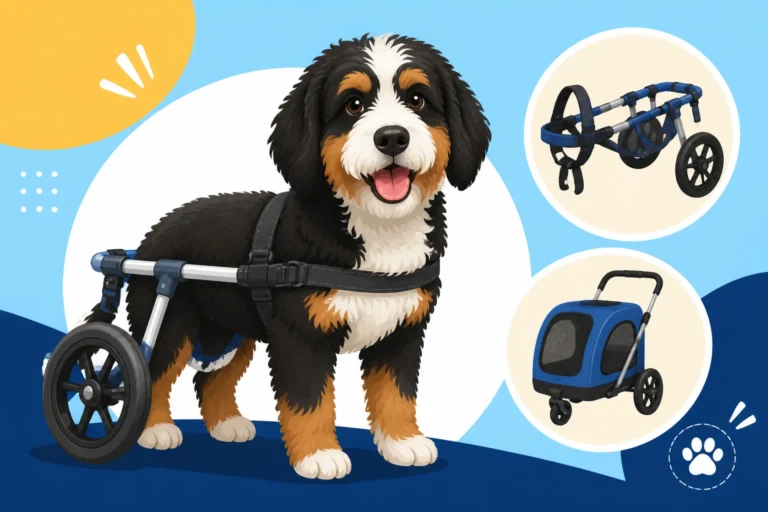
As mobility declines, assistive devices become invaluable. Rear-support harnesses can help you lift and steady your Bernedoodle for short walks or bathroom breaks. Eventually, a dog wheelchair or cart can restore a remarkable degree of independence and joy, allowing them to run and play again, albeit with assistance. You can find more detailed information on selecting and using these devices in Wheelchairs and Carts for a Bernedoodle With DM. Additionally, it's crucial to prevent secondary issues like pressure sores, especially for dogs who are no longer able to stand or shift their weight easily. Soft, supportive bedding and regular repositioning are essential. Pet insurance providers like Healthy Paws often cover rehabilitation therapies and mobility aids, which can significantly ease the financial burden of managing a chronic condition like DM.
Emotional and Practical Considerations for Owners
Living with a Bernedoodle affected by DM is a profound emotional journey. Watching your once-energetic companion gradually lose their mobility is heart-wrenching, and it's perfectly normal to feel a mix of sadness, frustration, and love. It’s a marathon, not a sprint, and requires immense patience and dedication. Beyond the emotional toll, there are significant practical adjustments to make around the home. Non-slip rugs or runners can provide much-needed traction on slippery floors, making it safer and easier for your Bernedoodle to navigate. Ramps can replace stairs, reducing strain and preventing falls.
Consider modifying your routine to accommodate your dog's changing needs, such as more frequent, shorter bathroom breaks or helping them into and out of vehicles. Investing in a quality, orthopedic dog bed can make a huge difference for their comfort, especially as they spend more time lying down. Open communication with your veterinarian is paramount, as they can help you assess your Bernedoodle's quality of life and guide you through difficult decisions when the time comes. Remember, you're doing an amazing job, and there are resources and communities of owners facing similar challenges who can offer support. You can learn more about how to keep your dog comfortable in Whether a Bernedoodle With DM Can Be Kept Comfortable. The ongoing costs associated with managing DM, including vet visits, physical therapy, and specialized equipment, can add up quickly. Having a comprehensive pet insurance plan from a company like Healthy Paws can provide much-needed financial relief, allowing you to focus on your Bernedoodle's care without added stress.
Preventing DM Through Responsible Breeding
The best way to combat Degenerative Myelopathy is through prevention, and that starts with responsible breeding practices. As owners, knowing what to look for in a breeder can make all the difference in bringing home a healthy puppy.
The Importance of Genetic Screening
Since DM is a hereditary condition, the single most impactful step in prevention is rigorous genetic screening of all breeding dogs. Ethical Bernedoodle breeders will test their Bernese Mountain Dog and Poodle breeding stock for the SOD1 gene mutation. This means every parent dog should be certified "clear" or "carrier" for DM. A "clear" dog has no copies of the mutated gene and cannot pass it on. A "carrier" dog has one copy; while they are unlikely to develop DM themselves, they can pass that copy to 50% of their offspring.
The key to responsible breeding is to never breed two carriers together. If two carriers are bred, there is a 25% chance of producing puppies that are "at-risk" (inheriting two copies of the mutated gene) and a 50% chance of producing carriers. By ensuring that at least one parent is "clear" of the SOD1 mutation, a responsible breeder can guarantee that no puppy produced will ever be "at-risk" for DM, though some may still be carriers. This commitment to genetic health helps to slowly but surely reduce the prevalence of this devastating disease within the Bernedoodle population. This is why it's so critical to understand Whether Both Bernedoodle Parents Should Be SOD1 Tested.
Questions to Ask Your Breeder
When you're looking for a Bernedoodle puppy, asking the right questions about health testing is non-negotiable. Don't be afraid to be assertive and thorough. First and foremost, inquire about genetic testing for Degenerative Myelopathy. Ask to see proof of SOD1 test results for both parent dogs. Reputable breeders will be transparent and proud to share these clearances, often from labs like Embark or Canine Health Check. They should be able to explain what the results (clear, carrier, at-risk) mean for each parent.
Beyond DM, a responsible breeder will also conduct a host of other health clearances, particularly for orthopedic issues common in both parent breeds. This includes OFA (Orthopedic Foundation for Animals) or PennHIP certifications for hips and elbows. You want to ensure they've addressed issues like Hips on a Ninety Pound Bernedoodle and Elbow Dysplasia in a Growing Bernedoodle. Also, ask about eye certifications (CERF or OFA Eye) and Von Willebrand's Disease testing. A breeder should have a clear health guarantee in their contract. If a breeder is vague, dismissive, or unwilling to provide verifiable documentation for these clearances, including the SOD1 test, it should be a major red flag. Always prioritize health and ethical breeding practices over factors like coat color or price. For a comprehensive list of what to look for, check out The Five Clearances a Bernedoodle Breeder Should Have.
Stages of Degenerative Myelopathy in Bernedoodles
Understanding the typical progression of DM can help owners anticipate changes and plan supportive care. While individual experiences may vary, the disease generally follows predictable stages.
| Stage of DM | Key Characteristics | Observable Signs |
|---|---|---|
| Early Stage | Subtle neurological deficits in the hind limbs, primarily affecting coordination and proprioception. Non-painful. | – Slight clumsiness or stumbling, especially on slick surfaces. – Mild scuffing of hind paws, leading to worn nails. – Hind legs occasionally cross over or stand wide. – Slight difficulty or hesitation with stairs or jumping. |
| Mid Stage | Progressive weakness and incoordination in the hind limbs. Increased difficulty with mobility and balance. Still typically non-painful. | – Obvious wobbly gait (ataxia), especially when turning. – Significant difficulty rising from a lying position. – Frequent stumbling and occasional falling. – Muscle atrophy (wasting) in hind legs becomes noticeable. |
| Advanced Stage | Severe hind limb weakness leading to complete paralysis (paraplegia). Loss of voluntary movement and eventual loss of bladder/bowel control. Weakness may extend to front limbs in very late stages. Still non-painful for the spinal cord itself. | – Inability to stand or walk without significant assistance. – Dragging hindquarters completely. – Incontinence (fecal and/or urinary). – Need for a wheelchair or full sling support. – Possible front limb weakness. |
Disclaimer: The information provided in this article is for educational purposes only and should not be considered a substitute for professional veterinary advice. Always consult with a qualified veterinarian for any health concerns or before making any decisions about your Bernedoodle's health or treatment.