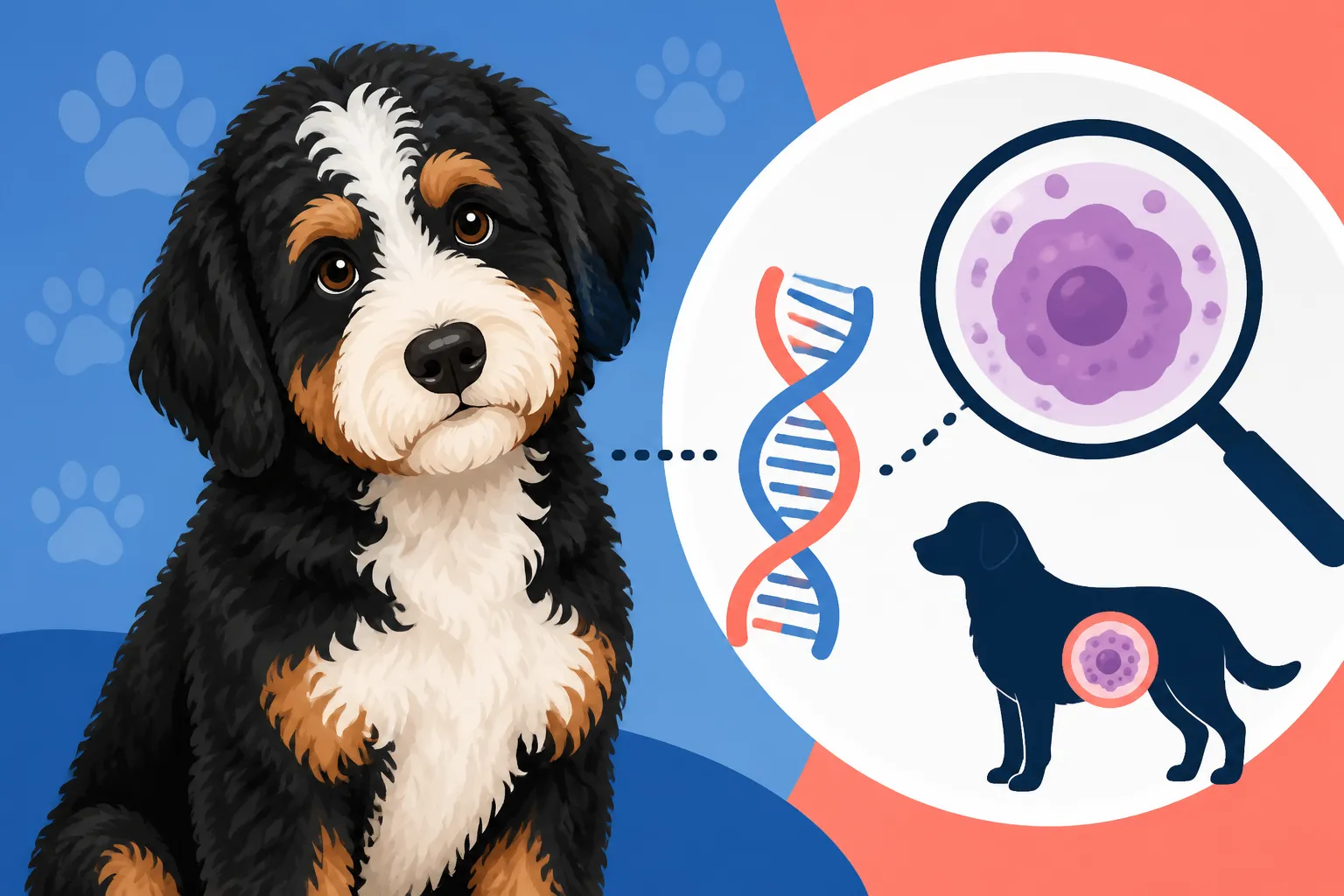
Whether a Bernedoodle Can Inherit Histiocytic Sarcoma
It’s a heartbreaking reality for many Bernedoodle owners: the constant worry that the serious health issues so prevalent in their beloved dog’s Bernese Mountain Dog lineage might one day manifest. One of the most terrifying of these concerns is Histiocytic Sarcoma, a truly aggressive and devastating cancer. This guide aims to shed light on whether your Bernedoodle can indeed inherit this specific cancer, what signs to look for, and how you can be proactive in their care.
Understanding Histiocytic Sarcoma in Dogs
When you bring a Bernedoodle into your life, you’re often doing so with the hope of combining the best traits of both parent breeds: the charming goofiness of the Bernese and the intelligence and longevity of the Poodle. However, it's crucial to understand the genetic baggage that can come along with that beautiful Bernese half, especially regarding certain cancers. Histiocytic Sarcoma is at the top of that list for many prospective and current Bernedoodle parents.
What Exactly Is Histiocytic Sarcoma?
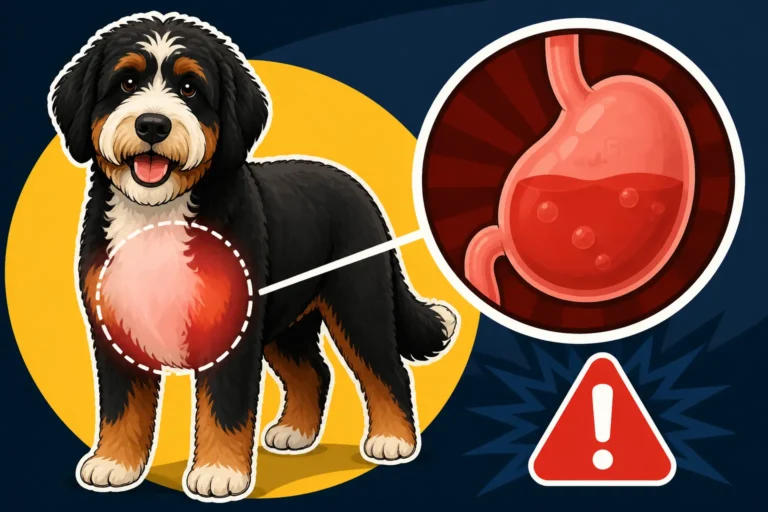
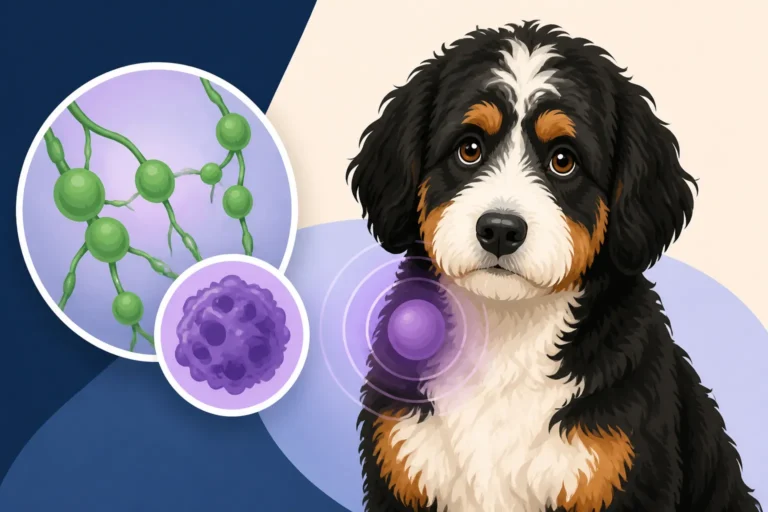
Histiocytic Sarcoma (HS) is a particularly nasty form of cancer that originates from histiocytes, which are a type of immune cell found throughout the body. Unlike some localized tumors, HS is often rapidly invasive and metastatic, meaning it spreads aggressively to multiple organs like the spleen, lymph nodes, lungs, bone marrow, and even the central nervous system. It's not just a lump you can cut out and be done with; it's a systemic disease that can appear in various forms, making diagnosis challenging.
There are two main forms: localized HS and disseminated (or systemic) HS. Localized HS might present as a tumor in one specific area, like a bone or a joint, while disseminated HS is far more insidious, affecting multiple organs simultaneously. The latter is especially difficult to treat and has a very poor prognosis. The insidious nature of these cells, migrating and forming tumors in unexpected places, is what makes it so frightening for owners and frustrating for veterinarians.
The Grim Prognosis: What Histiocytic Sarcoma Does to a Bernese
For Bernese Mountain Dogs, Histiocytic Sarcoma is a tragically common and aggressive killer. In purebred Bernese, it is one of the leading causes of death, often striking in middle age, around six to eight years old. When a Bernese is diagnosed with this cancer, the prognosis is often grim, with survival times typically measured in weeks or a few short months, even with aggressive treatment. The cancer progresses rapidly, causing profound weakness, loss of appetite, weight loss, difficulty breathing if it affects the lungs, and lameness if it involves bones or joints.
The sad reality is that many Bernese Mountain Dog owners have experienced the heartbreak of this disease firsthand. Imagine your happy, vibrant dog suddenly becoming lethargic, refusing meals, or limping without a clear injury. These subtle signs can quickly escalate, and by the time a definitive diagnosis is made, the disease is often widespread. Understanding what Histiocytic Sarcoma does to a Bernese helps underscore why potential Bernedoodle owners are so concerned about this specific inherited risk.
Why Bernese Mountain Dogs Are So Prone to This Cancer
The heightened susceptibility of Bernese Mountain Dogs to Histiocytic Sarcoma is well-documented and primarily genetic. Researchers have identified specific genetic markers that are strongly associated with an increased risk of developing this cancer in Bernese. It’s not just bad luck; it’s woven into their genetic fabric, a consequence of selective breeding practices that, unfortunately, may have inadvertently concentrated these undesirable genes alongside desired traits like temperament and appearance.
This genetic predisposition means that even if a Bernese lives a perfect life with optimal diet and exercise, they still carry this elevated risk. It's a cruel lottery. While environmental factors and other influences might play a small role, the overwhelming evidence points to a strong hereditary component. This is why careful breeding and health screening are so crucial in purebred Bernese lines, and it's also why the concern naturally extends to the Bernedoodle, which carries half of that Bernese genetic material.
The Bernedoodle's Inheritance Risk
The whole point of the Bernedoodle cross was often to introduce the Poodle's longevity and health diversity to the Bernese, hoping to dilute some of these devastating genetic predispositions. However, the question remains: does it work for Histiocytic Sarcoma?
Can a Bernedoodle Really Inherit This Cancer?
Yes, unfortunately, a Bernedoodle can absolutely inherit the genetic predisposition for Histiocytic Sarcoma from their Bernese Mountain Dog parent. It’s not a simple switch where crossing with a Poodle magically eliminates all risk. While the Poodle side generally contributes a lower incidence of this specific cancer, the Bernedoodle still carries 50% of the Bernese genome in an F1 cross, meaning those risk genes are still present and can be passed down.
Think of it like this: if one parent has a strong genetic predisposition to a certain illness, their offspring might still inherit that tendency, even if the other parent doesn't. The Bernedoodle benefits from a broader genetic pool, which can potentially dilute the concentration of these harmful genes compared to a purebred Bernese. However, this dilution is not a guarantee of immunity. The specific genetic lottery each individual puppy wins (or loses) during conception will determine their ultimate predisposition. It's vital to remember that a Bernedoodle is not immune simply because it's a "hybrid."
Hybrid Vigor vs. Genetic Predisposition: A Balancing Act
The concept of "hybrid vigor" or heterosis suggests that crossing two genetically distinct purebred lines can result in offspring with improved health and vigor compared to either parent breed. This is often cited as a major benefit of designer breeds like the Bernedoodle. In theory, by introducing the genetic diversity of the Poodle, the incidence of diseases like Histiocytic Sarcoma, which are prevalent in one parent breed due to recessive genes or concentrated polygenic traits, might be reduced. This is a common discussion point when considering Whether the Bernedoodle Cross Actually Reduced Cancer.
However, hybrid vigor isn't a magic bullet. For polygenic diseases like cancer, which involve multiple genes and environmental factors, the reduction in risk might be modest rather than complete elimination. If a Bernedoodle inherits the specific combination of Bernese genes that confer a high risk for HS, the Poodle genes might not be enough to completely override that predisposition. It's a complex dance between genetics, where the Bernedoodle can still be a carrier or at an elevated risk, even if that risk is lower than that of a purebred Bernese. Ultimately, while the hybrid vigor argument suggests a potential reduction in risk, it doesn't mean a Bernedoodle has zero risk of developing this specific cancer.
The Role of Parental Health Testing
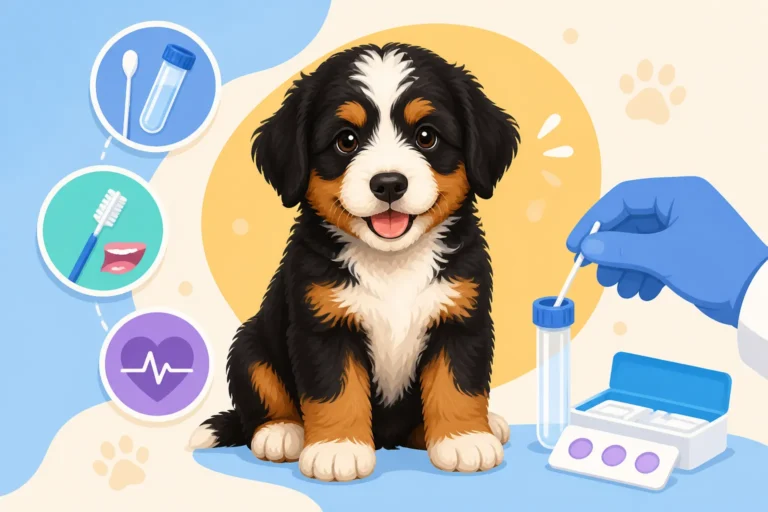
Given the strong genetic component of Histiocytic Sarcoma in Bernese Mountain Dogs, robust health testing of the parent dogs is absolutely paramount for Bernedoodle breeders. Responsible breeders will screen their Bernese breeding stock for genetic markers associated with HS susceptibility, and carefully consider the health history of their Poodle lines as well. While there isn't a single definitive "cancer gene" test for HS that guarantees a dog won't get it, understanding the lineage and the general health of the parent Bernese is crucial. Breeders should be transparent about the health clearances of both parents, including hip and elbow evaluations, eye certifications, and genetic tests for other conditions common to the breeds. For instance, knowing The Five Clearances a Bernedoodle Breeder Should Have can give you a strong indication of their commitment to healthy offspring.
A breeder who is serious about reducing health risks will not only test for common Poodle issues but will also delve deep into the Bernese side's cancer history. Asking a breeder about cancer in the Bernese line is a perfectly valid and necessary question. They should be able to discuss the longevity of their breeding dogs' ancestors and any instances of HS in their lines. While even the most thorough testing can't completely eliminate the risk of a complex disease like cancer, it significantly minimizes the chances of producing puppies with an inherited predisposition to such a devastating condition. This due diligence is a cornerstone of ethical breeding and provides potential owners with invaluable peace of mind.
Recognizing the Signs and Proactive Steps
Even with the best breeding practices and the potential benefits of hybrid vigor, owning a Bernedoodle means you should always be vigilant about their health, especially concerning conditions like Histiocytic Sarcoma. Early detection can make a difference, however small.
The First Subtle Signs of Cancer in a Bernedoodle
Recognizing the early signs of Histiocytic Sarcoma in a Bernedoodle can be incredibly challenging because they are often vague and can mimic many other, less serious conditions. However, vigilance is key. You might notice your dog is more lethargic than usual, not as eager for walks or playtime. There could be a subtle decrease in appetite or a gradual, unexplained weight loss despite eating normally. Some dogs might develop a cough or difficulty breathing if the lungs are affected. Lameness that seems to come and go, or doesn't improve with rest, especially in a large breed like a Bernedoodle, could be a red flag if the cancer is in the bones or joints.
Other signs to watch for include unexplained swellings or lumps, pale gums (indicating anemia), or enlarged lymph nodes. If you notice a change in your Bernedoodle's behavior, energy levels, appetite, or physical well-being that persists for more than a few days, it's always best to consult your veterinarian. Don't wait, because with aggressive cancers like HS, every day counts. Paying attention to The First Signs of Cancer in a Bernedoodle can empower you to act quickly.
The Importance of Regular Veterinary Check-ups and Screening
Regular veterinary check-ups are non-negotiable for a Bernedoodle, especially as they approach middle age. These routine visits are not just for vaccinations; they are critical opportunities for your vet to perform a thorough physical examination, listen to your dog’s heart and lungs, palpate their abdomen, and check for any abnormalities. Vets are trained to spot subtle changes that a loving owner might overlook initially.
Beyond annual physicals, discussions with your vet about screening options as your Bernedoodle ages are crucial. While there isn't a definitive blood test for HS, regular blood work can sometimes reveal anomalies like anemia or elevated inflammatory markers that might warrant further investigation. Imaging, such as X-rays or ultrasound, might be recommended if suspicious symptoms arise. Some owners, particularly those with a strong family history of HS in their Bernedoodle's lineage, opt for more frequent check-ups or advanced screening methods as their dog matures. Investing in pet insurance, such as through providers like Healthy Paws, can also provide peace of mind and financial support for these vital diagnostic tests and potential treatments, ensuring you can make decisions based on what’s best for your dog, not just your wallet. This kind of comprehensive The Screening a Bernedoodle Should Have Yearly is essential.
Nutritional and Lifestyle Considerations for Cancer Prevention
While genetics play a significant role in Histiocytic Sarcoma, certain nutritional and lifestyle choices can contribute to overall health and potentially bolster your Bernedoodle’s resilience against diseases, including cancer. A high-quality, balanced diet rich in antioxidants and anti-inflammatory ingredients can support a strong immune system. Opt for dog foods with whole ingredients, lean protein, and a good balance of healthy fats. Avoid excessive processed foods, artificial additives, and unnecessary fillers.
Maintaining a healthy weight is also paramount. Obesity can exacerbate inflammation and put stress on all bodily systems, potentially increasing cancer risk. Ensure your Bernedoodle gets consistent, appropriate exercise tailored to their age and size. This not only helps with weight management but also promotes good circulation and overall well-being. Keeping them active and mentally stimulated contributes to a robust immune system. While no diet or exercise regimen can prevent a genetically predisposed cancer entirely, giving your Bernedoodle the best possible foundation can help them live a healthier life and potentially improve their ability to cope with illness if it does occur. Consider the topic of Whether Diet Affects a Bernedoodle's Cancer Risk in your routine.
Supporting Your Bernedoodle Through a Diagnosis
Receiving a cancer diagnosis for your beloved Bernedoodle is one of the most devastating moments an owner can face. The shock, the fear, the immediate flood of questions about treatment and prognosis – it’s overwhelming. But it’s important to remember you’re not alone and that there are often options to consider for their comfort and care.
Exploring Treatment Options: What Chemotherapy Achieves for a Bernedoodle
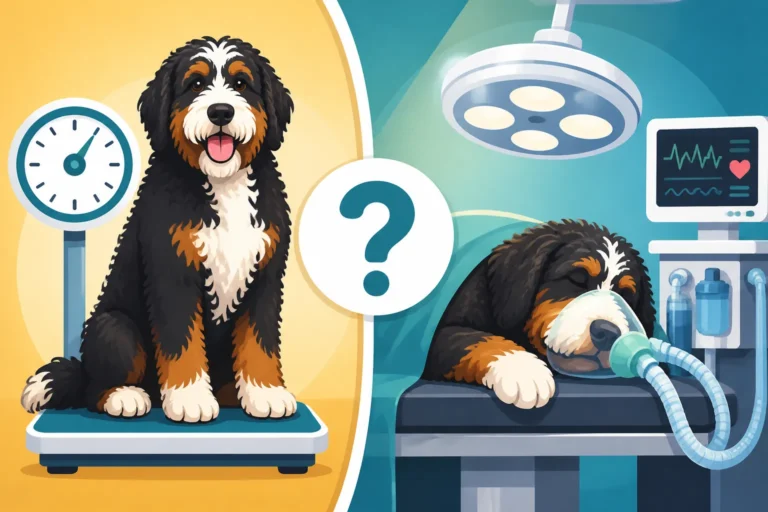
When a Bernedoodle is diagnosed with Histiocytic Sarcoma, the discussion around treatment options will naturally arise. Chemotherapy is often the primary treatment for disseminated HS, aiming to target and destroy rapidly dividing cancer cells throughout the body. The goal of chemotherapy in dogs, especially for aggressive cancers like HS, is rarely a complete cure, but rather to achieve remission, slow the progression of the disease, and improve the dog's quality of life for as long as possible. The type of chemotherapy used, the frequency of treatments, and the anticipated side effects will be discussed in detail by your veterinary oncologist.
It’s a common misconception that chemotherapy in dogs is as debilitating as it can be for humans. While side effects like mild nausea, decreased appetite, or temporary lethargy can occur, dogs generally tolerate chemotherapy much better than people do. Veterinarians aim for a protocol that maintains a good quality of life. Discussions around What Chemotherapy Achieves for a Bernedoodle will focus on balancing efficacy with minimizing discomfort. It’s important to be realistic about the prognosis for HS, but also hopeful that treatment can provide precious extra time with your furry family member. The costs associated with such treatments can be substantial, which further highlights the value of pet insurance from providers like Healthy Paws, which can significantly ease the financial burden during such a challenging time. Knowing What Cancer Treatment Costs a Bernedoodle Owner can help you prepare.
Managing Quality of Life
Beyond specific cancer treatments, managing your Bernedoodle’s quality of life becomes the paramount concern. This involves a holistic approach to their comfort, happiness, and dignity. Pain management is often a critical component, with veterinarians prescribing appropriate medications to keep your dog comfortable and mobile. Ensuring they have a cozy, easily accessible resting place, perhaps a supportive orthopedic bed, can make a huge difference.
Nutrition might need to be adjusted as well. If appetite wanes, your vet might suggest palatable prescription diets or appetite stimulants. Keeping them hydrated is also key. Gentle exercise, appropriate for their energy levels, can maintain muscle mass and mental well-being. Most importantly, continuing to engage with your Bernedoodle, offering them affection, comfort, and their favorite low-impact activities, reinforces their place in the family. The aim is to ensure their remaining time is filled with love, comfort, and as much joy as possible, focusing on their well-being every step of the way. When considering Whether a Bernedoodle Tolerates Chemotherapy Well, quality of life is always at the forefront of the veterinary team's recommendations.
| Characteristic | Purebred Bernese Mountain Dog (BMD) | Bernedoodle (F1 Generation) | Key Considerations for Owners |
|---|---|---|---|
| Genetic Predisposition to Histiocytic Sarcoma | High | Moderate to Significant (depends on BMD parent's lineage) | Even with hybrid vigor, risk is present. |
| Average Age of HS Onset | Typically 6-8 years (can be younger or older) | Similar to Bernese, often middle age | Vigilance crucial from age 4-5. |
| Impact of Parental Testing | Critical for identifying high-risk lines | Absolutely essential; seek breeders with transparent health clearances | Ask specifically about cancer history in BMD parent's line. |
| Prognosis with Diagnosis | Generally poor, rapid progression | Still serious, but potentially slightly varied based on individual genetics | Early detection, quality vet care, and insurance like Healthy Paws are vital. |
| Overall Cancer Risk | High for various cancers, especially HS | Lower overall cancer risk than BMD, but HS remains a concern | Regular vet checks and preventative care for a potentially longer lifespan like The Twelve to Fifteen Years a Bernedoodle Is Sold On. |
Disclaimer
This article is for general informational purposes only and does not constitute professional advice. Laws, prices and regulations vary by location and change over time. Consult a qualified professional for guidance on your specific situation.