Whether Bernedoodle Cancer Runs in Specific Lines
Bringing a Bernedoodle into your life is a joy, but the specter of health issues, particularly cancer, can cast a long shadow, especially given the Bernese Mountain Dog's well-known predisposition. It’s natural to worry if the health history of a puppy's lineage means an increased risk for your furry family member. This guide aims to thoroughly explore whether cancer truly runs in specific Bernedoodle lines and what you can do to navigate these concerns.
Understanding Canine Cancer Genetics
It's a heartbreaking reality that cancer is a leading cause of death in dogs, much like in humans. When we talk about cancer "running in the family" or "running in lines" for our Bernedoodles, we're delving into a complex world of genetics, environmental factors, and sheer bad luck. It's rarely as simple as a single gene defect, but rather a confluence of predispositions that can be passed down.
The Complex Nature of Cancer Inheritance
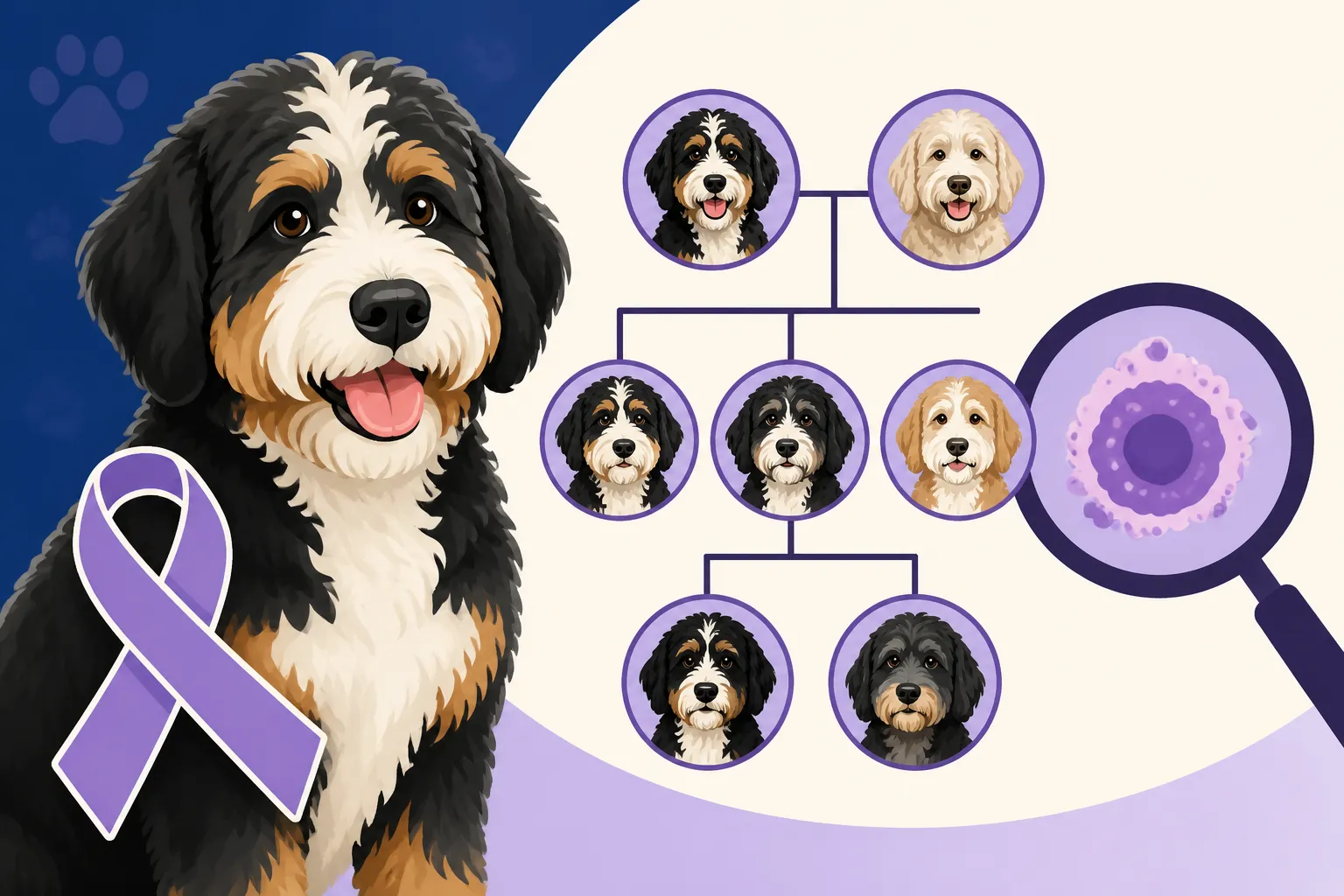
Unlike some simple genetic diseases where a dog either has the gene mutation or doesn't, cancer is often polygenic, meaning multiple genes play a role, or it's influenced by a combination of genetics and external factors. This is why two dogs from the same litter might have vastly different health outcomes, even with similar genetic blueprints. For Bernedoodles, this complexity is doubled because they inherit genetic material from two distinct breeds: the Bernese Mountain Dog and the Poodle, both of which have their own sets of genetic predispositions and health concerns. The idea that a specific "line" of dogs consistently produces offspring with cancer stems from observing patterns over generations within a breeding program. These patterns can indicate a higher prevalence of certain genetic markers or a shared environmental vulnerability within that family tree, but it's not a guarantee for every individual.
What "Running in Lines" Actually Means for Dogs
When a breeder or owner says cancer "runs in lines," they're typically referring to an observable pattern where multiple close relatives—parents, grandparents, siblings, aunts, uncles—have been diagnosed with specific types of cancer, often at a younger than average age. For example, if a Bernedoodle's grandparents and a parent all succumbed to Histiocytic Sarcoma and Whether a Bernedoodle Escapes It relatively early, that would suggest a line with a higher risk. This isn't just anecdotal; it's about tracking health over generations. Reputable breeders meticulously keep these records, allowing them to make informed decisions about who to breed and how to reduce the likelihood of passing on predispositions. It's a testament to responsible breeding when these patterns are recognized and addressed, rather than ignored.
Bernedoodle Specifics: The Bernese Mountain Dog & Poodle Influence
The Bernedoodle is a hybrid, a wonderful mix of the affectionate Bernese Mountain Dog and the intelligent Poodle. While the aim of this cross was partly to leverage hybrid vigor and potentially improve health, particularly lifespan and cancer rates, the genetic legacy of both parent breeds still plays a massive role in a Bernedoodle's overall health outlook.
The Bernese Legacy: A Higher Cancer Risk
Let's be blunt: the Bernese Mountain Dog has a heartbreakingly high incidence of certain cancers. These majestic dogs are particularly prone to aggressive cancers like histiocytic sarcoma, mast cell tumors, lymphoma, and osteosarcoma. Their average lifespan, often cited around 7-8 years, is significantly impacted by these diseases. So, when you bring a Bernedoodle into your home, you're inherently taking on a certain degree of this Bernese predisposition. The question then becomes, does the Poodle's genetics dilute this risk? Many new Bernedoodle owners hope that Whether Half Bernese Means Half the Cancer Risk, but the reality is more nuanced. It’s not a simple 50/50 split on every gene. If a particular Bernese line has a very strong genetic propensity for a specific cancer, even crossing it with a Poodle might not entirely eliminate that risk in the offspring, though it could potentially reduce the overall incidence or delay the onset.
The Poodle's Contribution to Cancer Susceptibility
It's a common misconception that Poodles are somehow "cancer-free" and only bring robust health to the Bernedoodle cross. While Poodles, especially Standard Poodles, tend to have longer lifespans than Bernese Mountain Dogs, they are not immune to cancer. They can be prone to certain types of cancer themselves, including sebaceous adenomas, melanoma, and hemangiosarcoma, though perhaps not with the same devastating frequency of histiocytic sarcoma in Bernese. So, while the Poodle side might offer some buffer against the Bernese's specific cancer vulnerabilities, it introduces its own, albeit often less aggressive, set of potential risks. Understanding these contributions from both sides helps in appreciating the full genetic tapestry of a Bernedoodle.
Hybrid Vigor and Cancer: Is There a Shield?
The concept of "hybrid vigor" is often cited as a major advantage of designer breeds like the Bernedoodle. It suggests that by crossing two distinct purebred lines, you increase genetic diversity and, in turn, reduce the incidence of certain inherited diseases that are common when breeding within a closed gene pool. In theory, this should mean that Whether the Bernedoodle Cross Actually Reduced Cancer. For some conditions, particularly those caused by recessive genes common in one breed, hybrid vigor can be very effective. However, when it comes to complex diseases like cancer, which are often influenced by multiple genes and environmental factors, hybrid vigor acts more as a moderator than a complete shield. It might shift the odds in your favor, perhaps leading to a later onset or a slightly lower overall risk, but it doesn't make a Bernedoodle immune. Some studies suggest that while mixed breeds generally have lower rates of some diseases, the effect on cancer, especially very aggressive types, is less pronounced. Therefore, it's crucial not to rely solely on the "hybrid" label as a guarantee against cancer.
Identifying Potential Risk: What to Ask Your Breeder
Navigating the world of Bernedoodle breeders can feel overwhelming, especially when you're trying to understand the genetic health of your future puppy. Asking the right questions and observing transparent practices are your best defense against inadvertently choosing a puppy from a high-risk line.
Essential Health Clearances and Pedigree Review
A responsible breeder should be an open book when it comes to the health history of their breeding dogs and their ancestors. This includes providing proof of essential health clearances for both parent dogs. For Bernese Mountain Dogs and Poodles, this typically means certifications for hips, elbows, eyes, and cardiac health, as well as genetic tests for conditions like Von Willebrand's Disease and Degenerative Myelopathy. When it comes to cancer, while there isn't a single definitive DNA test for all cancers, a good breeder will be able to discuss the longevity and causes of death for dogs in their breeding lines, going back several generations. They should be transparent about any instances of cancer, even if it's unpleasant information. This is where you can look for patterns: did multiple dogs in the pedigree die young of What Histiocytic Sarcoma Does to a Bernese, or other aggressive cancers? Are their dogs generally living beyond the typical Bernese lifespan? This deep dive into the pedigree provides a clearer picture than just looking at the immediate parents. You can also ask about the details of The Five Clearances a Bernedoodle Breeder Should Have to ensure they're being thorough.
Transparency and Communication with Your Breeder
Beyond just showing papers, a breeder's willingness to openly discuss health concerns is a huge red flag—or green one. A truly responsible breeder will not shy away from discussing the health challenges faced by the parent breeds, including cancer. They will explain their breeding philosophy, how they select breeding pairs to minimize risks, and what steps they take to track health outcomes in their puppies over time. Don't be afraid to ask direct questions like, "Asking a Breeder About Cancer in the Bernese Line?" or "What are The Cancers That Take Bernedoodles Most Often in your lines, and how are you addressing them?" A great breeder will have a network of previous puppy owners and may even conduct surveys to gather long-term health data, showing a genuine commitment to improving the breed's health. If a breeder gives vague answers or gets defensive, consider it a warning sign.
The Role of Genetic Testing
While it's important to understand that Whether Any DNA Test Predicts Bernedoodle Cancer in its entirety, there are genetic tests available that can identify markers for specific conditions, including some that might predispose a dog to certain health issues that can weaken the immune system or create vulnerabilities. For instance, tests for conditions like Degenerative Myelopathy (DM), common in Bernese Mountain Dogs and Poodles, are important. While DM isn't cancer, it's an example of how genetic screening helps breeders make informed decisions. Researchers are continually working on identifying genetic markers related to cancer susceptibility in various breeds. Staying updated on these advancements and discussing them with your breeder can be beneficial. It shows your dedication and helps you both make the most informed decisions possible.
Proactive Steps for Bernedoodle Owners
Bringing a Bernedoodle into your life means committing to their well-being, especially when you’re aware of potential health predispositions. While we can't eliminate all risks, there are many proactive steps you can take to foster a healthy life for your beloved companion and increase the chances of early detection should a health issue arise.
Regular Veterinary Check-ups and Early Detection
One of the most impactful things you can do for your Bernedoodle is to ensure they receive regular, thorough veterinary check-ups. This isn't just about vaccinations; it's about establishing a baseline for your dog's health and catching subtle changes early. Your veterinarian can advise you on The Screening a Bernedoodle Should Have Yearly, which often includes blood work, urinalysis, and a physical exam. For breeds known to be susceptible to certain cancers, like the Bernedoodle, these annual checks become even more critical. During these visits, don't hesitate to discuss any lumps, bumps, changes in appetite or energy, or unusual behaviors you've observed, no matter how minor they seem. Early detection is often the key to successful treatment for many forms of cancer, offering more options and potentially better outcomes.
Lifestyle Factors: Diet, Exercise, and Environment
Just like in humans, a healthy lifestyle plays a significant role in a dog's overall health and can influence their susceptibility to diseases, including cancer. Providing a high-quality, balanced diet is paramount. Discuss food options with your vet, focusing on ingredients that support immune health and maintain an ideal body weight. Obesity can exacerbate many health issues, and some research suggests it may increase cancer risk. Similarly, regular, appropriate exercise is vital for maintaining a healthy weight, strong muscles, and a robust immune system. While you need to be mindful of joint health in growing Bernedoodles, finding a balance that keeps them active without overstressing their bodies is key. Furthermore, minimizing exposure to environmental toxins like certain pesticides, herbicides, and even secondhand smoke can contribute to a healthier life. Ensuring clean water and a safe living environment are basic but crucial elements. Consider Whether Diet Affects a Bernedoodle's Cancer Risk and make informed choices.
Considering Pet Insurance for Peace of Mind
Let’s be realistic about the costs involved if your Bernedoodle does face a serious health challenge like cancer. Treatments can be incredibly expensive, ranging from thousands to tens of thousands of dollars, depending on the type and stage of cancer, and the chosen therapies. This is where pet insurance can be a literal lifesaver, offering immense peace of mind and allowing you to make treatment decisions based on your dog's needs, rather than your wallet. Providers like Healthy Paws offer comprehensive plans that can cover a significant portion of unexpected veterinary bills, including those for cancer diagnosis and treatment. It’s worth investigating Whether Cancer Is Covered on a Bernedoodle Policy before you need it. While it's an added monthly expense, the financial safety net it provides can be invaluable. Imagine the stress of an urgent diagnosis and the relief of knowing that much of What Cancer Treatment Costs a Bernedoodle Owner could be covered. Getting pet insurance, especially from a provider like Healthy Paws, when your Bernedoodle is young and healthy often means better coverage terms and lower premiums. Don't wait until a diagnosis hits; look into Healthy Paws and other reputable providers early in your Bernedoodle's life.
Here's a quick overview of some common cancer types and their prevalence in Bernedoodle parent breeds:
| Cancer Type | Bernese Mountain Dog Prevalence | Standard Poodle Prevalence | Bernedoodle Risk Factor (General) | Notes |
|---|---|---|---|---|
| Histiocytic Sarcoma | Very High, often aggressive & early onset | Low to Moderate | Moderate to High | Significant concern due to Bernese lineage; often a leading cause of death. |
| Lymphoma | Moderate to High | Moderate | Moderate to High | Common in both parent breeds; hybrid vigor may offer some moderation but not elimination of risk. |
| Mast Cell Tumors | Moderate to High | Low to Moderate | Moderate | Can appear as skin lumps; early detection and removal are key. |
| Osteosarcoma | Moderate | Moderate (especially larger Poodles) | Moderate | Bone cancer, more common in large and giant breeds. |
| Hemangiosarcoma | Moderate | Moderate | Moderate | Aggressive cancer of blood vessel lining; often internal. |
| Sebaceous Adenomas | Low | Moderate to High | Low to Moderate | Typically benign skin tumors, more common in Poodles. |
| Melanoma | Low | Moderate (especially digital/oral) | Low to Moderate | Can be aggressive, especially in mouth or nail beds. |
Final Thoughts on Bernedoodle Cancer Risks
The concern about cancer running in Bernedoodle lines is entirely valid, and it’s a question that every prospective and current Bernedoodle owner should thoughtfully consider. While the Bernedoodle cross was indeed motivated by a desire to improve the health and longevity of the Bernese Mountain Dog, it's not a magic bullet against cancer. The genetic legacy of both parent breeds means a continued vigilance is necessary.
By actively seeking out reputable breeders who prioritize health testing and transparency, understanding the genetic predispositions of both Bernese Mountain Dogs and Poodles, and committing to proactive care—including regular vet visits, a healthy lifestyle, and considering pet insurance like Healthy Paws—you are doing everything in your power to give your Bernedoodle the best possible chance at a long, healthy, and happy life. It's about being informed, prepared, and deeply committed to their well-being, no matter what challenges may arise.
Disclaimer
This article is intended for informational purposes only and should not be considered a substitute for professional veterinary advice. Always consult with a qualified veterinarian for any health concerns or before making any decisions about your pet's health or treatment.