What an At Risk SOD1 Result Means for a Bernedoodle
Getting an "at risk" genetic test result for your beloved Bernedoodle can feel like a punch to the gut. You brought this wonderful, goofy companion into your home, dreaming of years of walks and cuddles, only to be faced with the terrifying possibility of a debilitating neurological disease like Degenerative Myelopathy (DM). It's a heavy burden, filled with uncertainty and fear for the future. This guide is here to shed light on exactly what an "at risk" SOD1 result truly means for your Bernedoodle, what steps you can take, and how to prepare for what might lie ahead, arming you with knowledge rather than leaving you in the dark.
Understanding Degenerative Myelopathy and the SOD1 Gene
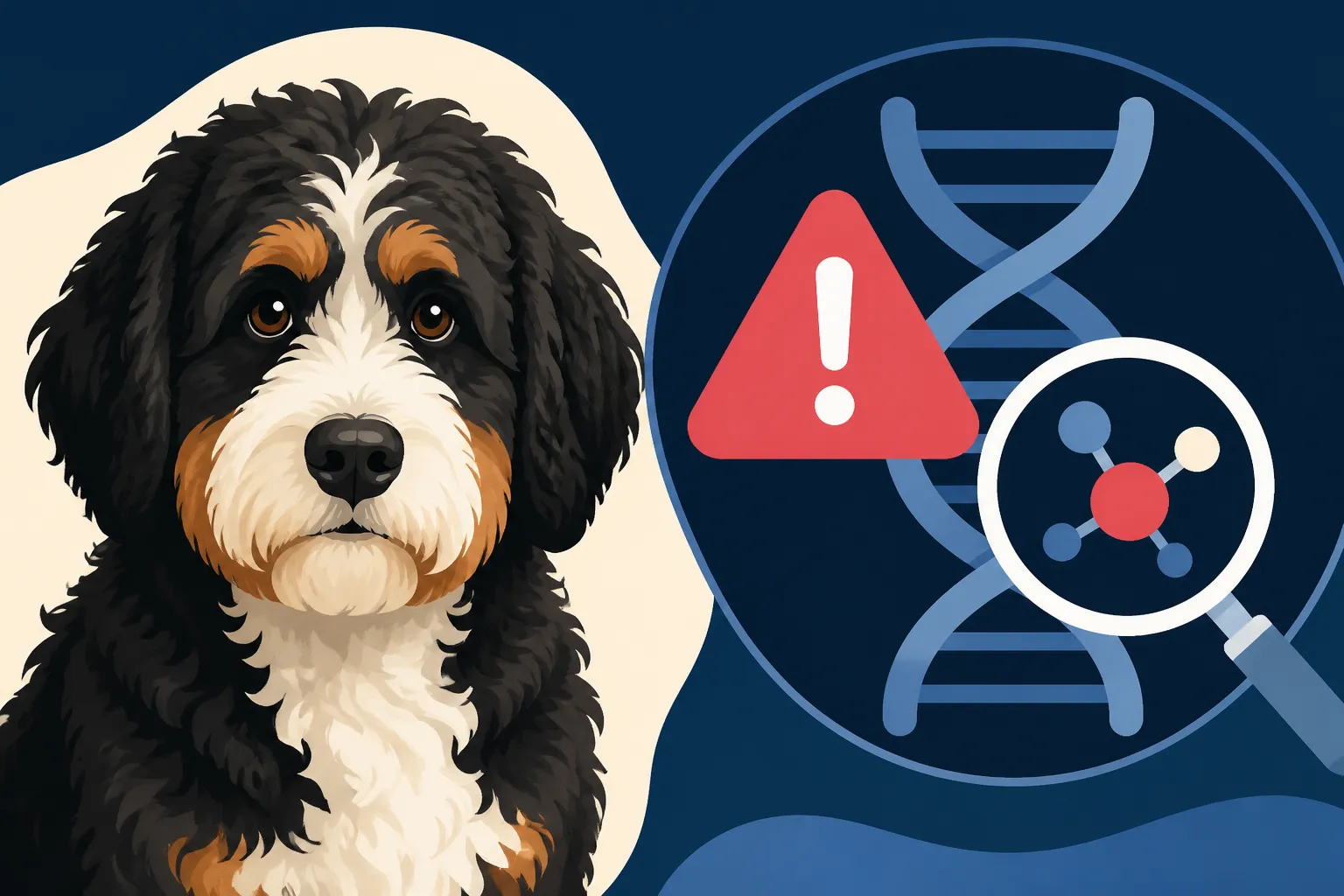
Degenerative Myelopathy is a progressive, incurable neurological disease that affects the spinal cord, leading to hind limb weakness and paralysis. It’s often compared to ALS in humans because of its relentlessly progressive nature. For Bernedoodles, this condition is particularly concerning because both parent breeds – the Bernese Mountain Dog and the Poodle – can carry the genetic mutation responsible. The "SOD1" gene refers to Superoxide Dismutase 1, and mutations in this gene are strongly associated with the development of DM.
The Genetic Basis of DM in Bernedoodles
At its core, DM is a genetic condition. It’s an autosomal recessive disorder, meaning a dog must inherit two copies of the mutated gene (one from each parent) to be at risk of developing the disease. If a dog only inherits one copy, they are considered a "carrier" and won't typically show symptoms themselves, but they can pass the gene on to their offspring. The science behind this is quite intricate, involving a misfolded protein that progressively damages the white matter of the spinal cord. This damage interferes with the transmission of nerve signals from the brain to the limbs, causing the gradual loss of coordination and strength. Researchers continue to explore the exact mechanisms, but what's clear is the significant role the SOD1 gene plays in this devastating condition.
How a Bernedoodle Inherits the SOD1 Gene
Since Bernedoodles are a crossbreed of Bernese Mountain Dogs and Poodles, they inherit genetic material from both. This means that if either parent carries the SOD1 mutation, the Bernedoodle puppy could inherit it. For instance, if one parent is a carrier (has one copy of the mutated gene) and the other is clear (has no copies), some puppies in the litter might be carriers, but none would be at risk. However, if both parents are carriers, there's a 25% chance with each puppy that it could inherit two copies of the mutated gene, making it "at-risk." This is precisely why reputable breeders emphasize genetic testing for both parent dogs before breeding. Understanding Whether Both Bernedoodle Parents Should Be SOD1 Tested is paramount to making informed decisions when choosing a puppy. Without this testing, you're essentially playing a genetic lottery with your future companion's health.
Decoding an "At-Risk" SOD1 Result for Your Bernedoodle
When your Bernedoodle receives an "at-risk" SOD1 result, it means that genetic testing has identified two copies of the mutated SOD1 gene in their DNA. This is a critical piece of information, but it’s vital to understand what it does and doesn't signify. An "at-risk" designation means your dog has a significantly increased probability of developing Degenerative Myelopathy at some point in their life. However, and this is crucial, it does not guarantee that they will develop the disease, nor does it predict when symptoms might begin or how rapidly it will progress. Some dogs with two copies of the gene never develop clinical signs of DM, leading scientists to believe there are other genetic or environmental factors at play. However, it's generally accepted that the vast majority of "at-risk" dogs will eventually develop DM.
The Difference Between "At-Risk," "Carrier," and "Clear"
Genetic testing for DM typically yields one of three results, each with distinct implications:
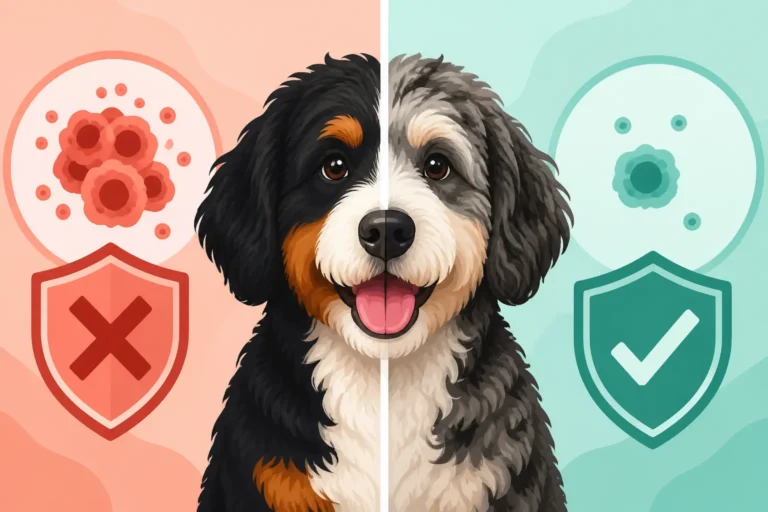
- Clear (N/N): This is the best possible result. A Bernedoodle with a "clear" status has inherited two normal copies of the SOD1 gene and is not at risk of developing DM, nor can they pass the mutated gene on to offspring.
- Carrier (A/N): A "carrier" Bernedoodle has inherited one normal copy and one mutated copy of the SOD1 gene. These dogs are generally not expected to develop DM symptoms themselves, though very rare exceptions have been noted. The primary concern with carriers is their ability to pass the mutated gene to approximately 50% of their offspring. This is why it's crucial for breeders to know if their breeding dogs are carriers. Whether a Bernedoodle Carrier Ever Shows Signs is a common question, and generally, the answer is no, which can make carrier status deceptively easy to overlook if not for proper testing.
- At-Risk (A/A): An "at-risk" Bernedoodle has inherited two copies of the mutated SOD1 gene, one from each parent. As discussed, this means they are genetically predisposed to developing DM.
| SOD1 Test Result | Genetic Makeup | Risk of Developing DM | Ability to Pass Gene | Breeding Recommendation |
|---|---|---|---|---|
| Clear (N/N) | Two normal genes | No risk | No | Can be bred with any partner |
| Carrier (A/N) | One normal, one mutated | Extremely low/rarely | Yes, to 50% of offspring | Breed only with a "Clear" partner |
| At-Risk (A/A) | Two mutated genes | High probability | Yes, to 100% of offspring | Should not be bred |
This table clearly illustrates why understanding these distinctions is so vital for both owners and breeders alike.
Probability and Onset of Degenerative Myelopathy
While an "at-risk" result carries a high probability, it's important to frame it realistically. Not every Bernedoodle with two copies of the mutated SOD1 gene will develop clinical signs of DM, although most will. The scientific community estimates that approximately 60-70% of genetically at-risk dogs will actually develop symptoms. For those that do, The Age Degenerative Myelopathy Appears in a Bernedoodle typically ranges from 8 to 14 years old, though it can sometimes manifest earlier or later. It's a disease of older age, which means your Bernedoodle will likely have many happy, healthy years before any symptoms might appear.
The progression rate also varies widely among individual dogs. Some might show a very slow, subtle decline over years, while others can experience a more rapid progression. Factors influencing this variability are still being researched, but things like nutrition, overall health, exercise levels, and other unknown genetic modifiers are thought to play a role. Because of this unpredictability, an "at-risk" result becomes a call to vigilance and proactive care, rather than a sentence of immediate despair.
Living with an At-Risk Bernedoodle
Knowing your Bernedoodle has an "at-risk" SOD1 result changes your perspective. It doesn't mean you should spend every day worrying, but it does empower you to be more proactive in their care and to recognize potential signs early. The goal is to maximize their quality of life, focusing on health, comfort, and happiness for as long as possible.
Early Signs and Symptom Management
The earliest signs of Degenerative Myelopathy often begin subtly and can be easy to miss or mistake for other age-related conditions, especially since DM typically manifests in a dog's senior years. You might notice a slight loss of coordination in the hind limbs, a tendency to drag their back paws, or a wobble when standing. They might scuff their nails more frequently, or their gait might become uneven. Owners sometimes describe it as Whether a Bernedoodle Dragging a Back Foot Has DM. It’s crucial to monitor these subtle changes.
As the disease progresses, the weakness becomes more pronounced, leading to difficulty getting up, wobbling, and eventually the inability to stand without support. At this stage, your veterinarian might recommend physical therapy to maintain muscle mass and improve mobility for as long as possible. Hydrotherapy, gentle exercises, and even massage can be beneficial. It's a heartbreaking journey, but early recognition allows for earlier intervention to maintain comfort and function.
Supportive Care and Quality of Life
When symptoms do appear, your focus shifts entirely to supportive care to ensure your Bernedoodle remains as comfortable and mobile as possible. This involves a multi-faceted approach. Physical therapy, as mentioned, is paramount. Regular, controlled exercise—not over-exertion—can help maintain muscle tone and slow progression. Non-slip rugs throughout your home can prevent slips and falls as their balance declines. Ramps for beds, cars, or stairs can help them navigate their environment safely and reduce strain on their weakening limbs.
Consider orthopedic beds for extra joint support. As their mobility decreases, you might need to assist them with standing or going to the bathroom. Harnesses designed for hind-limb support, or full-body support harnesses, can be invaluable tools to help you lift and steady your dog. Eventually, many owners explore options like doggie wheelchairs or carts to help their Bernedoodle maintain independence and enjoy walks even after they lose the ability to use their hind legs. There are many resources available on Wheelchairs and Carts for a Bernedoodle With DM that can help dogs continue to enjoy life. When talking to your vet about DM, consider asking about pet insurance options from providers like Healthy Paws that might help cover these ongoing costs, as managing a chronic condition can become expensive over time.
When to Consult Your Veterinarian
If you have an at-risk Bernedoodle, regular veterinary check-ups are even more important. Discuss your dog's SOD1 status with your vet so they can be vigilant for early signs. If you notice any changes in gait, coordination, or hind limb strength, no matter how subtle, it's time to make an appointment. Your vet will perform a neurological exam and may recommend further diagnostics to rule out other conditions that can mimic DM. For instance, sometimes Telling DM From Hip Disease in a Bernedoodle can be tricky, as both affect hind leg function, so proper diagnosis is essential.
While there is no cure for DM, early diagnosis allows you to start supportive therapies sooner, which can potentially slow the progression of the disease and significantly improve your Bernedoodle’s quality of life. Be open and honest with your vet about your observations and concerns. They are your best partner in managing this condition. Don't hesitate to seek a second opinion from a veterinary neurologist if your primary vet doesn't have extensive experience with DM. In some cases, your vet might recommend specific joint supplements or anti-inflammatory medications to address any secondary discomfort, and again, a good pet insurance plan from Healthy Paws could be a real lifesaver for these types of ongoing prescriptions and treatments.
Breeding Considerations for At-Risk Bernedoodles
An "at-risk" SOD1 result carries significant implications for breeding, and ethical breeders will always take these results seriously. The primary goal of responsible breeding is to produce healthy puppies, and knowingly breeding dogs that will pass on debilitating genetic conditions goes against that principle.
Ethical Breeding Choices
A Bernedoodle identified as "at-risk" (A/A) for Degenerative Myelopathy should absolutely not be used for breeding. By doing so, you would guarantee that every single puppy in the litter would inherit at least one copy of the mutated SOD1 gene, making them at least "carriers." Furthermore, if bred with another carrier (A/N) or an at-risk (A/A) dog, there would be a high probability of producing more "at-risk" puppies. The commitment to eradicating or at least significantly reducing the prevalence of such diseases lies in making responsible breeding decisions. It's a tough decision for a breeder who loves their dog, but it's the right one for the future of the breed and for the welfare of potential puppies.
This is where the collective effort of breeders comes in. If a breeder knows a potential parent is a carrier (A/N), they should only breed that dog with a partner that is "clear" (N/N). This pairing ensures that while some puppies might be carriers, none will be "at-risk." The SOD1 Test Both Bernedoodle Parents Need isn't just a suggestion; it's a fundamental responsibility.
The Importance of Parent Testing
The proactive step of genetically testing all breeding stock for DM is non-negotiable for responsible Bernedoodle breeders. This screening allows breeders to identify "clear," "carrier," and "at-risk" dogs before any breeding decisions are made. By consistently breeding "clear" dogs with "clear" dogs, or "clear" dogs with "carrier" dogs (while never breeding carriers with carriers, or at-risk dogs at all), the incidence of DM can be significantly reduced within the Bernedoodle population.
When you are looking for a Bernedoodle puppy, always ask the breeder for proof of SOD1 genetic testing for both parents. A transparent breeder will happily provide these results, demonstrating their commitment to the health of their lines. Be wary of any breeder who dismisses the importance of these tests or claims their dogs are "too healthy" to need them. A genetic condition like DM can hide silently in a bloodline for generations, only to surface when the wrong pairing occurs. Investing in a puppy from health-tested parents is one of the most powerful ways you can help reduce the prevalence of devastating diseases like DM, and it provides peace of mind that a basic wellness plan from a company like Healthy Paws can't fully replicate because it addresses prevention at the genetic level.
Ultimately, an "at-risk" SOD1 result for your Bernedoodle is a serious finding, but it is not a reason to despair. It’s an opportunity to educate yourself, to partner closely with your veterinarian, and to provide the best possible supportive care if and when symptoms arise. With knowledge and proactive care, you can ensure your Bernedoodle lives a full, comfortable, and happy life, focusing on the joy they bring every single day.
Disclaimer
The information provided in this article is for educational and informational purposes only and does not constitute veterinary advice. Always consult with a qualified veterinarian for any health concerns or before making any decisions about your pet's medical care or treatment.