Whether Elbow Dysplasia Is Heritable in a Bernedoodle
One of the most heart-wrenching worries for any Bernedoodle owner is the thought of their beloved companion developing painful joint issues. Elbow dysplasia, a common ailment in larger breeds, casts a long shadow, and it’s natural to wonder just how much of a role genetics play in your furry friend's predisposition. This comprehensive guide aims to shed light on the heritability of elbow dysplasia in Bernedoodles, helping you understand the risks and how to best support your dog.
Understanding the Complexities of Elbow Dysplasia
Before we dive into the genetic aspect, it’s crucial to understand what elbow dysplasia actually is. It’s not a single condition but rather a general term used to describe several developmental abnormalities that can occur in the elbow joint of dogs. These abnormalities lead to improper formation of the joint, causing pain, lameness, and ultimately, debilitating arthritis.
What Exactly is Elbow Dysplasia?
Imagine your elbow joint; it's where three bones meet: the humerus (upper arm bone), the radius (forearm bone), and the ulna (another forearm bone). In a healthy dog, these three bones grow and fit together perfectly, allowing for smooth, pain-free movement. However, with elbow dysplasia, one or more of these bones, or the cartilage covering them, develops abnormally. This poor fit causes friction, inflammation, and eventual degeneration of the joint.
Common manifestations of elbow dysplasia include ununited anconeal process (UAP), fragmented coronoid process (FCP), osteochondrosis dissecans (OCD) of the humeral condyle, and elbow incongruity. Each of these refers to a specific defect in how the bones or cartilage form or fuse. The underlying issue is that the joint surfaces don't align correctly, leading to uneven pressure and accelerated wear and tear. Over time, this chronic irritation results in irreversible damage and the onset of osteoarthritis, making movement increasingly difficult and painful for your dog. It's a progressive disease, meaning it tends to worsen over time, especially if not managed.
How Elbow Dysplasia Develops in Puppies
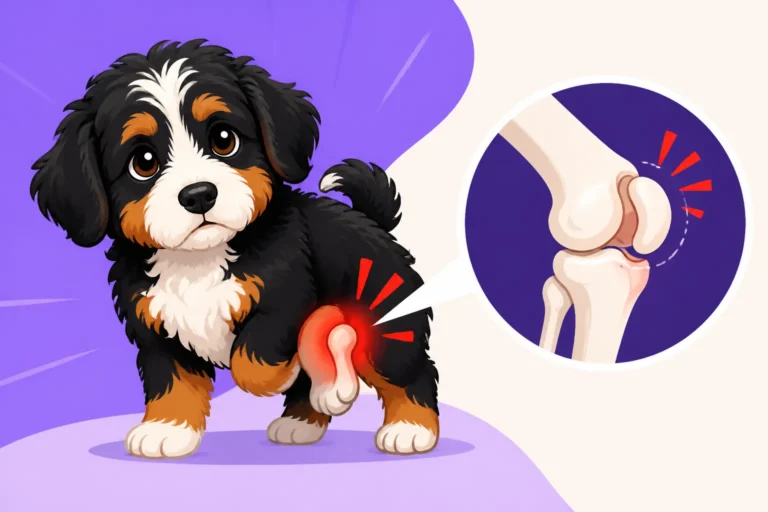
Elbow dysplasia is a developmental condition, meaning it occurs as a puppy grows, rather than being present at birth. The rapid growth phase of large and giant breed puppies, like Bernedoodles, is a critical time for joint development. Typically, the first signs might emerge between 4 to 12 months of age, though sometimes they can be subtle and go unnoticed until later in life when secondary arthritis has already set in.
During this period, if the cartilage and bone don't develop in sync or if there are genetic predispositions, the joint begins to form incorrectly. For instance, if the ulna and radius grow at different rates, it can cause abnormal pressure on the cartilage surfaces, leading to fragmentation or other issues. The symptoms can range from a slight limp after exercise to noticeable lameness, stiffness, reluctance to play, or even a visible swelling around the elbow. It's truly heartbreaking to see your playful puppy suddenly struggle with everyday activities, a constant reminder of how delicate their growing bodies can be.
The Heritable Component in Bernedoodles
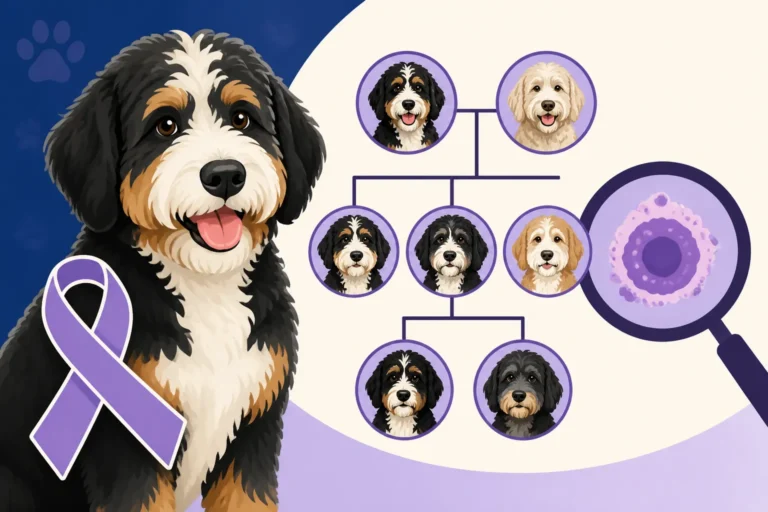
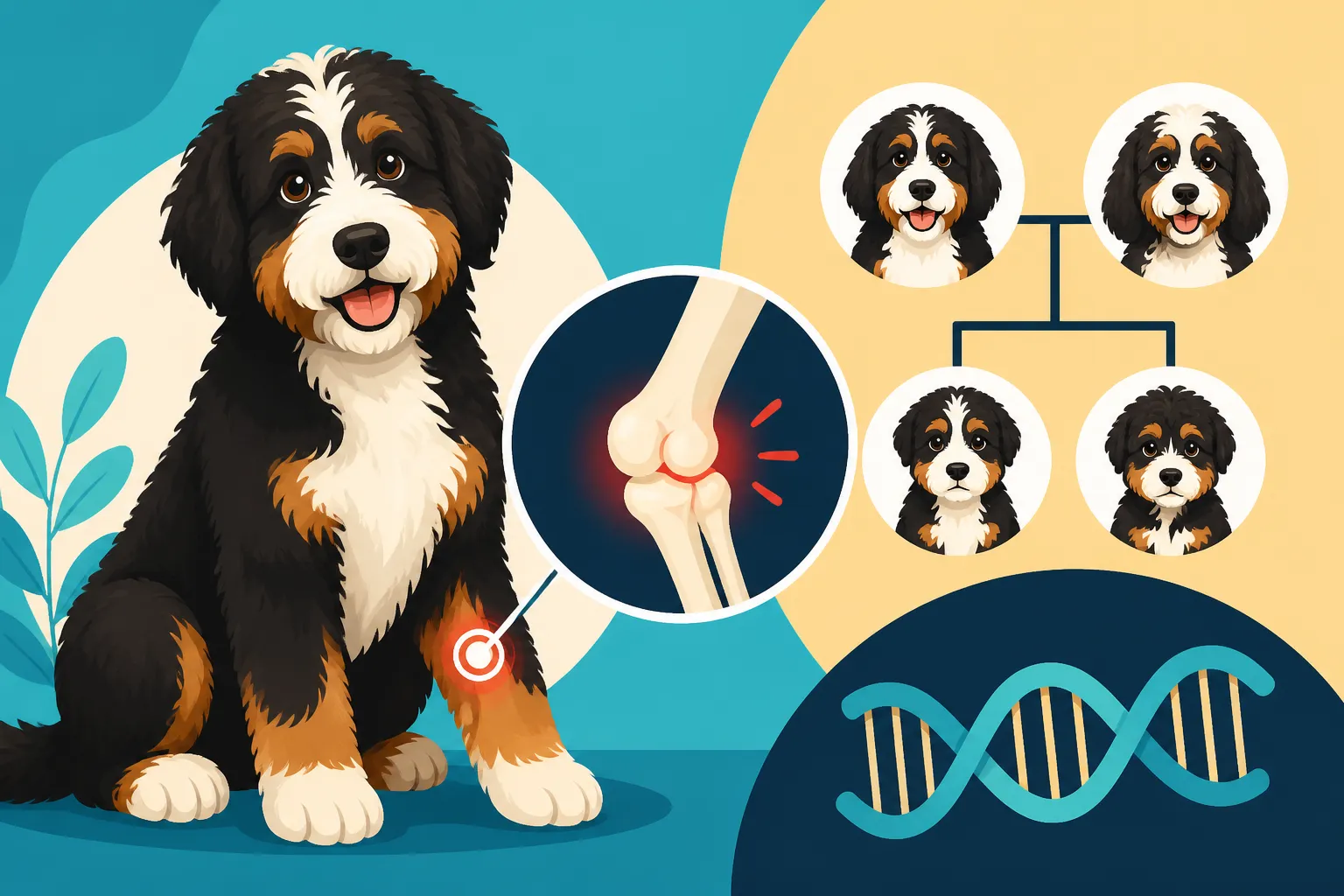
Now, to the heart of the matter: is elbow dysplasia heritable in Bernedoodles? The straightforward answer is yes, absolutely. While environmental factors like diet and exercise play a role, genetics are a primary contributing factor to elbow dysplasia. This condition is considered polygenic, meaning it’s influenced by multiple genes, making it complex to predict and eradicate entirely.
The Role of Genetics from Bernese and Poodle Lines
Bernedoodles inherit their genetic blueprint from two distinct parent breeds: the Bernese Mountain Dog and the Poodle. Both of these breeds are known to be predisposed to elbow dysplasia, making it a significant concern for the Bernedoodle cross.
The Bernese Mountain Dog, in particular, carries a high risk for various joint issues, including elbow dysplasia, hip dysplasia (which you can learn more about in Hips on a Ninety Pound Bernedoodle), and other skeletal problems. Breeders meticulously screen their Bernese lines for these conditions, as they are so prevalent. On the Poodle side, especially Standard Poodles, while perhaps not as widely known for elbow issues as the Bernese, they are still susceptible. This means a Bernedoodle puppy essentially gets a double dose of potential genetic risk for elbow dysplasia. If either parent carries genes for poor joint conformation, those genes can be passed down to the offspring, increasing the likelihood that the puppy will develop the condition. It’s not a simple dominant or recessive gene, which is why diligent screening of both parent breeds is paramount. This complexity also extends to other conditions, such as Degenerative Myelopathy Both Bernedoodle Parents Can Carry, where genetic screening is equally vital.
Why Responsible Breeding Matters So Much
Given the strong heritable component, the importance of responsible breeding practices cannot be overstated. A reputable Bernedoodle breeder will go to great lengths to ensure their breeding dogs are screened and cleared for elbow dysplasia, along with other genetic health conditions common to both parent breeds. This involves comprehensive health testing, typically through organizations like the Orthopedic Foundation for Animals (OFA) or the PennHIP program.
OFA certification involves X-rays of the elbows to assess their structural integrity and assign a grade. Dogs with grades of "Normal" or "Good" are suitable for breeding, while those with "Fair," "Borderline," or dysplastic elbows should not be bred. These certifications are not just fancy papers; they represent a breeder’s commitment to improving the health of the breed and reducing the incidence of painful conditions in future generations. If a breeder cannot provide verifiable OFA or PennHIP clearances for both parent dogs – and ideally, their lineage for several generations – it's a huge red flag. You should always ask to see the official paperwork, not just hear an assurance. To understand what to look for, check out The Five Clearances a Bernedoodle Breeder Should Have and The Elbow Grades a Bernedoodle Breeder Should Show. Without this due diligence, you’re essentially rolling the dice, and your future Bernedoodle could face a lifetime of pain and expensive veterinary care.
Recognizing and Managing Risk
Even with the best genetic screening, no guarantee is absolute. While genetics load the gun, environmental factors often pull the trigger. Understanding how to recognize potential issues and manage risks is key to giving your Bernedoodle the best possible joint health.
Signs Your Bernedoodle Might Be Developing Elbow Issues
Observing your Bernedoodle closely, especially during their growth phase, can help you catch early signs of elbow dysplasia. It’s easy to dismiss a slight limp or a moment of stiffness as just a clumsy puppy or a minor bump, but don't ignore persistent or recurring signs. Here’s what to look for:
- Lameness or limping: This might be intermittent or persistent, often worse after rest or heavy exercise. It can affect one or both front legs.
- Stiffness: Difficulty getting up, especially after sleeping, or a reluctance to run and play as enthusiastically as before.
- Reluctance to exercise: Your dog might hesitate to jump, climb stairs, or engage in activities they once enjoyed.
- Paddling or outward rotation of the paws: In an attempt to reduce discomfort, they might adjust their gait.
- Swelling or pain around the elbow joint: This can sometimes be felt when gently palpating the area.
- Holding the elbow out: Your dog might stand with their elbows rotated outwards to alleviate pressure.
- Muscle atrophy: Over time, if a leg is used less due to pain, the muscle mass can decrease.
If you notice any of these signs, particularly in a young, growing Bernedoodle, it’s crucial to contact your veterinarian promptly. Early diagnosis and intervention can make a significant difference in managing the condition and improving your dog's long-term comfort. Don't wait; even seemingly minor symptoms can indicate a serious underlying issue. For more specific signs in puppies, refer to Signs a Bernedoodle Puppy's Elbows Hurt.
Management and Proactive Care for Joint Health
Managing elbow dysplasia, whether diagnosed or simply a preventative measure for a at-risk breed, involves a multi-faceted approach. It’s about creating an environment that supports optimal joint health throughout your Bernedoodle’s life.
A balanced, high-quality diet specifically formulated for large breed puppies and then adults is crucial. These diets are designed to support slower, steady growth, which is vital for proper bone and joint development. Too rapid growth can exacerbate genetic predispositions. You can find more details in Feeding a Bernedoodle That Will Reach Ninety Pounds. Joint supplements, containing ingredients like glucosamine, chondroitin, and MSM, can be beneficial. Many vets recommend starting these early, especially for breeds prone to joint issues. You might want to consider Whether a Bernedoodle Needs Joint Supplements From Young. Regular, moderate exercise is also key – avoiding high-impact activities, excessive jumping, or long runs on hard surfaces, especially when they're young. Swimming is often an excellent low-impact option.
Furthermore, regular veterinary check-ups are essential. Your vet can monitor your dog's gait, range of motion, and overall joint health. They might recommend imaging if concerns arise. For ongoing care and potential future treatments, having pet insurance from a provider like Healthy Paws can be an absolute lifesaver. These plans can help mitigate the significant financial burden associated with diagnosing and treating chronic conditions like elbow dysplasia, allowing you to focus on your dog's well-being rather than the vet bill. Proactive care is not just about avoiding problems; it's about giving your Bernedoodle the best chance at a comfortable, active life, right through their senior years, as explored in Keeping a Standard Bernedoodle Sound Past Ten.
The Importance of Weight Management
One of the most impactful things you can do for your Bernedoodle's joint health, regardless of their genetic predisposition to elbow dysplasia, is to maintain a healthy weight. Extra pounds put immense stress on all joints, including the elbows, hips, and knees. This additional strain can accelerate the progression of arthritis in an already dysplastic joint or even contribute to the development of problems in otherwise healthy joints.
Even a few extra pounds can make a significant difference over a dog's lifetime. Think about a 90-pound Bernedoodle carrying an extra 10 pounds; that's like a human carrying a heavy backpack all day, every day. It's exhausting and damaging. Monitor your Bernedoodle's weight closely, consult your vet about their ideal body condition score, and adjust their diet and exercise accordingly. You should be able to easily feel their ribs without seeing them, and they should have a discernible waist when viewed from above. An overweight Bernedoodle is at higher risk for numerous health issues, not just joint problems. Losing just a bit of weight can make a world of difference in their comfort and mobility, potentially adding years to their life, as discussed in Whether an Overweight Bernedoodle Loses Years.
Environmental and Lifestyle Considerations
While genetics lay the groundwork, your Bernedoodle's environment and daily lifestyle play a crucial role in either exacerbating or mitigating the effects of any genetic predisposition to elbow dysplasia. You have the power to make choices that support their joint health.
Exercise Considerations for a Growing Bernedoodle
When your Bernedoodle is a puppy, it's easy to get caught up in their boundless energy and desire to play. However, over-exercising a growing large breed puppy can be detrimental to their developing joints. Their bones, growth plates, and ligaments are still soft and vulnerable. High-impact activities like excessive jumping, long runs, or intense agility training before they are fully mature (typically around 18-24 months for a standard Bernedoodle) can cause micro-traumas or even serious damage to their joints.
Instead, focus on short, frequent, low-impact exercise sessions. Structured walks on soft surfaces, gentle play, and swimming are excellent options. A commonly cited guideline is the "five-minute rule": for every month of age, your puppy should get 5 minutes of structured exercise, twice a day. So, a 4-month-old puppy would get two 20-minute walks per day. This gradual increase allows their joints and muscles to strengthen without undue stress. For more on this, refer to The Five Minute Rule on a Bernedoodle Puppy's Walks. Remember, it’s a marathon, not a sprint, when it comes to healthy development.
Nutritional Support Beyond Genetics
The food you choose for your Bernedoodle isn't just about filling their belly; it's a critical component of their overall health, especially for bone and joint development. As mentioned, feeding a large breed specific puppy food is crucial. These formulas are carefully balanced with appropriate calcium and phosphorus levels to promote slow, steady bone growth, preventing the rapid growth spurts that can stress developing joints.
Once they transition to adult food, continue to feed a high-quality, balanced diet that supports their energy needs without causing weight gain. Some owners opt for foods enriched with joint-supporting ingredients, or they add supplements as a proactive measure. While no diet can undo a genetic predisposition, optimal nutrition can certainly provide the best possible foundation for strong joints and healthy connective tissues. Discuss your Bernedoodle's dietary needs with your veterinarian to ensure they are getting everything they need for their unique growth and activity levels. Again, consider discussing preventative measures and the benefits of pet insurance like Healthy Paws with your vet.
| Factor | Genetic Predisposition | Environmental/Lifestyle Factors |
|---|---|---|
| Origin | Inherited from parent breeds | Influences from upbringing and daily routine |
| Key Influence | Structural integrity of elbow joint (bone & cartilage formation) | Rate of growth, weight, type/intensity of exercise, nutrition |
| Mitigation | Responsible breeding (health clearances for parents), selective breeding | Controlled growth, appropriate exercise, weight management, joint supplements |
| Risk Factors | Predisposed breeds (Bernese, Poodle), family history of ED | Over-exercising puppies, rapid growth from overfeeding, obesity, trauma |
| Impact | Determines initial likelihood and severity | Can worsen or alleviate the genetic predisposition |
Disclaimer
This article is for general informational purposes only and does not constitute professional advice. Laws, prices and regulations vary by location and change over time. Consult a qualified professional for guidance on your specific situation.