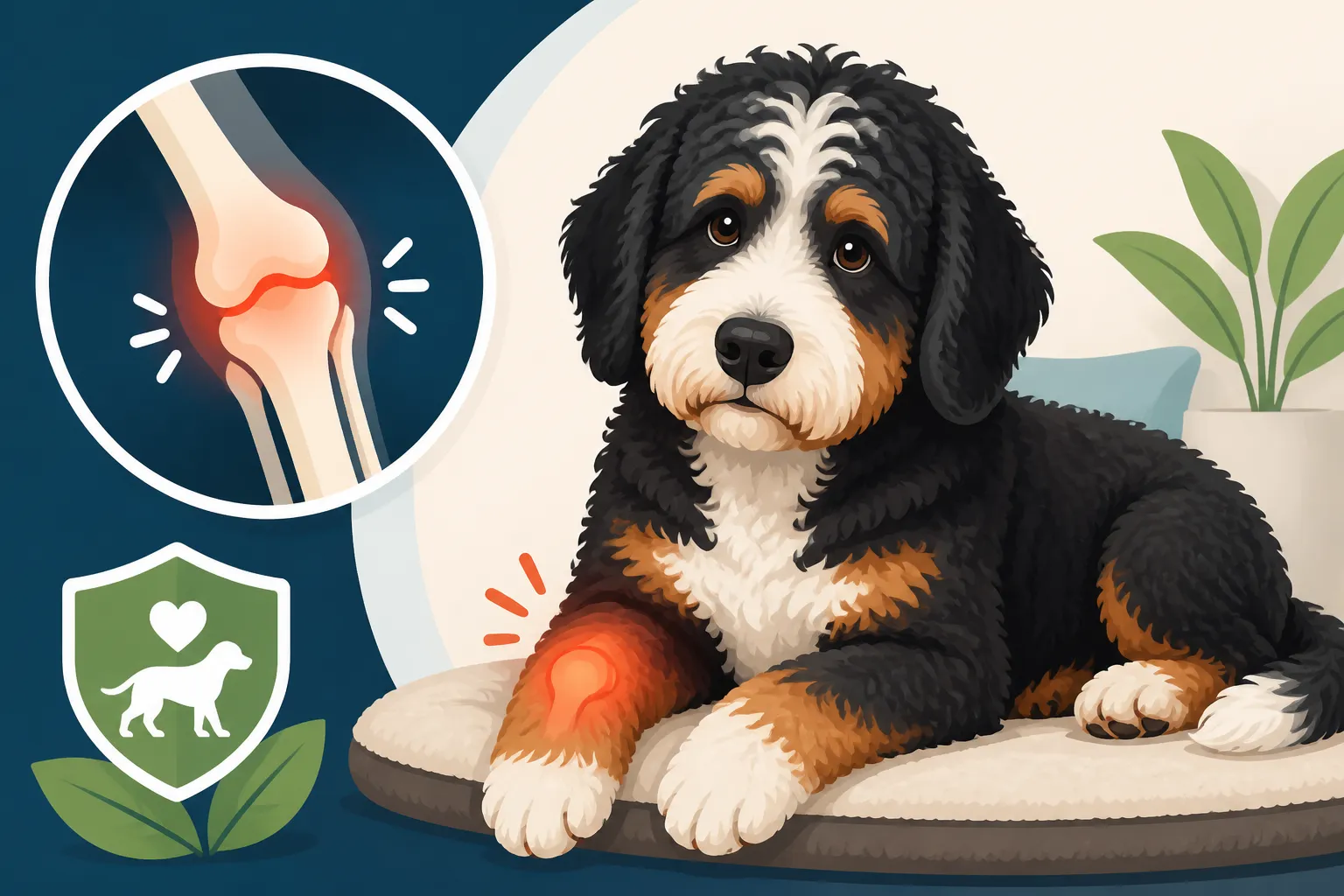
Managing Arthritis in an Old Bernedoodle
It’s a truly heartbreaking moment when you start noticing your once-energetic Bernedoodle, the dog that used to greet you with unbridled enthusiasm and boundless wiggles, beginning to slow down. That playful bounce might be replaced by a cautious gait, those long walks shortened, and getting up from a cozy nap becomes a real effort. If you’re seeing these changes, you’re likely witnessing the onset of arthritis, a common and often painful reality for our beloved senior dogs. This guide is here to walk you through understanding, identifying, and most importantly, effectively managing arthritis in your older Bernedoodle, ensuring they can live their golden years with as much comfort and joy as possible.
Recognizing the Subtle Signs of Arthritis in Your Older Bernedoodle
Arthritis, or osteoarthritis, is a progressive and degenerative joint disease that can affect any dog, but it's particularly prevalent in larger breeds like our Bernedoodles as they age. It's essentially the wear and tear of cartilage in the joints, leading to bone-on-bone friction, inflammation, and pain. What makes it tricky is that dogs are incredibly stoic creatures. They often try to hide their pain, a survival instinct that makes it challenging for us, their human companions, to spot the early warning signs. We need to be vigilant, paying close attention to nuanced behavioral shifts rather than just obvious limping.
Decoding Early Behavioral Changes
You might not see a dramatic limp right away. Instead, it’s often a series of subtle changes that accumulate over time. Think about your Bernedoodle's routine and personality. Have they always been eager for their morning walk, but now they hesitate at the door or move more slowly out of bed? Maybe they used to jump onto the couch or into the car with ease, and now they wait for help or avoid it altogether. These seemingly small shifts are huge clues. Your dog isn't being "stubborn" – they're likely experiencing discomfort.
Perhaps your Bernedoodle starts lagging behind on walks or shows less interest in playing fetch, even with their favorite squeaky toy. They might even become a bit grumpier or less tolerant of being touched in certain areas, particularly around their hips, elbows, or back. It’s also common to see them struggling on slippery surfaces, losing their footing where they once had none. Pay attention to how they lie down and get up; a slow, deliberate lowering, or a grunt or sigh when rising, can be a clear indicator of joint pain. Don't dismiss these changes as "just old age" – they're signals that something needs attention. For more signs, you might want to look into What Changes in a Bernedoodle After Eight.
Physical Indicators and Veterinary Diagnosis
Beyond behavioral cues, there are physical signs to watch for. You might notice stiffness, especially after resting or in cold, damp weather. When you gently feel your Bernedoodle's joints, you might detect slight swelling, warmth, or a crackling sensation (called crepitus). They might start shifting their weight, trying to relieve pressure on a painful joint, which can lead to muscle atrophy in the affected limb and overdevelopment in others. This uneven muscle distribution can be a tell-tale sign that your Bernedoodle is actively trying to compensate for discomfort.
If you suspect arthritis, the very best thing you can do is schedule a vet visit. Your veterinarian will perform a thorough physical examination, observing your Bernedoodle's gait, feeling their joints, and checking for pain response. They'll likely recommend X-rays to visualize the joints and confirm the diagnosis. X-rays can show changes in joint structure, such as bone spurs (osteophytes), narrowed joint spaces, and areas of increased bone density. This diagnostic step is crucial because it helps rule out other conditions that might mimic arthritis symptoms, like a torn cruciate ligament, which is a common issue in larger, heavier dogs, or even neurological problems. A definitive diagnosis allows for a targeted and effective management plan, which is essential for alleviating your Bernedoodle's discomfort.
Practical Strategies for Easing Your Bernedoodle's Arthritic Pain
Once arthritis is diagnosed, the good news is there are many effective ways to manage the pain and improve your Bernedoodle's quality of life. The approach is usually multi-faceted, combining various therapies to address pain, reduce inflammation, and support joint health. It's not a one-size-fits-all solution; what works best for one Bernedoodle might need tweaking for another, so open communication with your vet is key.
Medical Interventions and Pain Management
The cornerstone of arthritis management often involves medication. Non-Steroidal Anti-Inflammatory Drugs (NSAIDs) are frequently prescribed to reduce inflammation and alleviate pain. Brands like Rimadyl, Galliprant, and Deramaxx are common choices, and they can make a dramatic difference in your Bernedoodle's comfort level. However, NSAIDs require careful monitoring due to potential side effects on the liver and kidneys, so regular blood tests are usually recommended. Your vet might also suggest other pain medications, such as gabapentin or tramadol, especially if NSAIDs alone aren't enough, or if your Bernedoodle has other health conditions.
Beyond daily oral medications, newer treatments like monoclonal antibody injections (e.g., Librela) are showing great promise. These injections target Nerve Growth Factor (NGF), a key player in pain signaling, offering long-lasting pain relief with fewer systemic side effects. Disease-modifying osteoarthritis drugs (DMOADs) like Adequan injections can also be beneficial, helping to slow the progression of cartilage degradation and stimulate cartilage repair. When considering the long-term costs of managing arthritis, which can include regular vet visits, medications, and specialized therapies, having a good pet insurance plan, perhaps from a provider like Healthy Paws, can really alleviate the financial burden. They can help cover diagnostic tests, prescribed medications, and even some alternative therapies, making comprehensive care more accessible.
Complementary Therapies and Supplements
While medication is important, it's rarely the only solution. A host of complementary therapies can significantly improve your Bernedoodle's mobility and comfort. Physical rehabilitation, akin to human physical therapy, involves exercises, massage, and techniques like hydrotherapy (underwater treadmill) to build muscle, improve joint range of motion, and reduce pain. This can be particularly beneficial for a heavy dog like a Bernedoodle, as the buoyancy of water reduces stress on their joints while allowing them to move and strengthen their muscles.
Acupuncture is another increasingly popular option that can provide pain relief for many dogs with arthritis. It involves inserting fine needles into specific points on the body to stimulate nerve function and release natural pain-relieving substances. Laser therapy (low-level light therapy) uses specific wavelengths of light to reduce inflammation and accelerate tissue healing. For dietary support, joint supplements containing glucosamine, chondroitin, MSM, and omega-3 fatty acids can help maintain cartilage health and reduce inflammation. Talk to your vet about reputable brands and appropriate dosages for your Bernedoodle. Brands like Nutramax's Dasuquin or Cosequin are often recommended by veterinarians. Even considering a balanced diet specifically formulated for senior dogs or joint support, can be a game-changer. You can find more information on feeding your older dog in Feeding a Bernedoodle Past Eight.
Supporting Your Senior Bernedoodle's Mobility and Comfort
Living with arthritis isn't just about managing pain; it's about making daily life easier and more comfortable for your Bernedoodle. Simple adjustments around your home and changes to their routine can dramatically improve their quality of life and help them maintain as much independence as possible. Remember, a Bernedoodle's size and weight mean that even minor joint issues can have a significant impact on their mobility.
Home Modifications for Easier Movement
Your home, a place of comfort, can become a minefield for an arthritic Bernedoodle. Slippery floors, like hardwood or tile, can be incredibly challenging and even dangerous. Imagine trying to walk on ice when every step sends a jolt of pain through your joints – that's how it can feel for them. Combat this by placing non-slip rugs or runners in high-traffic areas, especially where your Bernedoodle eats, sleeps, and navigates between rooms. These provide crucial traction, helping them get up and move around with more confidence. For more specific advice, read Rugs That Help an Older Bernedoodle.
Consider ramps or doggy stairs for accessing furniture or vehicles. A ramp for the car or a set of wide, sturdy stairs for the couch or bed can save their joints from the impact of jumping. For a large Bernedoodle, these need to be robust and stable to prevent accidents. Raised food and water bowls can also make a huge difference. Bending down to eat or drink can put uncomfortable strain on an arthritic neck and spine. Elevated bowls allow them to maintain a more natural, comfortable posture, reducing discomfort during meal times. You'll be amazed at the relief this simple change can bring.
| Strategy | Purpose | How it Helps Arthritic Bernedoodles | Example |
|---|---|---|---|
| NSAIDs | Reduce inflammation & pain | Direct relief, improved mobility | Daily prescription of Galliprant |
| Joint Supplements | Support cartilage, reduce inflammation | Long-term joint health, synergistic with medications | Daily glucosamine/chondroitin chew (e.g., Dasuquin) |
| Physical Therapy | Strengthen muscles, improve range of motion | Builds support around joints, maintains flexibility | Hydrotherapy sessions in an underwater treadmill |
| Acupuncture | Pain relief, nerve stimulation | Natural pain management, reduces reliance on medication | Weekly sessions with a certified veterinary acupuncturist |
| Ramps/Stairs | Aid access to elevated surfaces | Prevents painful jumping impact, preserves joints | Ramps for car entry, sturdy steps for couch access |
| Non-slip Flooring | Provide traction, prevent slips | Increases confidence, reduces risk of falls and injury | Placing runners on hardwood floors in common areas |
| Orthopedic Beds | Cushion joints, provide support | Distributes weight evenly, reduces pressure points during rest | Memory foam bed with bolsters for easy entry/exit |
| Weight Management | Reduce joint stress | Less strain on load-bearing joints, slows disease progression | Calibrated diet and controlled portions; consult Getting Weight Off an Overweight Bernedoodle |
Creating a Restful and Supportive Environment
Just as important as ease of movement is the quality of their rest. An orthopedic dog bed is not a luxury; it's a necessity for an arthritic Bernedoodle. These beds are designed with high-density foam (often memory foam) that conforms to their body, providing superior support and cushioning for sore joints. Regular beds can allow their heavy weight to sink, putting pressure on painful areas. An orthopedic bed keeps them properly aligned and comfortable, ensuring restorative sleep. Consider options with bolsters that your Bernedoodle can lean against for support as they get up. For more ideas, explore Beds That Support a Heavy Old Bernedoodle.
Temperature also plays a role. Many dogs with arthritis find cold weather exacerbates their pain, while extreme heat can also be uncomfortable. Ensuring a warm, dry place to sleep, away from drafts, is crucial. In winter, a cozy blanket or even a dog sweater can provide extra warmth and comfort, especially for their achy joints. In warmer months, ensure they have access to cool spots indoors. Regularly evaluating your Bernedoodle’s comfort level throughout the day, not just during periods of activity, can help you make these small but impactful adjustments.
Lifestyle Adjustments for a Happy, Arthritic Bernedoodle
Managing arthritis isn't just about medications and physical aids; it’s about integrating a holistic approach that prioritizes your Bernedoodle’s overall well-being. This means considering their diet, exercise routine, and even how you interact with them to support their changing needs. It's a journey, and patience and consistency are your best friends.
Tailoring Exercise and Activity Levels
Exercise is still vital for an arthritic Bernedoodle, but it needs to be modified. The goal isn't to push them to their limits, but to maintain muscle mass, flexibility, and a healthy weight without causing undue pain. Short, frequent walks are often better than one long, strenuous outing. Think about two or three 15-20 minute strolls on soft surfaces, like grass, rather than a single hour-long hike on pavement. Avoid high-impact activities like jumping, running after balls, or extensive stair climbing.
Swimming can be an excellent low-impact exercise for Bernedoodles with arthritis, as the water supports their weight while allowing them to move their joints freely. If you have access to a safe pool or calm lake, it can be a wonderful way for them to stay active. Always supervise them closely and use a doggy life vest, especially if they're not strong swimmers or are becoming weaker with age. Consistent, gentle movement is key to preventing stiffness and atrophy, so even on "bad" days, a short potter around the yard can be beneficial. Dive deeper into appropriate activities with Exercise for a Bernedoodle With Arthritis.
Importance of Weight Management and Nutrition
Keeping your Bernedoodle at a healthy weight is arguably one of the most impactful things you can do to manage their arthritis. Every extra pound puts additional stress on already compromised joints, intensifying pain and accelerating degeneration. Work with your vet to determine the ideal weight for your Bernedoodle and create a personalized feeding plan. This might involve reducing calorie intake, switching to a weight-management or senior-specific dog food, and carefully monitoring treats.
Nutritional supplements, as mentioned earlier, can also play a supportive role. Beyond glucosamine and chondroitin, look for foods or supplements rich in omega-3 fatty acids (like fish oil), which have natural anti-inflammatory properties. Always introduce new supplements or dietary changes gradually and under veterinary guidance. Remember, consistency is key – managing weight and nutrition effectively requires a long-term commitment, but the benefits for your Bernedoodle's comfort and longevity are immense. Healthy Paws can also cover prescribed therapeutic diets when recommended by your vet for certain conditions, which can be a relief if your Bernedoodle needs a specific, often more expensive, food to help manage their weight or joint health.
Gentle Handling and Assisted Mobility
As your Bernedoodle ages and their arthritis progresses, they might need more direct assistance. This can be challenging for both of you, but it’s a crucial part of showing them love and support. Helping an old Bernedoodle get up off the floor can involve using a towel sling placed under their belly or investing in a specialized lifting harness. These tools distribute their weight evenly and give you a comfortable handle to assist them without straining your back or theirs. Exploring options like a dog wheelchair or cart might seem daunting, but for some dogs with severe mobility issues, it can restore their independence and joy of movement, allowing them to continue enjoying walks and interacting with the world. You might also find helpful tips in Supporting an Old Bernedoodle That Cannot Rise.
Be mindful of how you interact with them. Avoid sudden movements or rough play that could jar their joints. Practice gentle grooming techniques, taking breaks if they seem uncomfortable. Most importantly, continue to provide mental stimulation through puzzle toys, scent games, or short, positive training sessions. An arthritic Bernedoodle might not be able to chase a ball like they used to, but their mind is still sharp and capable of learning and enjoying interaction. Your patience, understanding, and willingness to adapt are the greatest gifts you can give your aging companion.
Disclaimer
The information provided in this article is for general informational purposes only and is not a substitute for professional veterinary advice. Always consult with a qualified veterinarian regarding your Bernedoodle's health, diagnosis, and treatment plan. Never disregard professional medical advice or delay seeking it because of something you have read here.