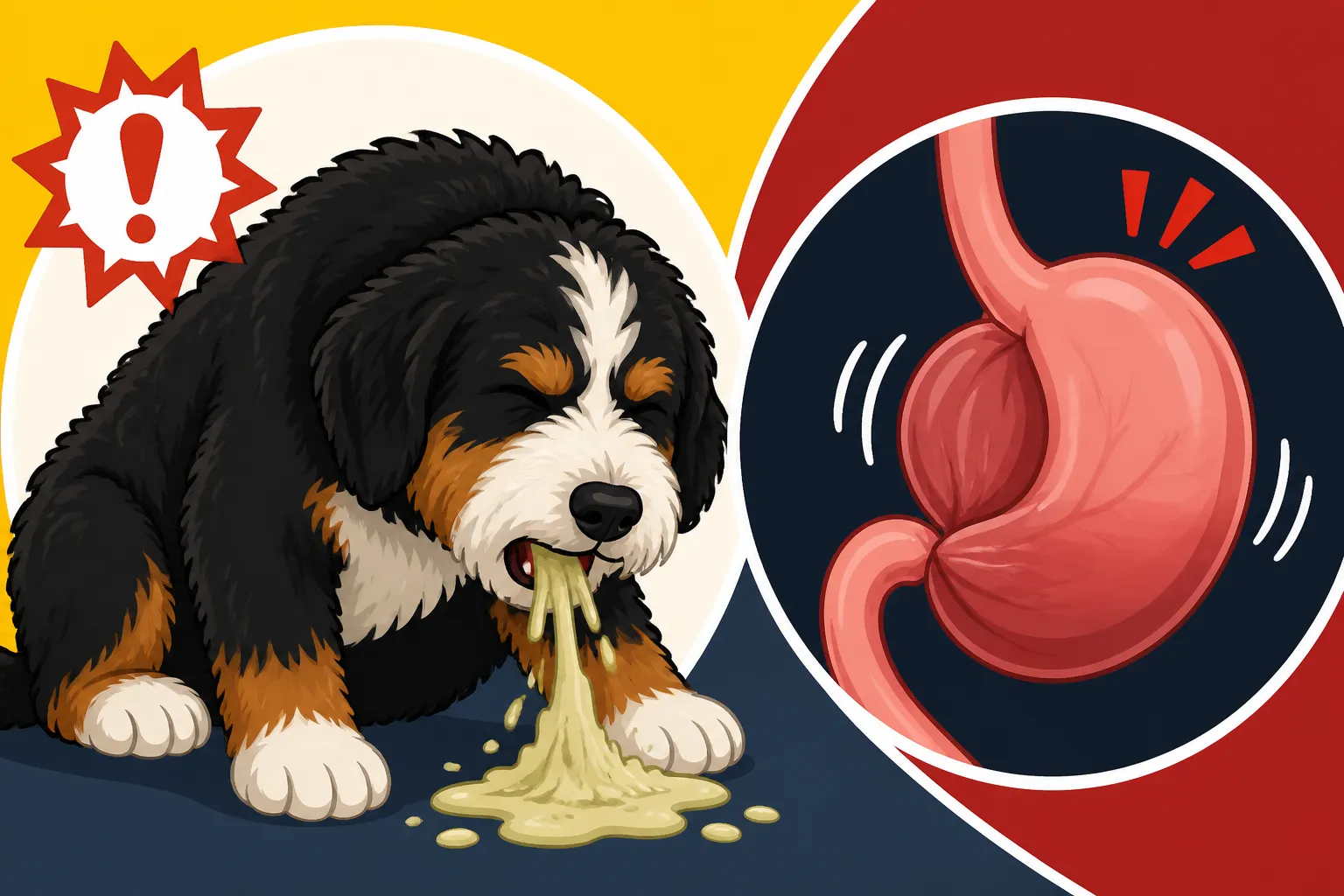
The Retching That Means a Bernedoodle Has Torsed
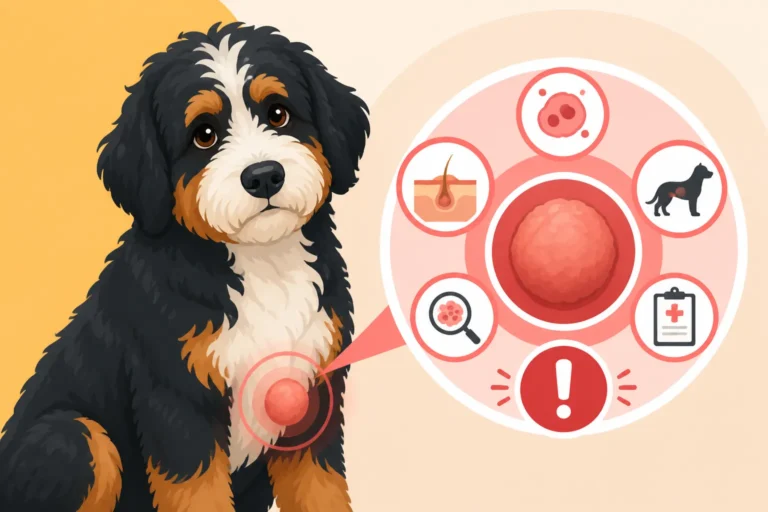
It's one of the most terrifying sights a Bernedoodle parent can witness: your beloved, usually goofy companion standing hunched, trying desperately to throw something up, but nothing comes out. That agonizing, unproductive retching isn't just a sign of an upset stomach; it can be the critical, early warning sign of something far more sinister and deadly: Gastric Dilatation-Volvulus, commonly known as bloat or stomach torsion. This isn't a problem to just "wait and see" about; understanding what this symptom means and acting swiftly can literally be the difference between life and death for your Bernedoodle.
Understanding Gastric Dilatation-Volvulus (GDV) in Bernedoodles
When we talk about bloat, we're actually referring to two distinct but often related issues: gastric dilation (the stomach filling with gas or food) and volvulus (the stomach twisting on its axis). In Bernedoodles, thanks to their Bernese Mountain Dog heritage, this condition is a serious concern, and recognizing its onset is paramount.
Why Deep-Chested Dogs Are Prone to Bloat
If you've spent any time admiring a Bernedoodle, especially a standard size, you've probably noticed their magnificent, deep chests. While aesthetically pleasing and a hallmark of their Bernese ancestry, this physical characteristic is precisely what places them at a higher risk for GDV. Imagine their stomach, a large, sac-like organ, suspended within this spacious chest cavity. In dogs with narrower, deeper chests, there's more room for the stomach to swing, fill with gas, and crucially, to twist.
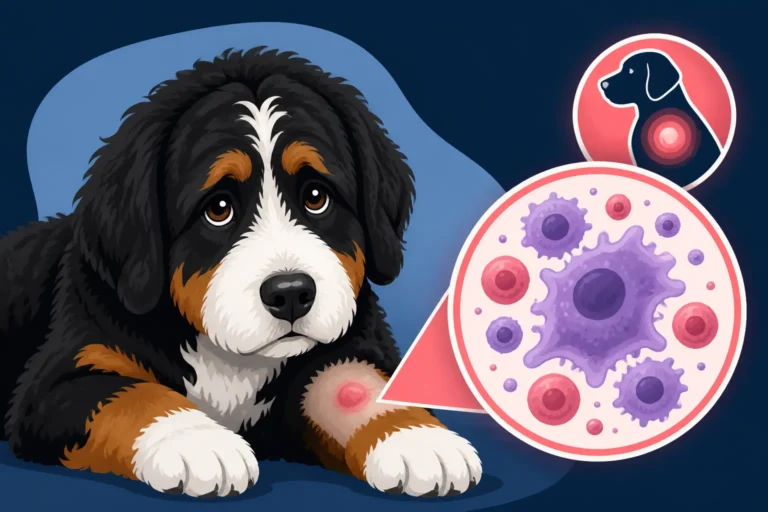
The ligaments that normally hold the stomach relatively in place are often more elastic in these breeds, allowing for greater movement. When the stomach fills rapidly with gas, fluid, or food, it expands. If it then twists, even just partially, it seals off both the entrance (from the esophagus) and the exit (to the small intestine). This traps the gas and fluid, causing the stomach to inflate like a balloon. The pressure builds, cutting off blood supply to the stomach wall, pressing on major blood vessels, and potentially leading to shock and organ failure. It's a truly horrific cascade of events, and it starts with that inherent deep-chested structure that is a signature of their Bernese parent.
For a deeper dive into this anatomical predisposition, you might find our article on The Chest That Puts a Standard Bernedoodle at Bloat Risk incredibly insightful.
The Critical Role of Retching Without Vomit
This is the symptom that sends shivers down the spine of any experienced large-dog owner. Your Bernedoodle stands, head lowered, sides heaving, making guttural noises as if trying to expel something, but nothing comes up. Maybe a little foamy saliva, but no actual vomit. This unproductive retching is an absolute emergency. It signifies that the stomach is likely twisted, blocking any contents from coming back up the esophagus.
It's frustrating, heartbreaking, and terrifying to watch. You want to help them, to encourage them to get whatever is bothering them out, but they can't. This inability to vomit is the key differentiator between mild gastric upset and potential GDV. If they were simply nauseous or had eaten something that disagreed with them, they would likely produce vomit. The dry heaving or unsuccessful attempts to vomit are the direct result of the stomach being physically twisted, sealing off the exits. Every minute they spend dry heaving is a minute the stomach is expanding, putting more pressure on vital organs, and escalating the danger.
Other Urgent Symptoms to Watch For
While unproductive retching is often the most alarming and immediate sign, GDV rarely happens in a vacuum. Other symptoms will usually accompany it, and recognizing them quickly can help you confirm your suspicions and relay crucial information to your veterinarian.
Look for extreme restlessness and pacing. A dog in the early stages of bloat is often profoundly uncomfortable and cannot find a comfortable position. They might constantly shift, stand, lie down briefly, and then get back up. They might seem anxious, panting heavily, even if it's not particularly warm. As the stomach inflates, you might visually notice a distended or swollen abdomen, particularly on their left side, behind the ribs. This might feel hard and taut to the touch. Your Bernedoodle might whine or cry if you try to gently palpate their belly, indicating significant pain. Their gums might appear pale or even bluish as blood flow is compromised, and their heart rate might be elevated. In severe cases, they may become weak, collapse, or show signs of shock. Do not wait for all these symptoms to appear; unproductive retching alone is enough to trigger an emergency response.
Immediate Action: When Every Second Counts
When you suspect bloat, the clock starts ticking. This is not a situation where you can afford to "monitor" your Bernedoodle for an hour or two. GDV can be fatal within a matter of hours, and delaying treatment significantly reduces the chances of survival.
Recognizing the Emergency and Seeking Vet Care
Let me be absolutely clear: if your Bernedoodle is retching unproductively, you are in the midst of a veterinary emergency. Period. There is no home remedy, no waiting it out, no "maybe it will pass." Call your veterinarian immediately or, if it's after hours, head straight to the nearest 24-hour emergency animal hospital. On the phone, clearly state that you suspect GDV, emphasizing the unproductive retching and your Bernedoodle's deep chest. This will allow the emergency staff to prepare for your arrival, potentially saving precious minutes.
Even if you're not 100% sure, it's always better to err on the side of caution. A quick visit to the vet for an X-ray is far less costly and stressful than dealing with a full-blown bloat emergency that has progressed due to delay. This isn't just about the financial cost; it's about the emotional toll of watching your beloved pet suffer when early intervention could have made a difference.
What to Expect at the Emergency Vet
When you arrive at the emergency clinic, the veterinary team will move quickly. They'll perform a rapid assessment, often starting with an X-ray of the abdomen. This imaging is crucial to confirm if the stomach is dilated and, more importantly, if it has twisted. If GDV is confirmed, the immediate goals are to stabilize your Bernedoodle and decompress the stomach.
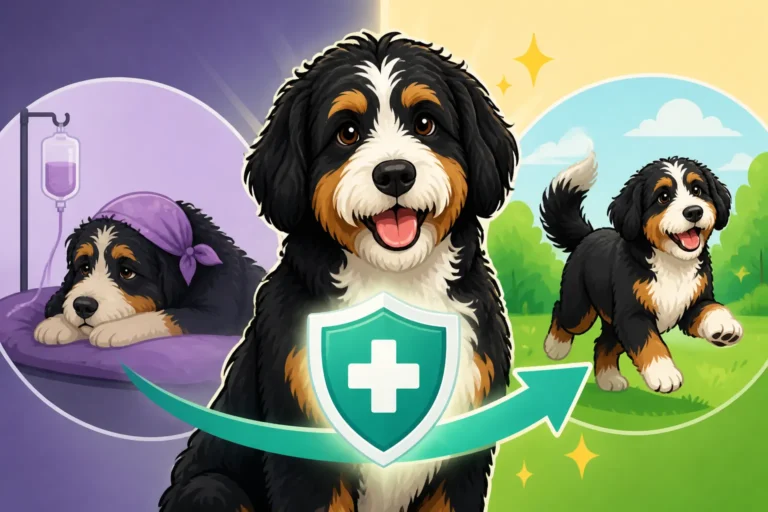
Stabilization often involves intravenous fluids to combat shock and pain medication to alleviate their intense discomfort. The vet may attempt to pass a tube down the esophagus into the stomach to release the trapped gas and fluid. If this isn't possible due to the twist, a trocar (a large, hollow needle) might be carefully inserted through the abdominal wall into the stomach to relieve pressure, though this is a temporary measure and doesn't untwist the stomach. Once your dog is stable enough, surgery will be necessary to physically untwist the stomach (de-rotation) and assess for any damage to the stomach wall. During this surgery, it's highly recommended that a procedure called a gastropexy be performed.
The Cost and Importance of Pet Insurance
The reality of emergency veterinary care, especially for a condition like GDV, is that it can be incredibly expensive. Diagnosis, stabilization, surgery, and post-operative care can easily run into several thousands of dollars. This financial burden, on top of the emotional stress of a sick pet, can be overwhelming for many families. This is where pet insurance becomes an invaluable safety net.
Providers like Healthy Paws offer comprehensive plans that can cover a significant portion of these unexpected emergency costs. Imagine the relief of knowing that you can make the best medical decisions for your Bernedoodle without having to factor in the potentially crippling financial implications. For critical situations like bloat, having a good pet insurance policy, such as those offered by Healthy Paws, can allow you to focus purely on your dog's recovery. It's a sensible investment for any Bernedoodle owner, given their predisposition to conditions like bloat and other large-breed ailments. While no one wants to think about their dog having a medical emergency, being prepared with a plan from a reputable insurer like Healthy Paws can provide immense peace of mind.
You might also be interested in exploring general costs related to emergencies in our article What Gastropexy Adds to a Bernedoodle's Surgery, which discusses prophylactic surgery options that can lower lifetime risk and cost.
Proactive Prevention Strategies for Your Bernedoodle
While GDV is a frightening prospect, there are concrete steps you can take to significantly reduce your Bernedoodle's risk. Prevention is always better than emergency treatment, both for your peace of mind and your dog's well-being.
Managing Mealtime Behaviors
How and when your Bernedoodle eats can play a big role in prevention. Rapid eating is a known risk factor, as dogs can gulp down too much air along with their food, contributing to gas buildup.
- Slow Feeder Bowls: These bowls have obstacles that force your Bernedoodle to eat more slowly, making them take smaller bites and ingest less air.
- Multiple Small Meals: Instead of one or two large meals a day, consider feeding two or three smaller meals. This prevents the stomach from becoming excessively distended at any one time.
- The Raised Bowl Debate: For a long time, raised bowls were recommended to prevent bloat. However, some studies have actually suggested that raised bowls might increase the risk in certain large, deep-chested breeds. The current veterinary consensus leans towards avoiding raised bowls unless there's a specific medical reason (like neck arthritis) prescribed by your vet. It's best to feed your Bernedoodle at ground level. For more on this, check out Whether Raised Bowls Raise a Bernedoodle's Bloat Risk.
- Rest Before and After Meals: Avoid strenuous exercise or highly exciting activities for at least an hour before and two hours after eating. An active dog right after a meal can cause the stomach to jostle, increasing the likelihood of twisting. Our article on Whether a Standard Bernedoodle Should Rest After Meals offers more practical advice.
Considering a Prophylactic Gastropexy
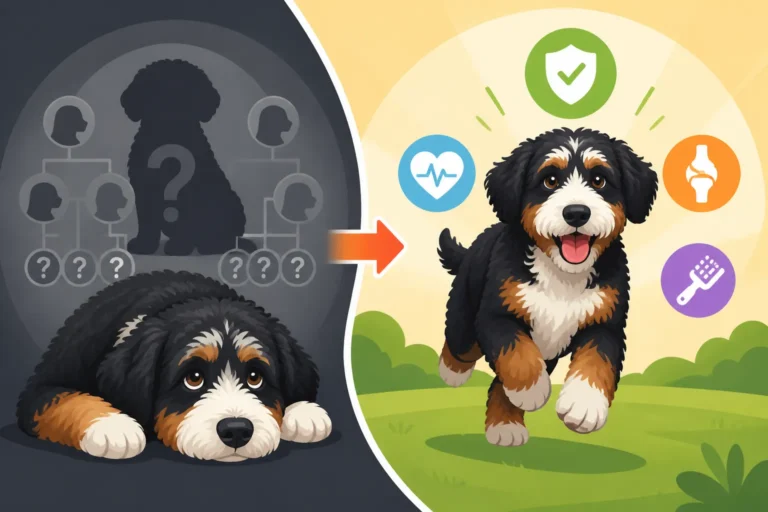
This is perhaps the most effective preventative measure you can take for a high-risk breed like the Bernedoodle. A prophylactic gastropexy is a surgical procedure where the stomach is permanently tacked or sutured to the abdominal wall. This prevents the stomach from twisting (the "volvulus" part of GDV), though it doesn't entirely prevent it from dilating (bloating with gas).
This procedure is often performed at the same time as a spay or neuter, as it requires general anesthesia and abdominal surgery. Doing it concurrently saves your dog from having to undergo anesthesia twice. For Bernedoodle owners, especially those with standard-sized dogs, discussing this option with your vet is highly recommended. While it carries the risks inherent in any surgery, the protection it offers against the deadly twist of GDV is substantial. It significantly reduces the risk of future life-threatening bloat episodes.
Lifestyle and Environmental Factors
Beyond mealtime, other aspects of your Bernedoodle's daily life can influence their bloat risk.
- Stress Reduction: High-stress situations can affect a dog's digestive system. Try to maintain a calm and predictable routine, especially around feeding times.
- Diet Quality: While there's no single "anti-bloat" diet, feeding a high-quality, easily digestible diet is generally beneficial for overall digestive health. Look for foods that list meat as the first ingredient.
- Water Access: Ensure your Bernedoodle always has access to fresh water but avoid allowing them to gulp large quantities immediately before or after meals or strenuous exercise.
- Maintain Healthy Weight: Keeping your Bernedoodle at a healthy weight, neither underweight nor overweight, is crucial for their overall health and can reduce the strain on their body and organs. An overweight Bernedoodle can face a myriad of health issues, as detailed in Whether an Overweight Bernedoodle Loses Years.
- Watch for Overeating: Be mindful of how much food your Bernedoodle consumes, especially if they are prone to scarfing down their meals. Our guide on How Much Food a Standard Bernedoodle Eats Monthly can help you calculate appropriate portions.
Life After Bloat: Recovery and Long-Term Care
If your Bernedoodle is fortunate enough to survive a GDV episode, the journey isn't over. Recovery and ongoing vigilance are crucial to ensure their long-term health and prevent future scares.
Post-Surgery Recovery
After a successful GDV surgery, your Bernedoodle will likely spend several days in the veterinary hospital for intensive post-operative care. This will involve pain management, intravenous fluids, and close monitoring for complications such as irregular heart rhythms, peritonitis (inflammation of the abdominal lining), or damage to the stomach tissue. Once home, your Bernedoodle will need a quiet, comfortable space to recover. Activity will be restricted for several weeks – no jumping, running, or strenuous play. A cone will be necessary to prevent them from licking or chewing at their incision site.
Your vet will provide specific feeding instructions, usually starting with small, frequent meals of a bland, easily digestible diet. It’s essential to follow these guidelines precisely to avoid irritating the healing stomach. Remember, patience is key during this recovery period.
Monitoring for Recurrence and Ongoing Vigilance
Even with a gastropexy, which greatly reduces the risk of the stomach twisting again, it's vital to remain vigilant. The stomach can still dilate (fill with gas) even if it can't fully twist. While a gastropexy prevents the most life-threatening aspect of GDV, bloat without torsion can still cause discomfort and pain and warrants veterinary attention.
Continue to implement all the preventative measures discussed earlier: slow feeding, multiple small meals, and avoiding strenuous activity around mealtimes. Monitor your Bernedoodle closely for any signs of abdominal discomfort, excessive gas, or changes in eating habits. Knowing that your pet insurance, like Healthy Paws, can help cover potential follow-up care or other health issues provides invaluable peace of mind, allowing you to focus on providing the best possible care for your beloved companion. Your Bernedoodle's health journey is a partnership, and consistent observation and proactive care are your most powerful tools.
| Symptom Category | Potential Bloat (GDV) Signs | Less Urgent GI Upset Signs |
|---|---|---|
| Vomiting/Retching | Unproductive retching or dry heaving; small amounts of foamy saliva; inability to vomit despite trying. | Actual vomit (food, bile, liquid); regurgitation. |
| Abdomen | Visibly distended, swollen, or hard belly, especially on the left side; painful to the touch. | Mild bloating after eating; soft abdomen; no significant pain on palpation. |
| Behavior | Extreme restlessness, pacing, inability to lie down comfortably; anxiety; profuse panting; drooling. | Lethargy; decreased appetite; mild discomfort; may still find a comfortable resting position. |
| Physical State | Weakness, collapse; pale or bluish gums; rapid, shallow breathing; elevated heart rate; signs of shock. | Normal gum color; normal respiration; no signs of collapse or shock. |
| Urgency | IMMEDIATE VETERINARY EMERGENCY! | Monitor closely; vet visit recommended if symptoms persist or worsen. |
Disclaimer
The information provided in this article is for educational and informational purposes only and does not constitute veterinary advice. Always consult with a qualified veterinarian for any health concerns or before making any decisions about your pet's health or treatment plan.