Whether a Bernedoodle Itches From Atopy or Fleas
There’s almost nothing more heartbreaking for a Bernedoodle parent than watching your sweet, fluffy companion suffer from relentless itching. The constant scratching, licking, and gnawing at their skin can quickly escalate from an annoyance to a serious health concern, often leading to raw spots, infections, and a generally miserable dog. It leaves us wondering what exactly is making them so uncomfortable, and two of the most common culprits are frustratingly similar in their symptoms: fleas and environmental allergies, often referred to as atopy. This guide will walk you through how to tell the difference and what you can do to bring relief to your itchy Bernedoodle.
Understanding the Roots of Your Bernedoodle's Itch
When your Bernedoodle starts scratching more than usual, the first thing many of us think of is fleas. And for good reason – these tiny parasites are masters of making themselves at home on our furry friends, often before we even realize they're there. However, it’s crucial to understand that not every itch is a flea itch, especially with a breed like the Bernedoodle that can inherit sensitivities from both the Bernese Mountain Dog and Poodle sides of their family tree.
Distinguishing Fleas from Other Skin Irritants
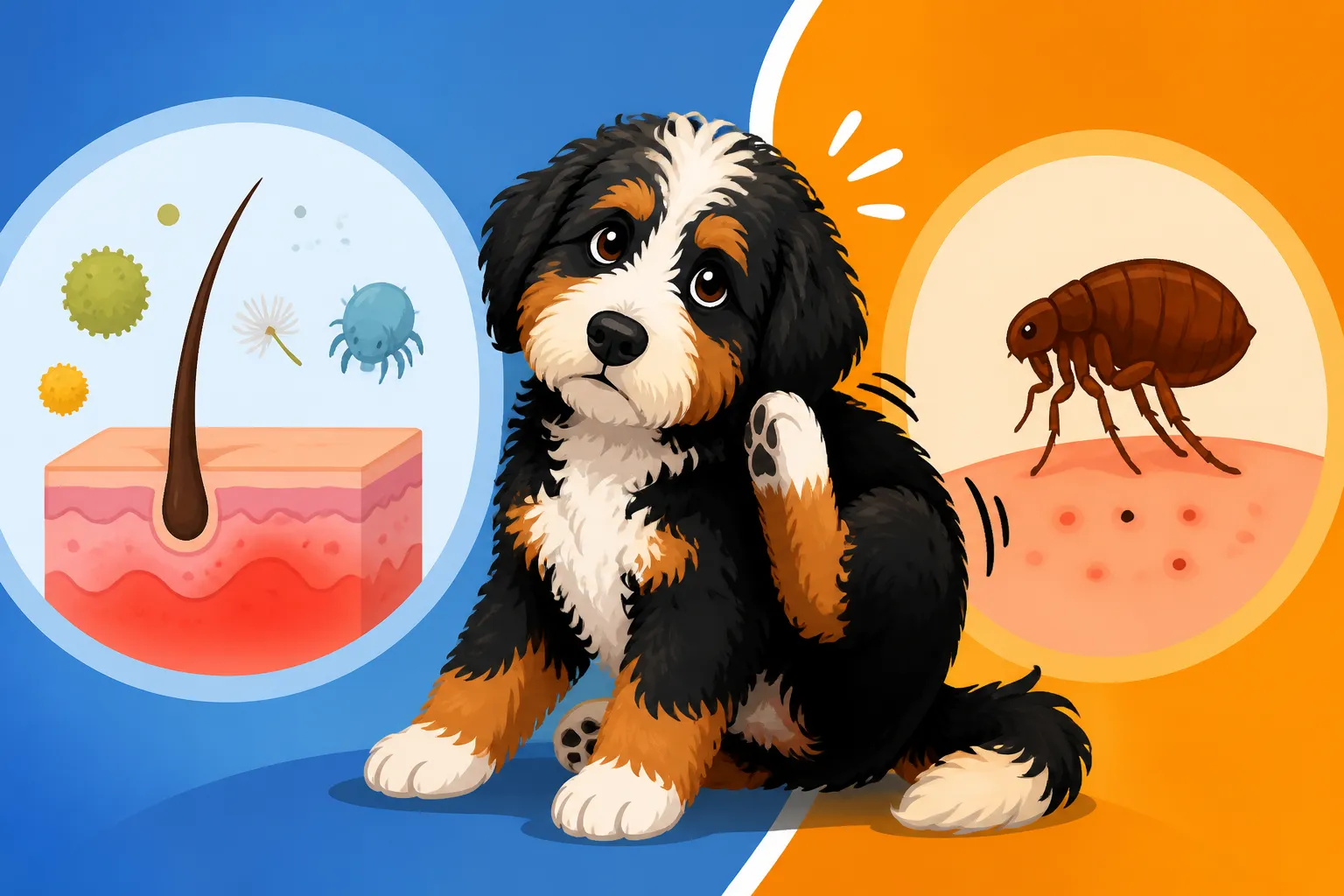
Identifying fleas can sometimes feel like trying to find a needle in a haystack, especially if your Bernedoodle has a thick, wavy, or curly coat. These tiny pests are adept at hiding, often burrowing deep into the fur where it’s warmest and hardest to reach. The most obvious sign is actually seeing a flea, which are small, reddish-brown insects that move quickly. They tend to congregate around the tail base, groin, and armpits, but can be found anywhere.
A more reliable indicator, however, is "flea dirt." This isn't actual dirt; it's flea feces, composed of digested blood. You can often spot it as tiny black specks on your dog's skin or in their bedding. A common trick is to wipe these black specks with a damp paper towel. If they turn reddish-brown, it's a clear sign of flea dirt. Even if you don't see a live flea, the presence of flea dirt confirms an infestation. Your Bernedoodle might also have small, red, raised bumps, especially if they are particularly sensitive to flea saliva. The intensity of their scratching can sometimes mislead you into thinking the problem is worse than it looks, but even a few fleas can cause significant irritation if your dog has an allergy.
The Allergic Reaction to Flea Bites in Bernedoodles
For many dogs, a few flea bites might cause a bit of scratching, but for others, it can trigger a full-blown crisis known as Flea Allergy Dermatitis (FAD). This is where the real frustration begins for Bernedoodle owners, because even a single flea bite can set off an intense, widespread allergic reaction that can last for weeks. It’s not the quantity of fleas, but the quality of the immune response to their saliva that causes such extreme discomfort.
Bernedoodles, with their mixed heritage, can be predisposed to various allergies, and FAD is high on that list. When a flea bites an allergic Bernedoodle, their immune system overreacts to proteins in the flea's saliva, leading to severe itching, redness, and inflammation. The areas most commonly affected by FAD are the hindquarters, tail base, inner thighs, and abdomen. Because the itching is so intense, your dog will often chew, lick, and scratch these areas relentlessly, leading to secondary skin infections. These infections, often bacterial or yeast, manifest as crusty sores, hair loss, and a foul odor, complicating the original flea problem and making your Bernedoodle even more miserable. It's a vicious cycle that requires immediate and consistent action to break.
Atopy: When the Itch Comes from Within
Beyond fleas, many Bernedoodle owners eventually find themselves grappling with environmental allergies, scientifically known as atopic dermatitis or simply atopy. This condition can be incredibly frustrating because it’s often chronic, challenging to pinpoint, and can mimic other skin issues.
What is Atopic Dermatitis in Bernedoodles
Atopic dermatitis is a hereditary predisposition to develop allergic symptoms following exposure to common, otherwise harmless substances in the environment. Think of it as hay fever for dogs, but instead of sneezing, they get itchy skin. Bernedoodles are particularly susceptible due to the genetic contributions from both parent breeds. Poodles are known for their sensitive skin and propensity for allergies, and while Bernese Mountain Dogs are generally robust, they can also contribute to a predisposition for skin issues. This combination means your Bernedoodle might inherit a tendency for an overactive immune system that reacts strongly to common allergens.
These environmental triggers are usually things we can’t easily escape, such as pollens from trees, grasses, and weeds, dust mites that live in our homes, and even molds. Unlike food allergies, which typically cause year-round symptoms, atopy often follows seasonal patterns, flaring up when specific pollens are abundant. However, allergens like dust mites and molds can cause year-round issues, making identification even harder. The dog’s immune system perceives these harmless substances as threats, launching an inflammatory response that primarily affects the skin.
Signs and Symptoms of Atopy
The hallmark symptom of atopic dermatitis is persistent itching, often starting in young adulthood, typically between one and three years of age. While it can begin earlier or later, this is a common window. The itching is typically focused on specific parts of the body that come into direct contact with allergens or are prone to moisture and yeast overgrowth.
You'll often notice your Bernedoodle excessively licking or chewing their paws, rubbing their face against furniture, or intensely scratching their ears, armpits, and groin area. These are prime locations for atopic flare-ups. Over time, this constant trauma to the skin can lead to visible changes: the skin might become red, inflamed, and even thickened and leathery (a process called lichenification). You might also see hyperpigmentation, where the skin turns a darker color, often brownish or black.
Beyond the visible skin changes, atopic Bernedoodles are prone to recurrent secondary infections. The constant scratching breaks down the skin barrier, allowing bacteria and yeast to flourish. This can lead to hot spots, ear infections, and skin fold dermatitis. If your Bernedoodle frequently suffers from ear infections in its drop ear or persistent paw licking despite diligent flea control, atopy should definitely be on your radar. Early intervention and consistent management are key to preventing these secondary issues from spiraling out of control.
Differentiating Atopy from Flea Allergies
Telling the difference between flea allergy dermatitis and atopy can be a real head-scratcher, as both present with intense itching and irritated skin. However, there are some key distinctions that can help you and your vet narrow down the culprit.
One major differentiator is seasonality. Flea allergies, while they can technically occur year-round (especially if you have an indoor flea problem), tend to be more prevalent in warmer months when fleas are most active. Atopy, on the other hand, often has a distinct seasonal pattern tied to environmental allergens like pollen. If your Bernedoodle only starts itching severely during spring and summer, when grasses and trees are blooming, it points strongly towards pollen-induced atopy. If the itching is year-round and worse when you spend more time indoors, dust mites or molds might be the problem.
Another clue is the age of onset. Flea allergies can strike at any age, even in very young puppies, as long as they've been exposed to fleas. Atopy, being a genetic predisposition, typically manifests between six months and three years of age. It's rare for a Bernedoodle puppy under six months to be diagnosed with atopy, though it's not impossible.
Finally, consider the response to treatment. The most crucial step in differentiating is a thorough and consistent flea control regimen. If you've been diligently treating your Bernedoodle and their environment for fleas with veterinarian-recommended products for at least 2-3 months, and the itching persists, it significantly reduces the likelihood that fleas are the primary cause. If the itching eases dramatically with effective flea treatment, then FAD was likely the main issue. However, many Bernedoodles can suffer from both conditions simultaneously, making diagnosis even more complex. That's why working closely with your vet is so important to unraveling the mystery of your Bernedoodle's incessant itch.
Diagnosing and Managing the Itch: A Comprehensive Approach
When your Bernedoodle is constantly itching, it's not just uncomfortable for them; it's distressing for you too. Getting to the bottom of it requires patience and a systematic approach, often involving your trusted veterinarian.
Working with Your Veterinarian for a Diagnosis
The diagnostic journey for an itchy Bernedoodle typically begins with a thorough physical examination and a detailed history of your dog's symptoms. Your vet will rule out other common causes of itching, such as parasites (mites, lice), fungal infections (ringworm), and bacterial infections, through various tests. This often includes skin scrapings to look for microscopic mites, and cytology (examining skin cells under a microscope) to identify bacterial or yeast overgrowth.
If fleas are suspected, your vet will recommend a strict, ongoing flea control regimen for all pets in the household and the home environment itself. If, after several weeks of consistent and effective flea control, the itching persists, it indicates that fleas are either not the primary problem or that another condition, like atopy, is also at play. This leads to the next diagnostic steps for atopy:
- Elimination Diet Trials: If food allergies are suspected (which can mimic atopy symptoms), a strict elimination diet using a novel protein or hydrolyzed protein diet is often recommended for 8-12 weeks. This helps rule out food as an allergen.
- Allergy Testing: Once other causes are ruled out, your vet might suggest allergy testing for environmental allergens. There are two main types:
- Intradermal Skin Testing (IDT): Considered the "gold standard," this involves injecting small amounts of various allergens into the skin and observing for a reaction. It's typically done by a veterinary dermatologist.
- Blood Tests (Serology): These tests measure antibodies to common environmental allergens in the blood. While less sensitive than IDT, they are less invasive and can provide useful information.
These tests don't diagnose atopy, but rather identify the specific allergens your Bernedoodle reacts to, which is crucial for developing targeted treatment plans like immunotherapy.
Treatment Strategies for Flea Infestations
If fleas are indeed the culprit, effective treatment involves a multi-pronged attack on both your Bernedoodle and their environment. Relying solely on one method is rarely successful with these tenacious pests.
For your Bernedoodle, your vet will likely recommend modern, fast-acting flea medications. These come in various forms:
- Oral Medications: Many vets prefer oral treatments like Bravecto, NexGard, or Simparica because they are unaffected by bathing or swimming, and work quickly to kill fleas. They circulate in your dog's bloodstream, killing fleas when they bite.
- Topical Treatments: Products like Frontline Plus or Advantage II are applied to the skin, typically between the shoulder blades, and spread across the skin's surface. They repel and kill fleas on contact or after biting.
- Flea Shampoos and Dips: While these can provide immediate, temporary relief by killing fleas on contact, they usually don't offer long-term protection and are often used as an initial step in a broader treatment plan.
The most critical aspect often overlooked is treating the environment. Fleas spend only a small portion of their life cycle on your pet; the rest—eggs, larvae, and pupae—are in your home. Regular, thorough vacuuming (especially under furniture, in cracks, and on carpets) is essential, and remember to dispose of the vacuum bag immediately. Washing all bedding, including your Bernedoodle’s bed, in hot water is also crucial. For severe infestations, professional pest control or area treatments like premise sprays containing insect growth regulators (IGRs) might be necessary to break the flea life cycle. Remember, consistency is key; flea prevention often needs to be a year-round commitment to truly keep these parasites at bay.
Long-Term Management for Atopic Bernedoodles
Managing atopic dermatitis in Bernedoodles is often a lifelong journey, focusing on minimizing exposure to allergens, controlling symptoms, and preventing secondary infections. There's no single cure, but a combination of therapies can significantly improve your Bernedoodle's quality of life.
Your veterinarian might suggest a stepped approach:
- Antihistamines: For mild cases, over-the-counter antihistamines like diphenhydramine (Benadryl) or cetirizine (Zyrtec) might offer some relief. However, they are often not potent enough for severe atopy and may cause drowsiness.
- Corticosteroids: Prednisone and other corticosteroids are highly effective at reducing inflammation and itching, providing quick relief. However, long-term use can have significant side effects, so they are generally reserved for acute flare-ups or severe cases, used at the lowest effective dose.
- Targeted Immunomodulators: Newer drugs like Apoquel and Cytopoint have revolutionized atopy management. Apoquel is an oral medication that specifically targets the itch pathway, offering rapid and effective relief with fewer side effects than steroids. Cytopoint is an injectable antibody treatment that provides 4-8 weeks of itch relief by neutralizing a key protein involved in allergic itching. These are often excellent choices for Bernedoodles, as they avoid systemic steroid side effects.
- Medicated Shampoos and Conditioners: Regular bathing with antimicrobial or anti-itch shampoos containing ingredients like chlorhexidine or oatmeal can help soothe irritated skin, remove allergens, and treat secondary infections. Look for products designed for sensitive, allergic skin.
- Dietary Adjustments and Supplements: While not a primary treatment for environmental atopy, some Bernedoodles benefit from diets rich in omega-3 fatty acids, which can support skin barrier health and reduce inflammation. High-quality fish oil supplements are often recommended. If you're looking into preventative or supportive care, consider discussing options with your vet; many pet insurance plans, like those from Healthy Paws, often help cover the costs of these long-term management strategies, making advanced care more accessible.
- Immunotherapy (Allergy Shots/Drops): This is the only treatment that aims to change your dog's immune response to allergens. Based on allergy test results, a custom vaccine is formulated and administered regularly (as shots or oral drops). Over time, it desensitizes the immune system to the specific allergens, leading to reduced symptoms. It's a long-term commitment (6-12 months before seeing full effect) but can be highly effective for many atopic dogs.
Managing atopy is about finding the right combination of therapies for your individual Bernedoodle, and it may require adjustments over time.
Preventative Measures and Ongoing Care
Beyond specific treatments, a holistic approach to your Bernedoodle's health, focusing on preventative measures and consistent daily care, can make a world of difference in managing their skin health and overall well-being.
Routine Grooming and Skin Health
For a Bernedoodle, consistent grooming is not just about keeping them looking sharp; it’s a critical component of skin health, acting as a frontline defense against irritants and infections. Their thick, often wavy or curly coats are a magnet for environmental allergens, debris, and matting, which can trap moisture and create a perfect breeding ground for bacteria and yeast.
Regular brushing, ideally daily or at least several times a week, is essential to remove loose hair, distribute natural oils, and prevent mats. Pay close attention to areas prone to matting, like the armpits, behind the ears, and the "britches" around the hindquarters. A slicker brush followed by a metal comb can help you get down to the skin, which is crucial for preventing hidden mats.
Bathing your Bernedoodle with a hypoallergenic or medicated shampoo, as recommended by your vet, can help wash away environmental allergens from their coat. Ensure you rinse thoroughly to avoid leaving any residue that could irritate the skin. Proper drying is equally important; a powerful dog dryer can help ensure their thick coat is completely dry to prevent moisture-related skin issues. Many Bernedoodle owners face Skin Problems Under a Bernedoodle's Heavy Coat, and good grooming practices are your best defense.
Don't forget their ears! Bernedoodles have drop ears, which restrict airflow and can easily become moist, leading to ear infections. Regular cleaning with a vet-approved ear cleaner can prevent buildup and ward off problems. If you're dealing with recurrent issues, you might want to read more about Ear Infections in a Bernedoodle's Drop Ear. Additionally, checking their paw pads for redness, excessive licking, or foreign objects is key, as paws are a common site for allergy flare-ups.
Nutritional Support and Supplements
What goes into your Bernedoodle's bowl can have a significant impact on their skin health. A high-quality, balanced diet provides the essential nutrients needed to maintain a strong skin barrier, which is their first line of defense against allergens and irritants. Look for foods with good sources of animal protein, healthy fats, and minimal fillers.
Specific nutritional supplements can also play a vital role. Omega-3 fatty acids, particularly EPA and DHA found in fish oil, are powerful anti-inflammatory agents. They can help reduce the severity of allergic reactions, soothe irritated skin, and improve coat quality. Many vets recommend starting omega-3 supplements for Bernedoodles prone to skin issues, even from a young age. To understand more about the benefits, consider checking out information on Whether Omega Oils Help a Bernedoodle's Coat Density.
Additionally, some Bernedoodles with sensitive stomachs or skin issues might benefit from probiotics, which support gut health. A healthy gut microbiome can positively influence the immune system, potentially reducing the body's overreaction to allergens. If you're curious about your dog's digestive health, you might find it helpful to learn about Whether a Bernedoodle Has a Sensitive Stomach. Always discuss any dietary changes or supplements with your veterinarian to ensure they are appropriate for your individual dog and won't interfere with other medications.
Environmental Control at Home
While you can't control outdoor allergens, you can significantly reduce your Bernedoodle's exposure to indoor environmental allergens like dust mites and mold. These microscopic culprits can cause year-round misery for atopic dogs.
- Dust Mite Management: Dust mites thrive in warm, humid environments, especially in bedding and carpets. Invest in washable dog beds and wash them weekly in hot water. Consider using dust mite covers for your own pillows and mattress if your Bernedoodle shares your bed. Frequent vacuuming with a HEPA filter vacuum can help, as can minimizing carpets and heavy drapes where dust mites accumulate.
- Mold Control: Molds thrive in damp areas. Ensure good ventilation in bathrooms and basements, fix any leaks promptly, and consider a dehumidifier in humid climates.
- Air Filtration: High-quality air purifiers with HEPA filters can help remove airborne allergens like pollen, dust mites, and mold spores, especially in rooms where your Bernedoodle spends a lot of time.
- Wiping Down After Outdoor Exposure: After walks, especially during high pollen seasons, consider wiping down your Bernedoodle's paws, legs, and face with a damp cloth to remove pollen before they track it indoors. Some owners even use medicated wipes.
- Avoid Irritants: Steer clear of harsh cleaning products, strong air fresheners, or perfumes that could further irritate sensitive Bernedoodle skin.
Implementing these environmental control measures, alongside diligent grooming and veterinary care, provides a comprehensive strategy to manage your Bernedoodle's allergies and bring them lasting comfort. Pet insurance providers, such as Healthy Paws, often cover diagnostic tests and ongoing treatment for chronic conditions like atopy, which can be a huge relief for managing these long-term care needs.
Flea Allergy Dermatitis vs. Atopic Dermatitis: A Comparison
To help clarify the differences between these two common causes of itching in Bernedoodles, here's a quick comparison table:
| Feature | Flea Allergy Dermatitis (FAD) | Atopic Dermatitis (Atopy) |
|---|---|---|
| Primary Cause | Allergic reaction to flea saliva | Allergic reaction to environmental allergens (pollen, dust mites, mold) |
| Onset Age | Can occur at any age, even very young puppies | Typically appears between 6 months and 3 years of age |
| Seasonality | Can be year-round if fleas are present, but often worse in warm months | Often seasonal (e.g., spring/summer for pollen) or year-round (dust mites, mold) |
| Affected Areas | Primarily hindquarters, tail base, inner thighs, abdomen | Paws, ears, face, armpits, groin, belly |
| Symptoms | Intense itching, red bumps, scabs, hair loss, secondary infections | Chronic itching, redness, skin thickening, hyperpigmentation, recurrent ear/skin infections |
| Diagnosis | Rule out fleas (flea comb, flea dirt), response to strict flea control | Rule out fleas, other parasites, food allergies; allergy testing (IDT or blood) |
| Treatment | Strict year-round flea prevention for all pets & environment | Antihistamines, steroids, Apoquel, Cytopoint, immunotherapy, medicated baths, diet support |
Disclaimer
This article is intended for informational purposes only and is not a substitute for professional veterinary advice. Always consult with a qualified veterinarian for any health concerns or before making any decisions about your Bernedoodle's care or treatment. Individual results and responses to treatments may vary.